
Latest Sectors News
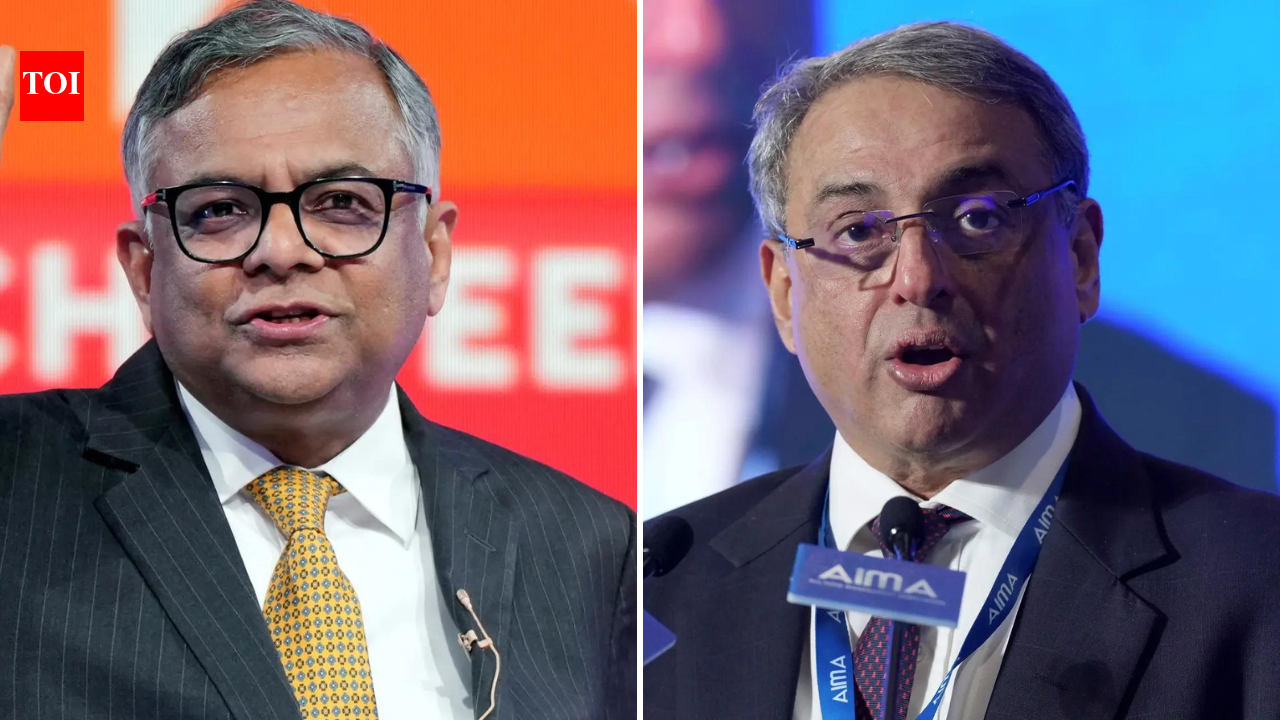

World News Today Live Updates on August 13, 2026: Stay informed on global events with our in-depth world news coverage, bringing you the latest developments across politics, economy, and culture. Discover insights into international affairs, breaking news, and the trends shaping our interconnected world, all in one place. View More
In a post on his social media platform Truth Social, Trump said the US would likely maintain control of the waterway, describing the ongoing naval blockade as a “wall of steel.” View More

After the incidents in Bab el-Mandeb and the Gulf of Oman, President Donald Trump on Truth Social wrote of the Strait of Hormuz, "I THINK WE WILL KEEP IT!" View More
In this article@LCO.1@CL.1Follow your favorite stocksCREATE FREE ACCOUNT The navigation bridge of a sunken vessel is all that is seen at the surface of the water in the Port of Mokha the day after an attack by the Houthis on the city Mokha, held by Yemen's internationally recognised, Aden-based government on August 10, 2026. Khaled Ziad | Afp | Getty Images Iran-backed Houthi rebels killed six people aboard a cargo ship in the Bab el-Mandeb Strait on Tuesday, the first reported fatalities from attacks targeting Red Sea shipping in more than a year. Within hours, U.S. forces said they had fired missiles at a container ship that allegedly attempted to breach Washington's blockade of Iranian ports in the Gulf of Oman. The twin incidents illustrate how the Iran war, now in its sixth month, is inflicting a widening toll on two of the world's most critical shipping lanes. And even as diplomats offer vague signs of progress toward reopening the Strait of Hormuz, hostilities between the U.S. and Iran appear to be on the rise.President Donald Trump, in an aggressively hostile Truth Social post Wednesday morning, mocked Iran's military and repeated his claim that the U.S. has "total control over" the strait, even though traffic through it remains far below prewar levels. "I THINK WE WILL KEEP IT!" Trump wrote of Hormuz, which was an open international waterway before the U.S. launched the war. The president has previously countered Iran's efforts to take control of the strait by asserting that the U.S. will impose its own onerous tolls on passing ships, though he later dropped that plan."Our Naval Blockade is being called, by everyone, 'A WALL OF STEEL,' and there is nothing Iran can do about it," the president added in Wednesday's post. "Iran is all talk and no action, the Bully of the Middle East No Longer. Praise be to Allah!"After the attack in Bab el-Mandeb, Yemen's Transport Ministry said the casualties included four crew members aboard the vessel â identified as the Egyptian-owned, Tanzania-flagged Tihamah â three of them Pakistani nationals and one Indonesian. Separately, Yemen's coast guard reportedly said two members of the Yemeni government-allied National Resistance Forces were also killed in a follow-up strike as they carried out a rescue. Yemen's Transport Ministry said in its statement that it holds "the Houthi terrorist militias fully responsible for the deaths, injuries and damage inflicted on the commercial vessel 'Tihamah' as well as for the serious consequences resulting from these attacks," according to a Google translation of Arabic. A Houthi-aligned media outlet later said the group's forces had targeted a ship carrying Saudi military equipment, though the Houthis haven't addressed the casualty figures officially. The Iran-aligned group declared a naval blockade against Saudi Arabia in the Red Sea on July 20, breaking a yearslong Yemeni civil war truce, calling it retaliation for a Saudi "siege" on Yemen, an allegation Riyadh has denied. Separately, the U.S. Central Command said Tuesday that a Navy helicopter fired two missiles at the Panama-flagged Vela Nova, disabling its steering and propulsion, after the crew ignored warnings while transiting the Gulf of Oman. Centcom said the ship had tried to run past the naval blockade Washington reimposed on Iranian ports in July. There were no immediate reports of casualties. U.S forces have redirected 55 commercial vessels attempting to breach the blockade since it took effect, disabled three noncompliant ships and boarded two, according to Centcom. Read more CNBC politics and policy coverageTrump says Karoline Leavitt resigning as White House press secretaryTrump sued over Truth Social advance access saleTrump says NYC pied-à -terre tax âmust be stopped,â eyes federal block The hostilities at sea come as U.S.-Iran diplomacy has stalled. Iran's Supreme National Security Council laid out sweeping demands over the weekend for reopening the Strait of Hormuz, including an end to the U.S. naval blockade, sanctions relief, American troop withdrawals and war reparations. Trump countered by demanding Iran pay compensation of its own. The impasse has pushed a return to normal shipping further out of reach, even as Iran and Oman edge toward an agreement on a new transit corridor through the Hormuz Strait.Traffic through the strait, which saw 20% of the world's oil trade before the conflict began in late February, has been barely trickling. The war-induced tumult in the waterway has caused a global energy supply shock, sharply raising oil prices and causing broader economic consequences. Oil prices have been rising on the back of renewed tensions. Brent crude futures for October delivery added 0.6% to $89.44 a barrel on Wednesday, extending a rally that has added more than 7% this week, according to LSEG data. U.S. West Texas Intermediate for September added 0.7% to $83.8. "Current rhetoric suggests any potential deal is still some way off, meaning risks remain skewed to the upside for oil prices," said Warren Patterson, ING's head of commodities strategy. watch nowVIDEO2:5002:50President Trump demands reparations from Iran for decades of 'damage'Europe Early Edition While there have been glimmers of progress in ongoing diplomatic efforts, few concrete details have emerged.On Tuesday, a senior Pakistani minister told reporters that the U.S. and Iran are close to "some sort of arrangement" over the strait, saying, "things are shaping up again in favor of a peace arrangement or a deal," Bloomberg reported. The Pakistani official's comments came after a Qatari Foreign Ministry spokesperson told Al Jazeera that talks between Iran and Oman about opening a shipping channel through the Strait of Hormuz were at a "critical juncture."Meanwhile, Turkey's Anadolu news agency reported Wednesday that Iran and the U.S. had agreed to extend the ceasefire that ended following the collapse of the temporary memorandum of understanding weeks after it was signed in June.But a senior Iranian source later dismissed that claim, telling Reuters that there have been no discussions with the U.S. about extending a ceasefire under an interim deal.The source said the U.S. must return to the terms of the memorandum of understanding and set a time frame to implement its commitments, Reuters reported.Correction: Centcom said the ship had tried to run past the naval blockade Washington reimposed on Iranian ports in July. An earlier version misstated the month. Choose CNBC as your preferred source on Google and never miss a moment from the most trusted name in business news.

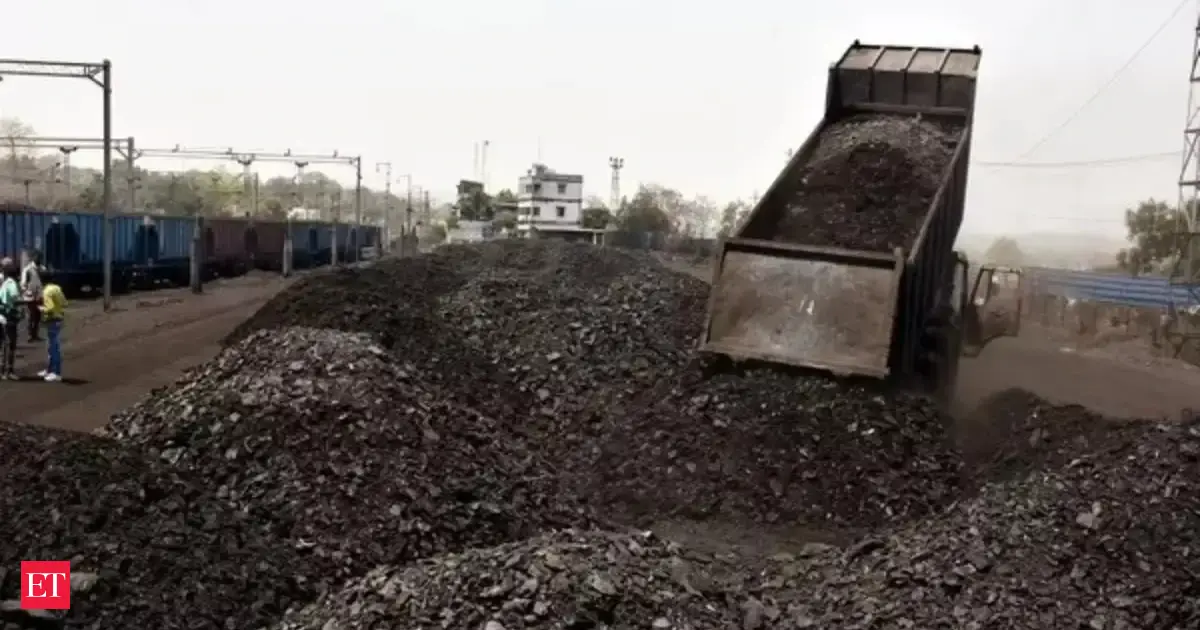
Coal India and ArcelorMittal Nippon Steel India signed an agreement for a coal gasification project. This collaboration will explore using synthesis gas near the steelmaker's Odisha pellet plant. The project aims to assess technical and commercial feasibility for a new facility. It also involves carbon capture, utilisation, and storage technology integration. View More
New Delhi, State-owned Coal India Ltd on Wednesday said it has entered into a pact with ArcelorMittal Nippon Steel India Pvt Ltd ( AMNS ) to explore the utilisation of synthesis gas produced from a proposed coal gasification plant near the steelmaker's Paradip pellet plant in Odisha. The memorandum of understanding (MoU), executed on Wednesday, envisages a coal gasification facility to be established by CIL adjacent to or at the AMNS Paradip Pellet Plant, coupled with carbon capture, utilisation and storage (CCUS) technology, according to a regulatory filing by Coal India Ltd (CIL). Under the initial framework, both the companies will assess the technical and commercial feasibility of the proposed project, examine implementation modalities and facilitate the preparation of a Preliminary Feasibility Report (PFR) to evaluate its viability. Coal gasification converts coal into synthesis gas (syn-gas), and steelmakers use this as a cleaner fuel and chemical reducing agent. It replaces imported natural gas and is injected into blast furnaces to reduce reliance on expensive, imported coking coal. Live Events Coal India accounts for over 80 per cent of domestic coal output. The Union Cabinet had earlier approved a Rs 37,500-crore incentive scheme to promote coal gasification projects, aimed at boosting clean energy production and reducing dependence on forex-guzzling imports of LNG, urea and methanol, while insulating the country from global price volatility and supply chain disruptions. The Union Cabinet under the chairmanship of Prime Minister Narendra Modi approved the scheme for promotion of surface coal/lignite gasification projects with a financial outlay of Rs 37,500 crore. The scheme marks a major step towards accelerating the country's coal gasification programme, advancing the national target of gasifying 100 million tonnes (MT) of coal by 2030, strengthening energy security, and reducing dependence on imports of key products such as LNG, urea, ammonia and methanol. India holds one of the world's largest coal reserves of 401 billion tonnes and lignite reserves of 47 billion tonnes. Coal accounts for over 55 per cent of the country's energy mix. .Pbanner{display:flex;justify-content:space-between;align-items:center;background-color:#ec1c40;margin-top:20px;padding:5px 10px;border-radius:4px;color:#fff;line-height:10px;width: 100%;box-sizing: border-box} .Pbannertext{display:flex;align-items:center;font-size:16px;font-weight:600;font-family:'Montserrat';} .Pbannertext img{height:20px;margin:0 6px} .Pbannerbutton a{display:flex;align-items:center;background-color:#fff;color:#ec1c40;text-decoration:none;font-weight:600;padding:4px 8px;border-radius:6px;font-size:15px;font-family:'Montserrat';} .Pbannerbutton img{height:20px;margin-right:6px} .Pbannerbutton a:hover{background-color:#f7f7f7} Add as a Reliable and Trusted News Source Add Now! (You can now subscribe to our Economic Times WhatsApp channel) (You can now subscribe to our Economic Times WhatsApp channel)
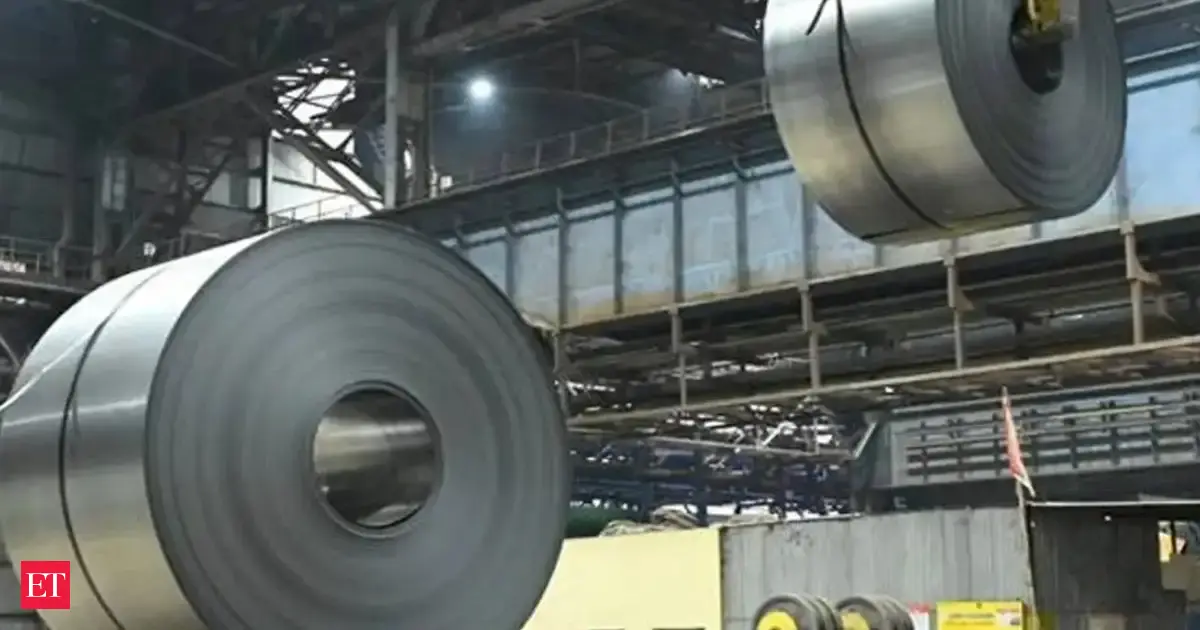
Smaller steel firms in India can reduce electricity bills by one-third and cut carbon emissions by adopting renewable energy, which will offer substantial annual cost savings for these companies. For them, joint investments in clean power projects present a practical and viable solution. High costs and regulatory hurdles currently make this essential clean energy transition slow. View More
BENGALURU: Smaller steel companies responsible for nearly 40% of India's crude steel production could cut their electricity bills by about a third while sharply reducing carbon emissions by switching to renewable energy, according to a report released Wednesday. The report, "Powering India's Secondary Steel Transition," found renewable electricity could reduce annual power costs by about 22 million to 24 million rupees ($250,000 to $275,000) per unit, or up to 34%. The report was jointly produced by a consortium of environmental groups and industry bodies including the Confederation of Indian Industry, WWF-India, the nonprofit group Climate Catalyst and the think tank JMK Research. Electricity accounts for up to 40% of operating costs for many small steel producers, making it one of the industry's largest expenses. Profit margins at many of India's smaller steel companies have been affected by rising fuel costs resulting from the Iran war. Also read | Jindal Stainless scouting Maharashtra site for Rs 40,000 crore plant Live Events India, the world's most populous nation, is among the largest emitters of carbon dioxide and other greenhouse gases contributing to global warming. The steel sector accounts for as much as 12% of India's annual emissions. Decarbonizing the sector is essential to meet the country's goal of achieving net-zero emissions by 2070. Shifting to clean power also could help shield Indian steel companies from European carbon taxes that took effect at the start of this year. "With rising pressure on all industries to reduce their carbon emissions, a high-emitting sector like steel has to look at ways to reduce emissions at the least cost possible," said Prabhakar of JMK Research, one of the report's authors, who uses only one name. "With the huge growth in renewables in India, shifting to renewable electricity is low-hanging fruit for reducing carbon pollution." Steel firms can save with joint clean power investments The report found the most practical option for small steel producers is to jointly invest in and own a renewable energy project from which they can draw electricity based on their investment and electricity needs. This approach lowers the upfront financial burden for individual companies and creates projects large enough to be commercially viable, the report said. "A cluster-based approach can fundamentally change how small steelmakers access renewable energy," Prabhakar said. "Aggregating demand through industrial associations makes projects more bankable, enables optimal plant sizing and reduces the investment risk borne by any single unit." Also read | FSSAI tightens pan masala packaging rules, bans plastic and plastic-laminated pouches Renewable energy adoption remains limited among India's smaller and medium-sized steel companies despite the country's clean power capacity tripling over the past decade. The report estimated only about 11% of smaller steelmakers use renewable power, compared with roughly 22% of India's overall electricity mix. Helping small and medium steelmakers access clean energy is essential to India's ambitious climate goals, said Vinoth Balakumar of the Confederation of Indian Industry. "The companies are ready to change and have realized that, to maintain profits, they could try to shift to renewable electricity," he said. Low awareness, red tape and high costs slow clean power shift Owners of small steel companies said they are willing to shift to clean power because many of their domestic and international customers prefer steel with a lower carbon footprint. But high costs, government regulations and, in some regions, a lack of awareness about the benefits of renewable electricity are slowing the transition. "When capital costs are really high, it makes it less viable for smaller companies," said Sanjay Tripathi, a steel company owner in the central Indian state of Chhattisgarh. In the western state of Gujarat, the country's second-largest generator of renewable energy, steelmakers said inadequate transmission and grid infrastructure prevent them from using all the solar power they have invested in. "We are being asked to reduce our solar power production by up to 80% at times by state government authorities," said Dhirubai Patel, who owns a steel company in Rajkot, home to one of India's largest steelmaking clusters in Gujarat. Patel and several other steel manufacturers in the city invested in a solar power plant that began operating in 2021. "Our request is for the government to invest in infrastructure and make it easier for us to do business. We have a lot of good policies, but there is a lack of cooperation from officials in many government departments," Patel said. "They are still living in the old era and need a change in their mindset." .Pbanner{display:flex;justify-content:space-between;align-items:center;background-color:#ec1c40;margin-top:20px;padding:5px 10px;border-radius:4px;color:#fff;line-height:10px;width: 100%;box-sizing: border-box} .Pbannertext{display:flex;align-items:center;font-size:16px;font-weight:600;font-family:'Montserrat';} .Pbannertext img{height:20px;margin:0 6px} .Pbannerbutton a{display:flex;align-items:center;background-color:#fff;color:#ec1c40;text-decoration:none;font-weight:600;padding:4px 8px;border-radius:6px;font-size:15px;font-family:'Montserrat';} .Pbannerbutton img{height:20px;margin-right:6px} .Pbannerbutton a:hover{background-color:#f7f7f7} Add as a Reliable and Trusted News Source Add Now! (You can now subscribe to our Economic Times WhatsApp channel) (You can now subscribe to our Economic Times WhatsApp channel)
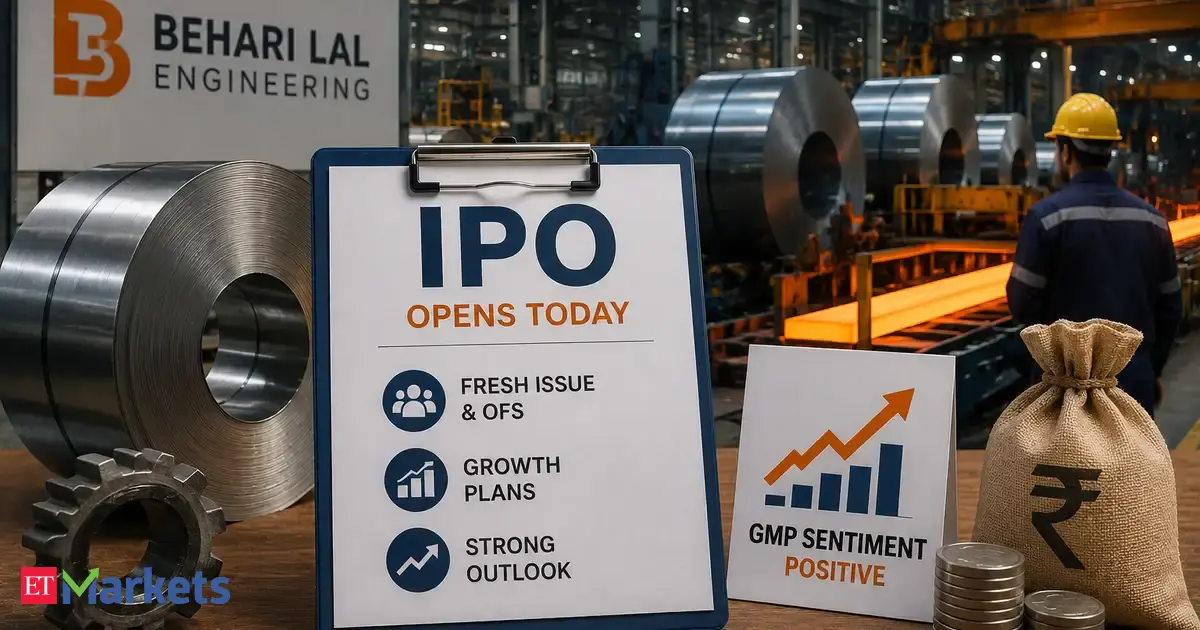
Behari Lal Engineering’s Rs 302-crore IPO saw solid demand on Wednesday, led by retail investors who booked 70% of their reserved portion. The issue, priced at Rs 271–285 per share, comprises a Rs 93-crore fresh issue and an OFS of 73.2 lakh shares. View More
The Rs 302-crore initial public offering (IPO) of Behari Lal Engineering opened for public subscription on Wednesday, with grey market trends indicating a decent listing for the iron and steel manufacturing company. The company launched its IPO to raise funds via a fresh issue of shares worth Rs 93 crore and an offer for sale (OFS) of 73.20 lakh equity shares, at a price band of Rs 271-285 per share. The IPO will remain open for public bidding between August 12 and August 14. The IPO has been subscribed 44% so far on Day 1, receiving bids for 32.7 lakh shares against the offer size of 74.13 lakh shares, according to NSE data as seen at 11.15 am. Retail investors led the subscription numbers, booking 70% of their reserved portion. Non Institutional Investors (NII) meanwhile have subscribed 40% of the portion kept for them. A day before the IPO opened for public bidding, Behari Lal Engineering said it has raised Rs 90.48 crore from anchor investors, allocating 31.75 lakh equity shares at Rs 285 apiece to them. Some of the investors participating in the anchor book included Tata AIA Life Insurance Company, PineBridge Global Funds, Amicorp Capital (Mauritius) Ltd, WhiteOak Capital and Bandhan Mutual Fund. Also read | Behari Lal Engineering raises Rs 90.5 cr from anchor investors ahead of IPO Live Events Behari Lal Engineering IPO GMP Ahead of listing, the unlisted shares of Behari Lal Engineering were trading at Rs 352 apiece in the grey market, according to sites tracking the unofficial platform. This implies a grey market premium (GMP) of more than 23.5% over the IPO price of Rs 285 per share. However, it is important to note that the grey market is an unofficial market, and the actual listing price may differ significantly. How will the IPO proceeds be used? Behari Lal Engineering plans to use the proceeds from the fresh issue for purchasing and installing equipment and machinery, including computers and peripherals, and related civil work at its manufacturing facilities. Funds will also be used for installing rooftop solar panels at both facilities, repayment or pre-payment of certain borrowings and general corporate purposes. Should you subscribe to Behari Lal Engineering IPO? Anand Rathi maintained a ‘Subscribe-Long Term’ rating for Behari Lal Engineering’s maiden public issue, believing that the IPO is fairly priced. The company benefits from in- house engineering, design and material development capabilities, along with stringent quality and customer qualification processes that support its presence across critical industrial applications. Its integrated manufacturing setup enables it to serve diverse end-use industries, while long-standing customer relationships and a broad product portfolio provide a degree of business resilience, it added. SBI Securities also recommended investors to subscribe to the IPO of the company, which is is one of India’s largest metal rolls producers. “Going ahead, the company intends to utilize fresh proceeds to fund capex at its existing facilities and is in process of setting up the third manufacturing facility. The company continues to focus on expanding the share of higher-value products in its sales mix, which combined with the expanded capacities shall result in improved profitability with scale,” it added. Behari Lal Engineering operates two manufacturing facilities at Mandi Gobindgarh in Punjab and has recently commenced construction of a third facility in Fatehgarh Sahib district. The company manufactures metal rolls, engineering castings, alloy steel products and forging ingots for industries including steel, power and heavy engineering. Also read | GMPs indicate 15 IPOs opening or listing this week could offer investors up to 37% returns (With inputs from agencies) (Disclaimer: Recommendations, suggestions, views and opinions given by the experts are their own. These do not represent the views of The Economic Times) .Pbanner{display:flex;justify-content:space-between;align-items:center;background-color:#ec1c40;margin-top:20px;padding:5px 10px;border-radius:4px;color:#fff;line-height:10px;width: 100%;box-sizing: border-box} .Pbannertext{display:flex;align-items:center;font-size:16px;font-weight:600;font-family:'Montserrat';} .Pbannertext img{height:20px;margin:0 6px} .Pbannerbutton a{display:flex;align-items:center;background-color:#fff;color:#ec1c40;text-decoration:none;font-weight:600;padding:4px 8px;border-radius:6px;font-size:15px;font-family:'Montserrat';} .Pbannerbutton img{height:20px;margin-right:6px} .Pbannerbutton a:hover{background-color:#f7f7f7} Add as a Reliable and Trusted News Source Add Now! (You can now subscribe to our ETMarkets WhatsApp channel) (You can now subscribe to our ETMarkets WhatsApp channel)

Most Tata Group stocks, including TCS, Tata Steel, and Tata Motors Passenger Vehicles, declined in Wednesday's session ?after reports emerged that Tata Sons Chairman ?N. Chandrasekaran ?had resigned. View More

Tata Sons faces a mandatory stock market listing due to regulatory pressures. The company's holding structure creates shareholder tension and illiquidity issues. Jardine Matheson simplified its structure by buying out a subsidiary. View More
India’s 158-year-old Tata Group wants its holding company to stay private. But since regulatory pressures are making it difficult to hold off a stock-market listing indefinitely, it can perhaps learn the virtue of simplicity from an even older conglomerate: Hong Kong’s Jardine Matheson. Last week, the Reserve Bank of India retained Tata Sons Pvt. on its updated list of systemically important shadow lenders. All 17 firms on that list have to be publicly held — and 16 of them already are. Although Tata Sons has offered to surrender a key registration to bypass the rule and avoid an initial public offering, no decision yet on its application leaves the nerve center of the $350 billion empire with little choice except to start preparations to go public. To be forced to do an IPO is bound to exacerbate the deep-seated tension between the two biggest shareholders in the holdco. On one side sits the 66% majority owner: the philanthropic trusts that fear loss of control and the inevitability of a holding-company discount, post-IPO. On the other side sits the Shapoorji Pallonji Group, an 18.4% minority shareholder locked in an illiquid asset. The SP Group, a pedigreed construction and engineering business, can’t sell its Tata Sons shares without the latter’s approval. SP’s controlling shareholder, the Mistry family, is joined to the Tata clan by ties of kinship. However, those bonds have been strained by a decade-long corporate dispute. Liquidity-strapped and facing heavy debt service costs, SP has openly demanded an IPO or a fair exit. The feud took a critical turn Wednesday, with Natarajan Chandrasekaran, the first Tata Sons chairman in the group’s history from outside the Tata and Mistry families, saying he will step down when his term ends in February. Enter Jardine Matheson. The prominent 19th-century British trading group is no longer the colossus that Jamsetji Tata, the founder of the Indian conglomerate, encountered as a 20-year-old in 1859. That’s when his father sent him to Hong Kong to learn the mechanics of the China trade. Live Events Still, Jardine’s reach is vast — spanning Hong Kong’s premier Hongkong Land office towers and Mandarin Oriental hotels to Indonesian conglomerate PT Astra International and thousands of 7-Eleven and Dairy Farm storefronts. More importantly, the Keswick family, the Scottish dynasty behind the 194-year-old titan , can offer Bombay House some pointers from its own turbulent six-decade-long history in public markets. Until a few years ago, Singapore-listed Jardine Matheson Holdings Ltd. held as much as 85% of Jardine Strategic Ltd., another holdco that had the same economic exposure as its ultimate parent. But JS also held nearly 59% of JM — a circular structure that made a hostile takeover of either entity effectively impossible without the other's consent. Yet because its shares were far less liquid and locked in a secondary holding vehicle, the public market penalized JS with a persistent discount to JM. Bloomberg The SP Group’s predicament is similar. The Mistry family shares exposure to the same portfolio of assets as the Tata Trusts. But because Tata Sons’ shares are private, the SP Group suffers from an “illiquidity discount” in private credit markets — in the form of high interest rates whenever it pledges its holdings as collateral. Jardine Matheson eventually realized that ignoring its minority discontent was unsustainable. So it executed a $5.5 billion buyout of Jardine Strategic in 2021 to simplify its capital structure. Although still substantial at 30% to 40%, the holdco discount has narrowed of late. More importantly for investors, despite the restructuring and the pandemic, the per-share dividend has grown steadily since 2020. A similar maneuver should be on the radar of Tata Sons. For instance, it can raise debt to buy out SP Group’s stake. Applying Jardine’s holding-company discount should place the exit value between $20 billion and $30 billion. This will provide the SP Group with liquidity to pay down its high-cost loans. The Trusts won’t have to worry about a hefty block of holdco shares passing from the Mistry family to a corporate raider. Then, to retire the acquisition debt, Tata Sons can complete its RBI-mandated public listing. By issuing new shares with differential voting rights during the IPO, the charitable trusts can remain firmly in charge of boardroom decisions. They can also safeguard the annual dividends they need for their philanthropic work. Bloomberg Ultimately, the holdco discount is a bit of a bogeyman. The trustees’ unstated fear is that admitting public shareholders will pry open their absolute grip — anchored in supermajority voting rights, board nomination privileges, and veto powers in major strategic moves — over the sprawling conglomerate. Yet keeping Tata Sons private hardly guarantees stability. The infighting among the trustees over the past year has made that quite clear. A lack of unanimity at the top has now erupted as a leadership crisis. The outgoing chair was under pressure from Noel Tata, a nominee of the trusts on the holdco board, to give an assurance that a public listing would be avoided. That was one of the factors that delayed a decision on a third term for Chandrasekaran for six months. “Clarity on leadership is important for employees, investors, partners and other stakeholders,” Chandra, as he’s known, said in his resignation letter. The group’s listed-company shares fell on the news. From trucks and steel girders to Titan watches, Taj hotels , and Trent’s Westside fashion storefronts, the group’s listed mainstays are present in practically every corner of India’s daily life. Globally, the group owns Jaguar Land Rover and consumer brands like Tetley Tea. Then there are the unlisted ventures. From semiconductor fabs and military-aircraft assembly in Gujarat to putting together iPhones and turning around Air India, Tata Sons is currently funding several capital-intensive bets from the group’s balance sheet. The conglomerate’s rivals for projects of national importance — billionaires Mukesh Ambani, Gautam Adani, and Sajjan Jindal — all have their flagships firmly anchored in the public equity market. But Tata Sons’ financial health remains overly dependent on dividends from Tata Consultancy Services Ltd ., India’s No. 1 code-writing business. With AI posing serious risks to the outsourcing firm’s future profitability, Tata Sons needs its own access to public equity markets. Jardine’s continued holdco discount shows the price that Tata Sons will pay to simplify its capital structure. But just like at the older conglomerate, the benefits may outweigh the costs. .Pbanner{display:flex;justify-content:space-between;align-items:center;background-color:#ec1c40;margin-top:20px;padding:5px 10px;border-radius:4px;color:#fff;line-height:10px;width: 100%;box-sizing: border-box} .Pbannertext{display:flex;align-items:center;font-size:16px;font-weight:600;font-family:'Montserrat';} .Pbannertext img{height:20px;margin:0 6px} .Pbannerbutton a{display:flex;align-items:center;background-color:#fff;color:#ec1c40;text-decoration:none;font-weight:600;padding:4px 8px;border-radius:6px;font-size:15px;font-family:'Montserrat';} .Pbannerbutton img{height:20px;margin-right:6px} .Pbannerbutton a:hover{background-color:#f7f7f7} Add as a Reliable and Trusted News Source Add Now! (You can now subscribe to our ETMarkets WhatsApp channel) (You can now subscribe to our ETMarkets WhatsApp channel)