
Latest Sectors News
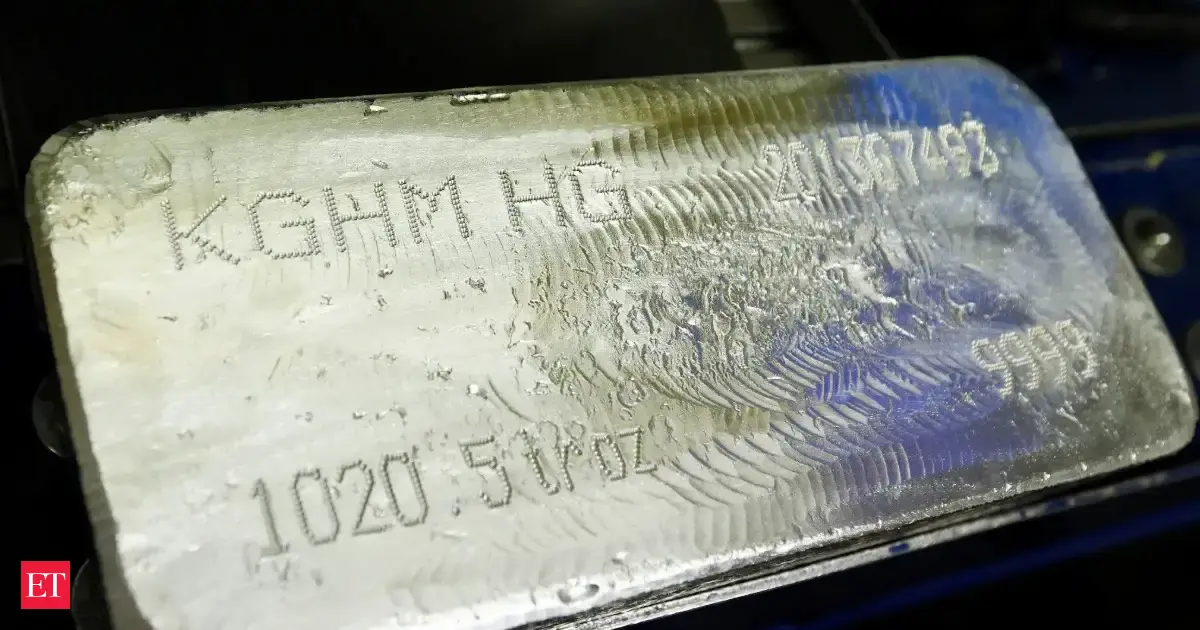
Silver will drive Hindustan Zinc's growth over the next five years. Output is expected to double, significantly boosting earnings before interest, tax, depreciation, and amortization. The company's silver business already contributed nearly half of its consolidated Ebitda in the June quarter. Revenue and Ebitda from silver nearly tripled year-on-year, leading to record quarterly results. A demerger is a possibility but not an immediate priority for the company. View More
Mumbai: Silver will be Hindustan Zinc 's biggest growth driver over the next four to five years, with output set to double from current levels and prices offering significant upside, chief executive Arun Misra said. "While we mine more metal bearing ore, with new technologies coming in, silver numbers will also grow. That is where the maximum Ebitda (earnings before interest, tax, depreciation and amortization) will come from," Misra told ET in an exclusive interaction. The Vedanta group company, India's largest producer of zinc, lead and silver, derived nearly half of its consolidated Ebitda in the June quarter from its silver business. "If silver grows from the current numbers to about 1,200-1,300 tonnes, it will add huge value because while zinc prices remain stable around $3,500 (per tonne), silver prices can reach as high as $100 per troy ounce," he said. "Till the time new critical minerals are added, silver will do the bull work for taking the Ebitda forward," he said. Revenue and Ebitda from the silver business nearly tripled year-on-year in the June quarter, helping Hindustan Zinc post record quarterly revenue, Ebitda and profit. Revenue from operations rose 77% year-on-year to ₹13,747 crore, while Ebitda more than doubled to ₹8,074 crore. Ebitda margin expanded by 900 basis points to 59% and net profit jumped 145% to ₹5,469 crore. While a demerger remains a possibility, Misra said it is not an immediate priority for Hindustan Zinc because separating the business would be more complex than Vedanta's recently completed restructuring. Live Events "There is no mine only for silver and not for zinc, or no smelter which treats concentrate only from one mine. So, there will be a lot of internal movement of material even if we make it two companies. So, that makes it complicated, and hence (we need) more time for resolving issues by discussion," the outgoing CEO said. Hindustan Zinc has appointed former Steel Authority of India chairman Amarendu Prakash as chief executive with effect from August 1. .Pbanner{display:flex;justify-content:space-between;align-items:center;background-color:#ec1c40;margin-top:20px;padding:5px 10px;border-radius:4px;color:#fff;line-height:10px;width: 100%;box-sizing: border-box} .Pbannertext{display:flex;align-items:center;font-size:16px;font-weight:600;font-family:'Montserrat';} .Pbannertext img{height:20px;margin:0 6px} .Pbannerbutton a{display:flex;align-items:center;background-color:#fff;color:#ec1c40;text-decoration:none;font-weight:600;padding:4px 8px;border-radius:6px;font-size:15px;font-family:'Montserrat';} .Pbannerbutton img{height:20px;margin-right:6px} .Pbannerbutton a:hover{background-color:#f7f7f7} Add as a Reliable and Trusted News Source Add Now! (You can now subscribe to our Economic Times WhatsApp channel) (You can now subscribe to our Economic Times WhatsApp channel)

Besides Sharma's reappointment as MD, Jindal Steel announced appointments to the offices of chief financial officer, chief operating officer, and head of human resources, marking one of its biggest management overhauls in years View More

Rahul Gandhi introduced an injured student protester, Sahil, during a press conference, demanding accountability for security personnel who allegedly fired pellet guns and used batons. He criticised the education minister and urged Prime Minister Modi to apologise to the affected students. View More

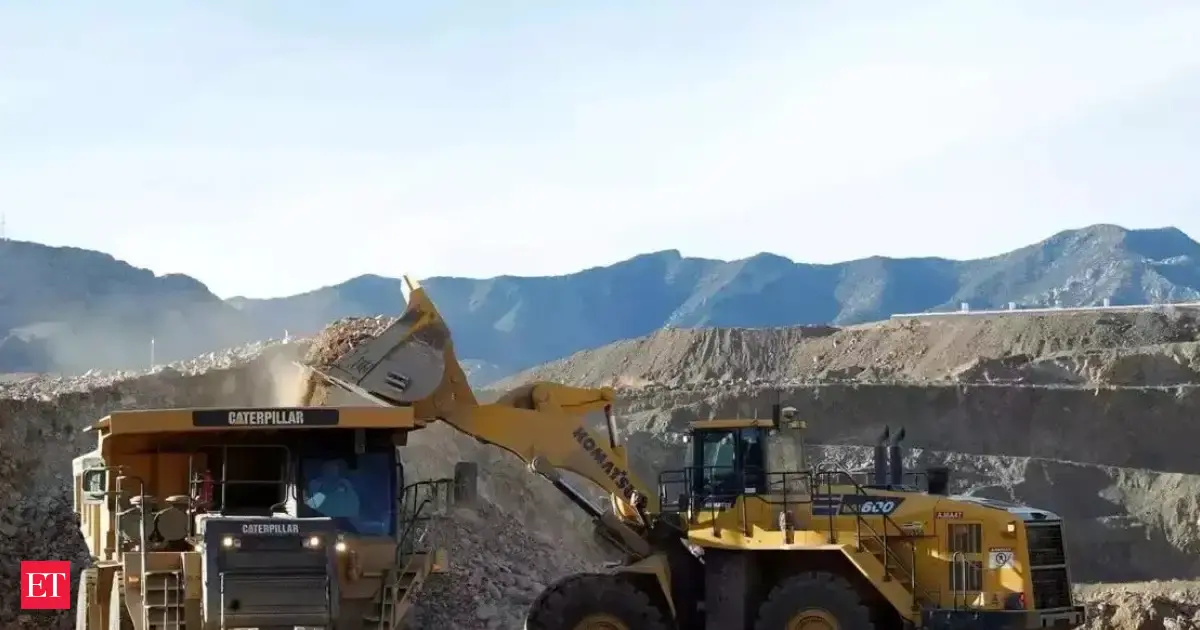
Canadian climate technology company Enervoxa plans to partner with Vedanta, Hindalco and NALCO to build a rare earth processing plant in India using aluminium waste, or red mud. The project aims to strengthen India's rare earth processing capabilities, reduce reliance on China and support the country's critical minerals supply chain. View More
NEW DELHI: Canadian climate technology developer Enervoxa plans talks with India's Vedanta , Hindalco Industries and state-run NALCO as it looks to set up a processing plant in the country to extract rare earths from a waste byproduct of aluminium production . A commercial-scale plant would cost around $250 million to $350 million and could be financed through a combination of strategic equity and project financing, Enervoxa Chief Executive Vandit Verma told Reuters. The company is looking at potential locations in eastern India for the project, he said. Also Read: India, Canada sign $2.6 billion uranium deal Recovering rare earth concentrates from bauxite residue - a byproduct of aluminium production known as red mud - is a relatively new commercial application that has gained momentum amid growing geopolitical concerns over China's dominance of rare earth processing. Rare earth elements are essential to technologies spanning mobile phones, electric vehicle motors and defence applications such as cruise missiles. Live Events India holds substantial rare earth reserves but lacks industrial-scale facilities capable of processing the minerals to high purity levels. The country is also the world's second-largest aluminium producer and its third-biggest consumer. Also Read: India eyes critical minerals in Canada Enervoxa has spent eight years developing its own process to recover rare earths from red mud, Verma said in an interview on Wednesday. In addition to aluminium producers, Enervoxa plans to approach engineering companies, steel manufacturers and critical minerals processing companies to develop an integrated value chain for the products recoverable from red mud, which also include iron oxide, coagulants, pigments and titanium-bearing materials. The company also plans to seek Indian government assistance, Verma said. India's Jawaharlal Nehru Aluminium Research Development and Design Centre, along with other stakeholders under government think tank NITI Aayog, is conducting research into metal extraction and rare earth element enrichment from red mud, the government said last year. Enervoxa's project could involve either full processing of red mud within India or production of a rare earth concentrate for refining at a dedicated downstream facility, Verma said. The company is currently focused on evaluating commercial opportunities with companies in India, North America, Southeast Asia and other alumina-producing regions, he said. (Reporting by Neha Arora; Editing by Mayank Bhardwaj and Kevin Buckland) .Pbanner{display:flex;justify-content:space-between;align-items:center;background-color:#ec1c40;margin-top:20px;padding:5px 10px;border-radius:4px;color:#fff;line-height:10px;width: 100%;box-sizing: border-box} .Pbannertext{display:flex;align-items:center;font-size:16px;font-weight:600;font-family:'Montserrat';} .Pbannertext img{height:20px;margin:0 6px} .Pbannerbutton a{display:flex;align-items:center;background-color:#fff;color:#ec1c40;text-decoration:none;font-weight:600;padding:4px 8px;border-radius:6px;font-size:15px;font-family:'Montserrat';} .Pbannerbutton img{height:20px;margin-right:6px} .Pbannerbutton a:hover{background-color:#f7f7f7} Add as a Reliable and Trusted News Source Add Now! (You can now subscribe to our Economic Times WhatsApp channel) (You can now subscribe to our Economic Times WhatsApp channel)

The Trump administration has ramped its tariff actions back up since the president's trade agenda suffered major legal setbacks earlier this year. View More
US President Donald Trump speaks to reporters after landing in Air Force One on July 19, 2026 in Joint Base Andrews, Maryland. Andrew Harnik | Getty Images The Trump administration will impose new tariffs just after midnight ET Friday on dozens of countries over alleged forced-labor violations, according to a notice in the Federal Register.The duties, set between 10% and 12.5%, will effectively replace President Donald Trump's temporary 10% global tariffs, which are set to expire at the same time as the new ones take effect.The forthcoming tariffs will apply to 60 trade partners and cover 99.4% of U.S. trade, the Office of the U.S. Trade Representative said in a fact sheet Thursday afternoon. The office separately told CNBC that it could not provide an estimate of how much revenue the new tariffs will generate.The move "is the most sweeping international labor rights action the United States has ever taken â that any country has ever taken," a senior Trump administration official told reporters in a call earlier Thursday.The official noted that the new tariffs would not "stack" on top of existing import taxes on steel and aluminum, known as "Section 232" duties, that Trump imposed last year on national-security grounds.Thursday's announcement underscores how the Trump administration is ramping its aggressive use of tariffs back up, after the president's protectionist agenda suffered major legal setbacks earlier this year. Trump has long touted tariffs as key tools for generating revenue and gaining leverage over foreign trade partners, while brushing aside criticisms that they tax U.S. importers and raise prices for U.S. consumers.The White House recently imposed 25% tariffs on most U.S. imports from Brazil, which took effect Wednesday, and 50% tariffs on a wide range of goods from Canada, which are set to begin next month.The Trump administration had proposed the upcoming tariffs in early June, after concluding that the targeted countries failed to effectively ban the use of forced-labor practices in trade with the U.S. Read more CNBC politics coverageTrump imposing 50% tariffs on certain Canadian goods over alleged trade discriminationTrump says Netanyahu won't be arrested in New York, pushing back on MamdaniSen. Darline Graham running for full term to replace late brother Lindsey Graham The new tariffs are being brought under Section 301 of the Trade Act of 1974, one of trade tools Trump has wielded since the Supreme Court struck down his global "liberation day" duties on Feb. 20.Hours after that court loss, a furious Trump said he would impose a worldwide 10% tariff under Section 122 of the 1974 trade law. But that tariff came with a 150-day timer that was set to lapse at 12:01 a.m. ET on Friday.In March, the Trump administration announced two separate Section 301 investigations: the forced-labor probe, and another one centered on concerns about excess manufacturing capacity by 16 economies. The latter probe has yet to be finalized."We commit to continuing to use tariffs and to negotiate deals to support the reindustrialization of our economy, protect American workers, and increase their wages and shrink our trade deficit," U.S. Trade Representative Jamieson Greer said in Senate testimony Wednesday. Choose CNBC as your preferred source on Google and never miss a moment from the most trusted name in business news.
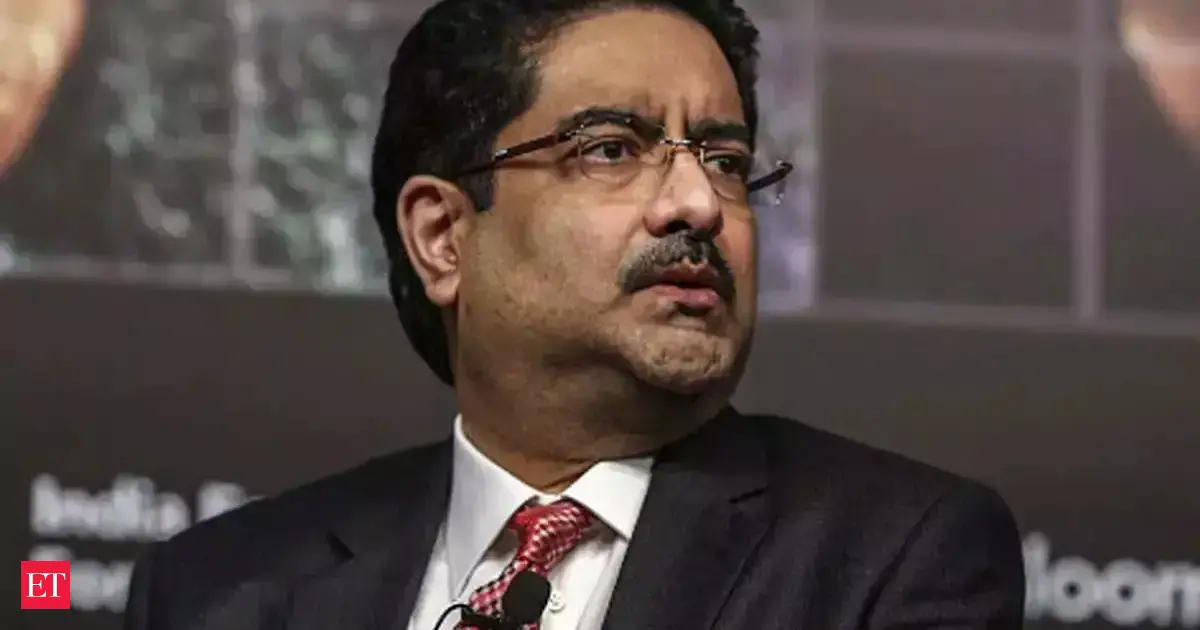
Hindalco Industries plans a substantial Rs 50,000 crore investment over three years. An additional Rs 50,000 crore in growth opportunities is currently being evaluated. These investments will significantly enhance capacities across its upstream and downstream businesses. The company is scaling up its copper and aluminum operations to meet rising domestic demand. Novelis' new plant will also strengthen its manufacturing footprint in key markets. View More
New Delhi: Hindalco Industries will invest Rs 50,000 crore in India over the next three years across upstream and downstream businesses and is evaluating an additional Rs 50,000 crore of growth opportunities, creating a potential Rs 1 lakh crore investment pipeline, its Chairman Kumar Mangalam Birla said on Thursday. Speaking at the company's 67th Annual General Meeting, Birla said, "Across our businesses, Hindalco is executing an unprecedented investment to enhance capacities in our mines, upstream and downstream operations in India. We have already earmarked Rs 50,000 crore for strategic growth projects across the value chain. Another Rs 50,000 crore of opportunities are being evaluated." Also Read: Shyam Metalics plans to double revenue by 2031 on the back of Rs 10,000-cr capex This potential Rs 1 lakh crore investment pipeline will lift the company's growth trajectory and put the company in a strong position to meet India's demands for metal solutions. Hindalco Industries, he said, is investing across the value chain to build scale, strengthen resource security and create future-ready capacity as domestic demand for advanced materials rises. Live Events The phased expansion of the Aditya smelter, which will add 3,74,000 tonnes, is progressing on schedule, while a similar expansion at Mahan is under evaluation. Together, the projects would lift Hindalco's aluminium smelting capacity to over 2 million tonnes. Also Read: India and Myanmar signal closer rare earth mining ties The company is also scaling up its copper business to meet rising demand from electrification, renewable energy and infrastructure development . The inner-grooved tubes facility at Vadodara has commenced operations and will steadily ramp up through the year. The company, he said, expects its 50,000-tonne copper e-waste recycling facility to begin operations in the coming months, with plans to scale capacity to 200,000 tonnes. The 300,000-tonne copper smelter expansion at Dahej remains on track for FY'29, Birla said. "With these investments, Hindalco is building a million-tonne, integrated and downstream-led copper business, positioning us to become the second-largest copper player globally outside China," he added. The expansion of the Aditya Alumina refinery is progressing well, while coal production at the Chakla and Bandha captive coal mines is expected to start next year, he said, adding that the Meenakshi captive coal mine will go online by FY29. For Novelis -- the US-based arm of Hindalco Industries -- the restart of the Oswego plant and the upcoming commissioning of Bay Minette in the second half of 2026, mark an important turning point. As Bay Minette ramps up, it will deepen Novelis' presence in key end markets, particularly beverage packaging, automotive and specialty products, while strengthening its US manufacturing footprint, he said. .Pbanner{display:flex;justify-content:space-between;align-items:center;background-color:#ec1c40;margin-top:20px;padding:5px 10px;border-radius:4px;color:#fff;line-height:10px;width: 100%;box-sizing: border-box} .Pbannertext{display:flex;align-items:center;font-size:16px;font-weight:600;font-family:'Montserrat';} .Pbannertext img{height:20px;margin:0 6px} .Pbannerbutton a{display:flex;align-items:center;background-color:#fff;color:#ec1c40;text-decoration:none;font-weight:600;padding:4px 8px;border-radius:6px;font-size:15px;font-family:'Montserrat';} .Pbannerbutton img{height:20px;margin-right:6px} .Pbannerbutton a:hover{background-color:#f7f7f7} Add as a Reliable and Trusted News Source Add Now! (You can now subscribe to our Economic Times WhatsApp channel) (You can now subscribe to our Economic Times WhatsApp channel)
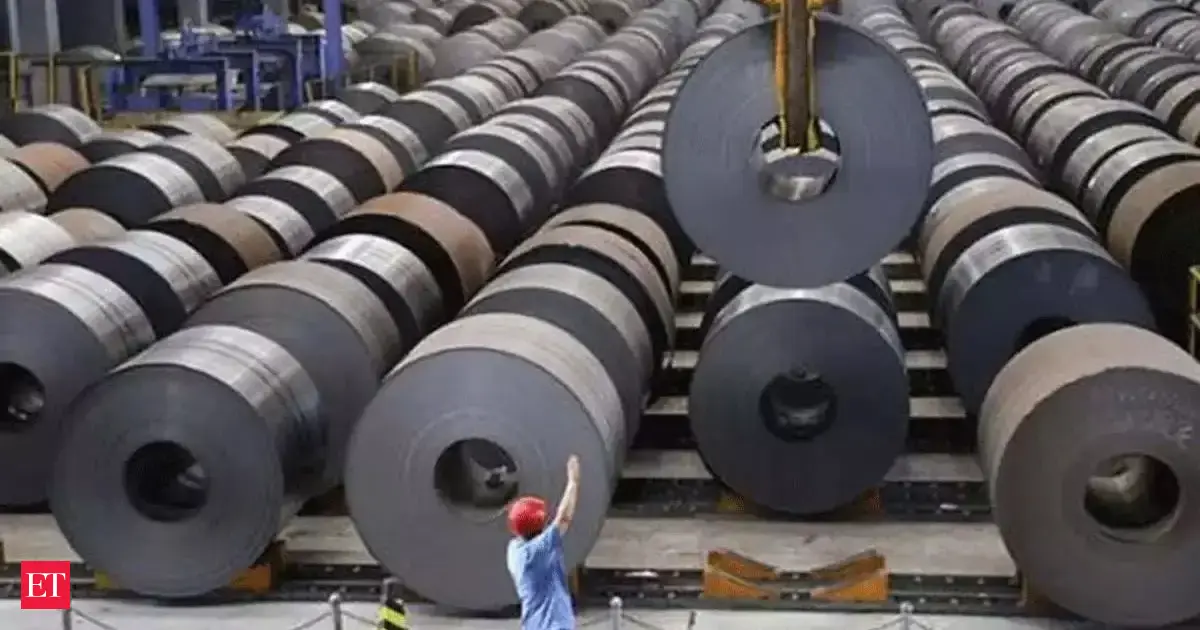
Shyam Metalics and Energy anticipates improved margins and earnings by shifting to direct customer sales. The company plans significant investments to expand its capacity across various business segments. Revenue is targeted to more than double by 2031, continuing strong annual growth. Stainless steel revenue is projected to increase substantially after expansion completion by 2028. Future demergers are not currently planned as integration remains the focus. View More
Mumbai: Shyam Metalics and Energy expects higher margins and more stable earnings as it shifts to selling directly to customers, chairman Brij Bhushan Agarwal said. The Kolkata-based company, which operates across carbon steel, stainless steel, ferro-alloys and aluminium foil, is targeting more than a two-fold increase in revenue to over Rs 42,000 crore by 2031. It plans to invest about Rs 10,000 crore over the next three-four years to expand capacity across its businesses. “We have been growing at a CAGR (compounded annual growth rate) of more than 20% in the last four years, and our growth plan is to continue at a CAGR close to 20% for the next four years in terms of both revenue and Ebitda,” Agarwal told ET. The company expects three businesses to contribute almost equally to revenue over the long term—carbon steel flat products, specialty steel, and aluminium and stainless steel combined. Live Events Its stainless steel business, which currently generates monthly revenue of about 130-140 crore, is expected to increase to Rs 600-700 crore after the expansion is completed by 2028. “We are focusing heavily on downstream value because more than 80% of the ingredients required for making stainless steel will be captive, and this will enhance our margins,” Agarwal said. For aluminium, the company will source ingots from primary producers such as Hindalco Industries and Vedanta Aluminium Metal to focus on value addition. Of the planned Rs 10,000 crore capital expenditure, about half will be invested in flat carbon steel products, 40% in stainless steel and the remaining 10% in other businesses. “Once we fully capitalise on these projects, I expect an IRR ( internal rate of return ) of around 16-18% across all of our businesses,” he said. A Vedanta-style demerger is not part of the company’s current strategy, Agarwal said. “Perhaps in four to five years, if individual sectors have generated massive value and it is in our investors’ best interests, we might consider it. However, right now, we are focused on integration,” he said. .Pbanner{display:flex;justify-content:space-between;align-items:center;background-color:#ec1c40;margin-top:20px;padding:5px 10px;border-radius:4px;color:#fff;line-height:10px;width: 100%;box-sizing: border-box} .Pbannertext{display:flex;align-items:center;font-size:16px;font-weight:600;font-family:'Montserrat';} .Pbannertext img{height:20px;margin:0 6px} .Pbannerbutton a{display:flex;align-items:center;background-color:#fff;color:#ec1c40;text-decoration:none;font-weight:600;padding:4px 8px;border-radius:6px;font-size:15px;font-family:'Montserrat';} .Pbannerbutton img{height:20px;margin-right:6px} .Pbannerbutton a:hover{background-color:#f7f7f7} Add as a Reliable and Trusted News Source Add Now! (You can now subscribe to our Economic Times WhatsApp channel) (You can now subscribe to our Economic Times WhatsApp channel)
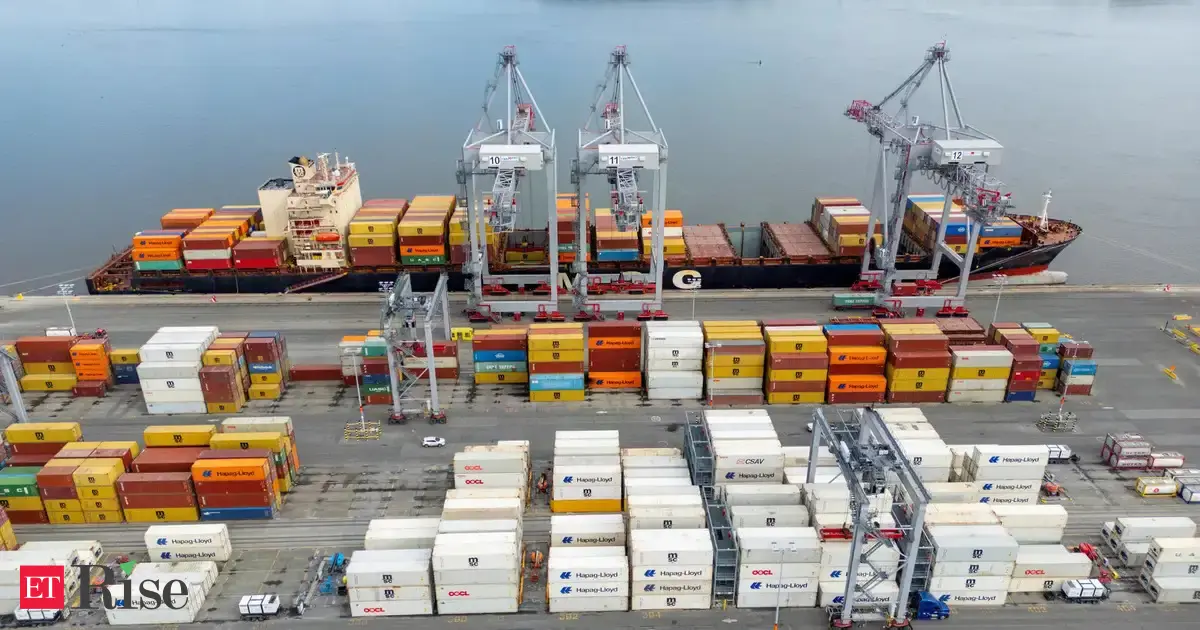
Ports worldwide are quietly embracing electrification for their operations. Many large gantry cranes are now grid-powered, and smaller ones are increasingly electric. This transition leverages predictable routes and the profitability of port businesses. View More
(Bloomberg Opinion) --If there’s one place you’d have expected the march of electrified clean energy to be dragging its feet, it’s the world’s ports. At harbors such as Singapore and Port Said, the growth of trade in goods through the 20th century was inextricably bound up with transporting and storing the fossil fuels that oceangoing vessels used for their power. Cargo shipping, responsible for about 3% of global emissions, tends to rank high on lists of so-called “hard-to-abate” industries like aviation, steel, chemicals and cement, which are so bound up with the carbon economy that they’ll resist the switch to clean alternatives until the bitter end. Right now, the prospects of an energy transition here might seem remote. Oceangoing trade is in the midst of its biggest crisis in a generation, with the Strait of Hormuz closed off by the US and Israeli fighting with Iran, and the conflict now spreading to a potential renewed blockade of the Red Sea by Yemen’s Houthi militia. And yet, when the dust settles, it’s remarkable how quickly parts of the sector have been quietly going electric. Almost all large gantry cranes — the vast metal structures that move shipping containers from deck to shore and around the port — are now grid-powered rather than dependent on engines. Smaller, more mobile rubber-tired gantries, which traditionally used diesel and accounted for an outsized share of emissions and particulate pollution from ports, are headed in the same direction: In 2024, about 28% of sales were battery-operated, with a further 17% hybrid. At Konecranes Oyj, one of the biggest suppliers of such equipment, some 62% of sales last year were battery or hybrid. These shifts take advantage of several factors common to all docks. The power requirements of the machinery to move cargo around the port and to nearby rail terminals — gantries, forklifts, yard tractors, trucks — can be immense. The equipment often is in constant motion, meaning plugging it into a cable isn’t an option. But the distances covered tend to be small and route patterns fairly predictable, making it easy to mesh operations with the daily charging demands of battery power. Live Events That means harbors are unusually amenable to the technological switch as battery technology improves. Ports as businesses are also well placed to upgrade their equipment. Unlike road freight and container shipping, the sector tends to be profitable and stable. That means there’s plenty of cashflow to invest in electrification, especially if it will lead to better margins in the long term. Ports are also often quasi-monopolies that operate via concessions from the cities that host them. As a result, they’re keen to reduce the nuisance their pollution causes to residents and voters. The effects can be seen at multiple locations around the world. At Jawaharlal Nehru Port Authority, which operates India’s second-biggest container terminal near Mumbai, 90% of the truck fleet will have been electrified by the end of this year. A fifth of cargo-handling equipment at the Port of Long Beach, near Los Angeles, is electric. Tuas, the zone under construction in Singapore that’s intended to be the world’s largest container terminal when completed in 2040, is being designed almost entirely around grid and battery power. Ships are plugging into the grid, too. Vessels once used to consume their own fuel when docked using auxiliary engines, but that practice can be particularly polluting. Nowadays, most Chinese and European container and cruise ports provide shore electricity through immense cables. Even water-going craft are starting to switch. Tugboats are unusual among shipping, because their most important attribute isn’t sustained power but the ability to get a larger vessel moving and change its direction — what engineers call torque. High and instant torque is the reason electric cars can accelerate faster than conventional vehicles, and it’s a fundamental advantage of motors over combustion engines. An electric tug that’s been operating in Auckland since 2022 costs only half as much to operate as a diesel version. Singapore started using its first models earlier this year. Getting fossil fuels out of ships’ engines will be the hardest part, although even there small battery-powered container ships are entering service. Electrifying shore-based operations, though, is low-hanging fruit. Just 25 harbors handle about half of all container trade, and in total there are only 1,000 such ports on the planet. The strides they’re making are providing a testbed for how battery-powered machinery could transform the global trucking and logistics industry that accounts for around 8% of the world’s emissions. Under our noses, a worldwide industrial ecosystem is rapidly switching to clean power. .Pbanner{display:flex;justify-content:space-between;align-items:center;background-color:#ec1c40;margin-top:20px;padding:5px 10px;border-radius:4px;color:#fff;line-height:10px;width: 100%;box-sizing: border-box} .Pbannertext{display:flex;align-items:center;font-size:16px;font-weight:600;font-family:'Montserrat';} .Pbannertext img{height:20px;margin:0 6px} .Pbannerbutton a{display:flex;align-items:center;background-color:#fff;color:#ec1c40;text-decoration:none;font-weight:600;padding:4px 8px;border-radius:6px;font-size:15px;font-family:'Montserrat';} .Pbannerbutton img{height:20px;margin-right:6px} .Pbannerbutton a:hover{background-color:#f7f7f7} Add as a Reliable and Trusted News Source Add Now!
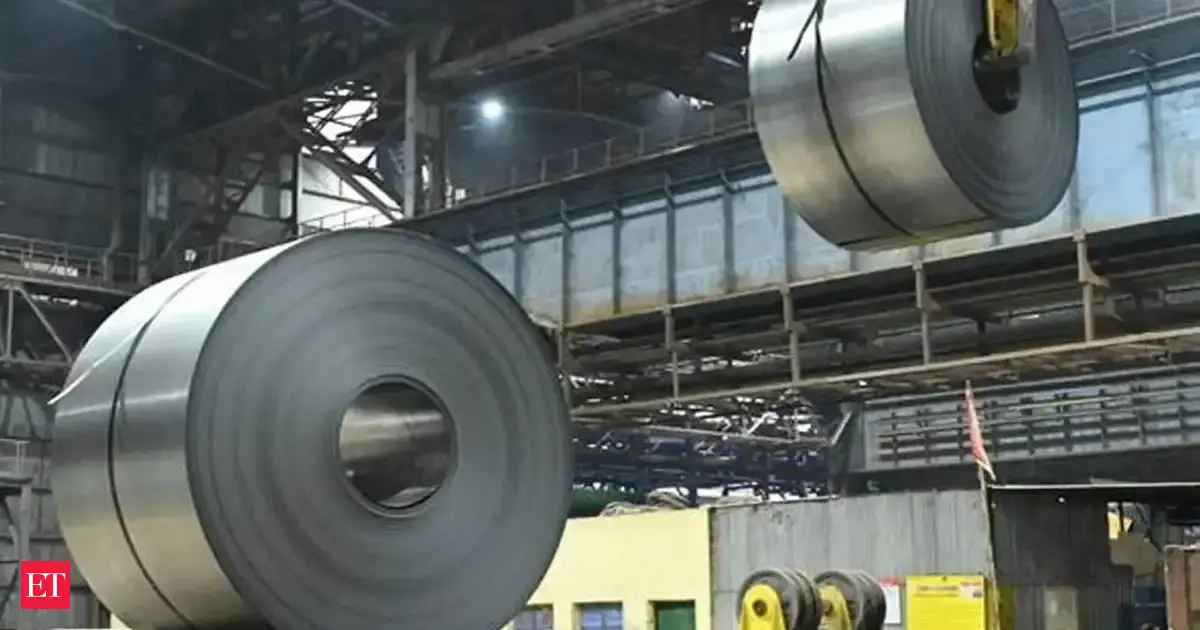
Indian seamless pipe manufacturers contribute USD 1.4 billion annually in foreign exchange. This significant contribution comes from import substitution and overseas sales of made-in-India products. Domestic companies now produce critical seamless pipes previously imported, saving millions each year. Exports of these specialized pipes also add substantially to the nation's earnings. The industry's growth aligns with the vision of making India a global manufacturing hub. View More
New Delhi: India's seamless pipe manufacturers contribute around USD 1.4 billion (around Rs 11,600 crore) in foreign exchange annually by reducing imports significantly and selling made-in-India products overseas, industry body STMAI said on Wednesday. "Indian manufacturers are today supplying several critical seamless pipe products that were earlier imported. This has resulted in an estimated foreign exchange saving of USD 600-700 million annually through import substitution," Seamless Tube Manufacturers' Association of India (STMAI) President Shiv Kumar Singhal said. Additionally, the domestic industry is earning USD 500-700 million every year through exports of seamless pipes and tubes. "Together, the industry's contribution is around USD 1.4 billion in foreign exchange savings and earnings," Singhal said. The industry's technological progress is generating significant foreign exchange benefits for the country, he said, adding that Indian companies have built capabilities to manufacture specialised grades that were once almost entirely imported, strengthening the country's self-reliance in strategic sectors. Live Events Maharashtra Seamless Ltd (MSL) Director Manish Kumar Khandelwal said the industry's growth reflects the success of Prime Minister Narendra Modi's vision of making India a global manufacturing hub. "Under Prime Minister Modi's vision, the Indian seamless pipe industry has made remarkable progress. If the industry receives the right policy support, it can significantly improve capacity utilisation, which is currently around 50 per cent, and substantially increase exports. This will enable the sector to earn higher foreign exchange for the country while creating more employment opportunities," Khandelwal said. The industry representatives said policy measures such as preference for domestically manufactured products in procurement by public sector oil and gas companies, continued support for research and development, and safeguards against unfairly priced imports would help the sector unlock its full potential. With surplus manufacturing capacity and growing technological capabilities, India is well positioned to emerge as a global hub for high-value seamless pipes and tubes, further advancing the objectives of Make in India and Aatmanirbhar Bharat while strengthening the country's manufacturing base and export competitiveness, they said. Industry estimates show that India's seamless pipe and tube industry has an installed manufacturing capacity of around 1.95 million tonnes per annum, against domestic demand of nearly 1 million tonnes, leaving substantial headroom to expand production for export markets. The new steel policy has made this industry extremely competitive, enabling it to match world-class quality at cheaper prices, Khandelwal said. Over the past few years, Indian manufacturers have indigenised several critical products, including drill pipes, sub-sea pipes and premium connection casing and tubing. These products are widely used in oil and gas exploration, offshore projects, high-pressure drilling, healthcare and the automobile sector and were previously sourced largely through imports. .Pbanner{display:flex;justify-content:space-between;align-items:center;background-color:#ec1c40;margin-top:20px;padding:5px 10px;border-radius:4px;color:#fff;line-height:10px;width: 100%;box-sizing: border-box} .Pbannertext{display:flex;align-items:center;font-size:16px;font-weight:600;font-family:'Montserrat';} .Pbannertext img{height:20px;margin:0 6px} .Pbannerbutton a{display:flex;align-items:center;background-color:#fff;color:#ec1c40;text-decoration:none;font-weight:600;padding:4px 8px;border-radius:6px;font-size:15px;font-family:'Montserrat';} .Pbannerbutton img{height:20px;margin-right:6px} .Pbannerbutton a:hover{background-color:#f7f7f7} Add as a Reliable and Trusted News Source Add Now! (You can now subscribe to our Economic Times WhatsApp channel) (You can now subscribe to our Economic Times WhatsApp channel)