
Latest Sectors News
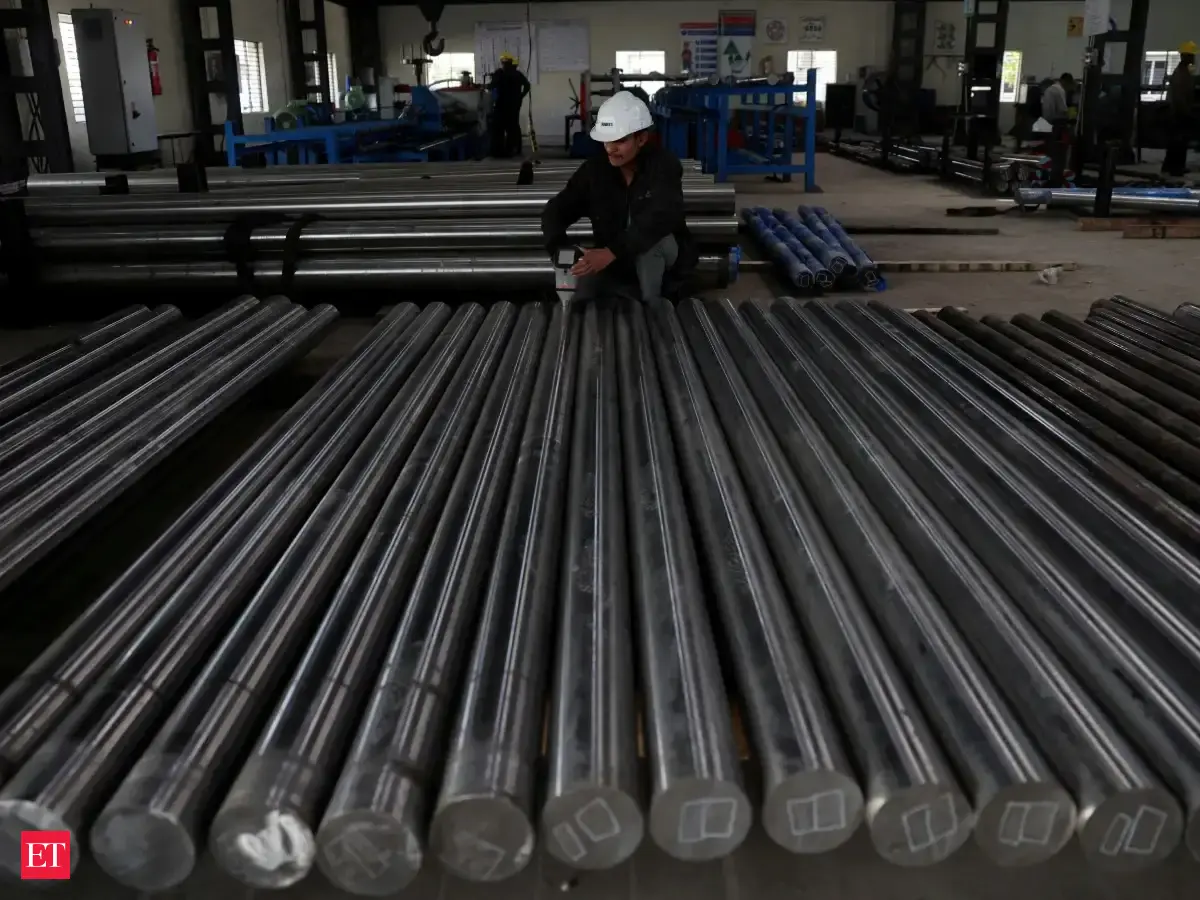
India has unveiled a new draft national steel policy targeting 604 million tonnes capacity by 2047. The initiative also aims to increase exports to 45 million tonnes in two decades. Measures will focus on reducing carbon emissions and promoting technology indigenisation in steel production. Infrastructure development will be emphasized alongside research, safety, and workforce improvements. View More
New Delhi: India rolled out a new draft national steel policy targeting 604 million tonnes capacity by 2047 from around 220 million tonnes currently and a per capita consumption of 302 kg from 116 kg late Saturday. The draft policy aims to raise steel exports to 45 million tonnes in the next two decades. The country's steel sector needs to move beyond capacity-led growth towards value creation, technological advancement and integration across the value chain, the draft policy said. The focus will be on indigenisation of technology and capital goods for steel production. The new policy seeks to promote greater use of steel in infrastructure, housing, transportation, renewable energy and emerging manufacturing sectors. Through measures such as high scrap utilisation, hydrogen-based direct reduced iron, biochar and gasified coal substitution, and carbon capture utilisation and storage, the ministry aims to cut the sector's average carbon emission intensity to around 1.54 metric tonnes of carbon dioxide emitted per metric tonne of crude steel produced (tCO₂/tcs) from 2.54 tCO₂/tcs, in line with India's net zero target. Also Read | Backward integration, captive power seen aiding profitability of secondary steel players PM Gati Shakti will be actively leveraged to map raw material availability, including iron ore, coal, manganese ore and other key inputs, against existing and potential steel consumption centres to identify optimal locations for new steel plants and capacity expansion. Railways are projected to carry about 49% of iron ore from 42% currently, while roadways are expected to carry around 9% from 28% now, removing the congestion and delays on roads. Slurry pipeline capacity is projected to be over 299 million tonnes a year by 2047. Live Events Similarly, railways are expected to carry 62% of finished steel from 40% now, while roadways share is expected to fall to 35% from 59%. The draft also seeks to prevent sub-standard steel imports, expand domestic production of high-value steel, and modernise secondary steel industries and MSMEs. Other priorities include increasing the use of artificial intelligence and automation, strengthening research and innovation, improving industrial safety and developing a skilled workforce. It also proposes strategic partnerships with emerging economies to secure critical raw materials, facilitate technology transfers, and expand India's presence in the global steel value chain. Also Read | Domestic steel demand to rise; in talks with the Netherlands government over steel production: Tata Steel CEO India has identified countries for collaboration based on opportunities in the steel value chain. Memoranda of understanding are already in place with Russia, Japan, South Korea, Brazil and Indonesia. Partnerships may include long-term offtake agreements, mining asset acquisitions, beneficiation plants and strategic joint ventures. The policy also provides for identifying new opportunities for international collaboration. .Pbanner{display:flex;justify-content:space-between;align-items:center;background-color:#ec1c40;margin-top:20px;padding:5px 10px;border-radius:4px;color:#fff;line-height:10px;width: 100%;box-sizing: border-box} .Pbannertext{display:flex;align-items:center;font-size:16px;font-weight:600;font-family:'Montserrat';} .Pbannertext img{height:20px;margin:0 6px} .Pbannerbutton a{display:flex;align-items:center;background-color:#fff;color:#ec1c40;text-decoration:none;font-weight:600;padding:4px 8px;border-radius:6px;font-size:15px;font-family:'Montserrat';} .Pbannerbutton img{height:20px;margin-right:6px} .Pbannerbutton a:hover{background-color:#f7f7f7} Add as a Reliable and Trusted News Source Add Now! (You can now subscribe to our Economic Times WhatsApp channel) (You can now subscribe to our Economic Times WhatsApp channel)


BMW Industries has begun manufacturing colour-coated steel to meet growing domestic demand from key sectors such as infrastructure, auto and consumer goods, the company's Managing Director Harsh Bansal said.
The new colour-coated steel line, commissioned on Monday, is part of the company's ongoing Rs 800-crore expansion plan at Bokaro in Jharkhand, aimed at offering special steel products, Bansal said.
Kolkata-based BMW Industries has until now manufactured steel coils, sheets, pipes and TMT rebars.
"We have commenced the first phase of our greenfield downstream steel complex with the colour coating line. With this, we have joined the select group of producers in India. The line has been set up as part of the government's PLI Scheme for Speciality Steel," he said.
Launched in 2021 by the steel ministry with an outlay of Rs 6,322 crore, the first round of the PLI Scheme aims to promote the manufacturing of value-added steel grades in the country and help the Indian steel industry .. View More
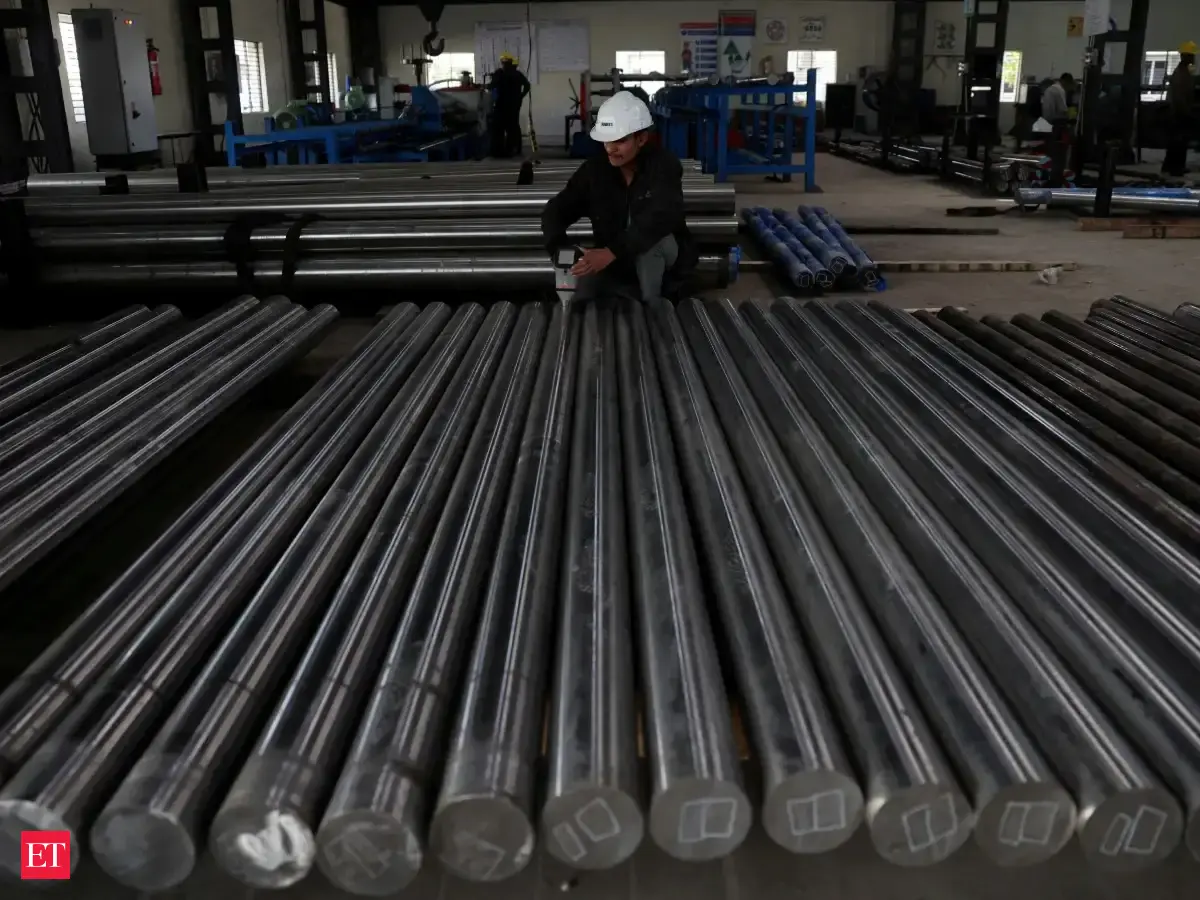
India's government has introduced a draft steel policy for public consultation, targeting a steel capacity of 604 million tons by 2047. The policy aims to reduce the carbon-emission intensity for crude steel production from 2.54 tons to 1.54 tons. It also plans to secure access to high-grade iron ore reserves through joint ventures and foreign assets. Coking coal demand is expected to reach 236 million tons, necessitating diversifying sourcing strategies. View More
The government, late on Saturday, introduced a draft steel policy for public consultation which targets 604 million metric tons of steel capacity by 2047 from the current 220 million tons level, as reported by Reuters News. Reuters had earlier reported that the policy gives plans to reduce emmissions from sectors and improve access to coking coal and iron ore which are major raw materials and are anticipated to meet expected demand. Also Read: India steel ministry unlikely to seek new curbs on cheap imports, government source says The draft steel policy is looking to slash the industry's average carbon-emission intensity to around 1.54 tons of carbon dioxide for every ton of crude steel by 2047 from the present 2.54 tons, coming in tandem with the country's net zero emission goal for 2070, as reported by Reuters. India's steel ministry is expecting iron ore demand to reach 772 million tons and is planning to keep access secured for high-grade reserve by looking for joint ventures and foreign assets, according to the report. Live Events The ministry further expects coking coal demand at 236 million tons, with India planning to diversify sourcing. According to a PTI report, the draft policy stated that manufacturing and infrastructure will remain the primary drivers of steel demand, as Construction and infrastructure currently account for about 67 per cent of steel consumption, while automobiles, engineering goods, appliances and packaging contribute another 28 per cent. The latest policy projected coking coal demand at 236 million tonnes by 2047, up from 72 million tonnes in 2025, while iron ore demand is projected at 772 million tonnes, up from 299 MT in 2025. The NSP 2017 had estimated India's coking coal demand at 99 MT and coking coal at 299 MT. .Pbanner{display:flex;justify-content:space-between;align-items:center;background-color:#ec1c40;margin-top:20px;padding:5px 10px;border-radius:4px;color:#fff;line-height:10px;width: 100%;box-sizing: border-box} .Pbannertext{display:flex;align-items:center;font-size:16px;font-weight:600;font-family:'Montserrat';} .Pbannertext img{height:20px;margin:0 6px} .Pbannerbutton a{display:flex;align-items:center;background-color:#fff;color:#ec1c40;text-decoration:none;font-weight:600;padding:4px 8px;border-radius:6px;font-size:15px;font-family:'Montserrat';} .Pbannerbutton img{height:20px;margin-right:6px} .Pbannerbutton a:hover{background-color:#f7f7f7} Add as a Reliable and Trusted News Source Add Now! (You can now subscribe to our Economic Times WhatsApp channel) (You can now subscribe to our Economic Times WhatsApp channel)

Policy ?lays out plans to ?cut ?sector emissions and shore ?up access to iron ore and coking coal View More

The region has a strong industrial base to build on as India advances towards its 300 mt steel capacity ambition by 2030, says NMDC official View More

Trump’s security argument for steel tariffs is not just hollow, it has hurt US steel users and set American manufacturing back. Essar plans a steel plant in Iowa, a swing state vital to Trump’s political party, but how far should protectionism go? View More
The Supreme Court has made a significant ruling in favor of the Goa government's approach to managing iron ore dumps. This decision allows former mining leaseholders to clear their inventory mine dumps without conducting a public auction. The court stressed the critical need for environmental protection in this context, cautioning against dire outcomes. View More
New Delhi: Upholding the Goa government's policy on regulating iron ore dump handing, the SC on Thursday ruled that the state can permit former mining leaseholders to remove and dispose of inventoried mining dumps lying outside their lease areas on private or government lands without conducting a fresh public auction. A bench led by Chief Justice Surya Kant said that environmental protection in these cases is one of the biggest issues. If someone creates any obstruction in the cycle of removal and placement of mineral dumps, it can lead to very serious environmental consequences, it said. "First, an entity has to identify the exact material, what is saleable and what is not saleable, then it has to determine who will undertake the process, segregate the material, evaluate it, invite tenders, deal with challenges to those tenders and settle the conditions. Because of this process, the material will remain dumped there, leading to very serious consequences, therefore, it is also in the public interest that the material is moved from there," the CJI said while refusing to interfere with the Bombay High Court order that upheld Clause 2(2) of the Policy for Regulating Iron Ore Dump Handling in Goa. .Pbanner{display:flex;justify-content:space-between;align-items:center;background-color:#ec1c40;margin-top:20px;padding:5px 10px;border-radius:4px;color:#fff;line-height:10px;width: 100%;box-sizing: border-box} .Pbannertext{display:flex;align-items:center;font-size:16px;font-weight:600;font-family:'Montserrat';} .Pbannertext img{height:20px;margin:0 6px} .Pbannerbutton a{display:flex;align-items:center;background-color:#fff;color:#ec1c40;text-decoration:none;font-weight:600;padding:4px 8px;border-radius:6px;font-size:15px;font-family:'Montserrat';} .Pbannerbutton img{height:20px;margin-right:6px} .Pbannerbutton a:hover{background-color:#f7f7f7} Add as a Reliable and Trusted News Source Add Now! (You can now subscribe to our Economic Times WhatsApp channel) (You can now subscribe to our Economic Times WhatsApp channel)

JSW Steel on Thursday said that its consolidated crude steel production increased by 5 per cent to 7.27 million tonnes (MT) in the second quarter of the current financial year.
The company's crude steel output was 6.95 MT in the year-ago period.
The production at the company's Indian operations rose by 5 per cent year-on-year to 7.07 million tonnes during the second quarter, over the corresponding quarter.
In a regulatory filing to BSE, the company said that the capacity utilisation of its Indian operations stood at 88 per cent during the July-September quarter of FY27. It improved to about 90 per cent in September 2026, as Blast Furnace 3 at the Vijayanagar plant gradually ramped up production following its shutdown for capacity upgradation.
The company's consolidated production in the first half of the current fiscal year rose by 4 per cent to 13.86 MT, over 13.32 MT in the year-ago period, the filing said.
JSW Steel is the flagship business of the diversified, USD 25-billion JS View More