
Latest Sectors News

Watch experts explain how beginners can start a collection, what tends to hold value, when to buy used and how to avoid costly mistakes. View More
Auctioneer Aurel Bacs (C) smiles as spectators look on during the auction of a rare Patek Philippe steel watch manufactured in 1943, sold for 14 million CHF, at Phillips auction house in Geneva, on November 8, 2025. Valentin Flauraud | Afp | Getty ImagesThough smartphones and wearable devices like fitness bands can accurately tell time, many people still prefer using traditional watches whether for convenience, aesthetics or an appreciation of a well-constructed analog device. In fact, though the luxury market has been in a bit of a slump, watches are a big industry, with a global market exceeding $135 billion and annual growth projections exceeding 5.6%, according to the data aggregator Statista. A watch can convey status or accessorize an outfit, but they're also popular as collectibles. For beginners, watch collecting is best treated as a hobby first: Most watches lose value, while those that do appreciate can be difficult to identify and buy at retail. CNBC recently spoke with experts in the business to find out what a beginner might want to consider when starting a watch collection. Start collecting for love, not for investment returns First and foremost, building a collection because you enjoy the looks, mechanical details or history of watches can be satisfying. Collectibles are also becoming more accepted as an alternative investing asset class. But experts advise that you aren't likely to outperform more traditional investments. Charles Tian, the founder and CEO of WatchCharts, a market-research platform that tracks used-watch prices, explained that it's possible to make money buying and selling watches, but collectors are unlikely to beat investments such as an S&P 500 Index over the long term. "I would not get into watch collecting purely from a financial perspective," Tian said. He noted, however, that desirable watches can still appreciate over time, pointing out that the Rolex Submariner â a diving-style watch that retails new starting at roughly $10,000 â tripled in value on the secondary market from 2010 to a peak price in 2022 during the Covid-era collectibles boom. New Rolex Submariner watches are displayed during the presentation of the New Rolex Collection at Barcelona International Boat Show on November 12, 2010 in Barcelona, Spain. David Ramos | Getty Images Entertainment | Getty Images"As a collector and watch enthusiast you'd expect me to say that watches are a great investment, but they mostly aren't," said Mike Johnson, founder of WatchPatrol, a site that aggregates data on the secondary watch market. "The majority of watches depreciate and it's hard to tell which new references will ascend into 'modern classic' territory."In its index over the past year, quality timepieces such as the Breitling Superocean 42 and the Panerai Luminor GMT both saw material declines in value. "These are fine watches with shrinking prices, and that's the normal case, not the exception," Johnson said. There are some exceptions, of course. In special (and exceedingly rare) cases, a watch can appreciate dramatically. For instance, a Rolex Daytona owned by actor Paul Newman, a watch which originally retailed at a price as low as $210 in 1972, sold at auction in 2017 for a then-record $17.8 million. What makes a watch desirable and what holds value Many factors affect the desirability of a watch. While there are roughly 450 Swiss watch brands, sales are concentrated in top brands, including Rolex, Cartier, Patek Philippe, Audemars Piguet, Omega, and Richard Mille, according to an annual report on watchmakers from Morgan Stanley and LuxeConsult. "Brand reputation will usually be the most significant driver, but rarity, where it was manufactured, and a documented history of ownership are also major factors," said Sean Makovsky, the manager of the luxury division at Max Pawn, a Las Vegas-based pawn broker that deals in watches and other valuables. "Limited editions, retired models or watches tied to significant events tend to attract collectors," he added. The watch brands experts most frequently cited for appreciating (or at least holding) their value are Rolex, Audemars Piguet and Patek Philippe. Recent prices for new watches from these brands started at $6,200, $11,300, and $18,000 respectively, but pricing in the market is always subject to change and the luxury market can be volatile. A Patek Philippe 5236P-010 In-Line Perpetual Calendar watch displayed in the window of a Bucherer AG luxury watch boutique in New York, US, on Sunday, Aug. 3, 2025. Bloomberg | Bloomberg | Getty ImagesIf you can buy a new watch from one of these brands from a certified dealer at retail price, you might be able to sell it immediately on the secondary market for a profit, Tian said. But that might not be easy. Johnson said it can be difficult to obtain a hot selling watch from a dealer. "You're on a wait list, and the boutique decides when and whether you get to buy," he explained. "In general, prices on the pre-owned market are a bit softer than new watches, especially when they are still available," said Robert-Jan Broer, founder of Fratello Watches, an online horology magazine based in the Netherlands. "However, this is not the case for watches that have such a high demand that they can't be easily bought new. Many Rolex sports models, but also watches from Patek Philippe and Audemars Piguet are simply unavailable new because the market is hot for them." Other collectible watch brands The Swiss brand Vacheron Constantin is also collectible, but generally does not hold value on the secondary market as well as Audemars Piguet, Patek Philippe or Rolex. New prices for a Vacheron Constantin start at $14,300 and the brand appeals to collectors for the beauty and craftsmanship of its watches. The brand also has historic appeal; it was established in 1755 and is the oldest watchmaker in continuous operation. Some less expensive watches also draw interest from collectors. Johnson cited vintage Seiko diver watches, Omega sports watches, and modern Tudor watches as decent collectibles. "The discontinued Seiko SKX007 dive watch trades around $257 and creeps up a little every year, which is about as dependable as watch values get at that price," Johnson said. He called out the Hamilton Khaki Field and Tissot PRX as popular entry points for new collectors, with used prices in the range of $400. A man studies a Seiko quartz saturation divers watch at the BaselWorld watch fair on March 22, 2018 in Basel, Switzerland. Leon Neal | Getty Images News | Getty ImagesMakovsky also cited Hamilton automatic watches along with vintage Bulova Accutrons as offering value and long-term collectability without requiring a substantial investment. At the other end of the affordability spectrum, Tian said MB&F (Maximilian Büsser & Friends), F.P. Journe, and Richard Mille are collectible brands that can also hold their value. New watches from these brands start at start at $3,300, $15,000, and $120,000, respectively. Aside from the samples noted above, most watches can be expected to lose value over time. That doesn't mean they can't be collected, just that it might be wiser to buy used. "For most brands, you can get a used watch in great condition, for 40-50% off on the secondary market, Tian said. New or used? Buying new or pre-owned watches comes down to circumstances and personal preference. "Buying new is simple," Johnson said. "You get a warranty, a brand new product, and the satisfaction of being the only person to ever wear it." "The secondary market is a little more nuanced," Johnson said. "Everything on the used market already has the retail depreciation baked into the price and every single discontinued reference can be found somewhere, if you look hard enough. The trade-offs are real though: no warranty, mysterious service histories, and you have to do your own homework on both the watch and the seller. The money you save buying used could easily be lost to a surprise service or repair bill." When buying used, it pays to be extra diligent. "Condition is critical," noted Makovsky, "An unpolished case, original dial, matching serial numbers, original bracelet, and complete box and papers can add substantial value. In many cases, two seemingly identical watches can differ in value by thousands of dollars simply because one is completely original and the other has replacement parts or has been over-restored." Additional costs, mechanical issues, and scammers Though there are digital watches that people collect and trade â such as the Casio G-Shock, which ranges in price from $40 to $80,000 â most high-end collectible watches are mechanical and operate through the complex interplay of tiny gears, forks, levers and springs. These wear out with regular use. A mechanical watch typically needs servicing every seven to 10 years, according to the experts, and cost depends on the brand, type and model of watch. This can be as low as $200-300, but more expensive watches, or those with mechanical complications such as dials for power-reserve, dates or the phases of the moon can cost thousands of dollars for one service or repair. "Repair costs as such are hard to predict," Broer said. "If it needs a new crystal, winding crown, etc., the prices are fairly low. But if there's something wrong with the mechanism inside, or a special dial is cracked or damaged, it can become very expensive." G-Shock Casio shop in Fuencarral street on May 23, 2026 in Madrid, Spain. Cristina Arias | Cover | Getty ImagesProper storage is an essential part of protecting and preserving a luxury watch collection. "Watches should be kept in a dry, secure environment away from magnets, excessive humidity, and extreme temperatures, all of which can negatively affect their performance and long-term condition," Makovsky said. "A high-quality safe provides both security and a stable environment for most collections. For particularly valuable collections, professionally managed vault storage may be appropriate, offering an added layer of protection against theft, damage, and environmental risks." Equally important is preserving everything that came with the watch. "Original boxes, warranty cards, certificates, manuals, hang tags, receipts, and service records should be kept in excellent condition and stored safely," Makovsky said, noting that a complete set of original packaging and documentation can significantly increase a watch's value. Finally, look out for shady business practices or outright scams when buying or selling a watch. "Where there's money to be made, there are crooks," Broer said. He said it's important to deal with trusted sources, including authorized dealers and brand boutiques. He noted that collectors can look into the reputation of those they deal with through word of mouth or when these companies have a good rating on watch marketplace sites, such as Chrono24. "Outright fakes are the famous problem, but the sneakier one is the 'franken-watch'," Johnson said. He explained that some dishonest sellers will combine components of different watches together and try to sell it as all-original. Other issues are scratched, damaged, or overly polished watches sold as mint, sellers who disappear after receiving payment, and shill bidding at online auctions. "Even a completely genuine watch can come attached to a dishonest deal," Johnson said. "The defense is to use common sense: buy the seller before you buy the watch." He also recommended that watch enthusiasts use payment methods with recourse, insist on original photos and serial numbers, and get anything expensive authenticated by an independent watchmaker. watch nowVIDEO8:2908:29Collectibles have become an accepted alternative asset, says Ken GoldinSquawk Box Choose CNBC as your preferred source on Google and never miss a moment from the most trusted name in business news.

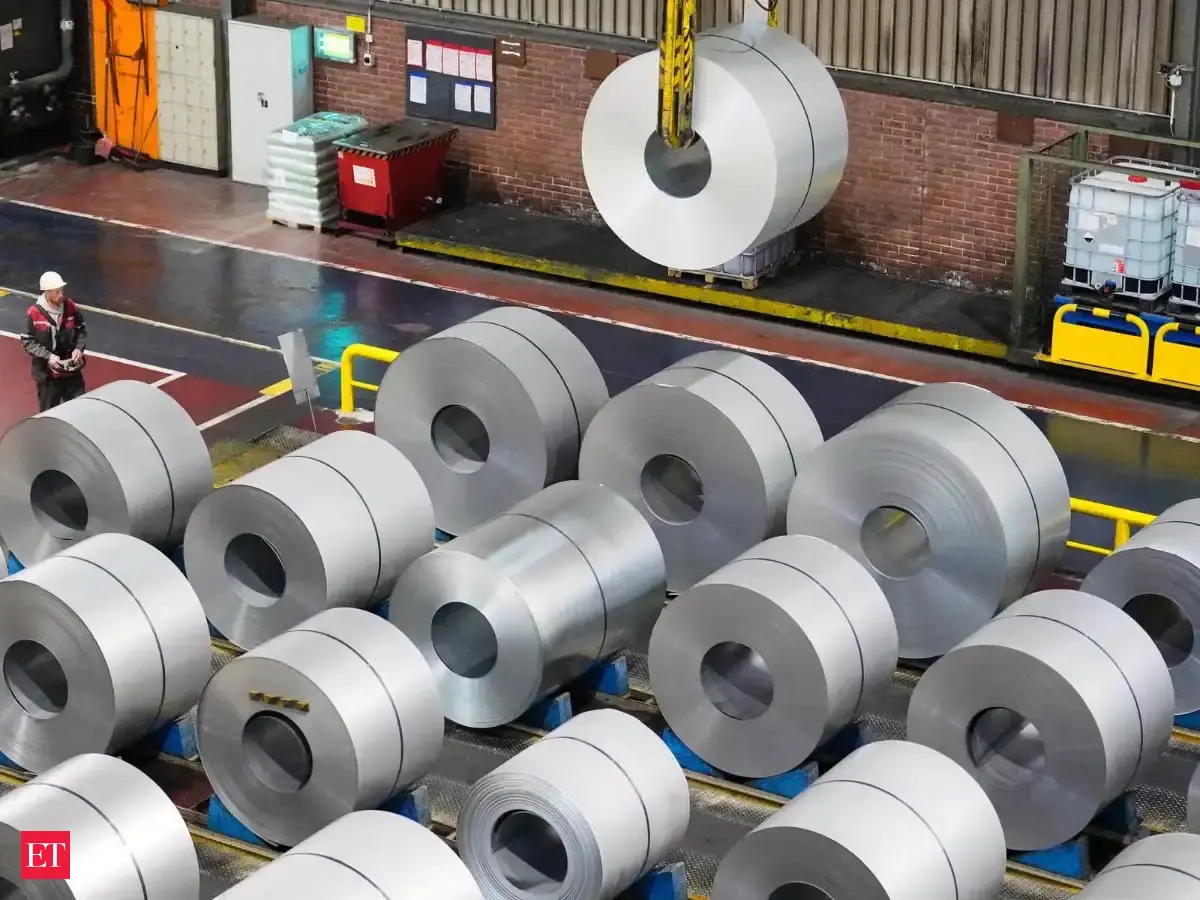
The Steel Ministry has instructed state-run steelmakers SAIL and NMDC to explore overseas mineral assets. This effort aims to secure long-term raw material supplies necessary for steel production. Indian steelmakers currently rely heavily on imports for coking coal and limestone, which increases their costs. Diversifying mineral portfolios could also benefit NMDC as it seeks to enhance its revenue streams. View More
The Steel Ministry has asked state-run steelmakers SAIL and NMDC to explore mineral assets overseas as India looks to secure long-term supplies of key raw materials and contain input costs, a senior ministry official said. The official confirmed that Steel Authority of India Ltd (SAIL), the country's largest public sector steelmaker, and NMDC, India's leading iron ore producer, have been asked to look for mining opportunities abroad. Also Read: India needs competitive capabilities, import diversification: PK Mishra The move is aimed at securing future raw material requirements and reducing costs, the official said, without providing further details. Iron ore and coking coal are among the key raw materials used in steelmaking, along with limestone and pulverised coal injection (PCI) coal. Live Events While India has abundant iron ore reserves , domestic steelmakers, including SAIL, remain heavily dependent on imports to meet their coking coal requirements. Around 85-90% of India's coking coal needs are met through imports from countries such as Australia and Mozambique. Indian steelmakers also import limestone, including from the West Asia region. The push for overseas assets comes as steel companies look to gain greater control over their raw material supplies and reduce exposure to volatile international prices. Private sector steelmaker JSW Steel has also acquired coking coal assets overseas as part of its strategy to meet 50% of its raw material requirements through captive sources. Also Read: New steel policy draft ready, to set 2047 road map: Secretary For NMDC, the overseas push could also fit into its broader strategy of diversifying its mineral portfolio . The company, which is primarily focused on iron ore production, is looking to expand into the exploration and production of other minerals to meet the growing requirements of industries, including steel. NMDC Chairman Amitava Mukherjee recently said that by 2030, his goal is to earn at least 20% of the company's revenues from the sale of minerals other than iron ore. For India, securing mineral resources abroad could give steel producers greater visibility over supplies while helping them manage one of the biggest components of their production costs. .Pbanner{display:flex;justify-content:space-between;align-items:center;background-color:#ec1c40;margin-top:20px;padding:5px 10px;border-radius:4px;color:#fff;line-height:10px;width: 100%;box-sizing: border-box} .Pbannertext{display:flex;align-items:center;font-size:16px;font-weight:600;font-family:'Montserrat';} .Pbannertext img{height:20px;margin:0 6px} .Pbannerbutton a{display:flex;align-items:center;background-color:#fff;color:#ec1c40;text-decoration:none;font-weight:600;padding:4px 8px;border-radius:6px;font-size:15px;font-family:'Montserrat';} .Pbannerbutton img{height:20px;margin-right:6px} .Pbannerbutton a:hover{background-color:#f7f7f7} Add as a Reliable and Trusted News Source Add Now! (You can now subscribe to our Economic Times WhatsApp channel) (You can now subscribe to our Economic Times WhatsApp channel)

According to Brasil 247, the company is also considering an investment of around R$5 billion to expand its Pecém plant in Ceará with a new hot-rolled coil production line View More

The Steel Ministry has asked its undertakings, SAIL and NMDC, to explore mineral assets abroad to help secure long-term raw material requirements and support input costs, an official said.
Steel Authority of India Ltd (SAIL) is India's largest public sector steel-making entity, and NMDC is the country's leading iron ore player.
On a query on whether steel PSUs, especially SAIL and NMDC, have been asked to look for mining assets abroad, the senior ministry official replied in the affirmative.
The move will help secure future requirements and reduce cost, the official said without sharing further details.
Iron ore and coking coal are two basic raw materials needed to produce steel, besides limestone and pulverised coal injection (PCI Coal), among others.
While iron ore is available in abundance in the country, Indian steel makers, including SAIL, remain heavily dependent on imports for 85-90 per cent of their coking coal requirements from countries such as Australia and Mozambique. View More

South Korea remains cautious on Alaska LNG amid concerns over its high costs and commercial risks. View More
In this article@NG26XFollow your favorite stocksCREATE FREE ACCOUNT Mike Dunleavy, governor of Alaska, from left, Howard Lutnick, US commerce secretary, US President Donald Trump, Senator Dan Sullivan, a Republican from Alaska, and Doug Burgum, US secretary of the interior, during an announcement in the Oval Office of the White House in Washington, DC, US, on Wednesday, Sept. 30, 2026. Trump unveiled plans for South Korea to invest $200 billion in US energy projects, including eight nuclear power plants, a Texas power generation facility and an Alaska natural gas export venture. Photographer: Yuri Gripas/Abaca/Bloomberg via Getty ImagesBloomberg | Bloomberg | Getty ImagesSouth Korea is taking a cautious approach to the long-planned Alaska liquefied natural gas project, despite U.S. President Donald Trump touting it as part of Seoul's $200 billion investment package in the U.S.Trump said late Wednesday that the two countries had agreed to work on the $50 billion project, but South Korean President Lee Jae Myung pushed back, saying South Korea's participation would hinge on its financial viability and legal compliance.Alaska LNG situationAt the heart of the debate is the scale and cost of getting Alaska's vast natural gas resources to overseas buyers.The Alaska LNG project seeks to transport natural gas through an approximately 800-mile pipeline from Prudhoe Bay in Alaska's North Slope to an LNG facility in Nikiski in the south, according to the Alaska Gasline Development Corporation.The integrated project, which would have capacity to produce 20 million metric tons of LNG annually, is estimated to cost between $44.5 billion and $54.5 billion, according to Go Katayama, principal insight analyst at Kpler.Why is South Korea cautious?Shipping LNG from Nikiski to South Korea would take roughly seven to nine days, compared with around 20 to 30 days from the U.S. Gulf Coast, according to Seung Hoon Yoo, professor at the Department of Future Energy Convergence at Seoul National University of Science and Technology.The shorter route could significantly reduce transportation costs and also avoids geopolitical chokepoints such as the Strait of Hormuz, Yoo said.But those savings come up against the cost of building a roughly 1,300-kilometer pipeline from Alaska's North Slope to the liquefaction terminal in the south."The economics of Alaska LNG is expensive given the long pipeline versus other LNG projects," said Kit Ling Wong, head of business intelligence for Asia Pacific at Poten & Partners. "It will not be the cheapest supply for South Korea."Wong said LNG supplies from Australia, the U.S. and Qatar would all be cheaper. While Alaska's shorter shipping distance helps, she said the project's overall capex can build three U.S. Gulf projects.For South Korean buyers, the key question is whether the shorter route can translate into a competitive landed LNG price compared with alternatives such as LNG Canada, the U.S. Gulf Coast and Middle Eastern supply, Kpler's Katayama said.South Korea's caution also reflects the risk of cost overruns and uncertainty over long-term LNG demand. The project's lengthy construction timeline and challenging terrain could push costs higher, while slowing demand could leave buyers locked into take-or-pay contracts lasting 20 years or more, Yoo said.Katayama similarly said an expected decline in South Korea's gas demand from the power sector is making buyers more selective about taking on additional long-term LNG commitments.South Korea also has to balance its strategic and trade relationship with the U.S. against the project's commercial merits, Yoo said. Maintaining its focus on commercial viability could help Seoul retain negotiating leverage to seek additional U.S. guarantees or financial support, he added. What still needs to happen?For South Korean buyers and investors, the ultimate test will be the landed cost of Alaska LNG after accounting for feedgas, pipeline, liquefaction, financing, taxation and shipping costs, Katayama said.Greater certainty around the project's fiscal framework, financing, construction and permitting risks, as well as the extent of U.S. government support, will also be important, he added.South Korean commercial involvement in the project remains preliminary. POSCO International has a non-binding agreement covering potential purchases of 1 million metric tons of LNG annually for 20 years as well as steel supply for the pipeline, according to Katayama. He said that the agreement is separate from any broader South Korean government investment commitment.Additional U.S. government support, including tax incentives and financial assistance, would also be important, along with opportunities for South Korean companies to participate in the project's construction, engineering, equipment supply and LNG shipping, rather than serving solely as LNG buyers, Yoo added.â CNBC's Ying Shan Lee contributed to this report.  Choose CNBC as your preferred source on Google and never miss a moment from the most trusted name in business news.

Vedanta Limited's dividend history includes 49 payouts since 2001. Post-demerger, Vedanta Aluminium Metal is the only segment to declare dividends, offering ?8 per share. View More
Shyam Metalics and Energy has signed an agreement with the Maharashtra government for a significant investment. This investment will establish a greenfield steel complex in Chandrapur with a capacity of 9 million metric tonnes per year. The project is expected to create approximately 30,000 jobs, which includes both direct and indirect employment. Operations for the new steel plant are anticipated to commence in the ongoing financial year, pending necessary approvals. View More
India's Shyam Metalics and Energy on Friday said it has signed a deal with the Maharashtra government to invest 500 billion rupees ($5.19 billion) to set up a steel plant in the western state. The integrated metal producer will build a 9 million-metric-tonnes-per-year greenfield steel complex in Chandrapur in the state's Vidarbha region, the company said in an exchange filing. The project is expected to create around 30,000 jobs, including 10,000 direct and 20,000 indirect roles. The move is part of the company's expansion beyond its eastern India stronghold, where it has also announced investments in states such as Odisha, West Bengal and Jharkhand. The steel plant is slated to begin operations in the ongoing financial year, subject to approvals, clearances and incentives. .Pbanner{display:flex;justify-content:space-between;align-items:center;background-color:#ec1c40;margin-top:20px;padding:5px 10px;border-radius:4px;color:#fff;line-height:10px;width: 100%;box-sizing: border-box} .Pbannertext{display:flex;align-items:center;font-size:16px;font-weight:600;font-family:'Montserrat';} .Pbannertext img{height:20px;margin:0 6px} .Pbannerbutton a{display:flex;align-items:center;background-color:#fff;color:#ec1c40;text-decoration:none;font-weight:600;padding:4px 8px;border-radius:6px;font-size:15px;font-family:'Montserrat';} .Pbannerbutton img{height:20px;margin-right:6px} .Pbannerbutton a:hover{background-color:#f7f7f7} Add as a Reliable and Trusted News Source Add Now! (You can now subscribe to our Economic Times WhatsApp channel) (You can now subscribe to our Economic Times WhatsApp channel)
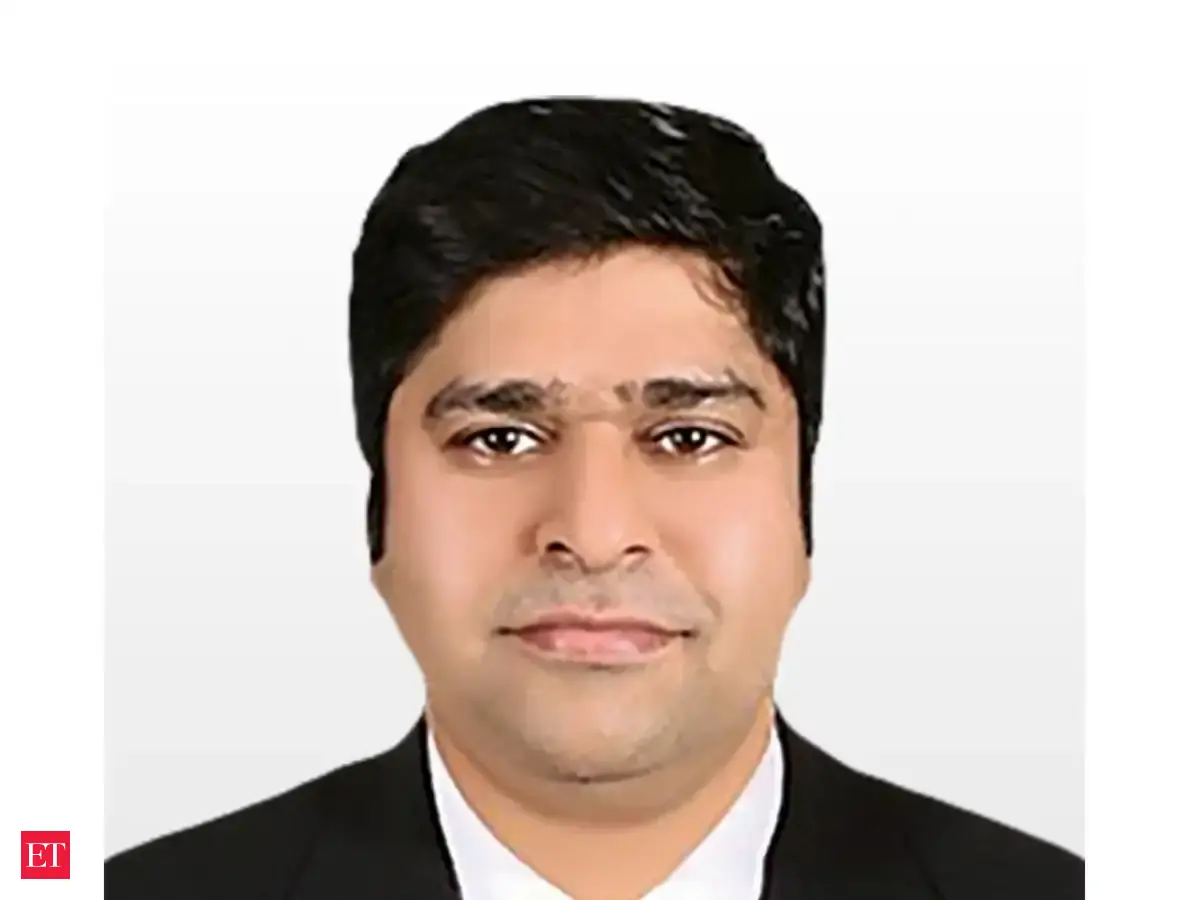
Vedanta Copper announced plans to invest $2.3 billion over three to four years to increase its output. The company aims to produce 500,000 tonnes of copper in India and 500,000 tonnes in Saudi Arabia. Officials are in advanced discussions to potentially restart the Tuticorin smelter, which has been inactive since 2018. If approved, they will invest $250 million to refurbish and restart this facility to enhance operations. View More
Mumbai: Vedanta Copper plans to spend around $2.3 billion over three to four years to help expand output beyond 1 million tonnes by the end of the decade, a top executive told ET. This includes a possible restart of its smelter on the Tamil Nadu coast in India, which has been shut for more than eight years, a key executive told ET. Vedanta Copper is currently a part of Vedanta Ltd , which also houses its zinc-lead and silver business. Other group companies have operations across aluminium, zinc, lead, silver, oil and gas, power, iron and steel. Also Read: Vedanta plans $200 million push to lift Rajasthan oil output "We are going to produce 500,000 tonnes of copper in India, and another 500,000 tonnes in Saudi Arabia," Puneet Khurana, chief executive officer, Vedanta Copper, told ET. "We are already producing 100,000 tonnes in Fujairah in the UAE." Around $2 billion of the company's planned capital expenditure will be used for integrated operations in Saudi Arabia - where it is planning a rod mill, a smelter and mining. "The rod mill, on which we spent $33 million, is on the verge of commissioning," Khurana said. "We have a mine in Jabal Sayid (in Saudi Arabia), which is very rich in copper, gold and zinc, and we are also working on that," he said. Live Events For the copper smelter in the region, the company is in advanced discussions with the government, and is likely to take a call in the current quarter itself, Khurana said. In India, it had an output of 170,000 tonnes of copper cathodes from its plant in Silvassa in fiscal 2026. "As of now, we are producing more than 245,000 tonnes (annually) in Silvassa, which is at 95% capacity. We are also working to start the Tuticorin smelter," he said. Also Read: Vedanta group announces Rs 1 lakh crore investment drive in Odisha; targets 50,000 jobs The company's 400,000-tonne smelter at Tuticorin in Tamil Nadu, which was operational for over two decades, was ordered shut by the government in 2018 on account of environmental concerns. "Once the Tuticorin asset is back, it will contribute 250,000 tonnes. A green copper proposal is already in court, and we are expecting a decision in three months' time," Khurana said. If the proposal gets a go-ahead, Vedanta plans to spend $250 million on refurbishing and restarting operations at the plant within an eight-to-nine months time frame, with an additional focus on renewable energy, recycling, and environmental compliance, he said. .Pbanner{display:flex;justify-content:space-between;align-items:center;background-color:#ec1c40;margin-top:20px;padding:5px 10px;border-radius:4px;color:#fff;line-height:10px;width: 100%;box-sizing: border-box} .Pbannertext{display:flex;align-items:center;font-size:16px;font-weight:600;font-family:'Montserrat';} .Pbannertext img{height:20px;margin:0 6px} .Pbannerbutton a{display:flex;align-items:center;background-color:#fff;color:#ec1c40;text-decoration:none;font-weight:600;padding:4px 8px;border-radius:6px;font-size:15px;font-family:'Montserrat';} .Pbannerbutton img{height:20px;margin-right:6px} .Pbannerbutton a:hover{background-color:#f7f7f7} Add as a Reliable and Trusted News Source Add Now! (You can now subscribe to our Economic Times WhatsApp channel) (You can now subscribe to our Economic Times WhatsApp channel)

"Operation Economic Outcast" was touted by President Donald Trump as Iran's "economic D-Day" when Treasury Secretary Scott Bessent unveiled it in August. View More
U.S. Treasury Secretary Scott Bessent testifies during a House Committee on Financial Services hearing in the Rayburn House Office Building on Capitol Hill on Sept. 15, 2026 in Washington, DC.Chip Somodevilla | Getty ImagesThe Treasury Department on Thursday sanctioned Iran's automotive and rail sectors as part of the Trump administration's wartime effort to hobble Tehran by cutting off its remaining financial lifelines.Several companies connected to Iran's metals industry, including the Chinese subsidiary of Middle East machinery company HEPCO, are also being designated by the Office of Foreign Assets Control, Treasury said in a news release.In a separate release, the department announced additional sanctions on the A7 Network, described as a "shadow banking network with ties to Russia used by the Iranian regime to evade sanctions." The actions are the latest to come from "Operation Economic Outcast," the beefed-up sanctions effort that President Donald Trump and Treasury Secretary Scott Bessent touted as Iran's "economic D-Day" when it was unveiled in late August.Read more CNBC politics and policy coverageInside the China espionage case that ensnared former Fed advisor John RogersAI's coming roadblock in regulation: Antitrust hawksTrump holds up to $1 billion in bonds tied to institutions he can affectRep. James Comer expands House investigation into prediction market insider tradingAs with previous sanctions announcements, it was not immediately clear how much of an impact the new penalties would have on Iran, which has faced heavy sanctions for years. Several entities connected to the A7 Network were previously designated in August 2025. "The Iranian regime's ability to fund its war machine and inflict terror on the world has been severely diminished thanks to Operation Economic Outcast," Bessent said in Thursday's news release. "Today's action directly targets Iran's enablers and lays the groundwork for the United States and our partners to drain the regime's revenue once and for all," Bessent said.Treasury alleges Iran's automotive sector is deeply enmeshed with the country's Revolutionary Guard and serves as a "lucrative cash cow" for the regime, despite sustaining annual losses over $1 billion.In addition to targeting Iran's two main auto companies, OFAC is sanctioning foreign suppliers that continue to export auto parts to Iran. They include UAE-based Integrated Auto Parts LLC, Hong Kong's Hessenberg Co. and Tanex Global Trading Hong Kong Limited, Indonesia's PT Golden Motorcycle International and Turkey-based Troy Trading Arac Parcalari Sanayi Ve Ticaret Limited Sirketi.Treasury is also designating several Iranian rail companies, alleging Tehran has come to rely on the sector amid an ongoing U.S. naval blockade in the Gulf of Oman. And the department is designating two China-based steel companies, Shanghai Ruimi Import and Export Trade Co., Ltd. and M and R Steel Co., Ltd., among others.Operation Economic Outcast has drawn questions about whether the U.S. would extend its reach to China, Iran's top trading partner and oil buyer. Choose CNBC as your preferred source on Google and never miss a moment from the most trusted name in business news.