
Latest Sectors News

The upcoming facility will house 10 GW capacity each for solar ingots and wafers, forming a key part of India’s solar photovoltaic value chain View More
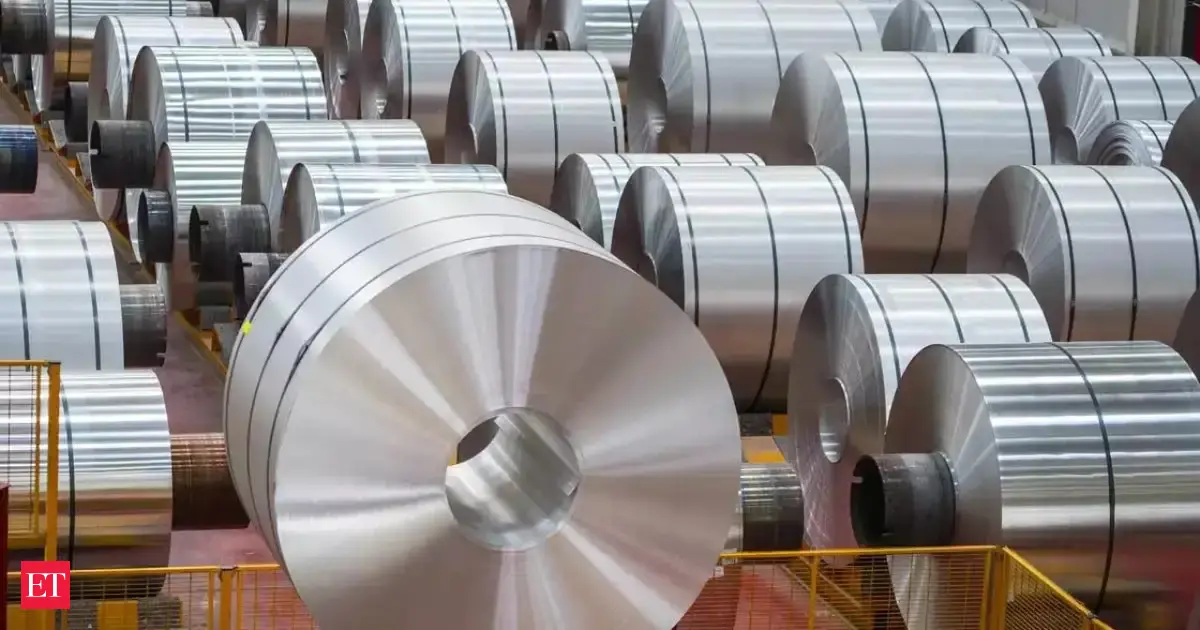
Addressing a gathering in the MIDC area of Telwasa in Bhadravati where he laid the foundation stones of the two mega projects, the Union Minister of Coal and Mines said the initiative will result in generation of high value items like ammonia nitrate, green steel and hydrogen, which need to be imported in large quantities at present. View More
Chandrapur: An integrated green steel plant and a coal gasification project will come up in Bhadravati in Maharashtra's Chandrapur district with an estimated investment of Rs 17,000 crore, providing jobs to more than 10,000 persons and giving a boost to the economy of Vidarbha, Union Minister G Kishan Reddy said on Saturday. Addressing a gathering in the MIDC area of Telwasa in Bhadravati where he laid the foundation stones of the two mega projects, the Union Minister of Coal and Mines said the initiative will result in generation of high value items like ammonia nitrate, green steel and hydrogen, which need to be imported in large quantities at present. "It is part of efforts to make India atmanirbhar, which is the vision of Prime Minister Narendra Modi. Coal plays a key role in the industrial development of the nation. Out of seven such projects nationwide, four are being established in this specific region," he said while lauding Chief Minister Devendra Fadnavis' leadership for keeping Maharashtra on course to become a USD one trillion economy. Addressing the gathering, Fadnavis said Vidarbha has abundant mineral wealth, and the two projects set to come up in Bhadravati aim to utilise these resources in a pollution-free manner. "Climate change poses a major global challenge, impacting industries and agriculture, and strong emphasis has been placed on utilizing mineral resources in a manner that ensures zero pollution. PM Modi and Union Minister Reddy have taken the initiative to facilitate mineral production using the world's most advanced technologies," he said. Live Events Furthermore, the local tourism sector also stands to benefit from this development, Fadnavis added. Listing development projects in Vidarbha, the CM said 'steel hub' is being developed in Gadchiroli, Chandrapur, Nagpur, Bhandara, and Gondia districts. "This region has already attracted investment of Rs 3 lakh crore, which is expected to generate employment opportunities for 100,000 people. The tribal youth from Gadchiroli are even pursuing education in Australia. The future of this sector lies in green steel. There is a 100 export market available for all the green steel produced by these industries," he asserted. He asked officials to ensure 70-80 per cent of jobs in these projects are earmarked for local youth to ensure development of the region. Currently, Maharashtra's economy is the 30th largest in the world and is bigger than that of several nations, the CM told the gathering. .Pbanner{display:flex;justify-content:space-between;align-items:center;background-color:#ec1c40;margin-top:20px;padding:5px 10px;border-radius:4px;color:#fff;line-height:10px;} .Pbannertext{display:flex;align-items:center;font-size:16px;font-weight:600;font-family:'Montserrat';} .Pbannertext img{height:20px;margin:0 6px} .Pbannerbutton a{display:flex;align-items:center;background-color:#fff;color:#ec1c40;text-decoration:none;font-weight:600;padding:4px 8px;border-radius:6px;font-size:15px;font-family:'Montserrat';} .Pbannerbutton img{height:20px;margin-right:6px} .Pbannerbutton a:hover{background-color:#f7f7f7} Add as a Reliable and Trusted News Source Add Now! (You can now subscribe to our Economic Times WhatsApp channel) (You can now subscribe to our Economic Times WhatsApp channel)

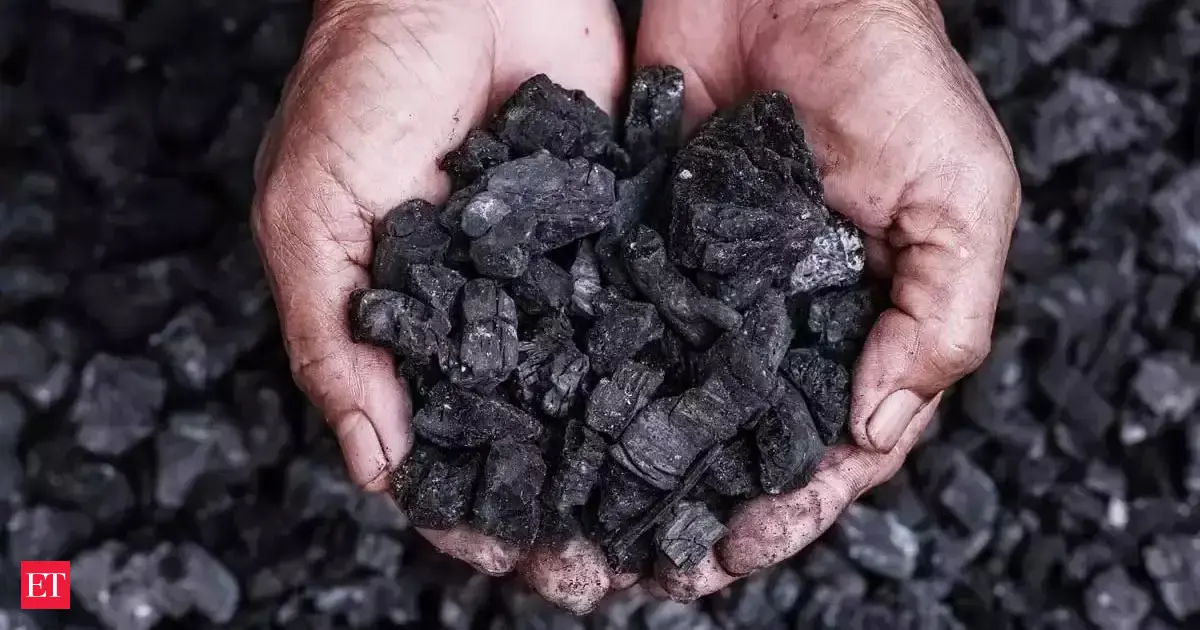
JSW Steel will develop the Minas de Revuboa coking coal mine in Mozambique. This project is part of JSW Steel's strategy for backward integration. The mine has significant reserves and will be developed in phases. The first phase aims to produce prime hard coking coal. This development will ensure long-term supply security for a crucial steel manufacturing input. View More
New Delhi: JSW Steel will develop Minas de RevuboA" coking coal mine in Mozambique in phases, a company statement said. Located in the Moatize coal basin of the Tete Province, Minas de RevuboA" has 850 million tonne (MT) of reserves, and the potential to yield 250 MT of usable coking coal. JSW Steel said it will develop the mine in phases, with the first phase expected to be developed over the next 2.5 years to produce 2.4 million tonne per annum (MTPA) prime hard coking coal . The project is a step towards JSW Steel's backward integration strategy and is expected to provide long-term supply assurance for one of the most critical and cost-intensive inputs in steel manufacturing. India's domestic premium coking coal resources remain limited, making captive overseas sourcing a strategic imperative. Live Events "As we grow to 50 MTPA steel capacity in India by 2030, we hope that this asset will provide strategic and diversified raw material security and cushion JSW Steel against volatile global coking coal prices, while fuelling our sustainable growth vision," Parth Jindal, JSW Group said. .Pbanner{display:flex;justify-content:space-between;align-items:center;background-color:#ec1c40;margin-top:20px;padding:5px 10px;border-radius:4px;color:#fff;line-height:10px;} .Pbannertext{display:flex;align-items:center;font-size:16px;font-weight:600;font-family:'Montserrat';} .Pbannertext img{height:20px;margin:0 6px} .Pbannerbutton a{display:flex;align-items:center;background-color:#fff;color:#ec1c40;text-decoration:none;font-weight:600;padding:4px 8px;border-radius:6px;font-size:15px;font-family:'Montserrat';} .Pbannerbutton img{height:20px;margin-right:6px} .Pbannerbutton a:hover{background-color:#f7f7f7} Add as a Reliable and Trusted News Source Add Now! (You can now subscribe to our Economic Times WhatsApp channel) (You can now subscribe to our Economic Times WhatsApp channel)

The market for higher-grade ore tightens. This instability exposes supply chain vulnerabilities. China faces pellet supply loss. Iron ore futures rise amid these disruptions. View More
Iron ore shipments are being disrupted by the worsening conflict in the Middle East, with some cargoes diverted mid-voyage to East Asia as war chokes one of the world’s most critical shipping lanes. At least three cargoes of iron ore mined by London-based Anglo American Plc , and two from Brazil’s Vale SA, have had their destinations changed, according to ship-tracking data from analytics company Kpler. Middle Eastern steelmakers rely heavily on imports of premium iron ore for the pellets used in direct reduced iron production — a lower-emissions method of making the precursor of steel. Oman and Bahrain are key pellet producers in the region, and the war is likely to tighten the market for higher-grade concentrates and pellets compared to other types of ore. “The current geopolitical instability exposes a clear vulnerability in an already concentrated supply chain,” said David Cachot, research director at Wood Mackenzie Ltd. “Disruption to pellet feed inflows or pellet exports from these facilities would quickly ripple through” the DRI sector, he said. Vessels Attacked Kpler’s data show Anglo’s Cape Shangrila vessel changing course from Bahrain to Singapore, while the Cape Jasmine is now headed to Vietnam instead of Bahrain and the Mineral Zimbabwe has switched from Oman to Qingdao in China. Two Vale ships bound for Oman have also been diverted, to China and Malaysia respectively. Live Events Anglo and Vale didn’t immediately respond to requests for comment. Other vessels have been forced to pause their journeys outside the Arabian Gulf, according to the Kpler data. The diversions underscore how the war is scrambling trade flows across commodities markets. Maritime traffic through the Strait of Hormuz has almost completely stopped due to Iranian attacks on vessels in the days since the US and Israel launched strikes against the country. Macquarie Group estimates DRI production across Gulf nations totaled around 14 million tons in 2025. Bahrain is a both an importer of pellet feed and a key exporter of pellets, while Oman is a larger pellet exporter with a Vale plant based in Sohar. “The war in the Middle East has significantly tightened iron ore pellet supply,” said Kpler analyst Alexis Ellender, with implications for steelmakers in the world’s largest market. “China has already lost the 10 million tons per year of iron ore pellets it was getting from Iran, and pellet output in Bahrain and Oman is threatened,” he said. Benchmark iron ore futures rose as much as 1.3% to $105.55 a ton in Singapore, the highest since mid-January. Elevated freight and bunker rates because of the war have also raised the cost of shipments. .Pbanner{display:flex;justify-content:space-between;align-items:center;background-color:#ec1c40;margin-top:20px;padding:5px 10px;border-radius:4px;color:#fff;line-height:10px;} .Pbannertext{display:flex;align-items:center;font-size:16px;font-weight:600;font-family:'Montserrat';} .Pbannertext img{height:20px;margin:0 6px} .Pbannerbutton a{display:flex;align-items:center;background-color:#fff;color:#ec1c40;text-decoration:none;font-weight:600;padding:4px 8px;border-radius:6px;font-size:15px;font-family:'Montserrat';} .Pbannerbutton img{height:20px;margin-right:6px} .Pbannerbutton a:hover{background-color:#f7f7f7} Add as a Reliable and Trusted News Source Add Now!
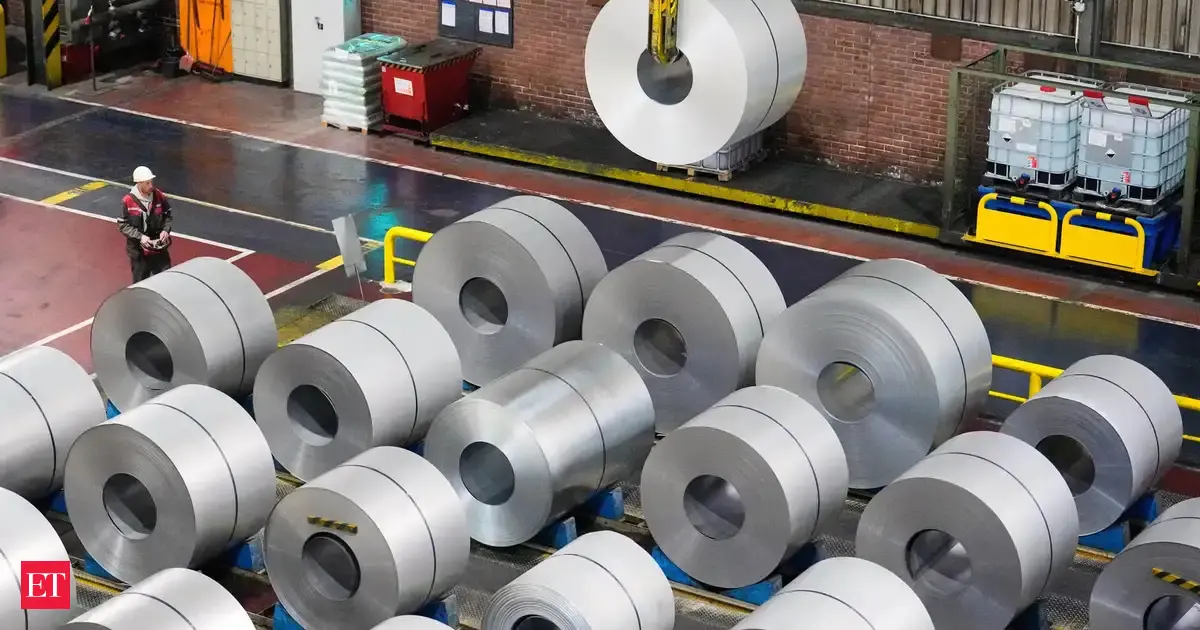
The West Asia crisis and LPG shortages in India are affecting the domestic stainless steel industry, forcing companies to cut production and brace for higher costs. Manufacturers rely heavily on LPG and natural gas for key processes, and fuel constraints have led some plants to operate at reduced capacity. View More
The crisis in West Asia and the resulting shortage of liquefied petroleum gas (LPG) in India are affecting the domestic stainless steel industry, with companies bracing for pressure on profitability amid lower production and higher raw material costs. “Due to the heavy dependence of stainless steel manufacturing on industrial gases such as propane/LPG and natural gas, several processes across our plants have been adversely impacted,” said Abhyuday Jindal, managing director of Jindal Stainless , the country’s largest producer of stainless steel. “Given the constraints in fuel availability, our plants are operating at a rationalised capacity.” ALSO READ: Trump says US struck military targets on Iran's main oil hub, Kharg Island, calls it country's 'crown jewel' The impact on the current quarter is expected to be limited because companies typically carry inventories and production has been affected only towards the end of the quarter. However, the April quarter could see a more significant impact as disruptions take time to ease, experts said. “Fuel and power together account for about 5-8% of a company’s topline, and LPG itself is majorly needed for the annealing line or reheating processes in stainless steel companies,” an analyst said on condition of anonymity. “More than LPG, logistics would be a bigger concern for companies given that raw materials are either not available or come at much higher prices because of force majeure.” Live Events ALSO READ: US orders 2,500 Marines and an amphibious assault ship to Middle East after almost 2 weeks of war Nickel, a key input used in stainless steel production , is almost entirely imported. The scrap used in the production of stainless steel is also imported. “Scrap for stainless steel is procured globally, including from US, Middle East and Europe, the crisis could impact this availability,” said Ravi Sodah, analyst at Elara Securities. Disruptions along the key shipping route through the Strait of Hormuz are increasing transit times and delaying the delivery of raw materials, which could ultimately weigh on profitability. “Clarity on the allocation percentage for industrial propane/LPG and natural gas, along with assurance of regular supplies, will be important for the stainless steel industry to plan and optimise operations,” said Jindal. .Pbanner{display:flex;justify-content:space-between;align-items:center;background-color:#ec1c40;margin-top:20px;padding:5px 10px;border-radius:4px;color:#fff;line-height:10px;} .Pbannertext{display:flex;align-items:center;font-size:16px;font-weight:600;font-family:'Montserrat';} .Pbannertext img{height:20px;margin:0 6px} .Pbannerbutton a{display:flex;align-items:center;background-color:#fff;color:#ec1c40;text-decoration:none;font-weight:600;padding:4px 8px;border-radius:6px;font-size:15px;font-family:'Montserrat';} .Pbannerbutton img{height:20px;margin-right:6px} .Pbannerbutton a:hover{background-color:#f7f7f7} Add as a Reliable and Trusted News Source Add Now! (You can now subscribe to our Economic Times WhatsApp channel) (You can now subscribe to our Economic Times WhatsApp channel)

Jindal Steel International is seeking clarity on pension liabilities, retrenchment costs and German government support for a cleaner steel transition, while Thyssenkrupp wants details on the bidder’s post-acquisition investment and financing plans. View More
The Indian steel industry faces significant challenges as the ongoing conflict in West Asia drives up the prices of vital resources like limestone. Concurrently, a wave of inexpensive steel is poised to enter the market, posing a serious threat to local manufacturers. Steel companies are urgently appealing to the government for assistance in navigating this turbulent landscape. View More
New Delhi: India's domestic steel industry is bracing for double trouble as the West Asia conflict pushes up input costs while also raising the risk of cheaper imports being diverted here. Sector watchers estimate that about 1.5 million tonnes (mt) of steel, largely from China, Japan and ASEAN countries, is currently floating at sea and searching for alternate markets after imports into the Gulf region came to a halt. Steel producers expect input costs to rise by around 5% but are still weighing if it can be passed to customers given the looming threat of cheaper imports. Also Read: Industrial gas supply crunch hits operations at steel plants, says Jindal Stainless MD "Limestone availability is a major concern for the sector, which sources around 70-80% of its requirement from the conflict-hit region," representatives from a large integrated steel producer said. India imports more than 31 million tonnes (mt) of limestone annually, largely from Oman and the United Arab Emirates (UAE). Integrated steel producers require around 300 kilograms of limestone to produce one tonne of steel, industry officials said. Live Events Public sector steelmaker Steel Authority of India (SAIL) recently flagged the issue at a consultative meeting with multiple ministries. "Steel imports from West Asia have come to a standstill. Around 1.5 million tonnes of steel is already at sea and may be diverted to India," an industry representative said, noting that the region typically imports 12-13 mt of steel annually from China and about 2 mt from Japan and ASEAN countries. Tensions in West Asia escalated after a joint Israel-US air strike killed Iran's Supreme Leader Ayatollah Ali Khamenei, prompting retaliatory attacks by Iran that have brought ship movement in the Persian Gulf to a standstill. Industry players have urged the government to ease restrictions on domestic limestone sales. Also Read: 'Coal and LPG prices may be adversely affected': Chhattisgarh Mini Steel Plant Association "It is necessary to permit all captive and merchant cement-grade limestone producers to sell in the open market," a second steel industry representative said, adding that the geopolitical situation has also affected the refractory and downstream steel industries. In a representation to the government, steel producers said propane supplies from alternative sources such as Russia are urgently needed to ensure uninterrupted operations in steel mills and downstream industries. Officials said most steel plants currently have propane inventories that could last about a month, after which production may need to be moderated unless fresh supplies are secured. India currently has 218 mt of steelmaking capacity, with plans to expand it to 300 mt by 2030 and 500 mt by 2047. Crude steel production rose 11.2% year-on-year to 153.61 mt in April-February FY26. The country imports about 5-10% of its domestic demand and exports roughly a similar proportion of its annual output. .Pbanner{display:flex;justify-content:space-between;align-items:center;background-color:#ec1c40;margin-top:20px;padding:5px 10px;border-radius:4px;color:#fff;line-height:10px;} .Pbannertext{display:flex;align-items:center;font-size:16px;font-weight:600;font-family:'Montserrat';} .Pbannertext img{height:20px;margin:0 6px} .Pbannerbutton a{display:flex;align-items:center;background-color:#fff;color:#ec1c40;text-decoration:none;font-weight:600;padding:4px 8px;border-radius:6px;font-size:15px;font-family:'Montserrat';} .Pbannerbutton img{height:20px;margin-right:6px} .Pbannerbutton a:hover{background-color:#f7f7f7} Add as a Reliable and Trusted News Source Add Now! (You can now subscribe to our Economic Times WhatsApp channel) (You can now subscribe to our Economic Times WhatsApp channel)
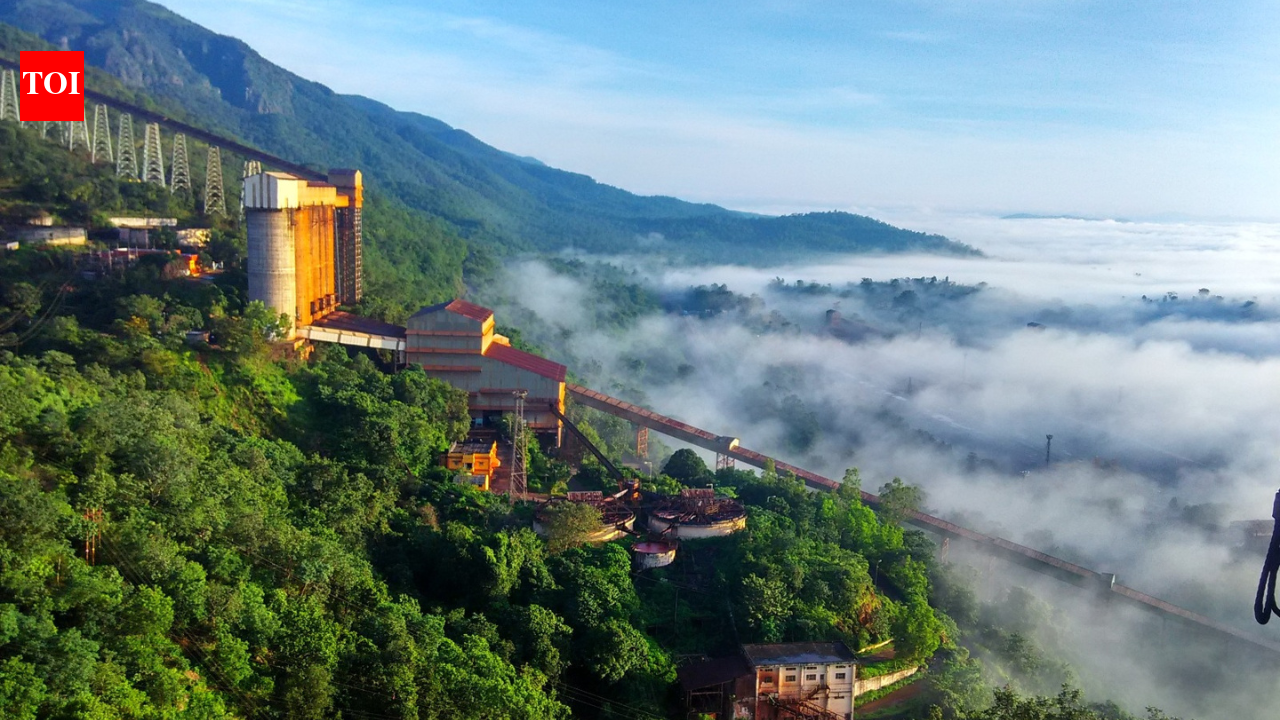
Jindal Stainless is India's largest stainless steel manufacturing company with a 0.8 million tonnes per annum (MTPA) capacity in Hisar (Haryana) and a 2.2-MTPA facility in Jajpur (Odisha). View More
New Delhi: Supply crunch of industrial gases has adversely impacted several plants, Jindal Stainless MD Abhyuday Jindal said on Friday. He also sought clarity on the allocation percentage for industrial propane/LPG and natural gas, along with assurance of regular supplies, for the stainless steel industry. Jindal Stainless is India's largest stainless steel manufacturing company with a 0.8 million tonnes per annum (MTPA) capacity in Hisar (Haryana) and a 2.2-MTPA facility in Jajpur (Odisha). Speaking about the impact of the ongoing war in West Asia on his business operations, Jindal said that due to the heavy dependence of stainless steel manufacturing on industrial gases such as propane/LPG and natural gas, several processes across our plants have been adversely impacted. Unlike the conventional steel industry, which largely utilises blast furnace and coke oven gases as energy sources, the stainless steel industry follows the scrap-based production route where such gases are not generated internally, he explained. Live Events Given the constraints in fuel availability, plants are operating at a rationalised capacity. Additionally, disruptions in global shipping routes are resulting in vessel diversions, longer transit times, and cargo delays, which are also placing additional pressure on supply chains and margins, the MD said. "We appreciate that the government is fully seized of the matter and is actively prioritising fuel allocation for critical sectors," Jindal said, seeking clarity on the allocation percentage for industrial propane/LPG and natural gas, along with assurance of regular supplies, which will be important for the stainless steel industry to plan and optimise operations. "In the absence of such clarity, we foresee a cascading effect across the industry, the severity of which will depend on how quickly these issues are resolved," he said. .Pbanner{display:flex;justify-content:space-between;align-items:center;background-color:#ec1c40;margin-top:20px;padding:5px 10px;border-radius:4px;color:#fff;line-height:10px;} .Pbannertext{display:flex;align-items:center;font-size:16px;font-weight:600;font-family:'Montserrat';} .Pbannertext img{height:20px;margin:0 6px} .Pbannerbutton a{display:flex;align-items:center;background-color:#fff;color:#ec1c40;text-decoration:none;font-weight:600;padding:4px 8px;border-radius:6px;font-size:15px;font-family:'Montserrat';} .Pbannerbutton img{height:20px;margin-right:6px} .Pbannerbutton a:hover{background-color:#f7f7f7} Add as a Reliable and Trusted News Source Add Now! (You can now subscribe to our Economic Times WhatsApp channel) (You can now subscribe to our Economic Times WhatsApp channel)