
Latest Sectors News
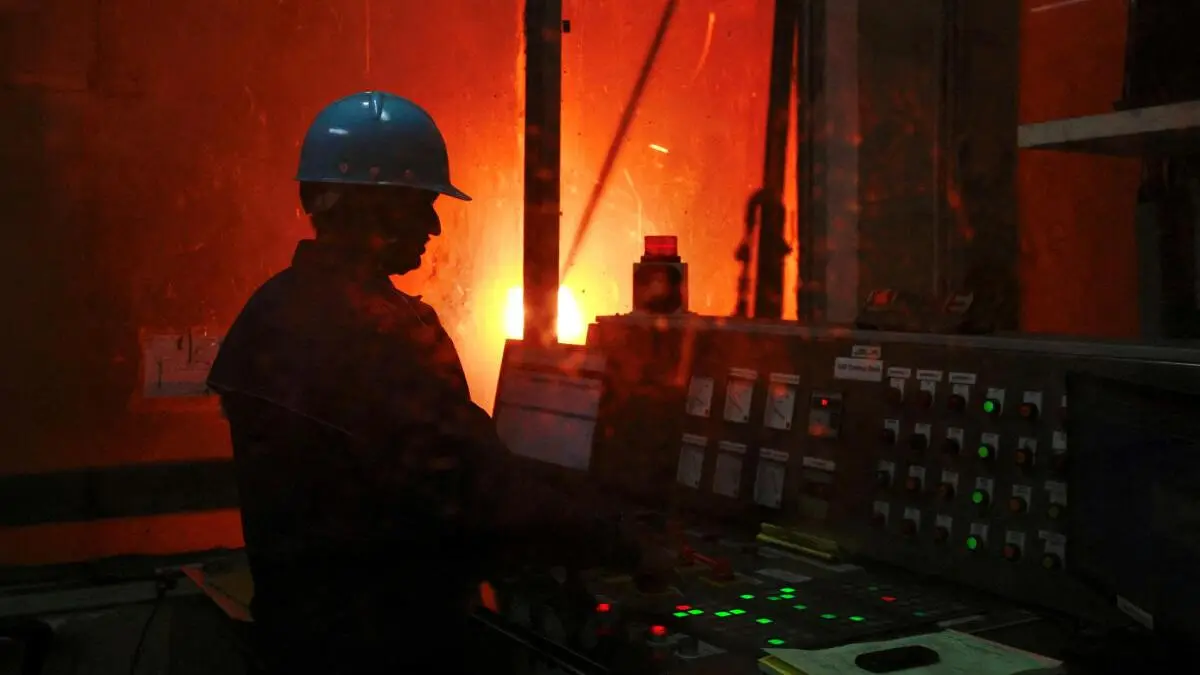
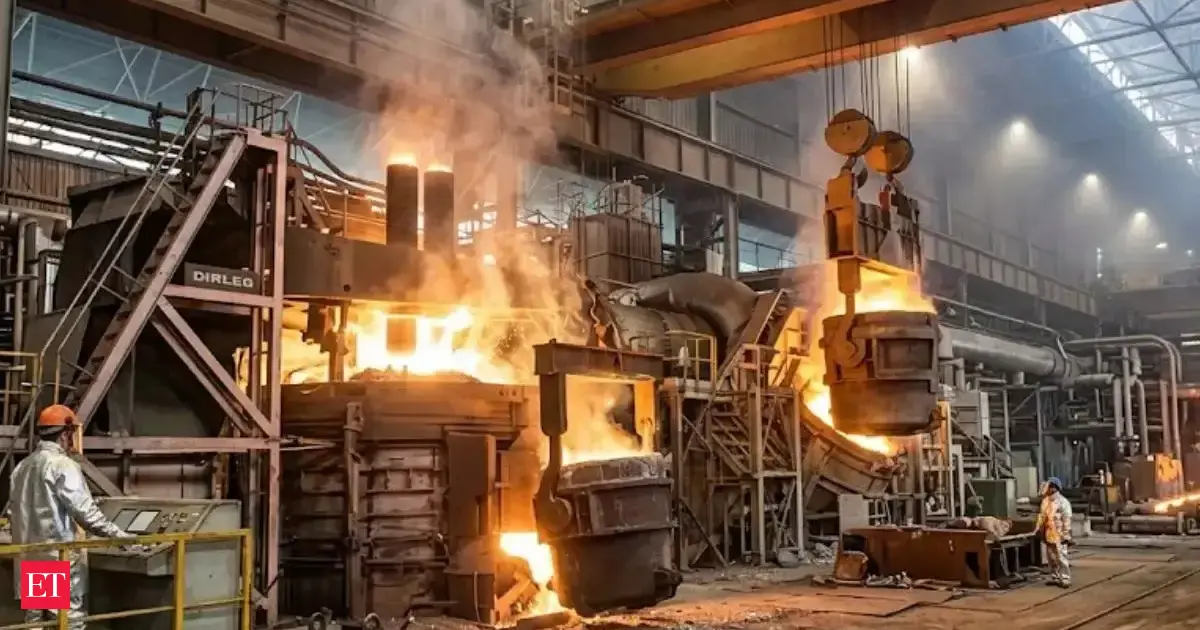
Jindal Stainless has commissioned a 1.2 million tonnes stainless steel melt shop in Indonesia, boosting its total annual melting capacity to 4.2 million tonnes. This expansion, part of a Rs 5,700 crore plan, aims to achieve 3.5 MTPA sales volume by FY29. The company emphasizes raw material security and an integrated growth approach with this new facility. View More
New Delhi: Jindal Stainless on Tuesday announced commissioning of a 1.2 million tonnes stainless steel melt shop (SMS) in Indonesia, set up as part of its ongoing Rs 5,700 crore expansion plan. With this development, the company said its annual melting capacity has scaled up to 4.2 million tonnes per annum (MTPA). Jindal Stainless has a combined melt capacity of 3 MTPA at its plants in Hisar (Haryana) and Jajpur (Odisha). The company has commissioned the 1.2 MTPA stainless steel melt shop (SMS) in Indonesia under a joint venture. "With this enhancement in melting and downstream capacities, the company is targeting to achieve a sales volume of 3.5 MTPA by FY29, delivering double-digit CAGR over the next three years," Jindal Stainless said. A stainless steel melting shop (SMS) is a specialized industrial facility where key raw materials, such as nickel pig iron or ferronickel, chromium, stainless steel scrap, and ferro alloys, are melted and refined to produce high-quality liquid stainless steel. Live Events Jindal Stainless Managing Director Abhyuday Jindal said, "The commissioning of the Indonesia facility ahead of schedule, alongside a significant push in downstream capabilities, reflects the commitment to raw material security and integrated approach to growth. With an annual turnover of over Rs 40,000 crore, Jindal Stainless is India's largest stainless steel player, and among the fifth largest at the global level. The country’s most definitive MSME stage returns on March 24 in New Delhi. Register now for the ET MSME Awards 2025 .Pbanner{display:flex;justify-content:space-between;align-items:center;background-color:#ec1c40;margin-top:20px;padding:5px 10px;border-radius:4px;color:#fff;line-height:10px;} .Pbannertext{display:flex;align-items:center;font-size:16px;font-weight:600;font-family:'Montserrat';} .Pbannertext img{height:20px;margin:0 6px} .Pbannerbutton a{display:flex;align-items:center;background-color:#fff;color:#ec1c40;text-decoration:none;font-weight:600;padding:4px 8px;border-radius:6px;font-size:15px;font-family:'Montserrat';} .Pbannerbutton img{height:20px;margin-right:6px} .Pbannerbutton a:hover{background-color:#f7f7f7} Add as a Reliable and Trusted News Source Add Now! (You can now subscribe to our Economic Times WhatsApp channel) (You can now subscribe to our Economic Times WhatsApp channel)

Economists warn stagflation — high inflation and stalling growth — is facing the region because of the Iran war. View More
Workers of German steel manufacturer Salzgitter AG stand in front of a furnace at a plant in Salzgitter, Germany, March 1, 2018.Fabian Bimmer | Reuters Private sector output in the euro zone sank to a 10-month low in March, amid mounting evidence of the impact the Iran conflict is having on the global economy. The closely-watched S&P Global flash purchasing managers' index (PMI) for the euro zone fell to 50.5 in March, marking a steep decline from the 51.9 reported in February. Economists polled by Reuters had expected a shallower dip to 51.0. The 50.0 threshold separates expansion from contraction territory.The reading prompted fresh warnings that the region is facing the specter of looming stagflation â a toxic combination of high inflation and unemployment, and stalling growth."The flash Eurozone PMI is ringing stagflation alarm bells as the war in the Middle East drives prices sharply higher while stifling growth," Chris Williamson, chief business economist at S&P Global Market Intelligence, commented Tuesday. "Firms' costs are rising at the fastest rate for over three years amid the surge in energy prices and choking of supply chains resulting from the war. Supplier delays have jumped to their highest since mid-2022, largely linked to shipping issues."Euro zone companies surveyed by S&P Global scaled back hiring marginally during March, as bosses lowered output expectations for the year when compared with February forecasts, according to S&P Global economists."Stagflation" is often seen as a "worse case scenario" for economies and poses a dilemma for central banks because the tools they'd usually use to combat high inflation â higher interest rates â can stifle growth and employment, while lowering rates can boost growth but increase demand and inflation. Read moreSome economists are warning about âstagflation.â What it could mean for your moneyInvestors rip up European boom bets as stagflation fears soar on Iran war oil shockInvestors are left with nowhere to hide as stagflation shock erodes traditional havens The euro zone is not alone in seeing private sector activity slow due to the Iran war, with PMI data from India earlier on Tuesday also showing output growth slowed to its lowest level since October 2022. 'Critical' energy crunch The current turmoil in the Middle East has made previous growth and inflation forecasts largely redundant, and businesses and policymakers have been left trying to gauge the direction of travel for input costs and inflation without knowing how long the conflict will last.In revised forecasts released last week, the European Central Bank now expects economic growth of 0.9% in 2026, and headline inflation to average 2.6% this year. That outlook could be optimistic, however, with S&P Global's Williamson noting that the PMI survey's price gauge was indicative of inflation accelerating close to 3%, "with cost pressure likely to add still further to selling price inflation in the coming months.""The outlook depends on the duration of the war and any potential lasting impact on energy and supply chains, but the flash PMI data underscore how the European Central Bank is no longer in a 'good place' with respect to growth and inflation," Williamson said.The March PMIs show the conflict in Iran is already having a significant impact on the euro area economy, J.P. Morgan's Raphael Brun-Aguerre noted Tuesday."Overall, the survey points to a large near-term inflation impact from higher energy that could feed into core prices ... The energy price shock could hit business profitability and has already damaged demand conditions and output more broadly in the region. Business sentiment is being hit significantly. European Commission data [out Monday] already showed a large hit to consumer confidence in March," he noted in emailed analysis. A tanker carrying Iraqi fuel oil that was damaged in unidentified attacks targeting two foreign tankers, according to Iraqi port officials, near Basra, Iraq, March 12, 2026.Mohammed Aty | Reuters Early Tuesday, European Commission President Ursula von der Leyen said it was time for negotiations with Iran, given the "critical" nature of the global energy crisis."The situation is critical for the energy supply allies worldwide. We all feel the knock-on effects on gas and oil prices, our businesses and our societies, but it is of utmost importance that we come to a solution that is negotiated, and this puts an end to the hostilities that we see in the Middle East." Choose CNBC as your preferred source on Google and never miss a moment from the most trusted name in business news.
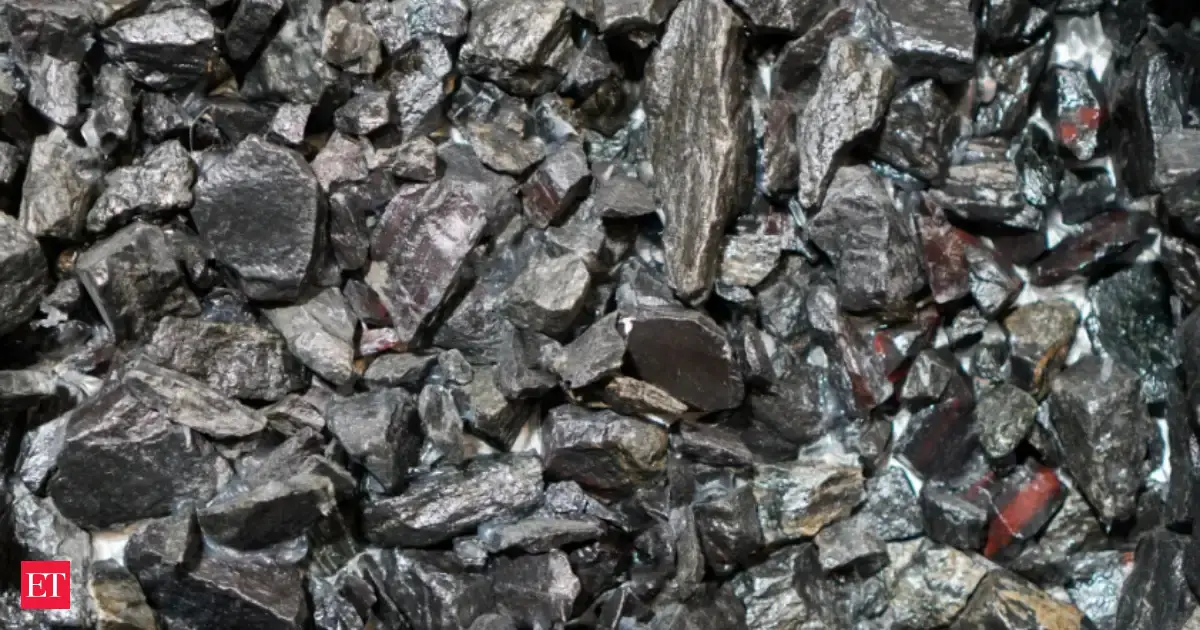
India's iron ore imports are projected to hit a seven-year peak by March 31. This surge is fueled by a scarcity of high-grade ore and robust demand from JSW Steel. Imports are expected to more than double year-on-year. Meanwhile, iron ore pellet imports from Iran may decrease due to Middle East conflict and ample domestic supply. View More
India's imports of iron ore, a key raw material in steelmaking, are set to rise to a seven-year high in the fiscal year ending on March 31, driven by a shortage of high-grade ore and demand from JSW Steel , analysts and industry executives said. Overall imports are likely to reach 12 million to 14 million metric tons in 2025-26, more than doubling from a year earlier, analysts and trade officials said. JSW Steel , India's biggest steelmaker by capacity, was a key driver of iron ore imports for its mills in the western state of Maharashtra and the southern state of Karnataka, said Lalit Ladkat, a senior analyst at London-basedconsultancy CRU. A cargo of BHP's Jimblebar Fines iron ore is heading to India in a rare sale, driven by discounts on the product that was banned for sale in China, Reuters reported last week. The bulk of India's iron ore imports in the fiscal year originated from Brazil and Oman, which together accounted for about 70% of total shipments, Ladkat said. Live Events Iron ore output in India, the world's second-largest crude steel producer, is expected to reach 305 million tons in the 2025-26 fiscal year, up from 289 million metric tons a year earlier, according to commodities consultancy BigMint. But exports of iron ore are expected to reach 29 million metric tons, up 26% from a year earlier, with 85% of shipments going to China, Ladkat said. India mainly exports low-grade iron ore that is generally not used by steel mills in the country, mining officials said. In the fiscal year that begins on April 1, India's iron ore output is expected to rise as mines ramp up production, although imports may continue depending on grade requirements and plant-level supply dynamics, said Sumit Jhunjhunwala, vice president at ICRA Ratings. IRON ORE PELLET IMPORTS SET TO DROP India, which has been importing cheaper iron ore pellets - processed or value-added products - from Iran since last year, is likely to see volumes decline due to the conflict in the Middle East, analysts said. "Indian pellet imports from Iran could decline amid heightened geopolitical tensions and associated trade uncertainties, while ample domestic pellet availability is likely to constrain import demand," BigMint said. From April to February, India imported 1.88 million metric tons of iron ore pellets, up six times from a year earlier. The country’s most definitive MSME stage returns on March 24 in New Delhi. Register now for the ET MSME Awards 2025 .Pbanner{display:flex;justify-content:space-between;align-items:center;background-color:#ec1c40;margin-top:20px;padding:5px 10px;border-radius:4px;color:#fff;line-height:10px;} .Pbannertext{display:flex;align-items:center;font-size:16px;font-weight:600;font-family:'Montserrat';} .Pbannertext img{height:20px;margin:0 6px} .Pbannerbutton a{display:flex;align-items:center;background-color:#fff;color:#ec1c40;text-decoration:none;font-weight:600;padding:4px 8px;border-radius:6px;font-size:15px;font-family:'Montserrat';} .Pbannerbutton img{height:20px;margin-right:6px} .Pbannerbutton a:hover{background-color:#f7f7f7} Add as a Reliable and Trusted News Source Add Now! (You can now subscribe to our Economic Times WhatsApp channel) (You can now subscribe to our Economic Times WhatsApp channel)
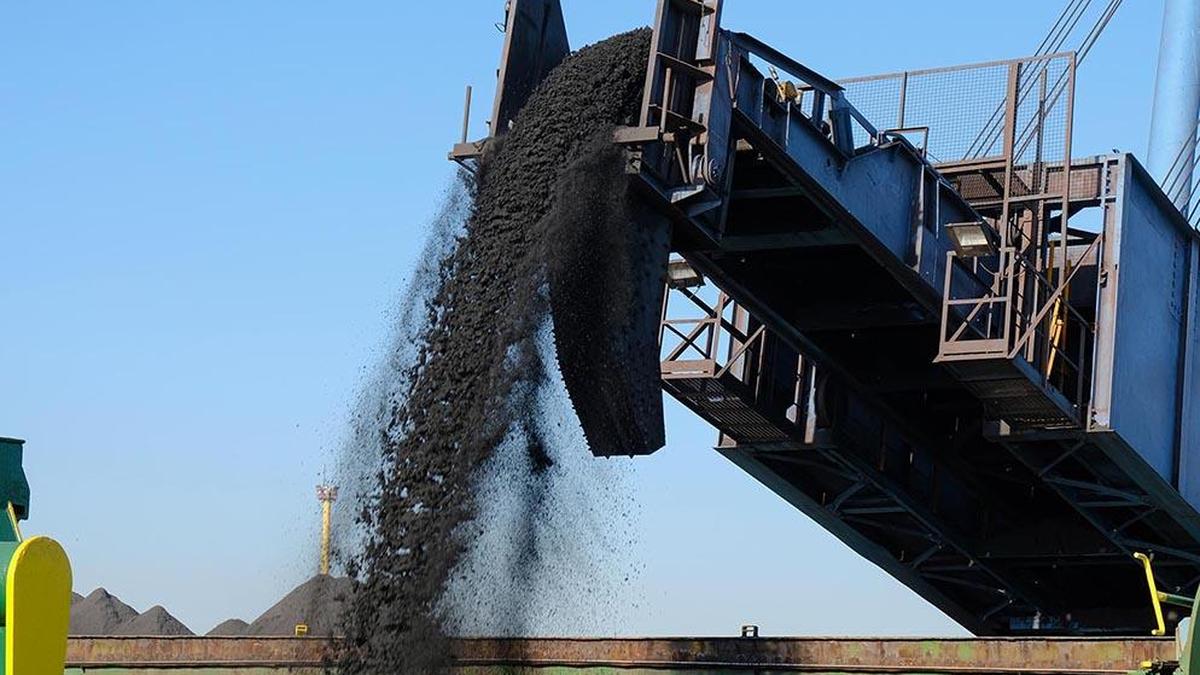
Overall imports are likely ?to reach 12 million to 14 million
metric tons in 2025-26, more than doubling from a year earlier View More
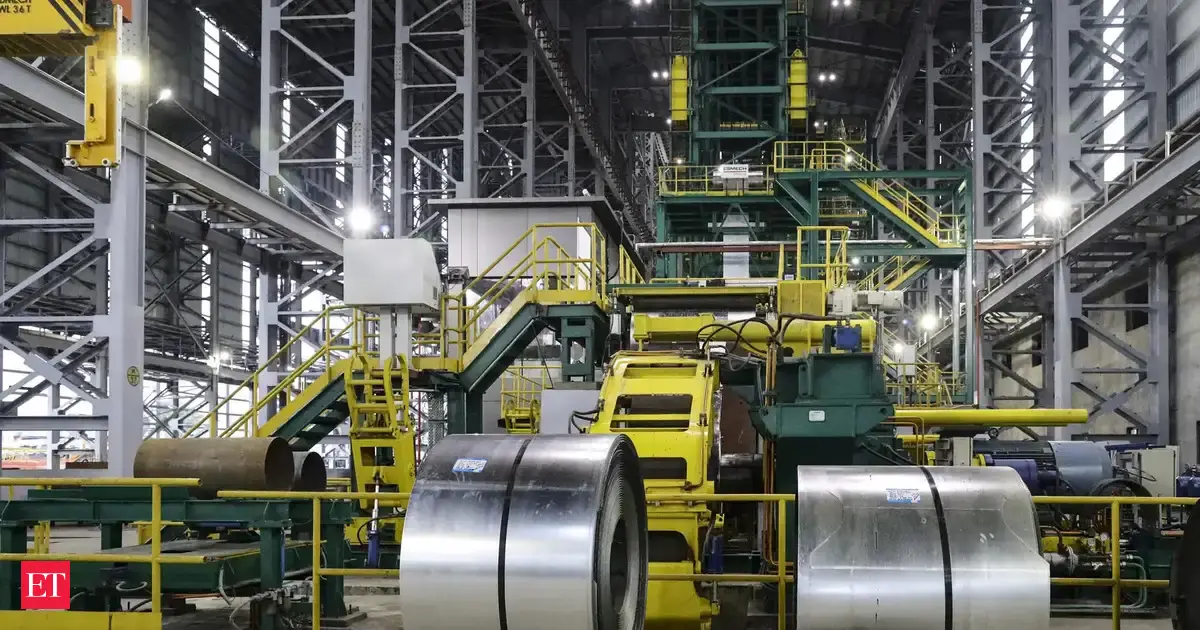
Jindal Steel has successfully doubled its Angul steel making capacity to 12 million tonnes per annum. This expansion makes the Angul facility one of India's largest single-location steel plants. The company's total steel capacity now stands at 15.6 million tonnes per annum. This move is set to boost volumes and profitability. View More
New Delhi, Jindal Steel on Tuesday said it has doubled the steel making capacity of its Angul facility to 12 million tonnes per annum. With this expansion, Angul has become one the largest single-location steel plants in India, taking Jindal Steel's overall capacity to 15.6 million tonnes per annum (MTPA). In an exchange filing, the company said it has fully operationalised the expansion of its Angul plant capacity from 6 MTPA to 12 MTPA within the planned timeframe. Post this expansion, the company's overall crude steel capacity has increased to 15.6 MTPA, including 3.6 MTPA at its Raigarh facility. Jindal Steel said the expanded capacity is expected to drive higher volumes and improve capacity utilisation, supporting revenue growth while delivering operating leverage benefits. Live Events The company is well positioned to enhance margins, optimise costs, and improve profitability, while strengthening domestic steel capacity in line with India's nation-building priorities and the vision of Atmanirbhar Bharat. However, Jindal Steel did not provide any financial details. As per industry estimates, an investment of Rs 5,000-6,000 crore is required to set up one million tonne steel plant. Jindal Steel caters to key sectors, including infrastructure, construction, railways, automotive, energy, industrial manufacturing, defence, and white goods with supplies of value-added steel products from Angul (Odisha) and Raigarh (Chhattisgarh) facilities. The country’s most definitive MSME stage returns on March 24 in New Delhi. Register now for the ET MSME Awards 2025 .Pbanner{display:flex;justify-content:space-between;align-items:center;background-color:#ec1c40;margin-top:20px;padding:5px 10px;border-radius:4px;color:#fff;line-height:10px;} .Pbannertext{display:flex;align-items:center;font-size:16px;font-weight:600;font-family:'Montserrat';} .Pbannertext img{height:20px;margin:0 6px} .Pbannerbutton a{display:flex;align-items:center;background-color:#fff;color:#ec1c40;text-decoration:none;font-weight:600;padding:4px 8px;border-radius:6px;font-size:15px;font-family:'Montserrat';} .Pbannerbutton img{height:20px;margin-right:6px} .Pbannerbutton a:hover{background-color:#f7f7f7} Add as a Reliable and Trusted News Source Add Now! (You can now subscribe to our Economic Times WhatsApp channel) (You can now subscribe to our Economic Times WhatsApp channel)

With this expansion, Angul has become one of the largest single-location steel plants in India, taking Jindal Steel's overall capacity to 15.6 million tonnes per annum (MTPA). View More
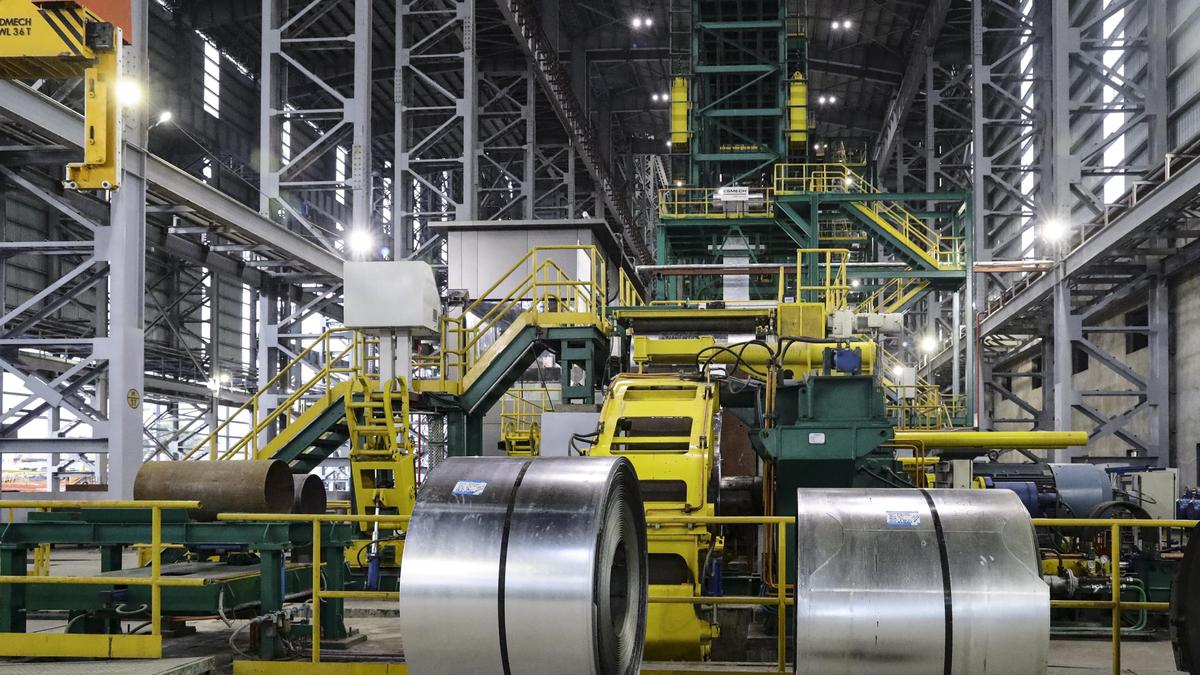
Jindal Steel said the expanded capacity is expected to drive higher volumes and improve capacity utilisation, supporting revenue growth while delivering operating leverage benefits View More
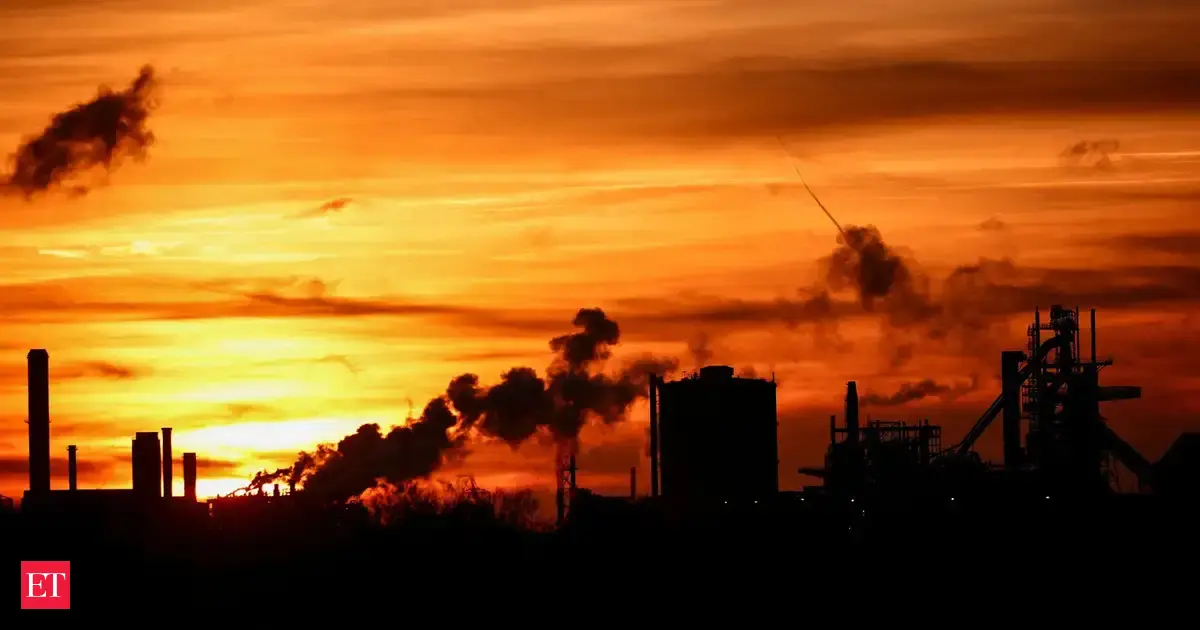
AM/NS India has begun construction of a major steel plant in Anakapalli, Andhra Pradesh. This significant project represents a Rs 70,000 crore investment. The plant will have an initial capacity of 8.2 million tonnes. Production is scheduled to commence in early 2029. This development marks a key step in India's steel production expansion goals. View More
AM/NS India on Monday laid the foundation stone for an integrated steel plant at Anakapalli in Andhra Pradesh , where it will invest Rs 70,000 crore to build a capacity of 8.2 million tonnes in the first phase. This is the first greenfield steel plant being set up in in the country in nearly a decade. India, the world’s second-largest producer of steel, aims to have a production capacity of 300 million tonnes by the end of the decade. AM/NS, a joint venture between ArcelorMittal and Nippon Steel , operates a plant in Hazira in Gujarat, which has a capacity of over 9 million tonnes. “ArcelorMittal celebrates its twentieth anniversary later this year. For these last two decades we had a vision to build a world-class greenfield steel plant here in India,” Lakshmi Mittal, the executive chairman of ArcelorMittal, said. “I have been in the steel industry for fifty years, and I can honestly say that what we are building here in India is one of the highlights of these 50 years,” he said on Monday. Steel manufacturing at the Anakapalli plant will begin in the first quarter of 2029, with other units likely to be ready in a calibrated and phased manner over the following several quarters, the company said. Live Events The plant will produce a diverse range of steel grades, including high-quality, value-added products that will enhance India’s self-reliance and reduce imports. The coastal position of Anakapalli and its connectivity to the iron-ore rich belt in Odisha through a slurry pipeline makes it an excellent place to manufacture steel, said Aditya Mittal, the chairman of AM/NS. “South India is one of the fastest growing markets with excellent logistics, and so the plant will be able to cater to all the customers in the region as well as more broadly throughout India,” he said. In its second phase, the company plans to expand the plant’s production capacity to 17.8 million tonnes. This is likely to entail a total investment of about Rs 1.35 lakh crore. Once completed, the plant is expected to provide employment to around 100,000 people. The country’s most definitive MSME stage returns on March 24 in New Delhi. Register now for the ET MSME Awards 2025 .Pbanner{display:flex;justify-content:space-between;align-items:center;background-color:#ec1c40;margin-top:20px;padding:5px 10px;border-radius:4px;color:#fff;line-height:10px;} .Pbannertext{display:flex;align-items:center;font-size:16px;font-weight:600;font-family:'Montserrat';} .Pbannertext img{height:20px;margin:0 6px} .Pbannerbutton a{display:flex;align-items:center;background-color:#fff;color:#ec1c40;text-decoration:none;font-weight:600;padding:4px 8px;border-radius:6px;font-size:15px;font-family:'Montserrat';} .Pbannerbutton img{height:20px;margin-right:6px} .Pbannerbutton a:hover{background-color:#f7f7f7} Add as a Reliable and Trusted News Source Add Now! (You can now subscribe to our Economic Times WhatsApp channel) (You can now subscribe to our Economic Times WhatsApp channel)
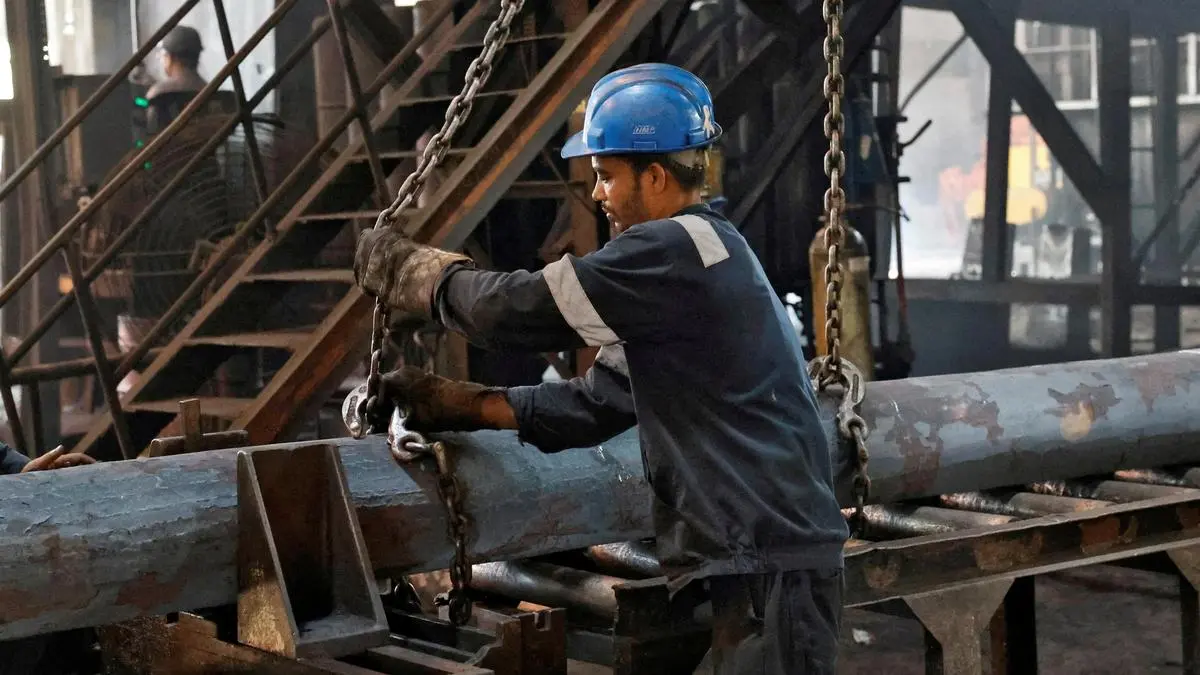
The plant will have a capacity of 8.2 million tonnes per annum (mtpa) and the first phase will incur ?70,000 crore View More