
Latest Sectors News
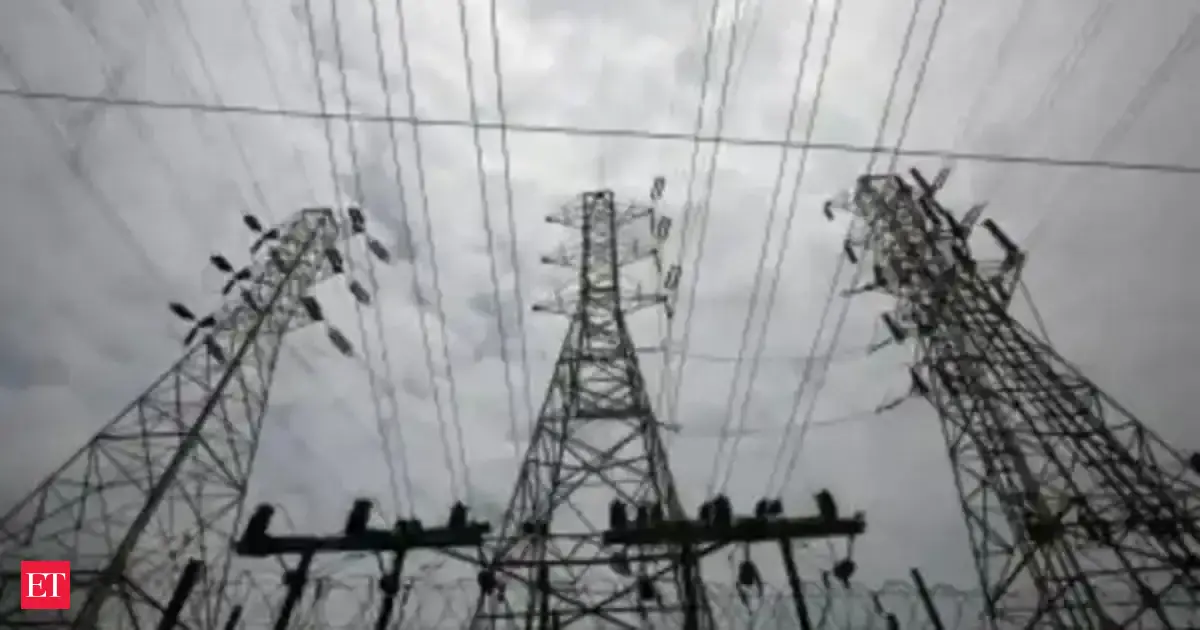
Grid India suggests a steering committee for power market coupling. This body would include CERC, Grid India, and power exchanges. The move contrasts with the regulator's draft norms proposing a single operator. Grid India cites European experience and potential single points of failure with a sole operator. This approach aims for efficiency and transparency in the electricity market. View More
Grid Controller of India Ltd (Grid India) has proposed that market coupling operations be led by a steering committee instead of a single-operator model suggested by the power sector regulator in draft norms. Market coupling combines bids from all power exchanges into a single market, discovering a uniform electricity price with the aim of improving efficiency. In July last year, the Central Electricity Regulatory Commission (CERC) issued a suo motu order to initiate market coupling in the sector. India has three power exchanges - Indian Energy Exchange Ltd , Power Exchange India Ltd and Hindustan Power Exchange Ltd. In its submission to the regulator, which issued the draft CERC (Power Market) (Second Amendment) Regulations, 2026 in April, Grid India said the objective of an efficient and transparent system can be best served through a steering committee of stakeholders, including CERC, Grid India, power exchanges, external auditors and market monitors. Live Events In the draft norms, CERC had proposed Grid India as the sole market coupling operator (MCO). The grid operator pointed to the European experience, where a round-robin implementation supported by a steering committee has been adopted. The round-robin method is a framework in which competing power exchanges take turns acting as the central MCO. While having a single MCO would be simpler and easier to manage operations with faster rollout, the design could also introduce a single point of failure, the operator said. "In case of any disruption, the entire market clearing function would be affected," it said. Among other suggestions, the grid operator also made a case for a separate cell within Grid India to carry out the function, distinct from the rest of its operations. "Due to the conflicting nature of market clearing and ensuring reliability, institutional ring-fencing within Grid India is necessary," it said. The transfer of the Central Transmission Utility to Grid India is underway, after which transmission planning, system operations and market operations would be under one umbrella, which may create grounds for potential conflict, it said. However, a wholly owned subsidiary of Grid India may be needed at some point for the purpose of market coupling. It also suggested that the market coupling regulation should specify whether applicability in the day-ahead market (DAM) refers to all variants such as green DAM and high price-DAM. IEX, which accounts for the highest traded volume, had challenged the regulator's suo motu order in the Appellate Tribunal for Electricity (APTEL), arguing that the proposed framework could disrupt the existing power market structure. In February, APTEL allowed the regulator to proceed with framing regulations on power market coupling. .Pbanner{display:flex;justify-content:space-between;align-items:center;background-color:#ec1c40;margin-top:20px;padding:5px 10px;border-radius:4px;color:#fff;line-height:10px;} .Pbannertext{display:flex;align-items:center;font-size:16px;font-weight:600;font-family:'Montserrat';} .Pbannertext img{height:20px;margin:0 6px} .Pbannerbutton a{display:flex;align-items:center;background-color:#fff;color:#ec1c40;text-decoration:none;font-weight:600;padding:4px 8px;border-radius:6px;font-size:15px;font-family:'Montserrat';} .Pbannerbutton img{height:20px;margin-right:6px} .Pbannerbutton a:hover{background-color:#f7f7f7} Add as a Reliable and Trusted News Source Add Now! (You can now subscribe to our Economic Times WhatsApp channel) (You can now subscribe to our Economic Times WhatsApp channel)

Hitachi Energy India will invest approximately Rs 2,000 crore to build a new Large Power Transformer factory in Karjan, Vadodara, Gujarat. This significant investment aims to boost manufacturing capabilities and support India's growing electricity demand. The factory is scheduled for completion in FY28. It is expected to create over 1,000 jobs and strengthen the nation's energy value chain. View More
New Delhi: Hitachi Energy India will invest about Rs 2,000 crore to set up a large power transformer factory in Gujarat. In a regulatory filing on Friday, the company said it is "investing approximately Rs 2,000 crore to establish a new Large Power Transformer (LPT) factory in Karjan, Vadodara, India". Hitachi Energy said the company is committed to strengthening its manufacturing footprint to support the growing demand for electricity in the country and worldwide. The new factory is expected to assist in meeting India's demand for reliable, efficient, and high-quality power equipment while supporting a stronger and more self-reliant energy value chain , it added. The factory is scheduled for completion in FY28. Live Events "This investment reflects our confidence in India's energy future and the country's growing stature as a strategic manufacturing base. By expanding our manufacturing presence, we aim to empower local communities, create skilled jobs, and deliver innovative solutions that support the country's energy and sustainability goals ," said N Venu, Managing Director & CEO, Hitachi Energy India Ltd . The project is expected to create more than 1,000 direct and indirect jobs. Headquartered in Switzerland, Hitachi Energy is a global leader in electrification. It employs over 56,000 people in 60 countries and generates revenues of around USD 20 billion. In India, Hitachi Energy operates under the legal entity name Hitachi Energy India Ltd and is listed on the National Stock Exchange of India Limited (NSE) and BSE Limited (BSE). .Pbanner{display:flex;justify-content:space-between;align-items:center;background-color:#ec1c40;margin-top:20px;padding:5px 10px;border-radius:4px;color:#fff;line-height:10px;} .Pbannertext{display:flex;align-items:center;font-size:16px;font-weight:600;font-family:'Montserrat';} .Pbannertext img{height:20px;margin:0 6px} .Pbannerbutton a{display:flex;align-items:center;background-color:#fff;color:#ec1c40;text-decoration:none;font-weight:600;padding:4px 8px;border-radius:6px;font-size:15px;font-family:'Montserrat';} .Pbannerbutton img{height:20px;margin-right:6px} .Pbannerbutton a:hover{background-color:#f7f7f7} Add as a Reliable and Trusted News Source Add Now! (You can now subscribe to our Economic Times WhatsApp channel) (You can now subscribe to our Economic Times WhatsApp channel)

The new plant will produce a significant volume of large power transformers annually for high-voltage transmission, HVDC projects, AI data centers, power generation, and large industrial installations View More

Key developments in India’s healthcare, power, chemicals, and infrastructure sectors highlight significant acquisitions, partnerships, and projects across various industries. View More

Explore key stock movements and significant corporate developments involving REC, PFC, UltraTech, AVG Logistics, and more View More
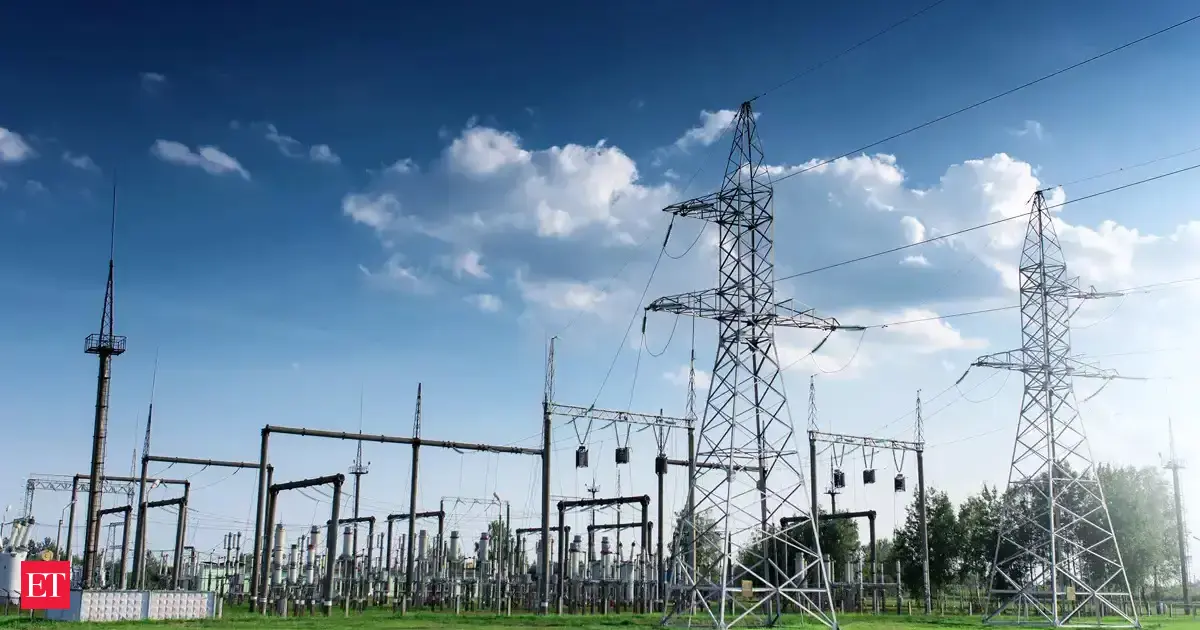
Indian power and renewable energy firms are looking abroad for loans. The Reserve Bank of India's new dollar-rupee swap facility has made foreign currency borrowing cheaper. Companies like REC and PFC are planning to raise significant funds through external commercial borrowings. This move is expected to lower borrowing costs for these public sector undertakings. View More
New Delhi | Mumbai: Power and renewable energy financing companies are exploring overseas borrowings after the Reserve Bank of India 's new dollar-rupee swap facility lowered hedging costs, making foreign currency loans more attractive, people aware of the development said. State-run REC plans to raise $500 million through a five-year external commercial borrowing (ECB). Power Finance Corp (PFC) has issued a request for proposal inviting bids to raise funds by way of foreign currency term loan, and the last date for submission of bids is June 22. The President has approved the merger of REC with Power Finance Corporation, nearly seven years after PFC acquired the government's majority stake in REC. ET BureauREC, IREDA, PFC exploring opportunities Indian Renewable Energy Development Agency (Ireda) is also evaluating opportunities to "aggressively" go for the overseas lending option, one of the people said. Discussions are underway with banks and potential lenders, with several companies keen to secure a first mover advantage and lock in funds, another person said. Live Events On Monday, the RBI announced a dollar-rupee swap window at a fixed cost of 1.5% per annum for public sector undertakings raising ECB and banks mobilising overseas foreign currency borrowings. The facility is available for fresh borrowings with maturities of three years and above and will remain open for eligible drawdowns until December 31, 2026. Power sector public sector undertakings such as NTPC are also in discussions with some banks to discuss proposals, two people said. However, the power giant is still evaluating the specifics and actual advantages and "nothing has been decided yet," one of them said. "There is enough supply of funds as banks have been waiting to grant fresh loans since last year since the USD market was costly," one of the persons said. REC's borrowing is expected to be priced around 100 basis points over the five-year US Treasury yield of about 4.3%. One basis point is a hundredth of a percentage point. Including the RBI's fixed hedging cost of 1.5%, REC's all-in rupee cost would be about 6.8%, around 50 basis points lower than domestic borrowing costs of 7.4% for comparable tenures. ECBs should also make it easier for the private sector to raise funds at home. Bankers said the new framework has made offshore funding cheaper and attractive. REC's proposed borrowing is expected to cost about 50-60 basis points less than comparable domestic bond funding. The company had priced a three-year domestic bond issue earlier this week at 7.38%, according to market participants. In comparison, the proposed ECB could be raised at an effective cost of around 6.8%, while also bringing dollar inflows into the country. "The RBI swap has effectively created a predictable hedging mechanism and narrowed uncertainty around foreign currency funding costs," said a debt capital markets banker. REC, Ireda, PFC and NTPC did not respond to emails seeking response till the press time on Wednesday. PFC's standalone loan asset book stood at ₹5.70 lakh crore while REC had a loan book of ₹5.84 lakh crore in March end. .Pbanner{display:flex;justify-content:space-between;align-items:center;background-color:#ec1c40;margin-top:20px;padding:5px 10px;border-radius:4px;color:#fff;line-height:10px;} .Pbannertext{display:flex;align-items:center;font-size:16px;font-weight:600;font-family:'Montserrat';} .Pbannertext img{height:20px;margin:0 6px} .Pbannerbutton a{display:flex;align-items:center;background-color:#fff;color:#ec1c40;text-decoration:none;font-weight:600;padding:4px 8px;border-radius:6px;font-size:15px;font-family:'Montserrat';} .Pbannerbutton img{height:20px;margin-right:6px} .Pbannerbutton a:hover{background-color:#f7f7f7} Add as a Reliable and Trusted News Source Add Now! (You can now subscribe to our Economic Times WhatsApp channel) (You can now subscribe to our Economic Times WhatsApp channel)

The findings highlight floating solar as a significant and scalable complement to ground-mounted PV in India’s renewable energy portfolio View More

India's demand for transportation fuels and petroleum products is declining due to supply disruptions and higher prices stemming from the Iran war. Total refined product consumption dropped 6.5% in May, with subdued growth in petrol and diesel sales, indicating weakening economic activity. View More
New Delhi: A supply squeeze and higher product prices due to the Iran war are weighing on demand for transportation fuels and other petroleum products in India, while also pushing consumers towards alternatives. Total consumption of refined products fell 6.5% in May, from a year earlier, to 19.93 million metric tonnes, according to oil ministry data. The month saw subdued growth in transportation fuels sales- petrol was up 3.3% and diesel grew 1.5% while aviation turbine fuel (ATF) was flat. Sales of other products such as naphtha (29%), LPG (20.5%), bitumen (39.4%) and petcoke (11.3%) fell sharply. Petrol and diesel sales increase in May was around half the average growth recorded for the two fuels in FY26. Slowing fuel consumption is an indicator of weakening economic activity, said an industry executive. Live Events Alt Fuel Use on the Rise While softer diesel demand reflects sluggish activity in the transportation sector, lower bitumen consumption signals slow pace of road construction. Decline in naphtha and petcoke usage suggests tepid industrial activity, especially as alternative fuels such as natural gas have also become expensive and are seeing weak demand, the executive said. The near closure of the Strait of Hormuz and import curbs are at the heart of the slowdown in fuel consumption, a second executive said. “Supplies of LPG, bitumen, and petcoke from the Gulf region have been disrupted,” the executive said. “To compensate for lower LPG imports , domestic refiners are maximising LPG output, resulting in changes in the yield pattern of other petroleum products.” More naphtha is being diverted to boost LPG production, he said, while lower naphtha availability is driving consumers towards fuel oil, a cheaper alternative whose consumption rose 24% in May. Industry executives said a sharp rise in bulk diesel prices—about Rs 50 per litre compared with Rs 8 per litre for retail diesel—may also have curbed consumption as users sought alternatives or improved efficiencies. Higher prices at pumps run by private fuel retailers Nayara Energy and Shell also reflected on India’s subdued petrol and diesel sales in May, executives said. Sales at private retailers declined, while rising at pumps run by state-run refiners. Meanwhile, higher ATF prices prompted airlines to cut several flights, keeping national consumption flat last month. .Pbanner{display:flex;justify-content:space-between;align-items:center;background-color:#ec1c40;margin-top:20px;padding:5px 10px;border-radius:4px;color:#fff;line-height:10px;} .Pbannertext{display:flex;align-items:center;font-size:16px;font-weight:600;font-family:'Montserrat';} .Pbannertext img{height:20px;margin:0 6px} .Pbannerbutton a{display:flex;align-items:center;background-color:#fff;color:#ec1c40;text-decoration:none;font-weight:600;padding:4px 8px;border-radius:6px;font-size:15px;font-family:'Montserrat';} .Pbannerbutton img{height:20px;margin-right:6px} .Pbannerbutton a:hover{background-color:#f7f7f7} Add as a Reliable and Trusted News Source Add Now! (You can now subscribe to our Economic Times WhatsApp channel) (You can now subscribe to our Economic Times WhatsApp channel)


Aviation fuel prices have increased by about 10 percent. State-owned fuel retailers have introduced a price stabilization scheme. Domestic airlines can now get a fixed fuel rate for up to three years. This move aims to protect airlines and passengers from global oil price swings. Airlines opting for the scheme will pay Rs 115 per litre. View More
New Delhi: Aviation turbine fuel (ATF) prices were raised by around 10 per cent on Tuesday as state-owned fuel retailers rolled out a price stabilisation regime, offering domestic airlines a fixed fuel rate for up to three years in a move aimed at shielding carriers and passengers from sharp swings in global oil prices. Jet fuel for domestic airlines will now cost Rs 115 per litre, up from Rs 104.927, industry sources said. The new rate will be locked in for up to three years for airlines that opt to participate in the government-backed price stabilisation scheme. Airlines that do not opt for the scheme will pay market-linked prices, currently around Rs 142 per litre, similar to international carriers. Also Read: Govt's new ATF pricing mechanism to fix Delhi fuel price at Rs 115/litre for airlines: Civil Aviation Ministry Live Events Those opting into the price stabilisation scheme will continue to receive ATF at Rs 115 per litre, insulated from global benchmark fluctuations. While non-participating carriers will benefit from price declines, they will also face higher costs when international rates rise. Sources said the scheme is completely voluntary, and airlines will have to take a call if they want to participate in it. Under the voluntary scheme, participating airlines will pay a fixed free-on-board (FOB) benchmark price of Rs 86.32 per litre, plus airport charges, oil company margins and applicable taxes, resulting in an effective selling price of Rs 115 per litre in Delhi, Rs 114.5 in Mumbai and Rs 139 in Chennai. The new rate compares with a below-market level of about Rs 105 per litre in Delhi, which had remained unchanged for more than two months after the government allowed only a partial pass-through of higher global fuel costs triggered by the outbreak of the West Asia conflict in late February. The freeze had led to losses for oil marketing companies on aviation turbine fuel (ATF), similar to pressures seen in petrol, diesel and LPG segments. To address these losses, the Union Cabinet approved a Rs 10,000-crore price stabilisation scheme aimed at capping ATF prices and shielding airlines from volatility linked to geopolitical tensions, while also supporting the financial health of state-owned oil companies. Also Read: Airlines' fuel, vehicle replacement & roadways in focus as Cabinet announces key decisions worth Rs 30,290 crore Under the scheme, whenever global benchmark prices rise above the base rate of Rs 86.32, the government will provide an interest-free advance to oil marketing companies to cover the difference. When prices fall, the differential will be recovered from the companies and returned to the Consolidated Fund of India. ATF typically accounts for about 40 per cent of airline operating expenses and can rise to as much as 60 per cent during periods of sharp volatility. Sources said international jet fuel prices had climbed to as high as Rs 142 per litre in May from pre-war rates of Rs 60.50 per litre, raising concerns over airline operating costs and potential fare increases. The new arrangement, they said, is not a subsidy but a temporary stabilisation framework intended to smooth volatility in fuel prices while ensuring accountability, monitoring and full recovery of funds. For passengers, the most important benefit of this decision is that it will help to moderate sudden increases in the airfare that often result from sharp spikes in fuel prices. By reducing the exposure of airlines to extreme fuel price fluctuations, the government aims to minimise the pass-through of such costs to travellers and provide greater fare stability. .Pbanner{display:flex;justify-content:space-between;align-items:center;background-color:#ec1c40;margin-top:20px;padding:5px 10px;border-radius:4px;color:#fff;line-height:10px;} .Pbannertext{display:flex;align-items:center;font-size:16px;font-weight:600;font-family:'Montserrat';} .Pbannertext img{height:20px;margin:0 6px} .Pbannerbutton a{display:flex;align-items:center;background-color:#fff;color:#ec1c40;text-decoration:none;font-weight:600;padding:4px 8px;border-radius:6px;font-size:15px;font-family:'Montserrat';} .Pbannerbutton img{height:20px;margin-right:6px} .Pbannerbutton a:hover{background-color:#f7f7f7} Add as a Reliable and Trusted News Source Add Now! (You can now subscribe to our Economic Times WhatsApp channel) (You can now subscribe to our Economic Times WhatsApp channel)