
Latest Sectors News

The state-run generator has pitched for six unbuilt reactors under a 2014 bilateral pact as it targets 30GW of nuclear capacity by 2047. View More
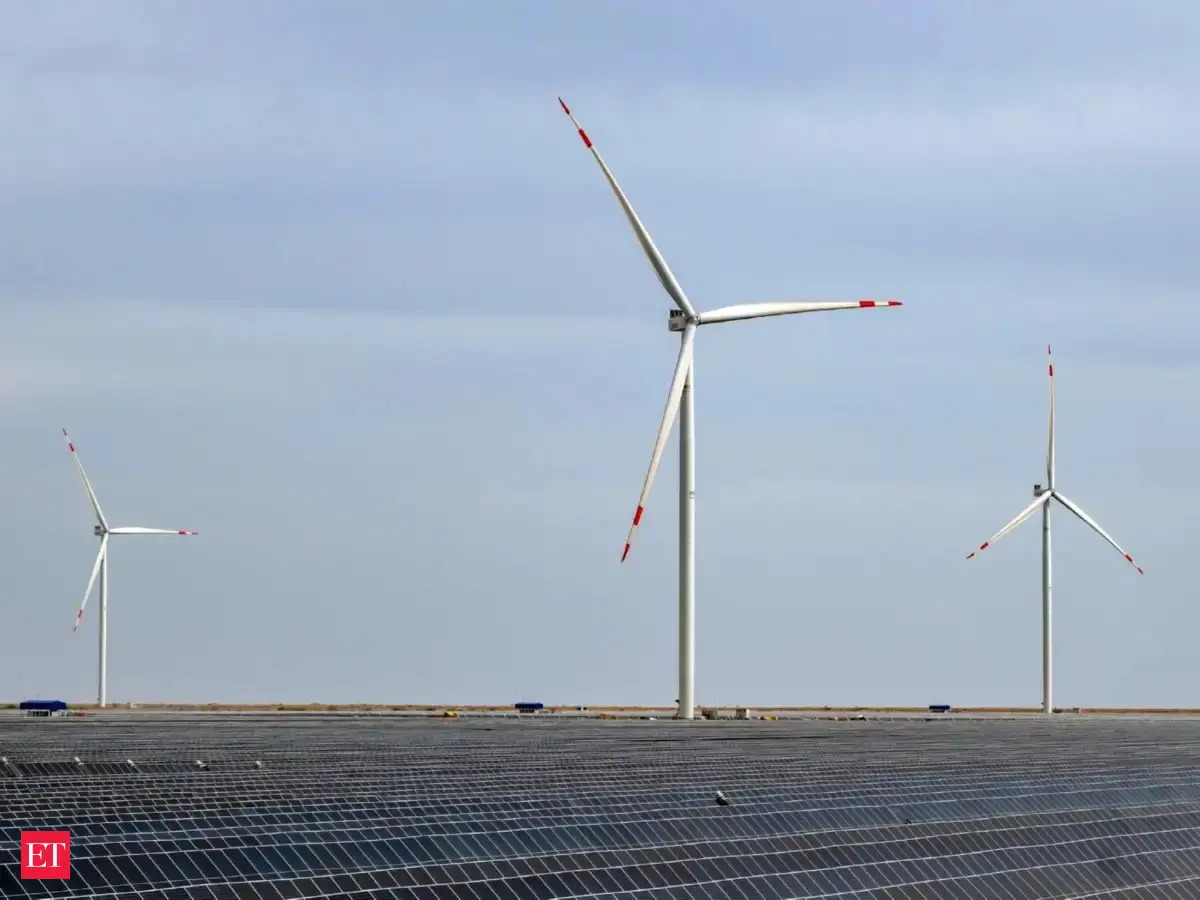
India's electricity demand is projected to increase as industries move towards electric and hydrogen-based processes. This growth in demand is spurred by rising incomes, industrialization, and increased cooling requirements. Data centres and green hydrogen production will significantly contribute to this rising electricity consumption. Additionally, distributed generation is anticipated to meet an increasing share of electricity needs. The power infrastructure will need to evolve to manage this growing demand effectively. View More
New Delhi: India's electricity demand is projected to grow significantly faster than overall energy demand by 2035, with power consumption by data centres and green hydrogen production expected to rise nearly ninefold to around 240 terawatt-hours, according to S&P Global. The report noted that the shift towards electricity is already underway, with electric vehicles reducing dependence on fossil fuels. The transition is expected to accelerate as industries increasingly adopt electricity and green hydrogen-based production processes. Also Read: India looks to AI to make power grid more reliable, secure and smart: MoS MNRE Additionally, industrialisation, rising incomes, growing appliance ownership and higher cooling requirements are expected to drive electricity consumption across the country. "India's energy growth story is becoming more electric, with electricity demand expected to grow much faster than energy demand between 2025 and 2035, at 5.56% and 2.47%, respectively. Electricity's share in the total energy basket could rise to nearly 25% by 2035, from about 19% in 2025," the ratings agency said. Live Events Also Read: India needs Rs 15 lakh crore to add 91 GW nuclear capacity by 2047: CEA chief At the same time, it highlighted that data centres and green hydrogen production will emerge as major sources of electricity demand, with their combined consumption expected to rise nearly ninefold to around 240 terawatt-hours by 2035. Furthermore, while the electricity grid will remain the primary source of power, distributed generation, which produces electricity closer to consumers, is expected to meet a growing share of demand. " This share could increase to about 16% by 2035, from about 13% in 2025," it said. The report noted that rising electricity consumption and increasingly unpredictable demand patterns will put additional pressure on India's power infrastructure. "Meeting this demand reliably will require a diversified supply mix, stronger transmission and distribution networks, storage, and flexible generation and market design that can support a more dynamic electricity system," it noted. S&P Global further noted that India has achieved its 2030 Nationally Determined Contribution (NDC) target of 50 per cent cumulative installed power capacity from non-fossil fuel sources ahead of schedule, while the target for 2035 has been set at 60 per cent. However, the report cautioned that "early progress on capacity targets also changes the nature of the challenge." .Pbanner{display:flex;justify-content:space-between;align-items:center;background-color:#ec1c40;margin-top:20px;padding:5px 10px;border-radius:4px;color:#fff;line-height:10px;width: 100%;box-sizing: border-box} .Pbannertext{display:flex;align-items:center;font-size:16px;font-weight:600;font-family:'Montserrat';} .Pbannertext img{height:20px;margin:0 6px} .Pbannerbutton a{display:flex;align-items:center;background-color:#fff;color:#ec1c40;text-decoration:none;font-weight:600;padding:4px 8px;border-radius:6px;font-size:15px;font-family:'Montserrat';} .Pbannerbutton img{height:20px;margin-right:6px} .Pbannerbutton a:hover{background-color:#f7f7f7} Add as a Reliable and Trusted News Source Add Now! (You can now subscribe to our Economic Times WhatsApp channel) (You can now subscribe to our Economic Times WhatsApp channel)

BHEL shares hit a record high of ?463.60 after the company reported a 120.1% year-on-year rise in Q2 FY27 net profit to ?810 crore. Revenue grew 23.8%, while EBITDA rose 76.6% and margins expanded to 11%. The board also approved a ?500 crore manufacturing investment. View More

The company had clocked a net profit of ?374.89 crore in the second quarter of the preceding financial year, BHEL said in an exchange filing View More

Thus far in the calendar year 2026, BHEL stock outperformed the market by soaring 61% compared to a 14.6% decline in the BSE Sensex. View More

State-owned BHEL on Wednesday reported a two-fold jump in consolidated net profit to Rs 820.94 crore for the September quarter, driven by higher income from key business verticals such as power and industry.
BHEL is India's largest engineering and manufacturing enterprise in the energy and infrastructure sector.
The company had clocked a net profit of Rs 374.89 crore in the second quarter of the preceding financial year, BHEL said in an exchange filing.
In July-September, the company's total income rose 24 per cent to Rs 9,553.01 crore from Rs 7,686.11 crore in the year-ago period.
Sharing segment-wise break-up, the company said that from power and industry businesses, it earned revenue of Rs 6,637.90 crore and Rs 2,662.45 crore, respectively, up from Rs 5,675.64 crore and 1,836.16 crore garnered from the two verticals in the September quarter of FY25.
Expenses stood at Rs 8,482.40 crore compared to Rs 7,201.54 crore a year ago. View More

Along with the estimated investment to add 91 GW by 2047 to reach the 100 GW target, the country also requires deep private sector participation, CEA Chairman Ghanshyam Prasad said View More
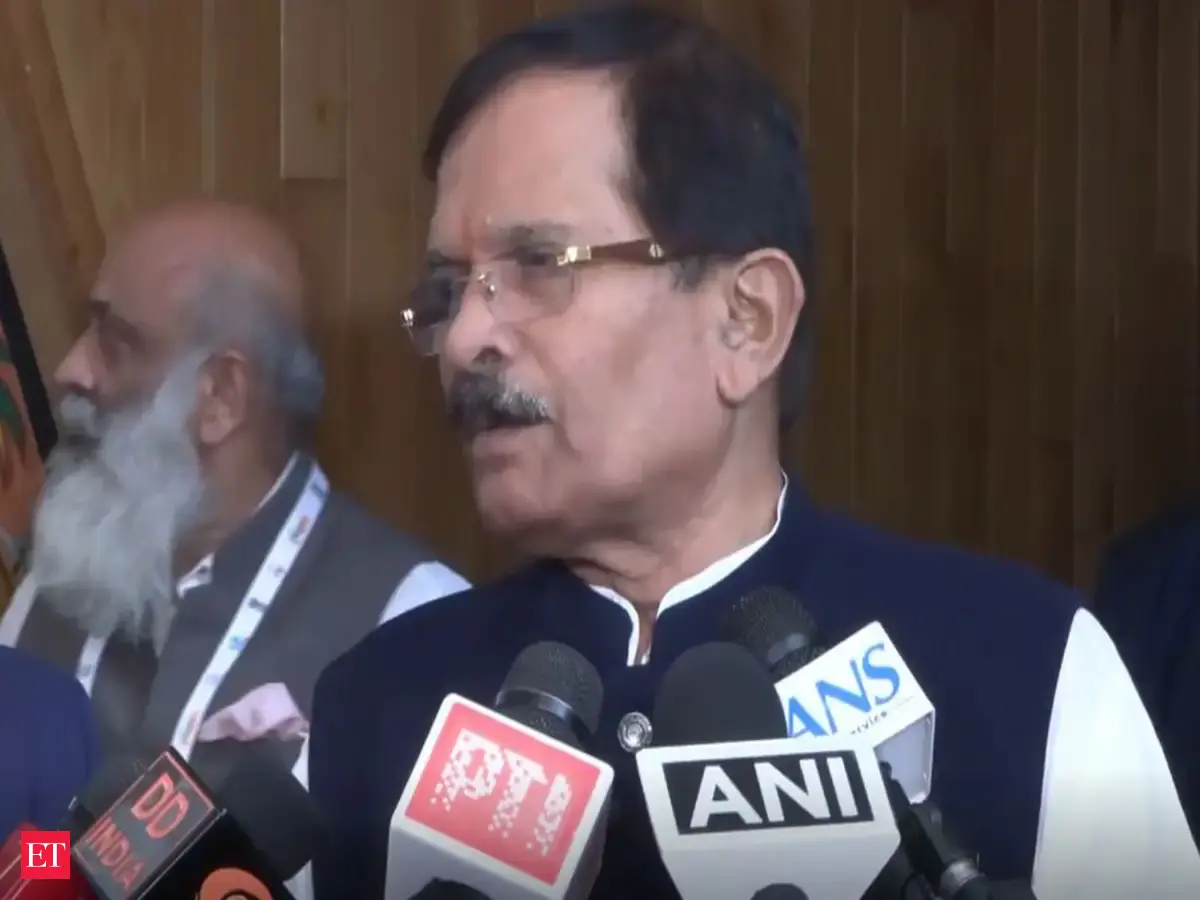
India is focusing on the integration of artificial intelligence in its power sector to improve reliability and security. The government aims to enhance grid management, demand forecasting, and renewable energy integration with AI. Following the successful achievement of its renewable energy capacity target, India is expanding its electricity infrastructure significantly. Around 7.75 crore smart meters have been installed to better monitor consumption patterns across the country. View More
New Delhi: The government is looking to expand the use of artificial intelligence (AI) in India's power sector to make the electricity grid more reliable, resilient and secure, Union Minister of State for Power and New and Renewable Energy Shripad Yesso Naik said on Wednesday. Speaking to the media on the sidelines of the Central Electricity Authority 's (CEA) 53rd Foundation Day brainstorming event in New Delhi, Naik said AI would play an important role in managing the country's vast transmission network and improving electricity services. "To make this large electricity grid reliable, resilient, safe, secure and smart, we need artificial intelligence," Naik said. The push towards AI comes as India expands its electricity generation capacity , particularly from renewable sources, increasing the need for better grid management, demand forecasting and integration of solar and wind energy into the power system. Naik said the government was examining how AI could be used across the electricity sector to improve services and strengthen operations. Live Events "Today is the age of artificial intelligence. AI is affecting every aspect of our lives. Therefore, we want to ensure that AI is properly used in our power sector so that we can provide better services to people," he said. He added that the two-day conference would discuss how the power sector and the ministry could become AI-enabled, alongside issues related to generation, transmission, distribution, renewable energy integration and technical safety standards. Highlighting the expansion of India's electricity infrastructure, Naik said the country's total installed power generation capacity had reached 558 gigawatts (GW), with non-fossil fuel sources accounting for 308 GW, or around 55 per cent. "We had committed to achieving 50 per cent installed capacity from non-fossil fuel sources by 2030, but we achieved this target five years ahead of schedule," he said. The minister also referred to the country's efforts to expand renewable and non-fossil fuel capacity by 2030, underscoring the need for supporting infrastructure as the electricity generation mix changes. On electricity distribution, Naik said around 7.75 crore smart meters had been installed across the country, helping utilities better understand consumption patterns and balance electricity generation with demand. He also said India's transmission network had expanded to around five lakh circuit kilometres, supporting efforts to strengthen power connectivity across the country. Naik said the conference would deliberate on the use of AI to make this expanding electricity network more efficient, reliable and secure, while improving electricity services for consumers. .Pbanner{display:flex;justify-content:space-between;align-items:center;background-color:#ec1c40;margin-top:20px;padding:5px 10px;border-radius:4px;color:#fff;line-height:10px;width: 100%;box-sizing: border-box} .Pbannertext{display:flex;align-items:center;font-size:16px;font-weight:600;font-family:'Montserrat';} .Pbannertext img{height:20px;margin:0 6px} .Pbannerbutton a{display:flex;align-items:center;background-color:#fff;color:#ec1c40;text-decoration:none;font-weight:600;padding:4px 8px;border-radius:6px;font-size:15px;font-family:'Montserrat';} .Pbannerbutton img{height:20px;margin-right:6px} .Pbannerbutton a:hover{background-color:#f7f7f7} Add as a Reliable and Trusted News Source Add Now! (You can now subscribe to our Economic Times WhatsApp channel) (You can now subscribe to our Economic Times WhatsApp channel)
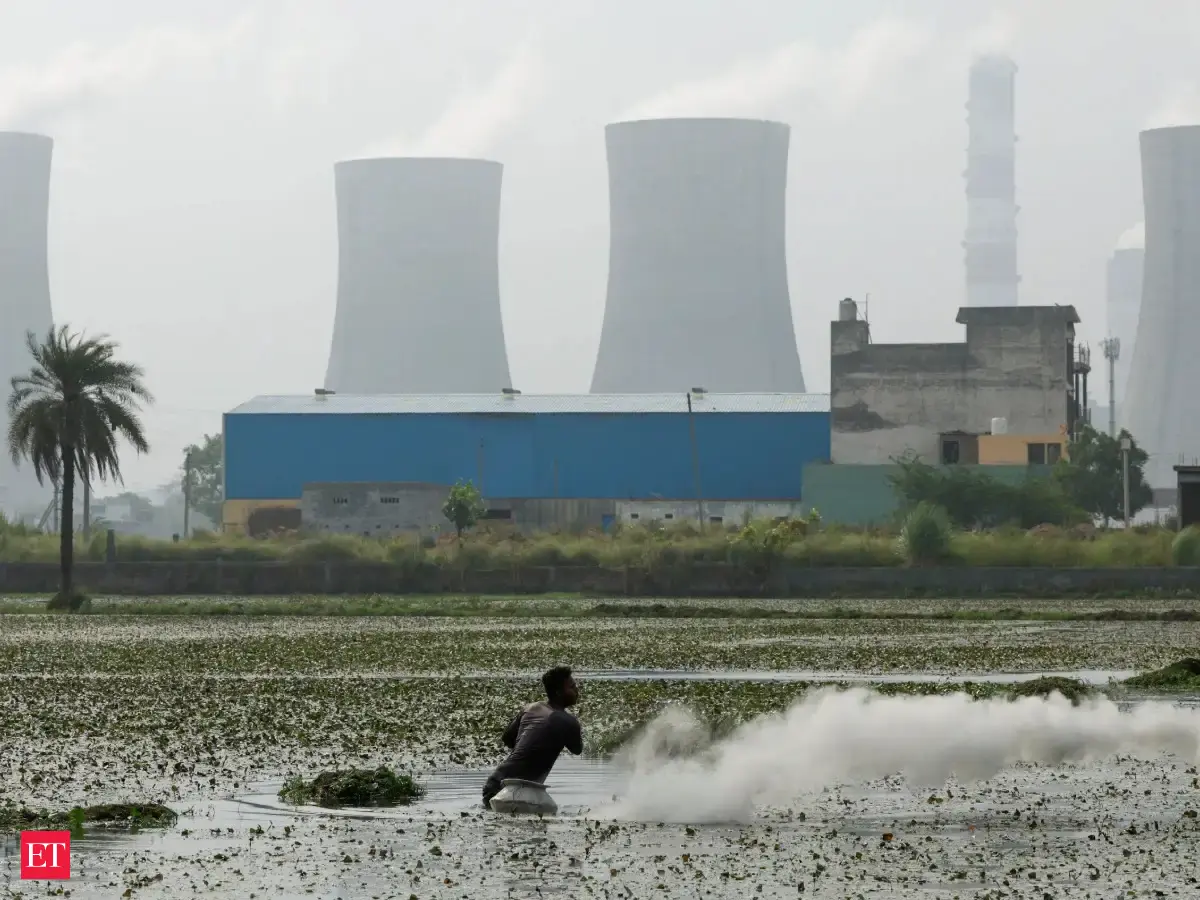
India needs to invest Rs 15 lakh crore to enhance its nuclear capacity to 91 GW by 2047. The Central Electricity Authority Chairman stated that nuclear energy is a stable electricity source. Currently, India has an installed capacity of 8.8 GW, which is projected to reach 22 GW by 2031. Increased private and foreign investment in the nuclear sector is also anticipated. View More
India needs an investment of Rs 15 lakh crore to add 91 gigawatt (GW) of nuclear capacity by 2047, Central Electricity Authority (CEA) Chairman Ghanshyam Prasad said on Wednesday, as per a PTI report. The country also requires deeper private sector participation in the industry, he said. India's present installed nuclear capacity stands at around 8.8 GW, which is expected to grow to 22 GW by 2030-31, Prasad said at the CEA brainstorming event on 'Making Indian Power Sector AI Enabled'. Also Read: India’s coal capacity plans face a major rethink as power demand soars Under the country's 100 GW nuclear power goal, which Prasad describes as a stable source of electricity, 46 GW will come from public sector undertakings (PSUs), private players and joint ventures (JVs), as per the report. Live Events This capacity will help meet peak power demand, which is expected to reach 459 GW by 2035-36 from 250 GW in 2024-25, he added. Prasad argued that 274 GW of renewable energy capacity yields only 29.2% of electricity, while nuclear power adds steady, round-the-clock supply. India opens nuclear sector to private players In December 2025, Parliament approved legislation allowing private and foreign companies to enter India’s nuclear power sector, marking a shift from the state-controlled model. The law requires private companies to obtain licences to operate nuclear power plants , while foreign firms can participate through partnerships with Indian companies. India is targeting a tenfold increase in nuclear capacity to 100 GW by 2047. Rising demand puts pressure on power supply On Tuesday, Prasad told an event organised by the Indian Chamber of Commerce that India may need to add 105 GW to 150 GW of coal-fired power capacity beyond its earlier plan to reach 307 GW by 2035, according to a Reuters report. Also Read: Parliament clears SHANTI Bill, opening India’s nuclear sector to private players He said peak electricity demand this year had been running 45 GW to 50 GW above year-ago levels, partly because weaker monsoon rains had reduced hydropower output and increased reliance on thermal plants. Prasad said the continued expansion of renewable energy would need to be complemented by nuclear power and pumped-storage hydropower to maintain grid stability and ensure reliable electricity supplies. The CEA advises the Centre on matters related to the national electricity policy. .Pbanner{display:flex;justify-content:space-between;align-items:center;background-color:#ec1c40;margin-top:20px;padding:5px 10px;border-radius:4px;color:#fff;line-height:10px;width: 100%;box-sizing: border-box} .Pbannertext{display:flex;align-items:center;font-size:16px;font-weight:600;font-family:'Montserrat';} .Pbannertext img{height:20px;margin:0 6px} .Pbannerbutton a{display:flex;align-items:center;background-color:#fff;color:#ec1c40;text-decoration:none;font-weight:600;padding:4px 8px;border-radius:6px;font-size:15px;font-family:'Montserrat';} .Pbannerbutton img{height:20px;margin-right:6px} .Pbannerbutton a:hover{background-color:#f7f7f7} Add as a Reliable and Trusted News Source Add Now! (You can now subscribe to our Economic Times WhatsApp channel) (You can now subscribe to our Economic Times WhatsApp channel)
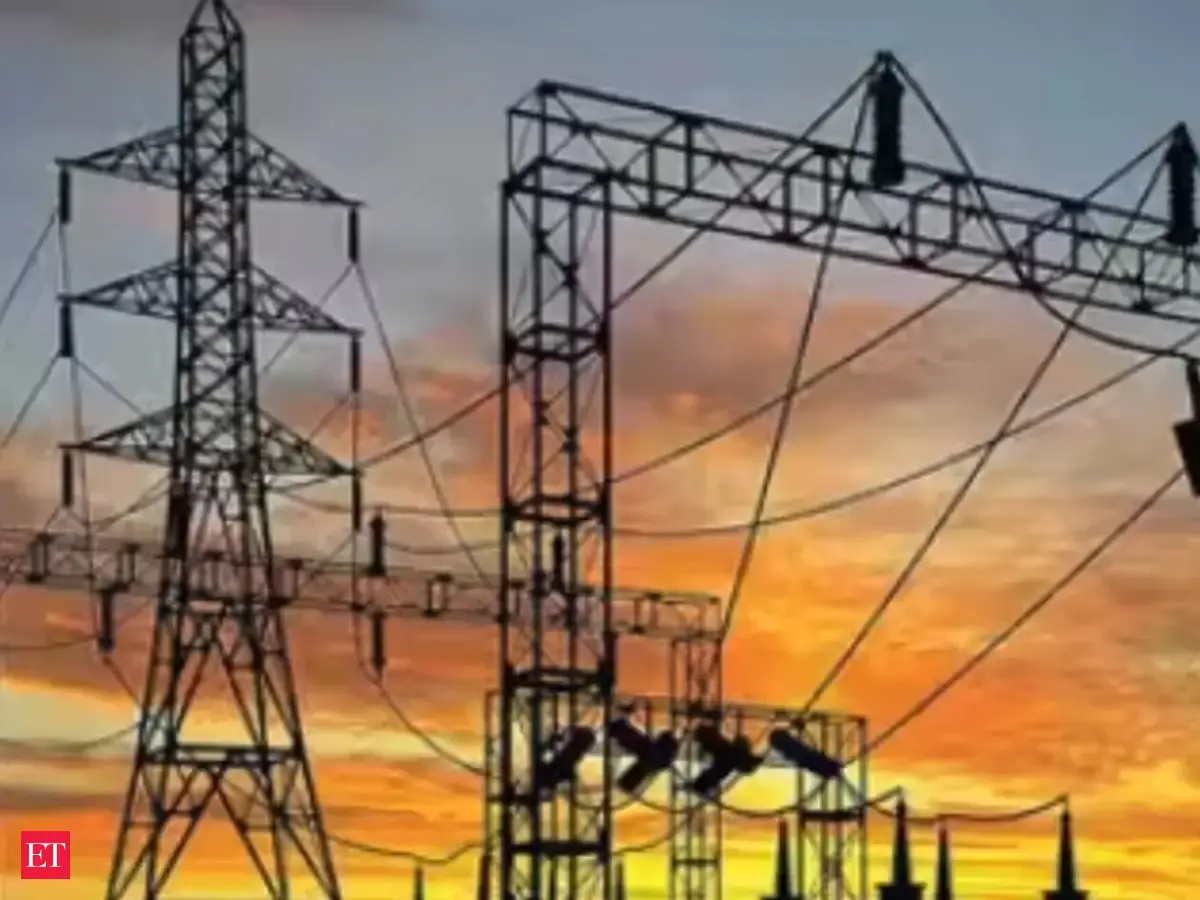
Tata Power is implementing its ?15,000 crore plan expand its transmission network in Mumbai and is intended to support the increasing energy requirements of hyperscalers and data centres. The company plans to enhance its existing 110 kV and 220 kV networks while developing new receiving stations. The company also aims to expand its green energy projects as well as its overall infrastructure capacity. View More
Power generator Tata Power , a subsidiary of Tata Group , announced on Wednesday its ₹15,000 crore Mumbai Grid Upgradation and Expansion Plan to expand its transmission network in the Mumbai Metropolitan Region (MMR) to meet the rising power requirements of hyperscalers and next-generation data centres in the city. According to the company, the expansion would enhance its transmission infrastructure by upgrading its 110 kV and 220 kV network. It is also developing new receiving stations and advancing a 400 kV transmission ring network in an effort to create a resilient and future ready network. The expansion comes amid India’s growing artificial intelligence (AI) and data centre ecosystem. Read more: Tata Power, Imperial College London collaborate for opportunities in energy transition The company’s release said the Ministry of Power , citing CEA estimates, projected that AI-led data centres could add approximately 26.3 gigawatt (GW) of electricity demand by FY 2031-32, with the IEA attributing data centre and electricity demand to India's growing role in the sector. Live Events The firm said that it is driving India’s AI and datacentre expansion with three key energy pipelines, wherein it aims to add 430 megawatt (MW) to its distribution network capacity, 1,236 MW of expansion in transmission capacity in potential projects and 1,150 MW green energy projects being pursued under negotiations. Read more: India’s coal capacity plans face a major rethink as power demand soars The company aims to provide an extensive range of solutions, including powered land, transmission and grid connectivity, renewable energy, energy storage, cooling systems and utility infrastructure to meet the growing energy requirements arising from the country’s burgeoning AI industry. .Pbanner{display:flex;justify-content:space-between;align-items:center;background-color:#ec1c40;margin-top:20px;padding:5px 10px;border-radius:4px;color:#fff;line-height:10px;width: 100%;box-sizing: border-box} .Pbannertext{display:flex;align-items:center;font-size:16px;font-weight:600;font-family:'Montserrat';} .Pbannertext img{height:20px;margin:0 6px} .Pbannerbutton a{display:flex;align-items:center;background-color:#fff;color:#ec1c40;text-decoration:none;font-weight:600;padding:4px 8px;border-radius:6px;font-size:15px;font-family:'Montserrat';} .Pbannerbutton img{height:20px;margin-right:6px} .Pbannerbutton a:hover{background-color:#f7f7f7} Add as a Reliable and Trusted News Source Add Now! (You can now subscribe to our Economic Times WhatsApp channel) (You can now subscribe to our Economic Times WhatsApp channel)