
Latest Sectors News
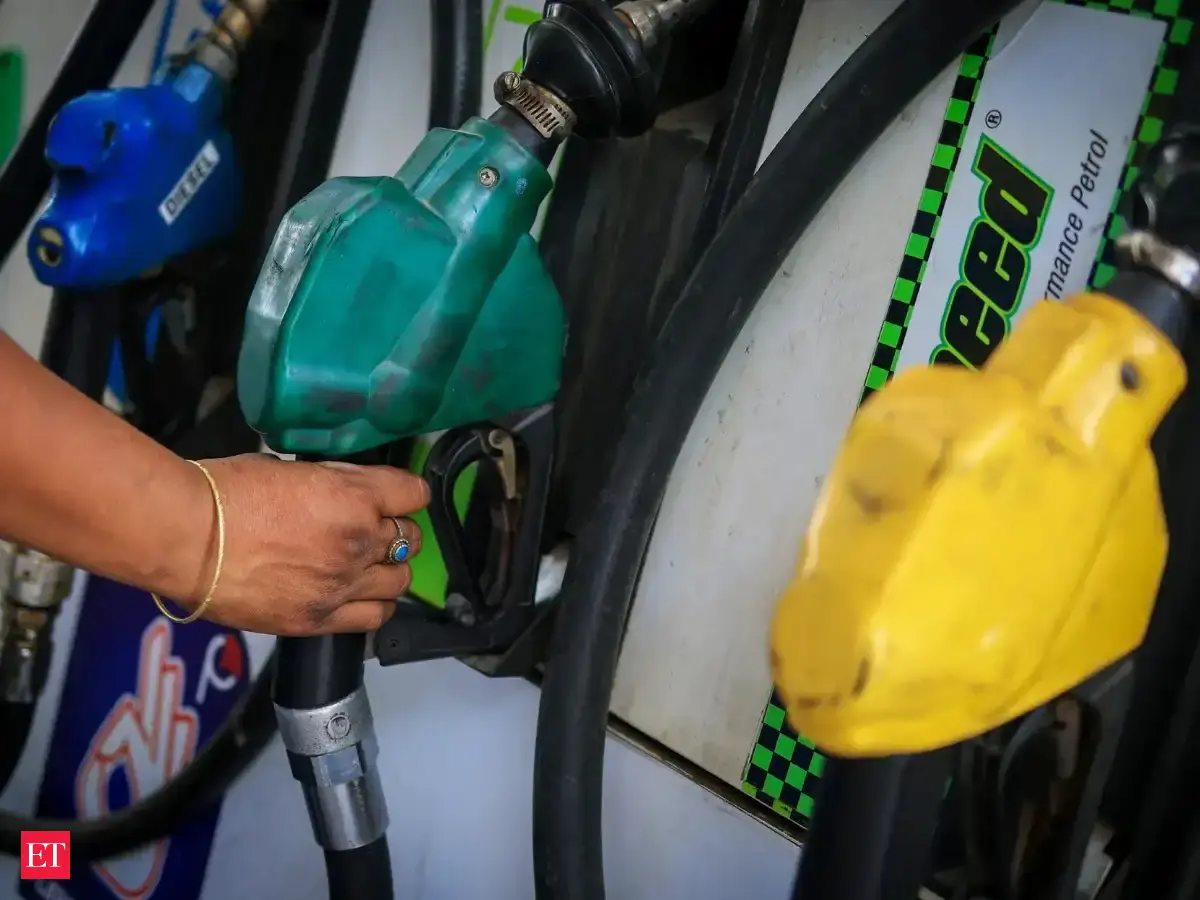
The central government has increased the windfall tax on petrol exports to Rs 2.5 per litre. Simultaneously, the windfall tax on diesel has been reduced to Rs 8.5 per litre. These adjustments will be effective from October 16, as announced by the central board of indirect taxes and customs. View More
The government on Thursday increased the windfall gains tax on the export of petrol to Rs 2.5 per litre and reduced the windfall tax on diesel to Rs 8.5 per litre from Rs 16 per litre, effective October 16. The windfall tax on aviation turbine fuel (ATF) remains unchanged. The changes will be effective from October 16, the central board of indirect taxes and customs (CBIC) said in a statement. Also read: Govt may raise fuel prices in November, top economist says The windfall gains tax rates are revised every fortnight, depending on the average crude oil prices in the last 15 days. There was no change in the existing duty rates on petrol and diesel cleared for domestic consumption. Live Events The latest revision comes at a time when US-Iran war and the Russia-Ukraine war have boosted freight and insurance rates, taking crude oil price around $95 per barrel, according to LSEG shipping and oil price data cited by Reuters. .Pbanner{display:flex;justify-content:space-between;align-items:center;background-color:#ec1c40;margin-top:20px;padding:5px 10px;border-radius:4px;color:#fff;line-height:10px;width: 100%;box-sizing: border-box} .Pbannertext{display:flex;align-items:center;font-size:16px;font-weight:600;font-family:'Montserrat';} .Pbannertext img{height:20px;margin:0 6px} .Pbannerbutton a{display:flex;align-items:center;background-color:#fff;color:#ec1c40;text-decoration:none;font-weight:600;padding:4px 8px;border-radius:6px;font-size:15px;font-family:'Montserrat';} .Pbannerbutton img{height:20px;margin-right:6px} .Pbannerbutton a:hover{background-color:#f7f7f7} Add as a Reliable and Trusted News Source Add Now! (You can now subscribe to our Economic Times WhatsApp channel) (You can now subscribe to our Economic Times WhatsApp channel)
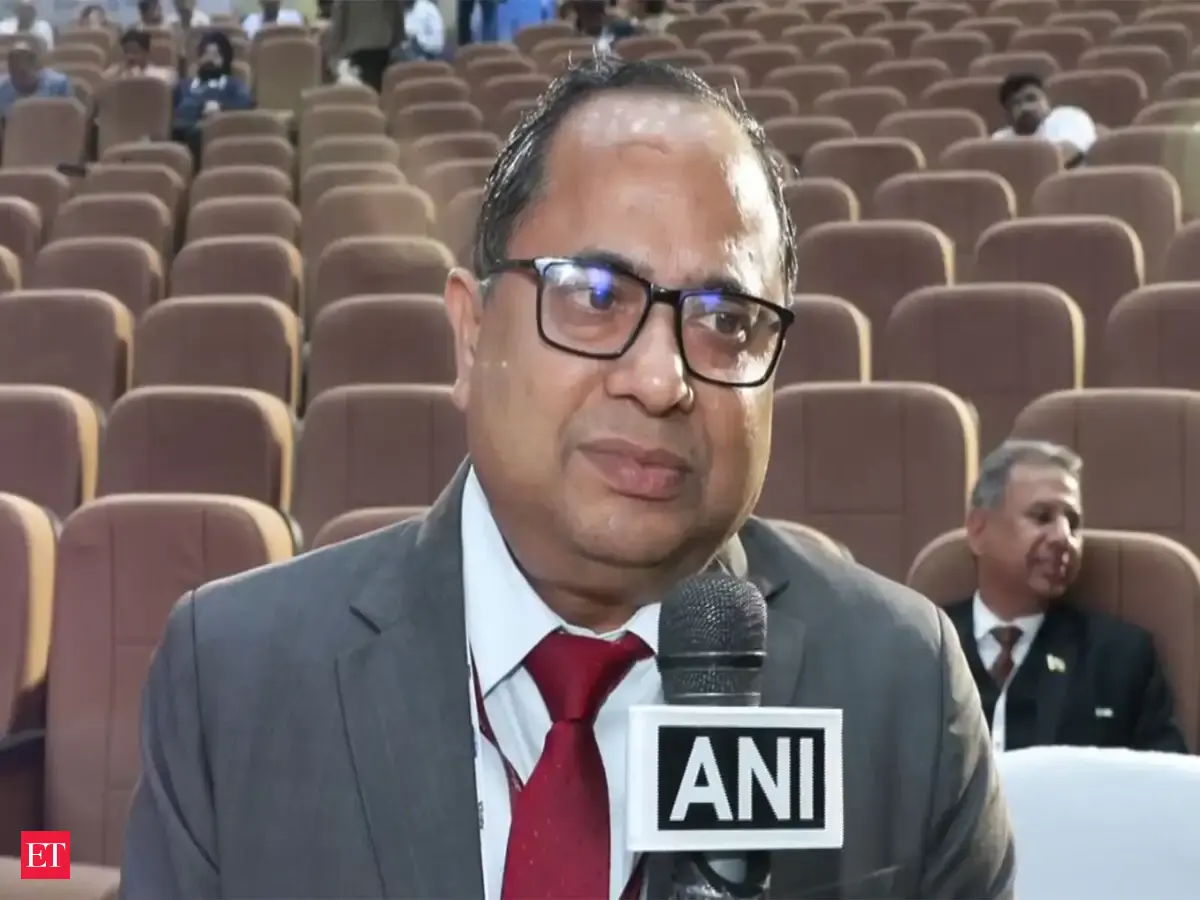
India's data-centre capacity may increase to 24-26 GW, which is substantially higher than the current capacity. However, this growth will still represent a limited portion of overall electricity demand. The Central Electricity Authority has accounted for this expected rise in future power projections. Alongside, the renewable energy capacity is aimed to reach approximately 800 GW by 2035-36. View More
New Delhi [India]: India's data-centre capacity could surge to 24-26 GW from less than 2 GW currently, however, its share of overall electricity demand is likely to remain limited, said Central Electricity Authority (CEA) Chairperson Ghanshyam Prasad, adding, the country's renewable energy capacity is targeted to reach around 800 GW by 2035-36. Speaking to on the sidelines of the 'Making the Indian Power Sector AI Enabled' event, Prasad said the expected growth in data-centre capacity has already been factored into the country's future power demand projections, with generation capacity being expanded accordingly. "Right now the data center is hardly less than 2 gigawatt. Even if it goes to 24 to 26 what has been said today and maybe it might go slightly higher as well. Still, as a percentage of the overall demand it is not going to be much...even if it happens for example, we have already factored this in our future projections and we are planning our resources to be built accordingly," he said. Highlighting the importance of maintaining sufficient power generation capacity, he said, "What we are only concentrating is we should not at any point of time run short of capacity in the country so that we are not able to meet the demands of the consumer." On renewable energy expansion, Prasad said India's installed renewable energy capacity had reached 308 GW, crossing the 300 GW milestone. "We would definitely be reaching around 500 gigawatt by 2030...we have now also planned for 2035-36 wherein we are targeting to reach somewhere around around 800 gigawatt in that time frame." Live Events Prasad also expressed optimism about the development of energy storage infrastructure, saying the sector was gaining momentum. "Storage is not an issue. It's picking up and it will definitely come up very, very soon," he said. Prasad further stressed the need to accelerate the adoption of smart meters to improve the visibility of electricity consumption and generation across the power network. "Smart meter is taking off and it is the need of the hour because we need informations right from the consumer level till the generation level.So, since this information is required, we need meters which can communicate, and now because the rooftop is also coming in in a big way, so we need the visibility of these rooftops also to the load dispatchers," he added. .Pbanner{display:flex;justify-content:space-between;align-items:center;background-color:#ec1c40;margin-top:20px;padding:5px 10px;border-radius:4px;color:#fff;line-height:10px;width: 100%;box-sizing: border-box} .Pbannertext{display:flex;align-items:center;font-size:16px;font-weight:600;font-family:'Montserrat';} .Pbannertext img{height:20px;margin:0 6px} .Pbannerbutton a{display:flex;align-items:center;background-color:#fff;color:#ec1c40;text-decoration:none;font-weight:600;padding:4px 8px;border-radius:6px;font-size:15px;font-family:'Montserrat';} .Pbannerbutton img{height:20px;margin-right:6px} .Pbannerbutton a:hover{background-color:#f7f7f7} Add as a Reliable and Trusted News Source Add Now! (You can now subscribe to our Economic Times WhatsApp channel) (You can now subscribe to our Economic Times WhatsApp channel)


BHEL's shares fell 5% on Thursday, after hitting a new 52-week high on Wednesday. The U-turn in investor sentiment was in reaction to order inflows sliding to multi-quarter low. View More
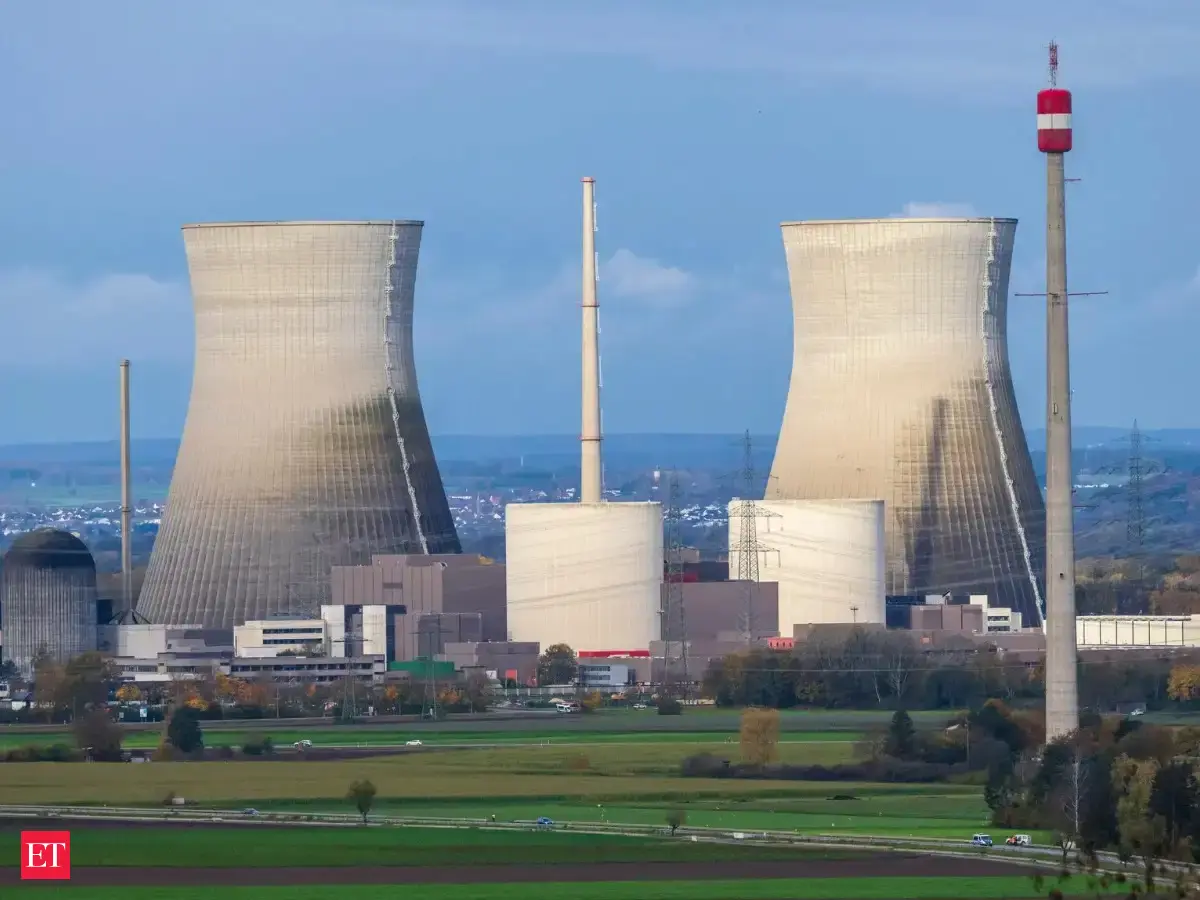
Sumant Sinha, Chairman & CEO of ReNew, indicates that nuclear projects could be a viable alternative to coal. He emphasizes that reducing the high setup costs of nuclear plants is crucial for wider adoption. India aims to increase its nuclear capacity from 8.8 GW to 100 GW by 2047. Current estimates suggest this growth will require substantial investments of Rs 15 lakh crore. View More
New Delhi: Nuclear projects can be a "good replacement" for coal in India if the cost for setting up the non-fossil fuel-based capacities comes down, an industry executive said on Thursday. Currently, India produces less than 10 gigawatt (GW) of nuclear power, Sumant Sinha, Chairman & CEO of ReNew said noting the EPC cost for setting up nuclear projects tends to be much higher in the country. "Right now we (India) produce about less than 10 GW of nuclear capacity. Most of that is relatively expensive because EPC costs tend to go much higher than what was originally anticipated," Sinha, who is also the Founder of homegrown renewable energy player, said. Sinha did not share any financial details related to cost involved in setting up a nuclear project in India. According to industry estimates, a 1 GW nuclear plant requires an investment of Rs 15,000-20,000 crore and typically takes at least three years from concept to commissioning. His comments came in as part of discussions during a session at the ongoing Bloomberg New Economy Forum 2026 in the national capital. Live Events Replying to a question related to the scope of nuclear power in India, Sinha said the cost to set up nuclear plants has to be lower, which can replace coal in the long-term. "...it's not clear to me what the eventual cost of the nuclear power is going to be and India has a pretty cost-sensitive market. So if the cost is a lot higher, then I don't see a lot of people adopting nuclear that easily. But having said that, it is a bit of a like-to-like replacement for coal," he noted. In India, the government has set a target to scale up the country's nuclear capacity target to 100 GW by 2047 by adding around 91 GW to the current 8.8 GW. "We want to have 100 gigawatts of nuclear capacity, which is a 10x growth in the next 20 years. ...you can argue that if you can get the price of nuclear down, in longer term, it'll be a good thing to replace coal with," Sinha said. The Central Electricity Authority (CEA), a body that advises the Centre on matters related to the national electricity policy, has estimated that the country's 100 GW nuclear capacity vision will require investments worth Rs 15 lakh crore. .Pbanner{display:flex;justify-content:space-between;align-items:center;background-color:#ec1c40;margin-top:20px;padding:5px 10px;border-radius:4px;color:#fff;line-height:10px;width: 100%;box-sizing: border-box} .Pbannertext{display:flex;align-items:center;font-size:16px;font-weight:600;font-family:'Montserrat';} .Pbannertext img{height:20px;margin:0 6px} .Pbannerbutton a{display:flex;align-items:center;background-color:#fff;color:#ec1c40;text-decoration:none;font-weight:600;padding:4px 8px;border-radius:6px;font-size:15px;font-family:'Montserrat';} .Pbannerbutton img{height:20px;margin-right:6px} .Pbannerbutton a:hover{background-color:#f7f7f7} Add as a Reliable and Trusted News Source Add Now! (You can now subscribe to our Economic Times WhatsApp channel) (You can now subscribe to our Economic Times WhatsApp channel)

Zetwerk Manufacturing is planning to raise ?2,830 crore through an IPO while also aiming for ?2,182 crore from an offer for sale. The company, which was incorporated in 2017, has various clients and operates a universal factory model. Although revenue grew significantly, the operating margin remained thin and net losses increased in recent years. Investors are cautious due to rising debt and negative operating cash flow trends. View More
ET Intelligence Group: Zetwerk Manufacturing Businesses, a manufacturer of assorted products with dominant share from green energy , is seeking to raise as much as ₹2,830 crore through fresh equity in an IPO even as it continues to make losses. It will also raise upto ₹2,182 crore through an offer for sale. Given the profile of the company, it says there are very few peers in Indian listed space, but boasts of clients including Siemens Gamesa , CG Power, and NTPC Renewable. While the normal price-to-earnings metrics wouldn't apply here due to its losses, the cash flow doesn't appear to be inspiring with a negative operating cash flow over the past three years. The debt is rising too. The cash deficit narrowed to ₹506.2 crore as of June 2026 from ₹796.4 crore a year earlier. Net debt rose to ₹1,942.2 crore as of June 2026 from ₹1,232.1 crore in FY24. The IPO is priced at a revenue to sales multiple of 1.6 on post-IPO equity basis. The promoter group's stake will reduce to 15.4% after the IPO from 20.7%. ET Bureau Business Incorporated in 2017 and backed by investors such as Peak XV Partners, Accel India, and Lightspeed India Partners, Zetwerk unites own manufacturing and third-party supplies using a proprietary technology platform, Zetwerk OS . Apart from finished products, it also sources industrial commodities including ferrous and non-ferrous metals from third party suppliers for its customers enabling cost-effective procurement under the ecosystem segment. The company operates a 'universal factory' model combining a network of 6,979 third-party suppliers across 26 countries with 26 owned manufacturing facilities across four countries including India, Spain, USA and Germany. Read more: Jio IPO: 5 strengths that put the Reliance-backed digital giant in spotlight Financials Revenue from operations increased 13.4% annually to 15,913.3 crore between FY24 and FY26. The operating margin before depreciation and amortisation (Ebitda margin) was 2.7% in FY26, 2.9% in FY25 and 0.8% in FY24. Net loss widened to ₹1,606.2 crore in FY26 from ₹370.7 crore in FY25 and ₹917.9 crore in FY24. In the June quarter, revenue grew 55.4% to ₹4,117.9 crore while net loss reduced to ₹733 crore from ₹1,368.5 crore year-on-year. Live Events Read more: Jio IPO sparks investor buzz: GMP rises to 20% as Reliance’s telecom arm announces price band, dates Valuation While the company has grown revenue rapidly over the past three years, it works on wafer thin operating margin and continues to report net losses. Given these factors and that it outsources much to fulfil its order book, investors may wait to see clarity in financials. .Pbanner{display:flex;justify-content:space-between;align-items:center;background-color:#ec1c40;margin-top:20px;padding:5px 10px;border-radius:4px;color:#fff;line-height:10px;width: 100%;box-sizing: border-box} .Pbannertext{display:flex;align-items:center;font-size:16px;font-weight:600;font-family:'Montserrat';} .Pbannertext img{height:20px;margin:0 6px} .Pbannerbutton a{display:flex;align-items:center;background-color:#fff;color:#ec1c40;text-decoration:none;font-weight:600;padding:4px 8px;border-radius:6px;font-size:15px;font-family:'Montserrat';} .Pbannerbutton img{height:20px;margin-right:6px} .Pbannerbutton a:hover{background-color:#f7f7f7} Add as a Reliable and Trusted News Source Add Now! (You can now subscribe to our ETMarkets WhatsApp channel) (You can now subscribe to our ETMarkets WhatsApp channel)

The state-run generator has pitched for six unbuilt reactors under a 2014 bilateral pact as it targets 30GW of nuclear capacity by 2047. View More
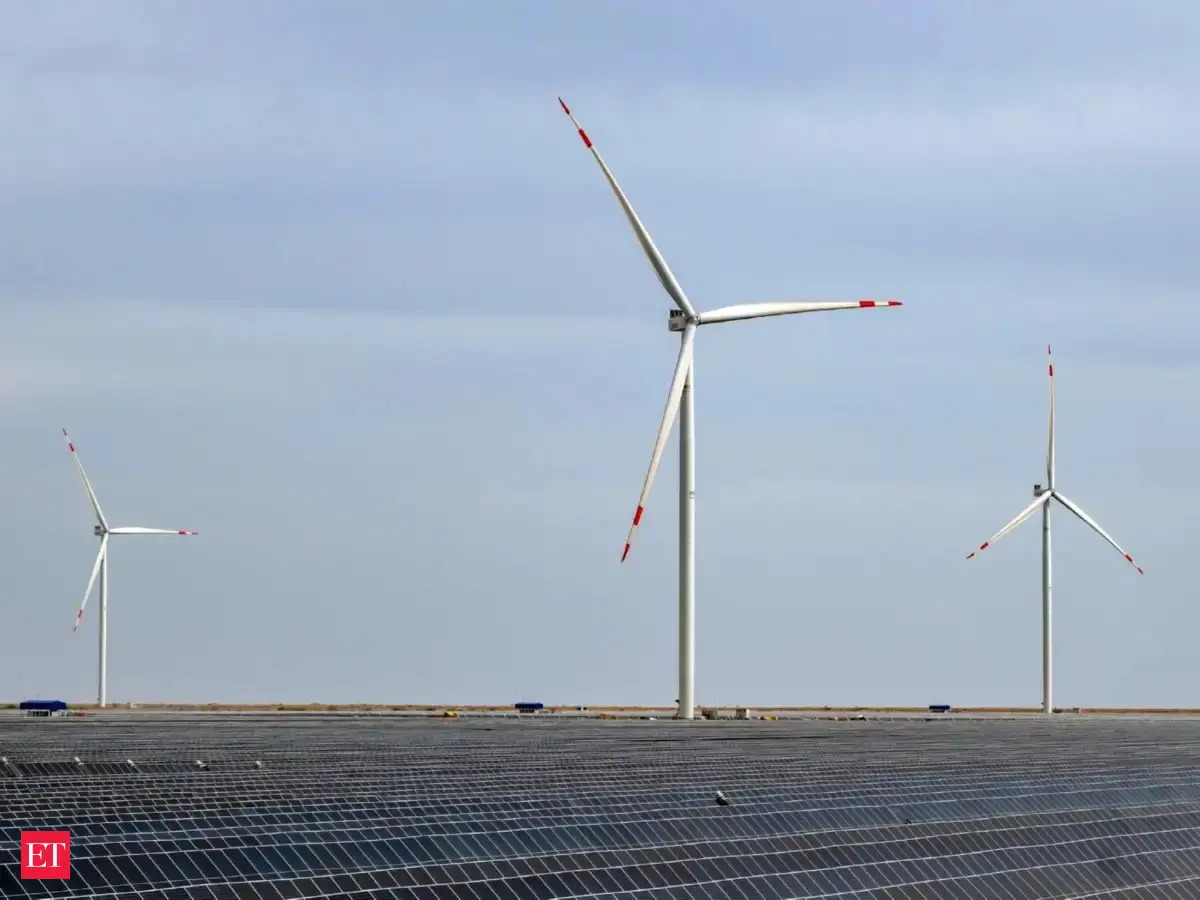
India's electricity demand is projected to increase as industries move towards electric and hydrogen-based processes. This growth in demand is spurred by rising incomes, industrialization, and increased cooling requirements. Data centres and green hydrogen production will significantly contribute to this rising electricity consumption. Additionally, distributed generation is anticipated to meet an increasing share of electricity needs. The power infrastructure will need to evolve to manage this growing demand effectively. View More
New Delhi: India's electricity demand is projected to grow significantly faster than overall energy demand by 2035, with power consumption by data centres and green hydrogen production expected to rise nearly ninefold to around 240 terawatt-hours, according to S&P Global. The report noted that the shift towards electricity is already underway, with electric vehicles reducing dependence on fossil fuels. The transition is expected to accelerate as industries increasingly adopt electricity and green hydrogen-based production processes. Also Read: India looks to AI to make power grid more reliable, secure and smart: MoS MNRE Additionally, industrialisation, rising incomes, growing appliance ownership and higher cooling requirements are expected to drive electricity consumption across the country. "India's energy growth story is becoming more electric, with electricity demand expected to grow much faster than energy demand between 2025 and 2035, at 5.56% and 2.47%, respectively. Electricity's share in the total energy basket could rise to nearly 25% by 2035, from about 19% in 2025," the ratings agency said. Live Events Also Read: India needs Rs 15 lakh crore to add 91 GW nuclear capacity by 2047: CEA chief At the same time, it highlighted that data centres and green hydrogen production will emerge as major sources of electricity demand, with their combined consumption expected to rise nearly ninefold to around 240 terawatt-hours by 2035. Furthermore, while the electricity grid will remain the primary source of power, distributed generation, which produces electricity closer to consumers, is expected to meet a growing share of demand. " This share could increase to about 16% by 2035, from about 13% in 2025," it said. The report noted that rising electricity consumption and increasingly unpredictable demand patterns will put additional pressure on India's power infrastructure. "Meeting this demand reliably will require a diversified supply mix, stronger transmission and distribution networks, storage, and flexible generation and market design that can support a more dynamic electricity system," it noted. S&P Global further noted that India has achieved its 2030 Nationally Determined Contribution (NDC) target of 50 per cent cumulative installed power capacity from non-fossil fuel sources ahead of schedule, while the target for 2035 has been set at 60 per cent. However, the report cautioned that "early progress on capacity targets also changes the nature of the challenge." .Pbanner{display:flex;justify-content:space-between;align-items:center;background-color:#ec1c40;margin-top:20px;padding:5px 10px;border-radius:4px;color:#fff;line-height:10px;width: 100%;box-sizing: border-box} .Pbannertext{display:flex;align-items:center;font-size:16px;font-weight:600;font-family:'Montserrat';} .Pbannertext img{height:20px;margin:0 6px} .Pbannerbutton a{display:flex;align-items:center;background-color:#fff;color:#ec1c40;text-decoration:none;font-weight:600;padding:4px 8px;border-radius:6px;font-size:15px;font-family:'Montserrat';} .Pbannerbutton img{height:20px;margin-right:6px} .Pbannerbutton a:hover{background-color:#f7f7f7} Add as a Reliable and Trusted News Source Add Now! (You can now subscribe to our Economic Times WhatsApp channel) (You can now subscribe to our Economic Times WhatsApp channel)

BHEL shares hit a record high of ?463.60 after the company reported a 120.1% year-on-year rise in Q2 FY27 net profit to ?810 crore. Revenue grew 23.8%, while EBITDA rose 76.6% and margins expanded to 11%. The board also approved a ?500 crore manufacturing investment. View More

The company had clocked a net profit of ?374.89 crore in the second quarter of the preceding financial year, BHEL said in an exchange filing View More