
Latest Sectors News

High-deductible medical benefit plans with health savings accounts are on the menu at many employers as enrollment season for 2027 continues. View More
Alvaro Gonzalez | Moment | Getty ImagesWorkers are in the heart of open enrollment season for next year's benefits, and rising healthcare costs are shining a spotlight on an offering that includes a tax-advantaged investment account.Healthcare expenses are climbing for workers and employers alike, with average total family premiums, including the employer's share, averaging $28,303, up 5% from a year ago, according to data from health policy organization KFF, formerly the Kaiser Family Foundation. To manage the costs, a growing number of employers are moving to high-deductible health plans, which work alongside health savings accounts or HSAs. Almost 40% of companies with at least 10 employees that offer health benefits also have an HSA-qualified plan, KFF found.Health savings accounts have three major tax advantages. First, contributions that your employer automatically deducts from your pay aren't taxed. Second, money stashed into the HSA grows free of taxes. Finally, you can make tax-free withdrawals for qualified health expenses â just be sure to save your receipts."I love HSAs because of their triple-tax advantage," said Eileen Olson, CFP and founder of Emerald Wealth in Daufuskie Island, South Carolina, near Savannah, Georgia. "For people who can afford to leave it alone, it can be one of the best retirement accounts they're going to have."Money for the long runIn 2027, those with individual healthcare coverage through a high-deductible plan can stash up to $4,500 in an HSA, including any contributions from employers. That number goes up to $9,000 for family plans. Individuals can kick in a catch-up contribution of $1,000 if they're aged 55 and older and not enrolled in Medicare.The HSA differs from the healthcare flexible spending account, known as the FSA. FSA funds must be used by the end of the plan year unless your employer allows a carryover of up to $700 or an additional 2.5 months to use the money. HSAs, however, have no expiration date on their funds â and that's what makes them such a powerful tool for long-term planning. You can also take the HSA with you if you change employers."Get the money deployed, take advantage of the pretax contribution, and allocate the money into a growth portfolio," said Mark Stancato, certified financial planner at VIP Wealth Advisors in Decatur, Georgia. "With the HSA, you can keep compounding year over year."Optimizing your accountThe structure of an HSA and the available investment menu will vary from one plan to the next, and some will require that employees keep some of their holdings in cash.Preset HSA fund menus tend to have 15 to 25 funds to choose from, and providers say that accountholders who invest tend to use two to four funds, according to Greg Carlson, senior research analyst for equity strategies at Morningstar. How you allocate your HSA will depend on several factors, including your family's health prospects in the next year, your cash flow needs â how much you can comfortably sock into the HSA â and your risk tolerance, said André Small, CFP and founder of A Small Investment in Houston.Health savings accounts contributions and plan info for 2027Category Self-only coverage Family coverage Annual contribution limit$4,500 $9,000 Catch-up contribution (age 55+)$1,000 $1,000 Annual high-deductible plan deductible limitNo less than $1,750No less than $3,500Annual out-of-pocket expensesNo more than $8,700No more than $17,400Source: Internal Revenue ServiceSmall's standard is to keep an amount equal to 120% of the plan's out-of-pocket maximum held in cash in the HSA. "That covers a bad year without forcing a sale at the wrong time," he said. "Above that amount? I typically advise investing the amount the client is comfortable investing, allocated to their risk tolerance, their time horizon and the goal of spending these dollars on care later."For 2027, the IRS defines a high-deductible plan as one with an annual deductible no less than $1,750 for self-only coverage ($3,500 for family plans) and with an out-of-pocket expense limit that doesn't exceed $8,700 for self-only (or $17,400 for family coverage). Out-of-pocket expenses include deductibles, copays and other costs â but not premiums.Growth orientedOther advisors suggest having up to the deductible in cash, though some HSA plan providers require a stated minimum amount in cash.Beyond this cash reserve, financial advisors recommend allocating into stocks.Patrick Swift, CFP and president of Amplius Wealth Advisors in Blue Bell, Pennsylvania, aims for an allocation of up to 60% in U.S. large cap stocks, 20% in small and mid-cap stocks and 20% in international stocks. "We believe the equity portfolio should be well diversified," he said. "If the [HSA] balance is 2% to 10% of your net worth, why not be aggressive? That can change based on the situation, but if you are comfortable with the philosophical aspect, why not be growth oriented?"Similarly, Stancato likes to go heavy on equity exposure in HSA accounts. "I allocate more dollars into small caps and emerging markets â those asset classes with more volatility but also more opportunity for growth," the advisor said. He also adds some large-cap domestic exposure.For the adventurous, select HSA providers are offering brokerage window access, meaning investors can pick from a broader array of investments, including individual stocks. This year, seven providers surveyed by Morningstar offer access to brokerage windows â up from four in 2023 â including HealthEquity, Fidelity and Lively. Be aware that there may be annual fees attached, either a flat dollar amount or a percentage of assets.Rachel Elson, a CFP and wealth advisor at Perigon Wealth Management in San Francisco, recommends keeping things simple. "You can do a three-ETF model, covering some allocation that includes the U.S. market, and two ETFs for developed and emerging markets.""You don't need to get super complicated here," she added. Choose CNBC as your preferred source on Google and never miss a moment from the most trusted name in business news.

CEA V Anantha Nageswaran says supply shocks will dominate the global economy, making monetary policy less effective and placing greater responsibility on fiscal measures View More

Chief Economic Advisor V Anantha Nageswaran on Friday said monetary policy tools such as interest rate adjustments may become less effective in tackling inflation in a world increasingly vulnerable to supply-side disruptions.
"Fiscal and other public policy measures will be more important because raising interest rates will not solve the supply-induced problems. If anything, it may even be counter-productive," he said at the 9th Annual Food Systems Dialogue here.
Amid persistent supply induced issues, countries will have to use all kinds of flexibilities with regards to the inflation targeting framework, he said.
"Since 2022, very few countries have met their inflation target. So, it will be there as a framework, but I think countries will take creative liberties with it, as they have to," he added.
Supply chain disruption following the Russia-Ukraine war, which has been ongoing since February 2022, followed by the West Asia crisis, has resulted in soaring prices, especially energy View More
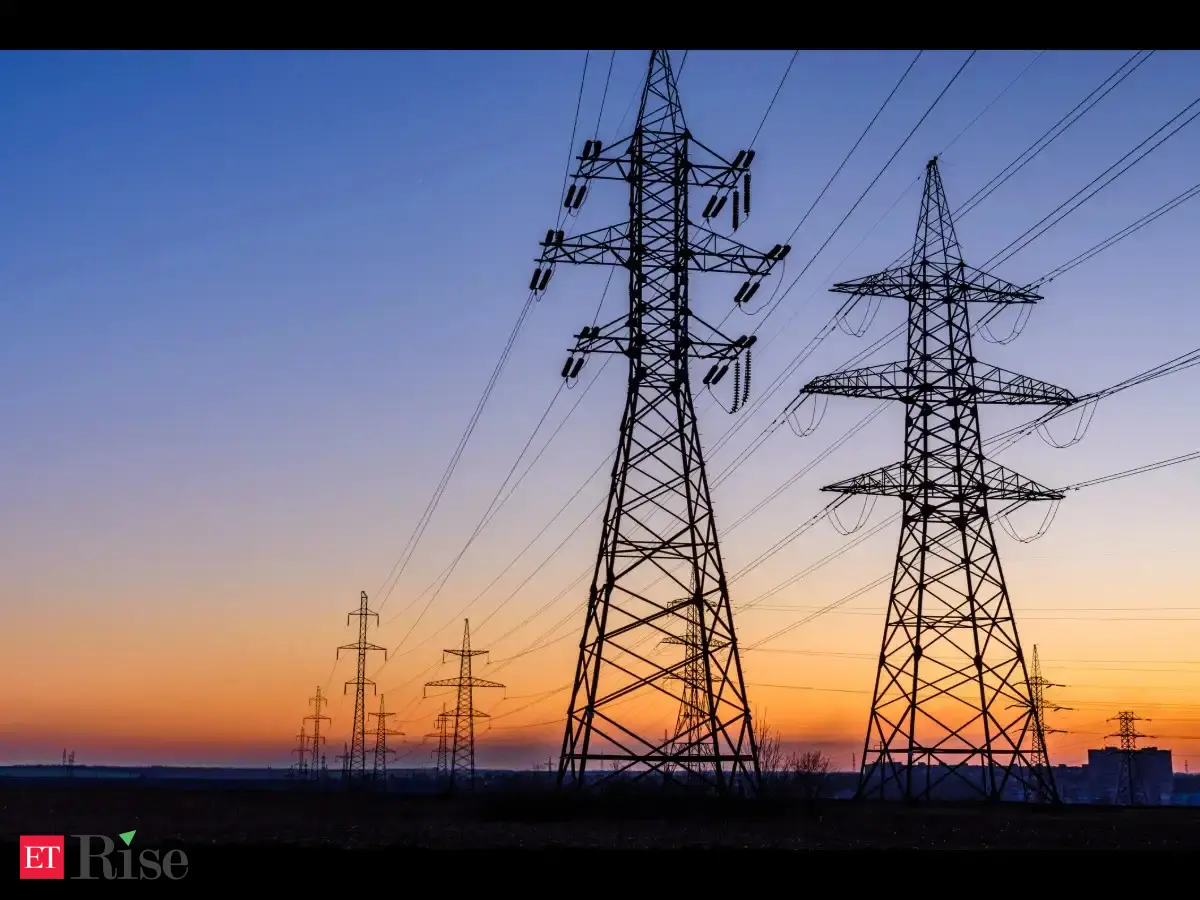
Around the globe, governments are prioritizing the swift connection of data centers to local power grids in a bid to reduce emissions. Data center developers are innovating by implementing on-site power generation to avoid the delays caused by grid connections. According to a recent BloombergNEF report, there are proposed policies designed to streamline these connections while preserving ecological integrity. View More
Governments around the world are looking for ways to speed up data centers ’ connections to local power grids, seeking to curb a growing reliance on on-site natural gas plants that threatens to increase emissions from the boom in artificial intelligence, according to BloombergNEF . Data-center developers are increasingly turning to so-called behind-the-meter power generation to bypass years-long waits for grid connections and get their facilities running sooner. Those systems typically rely on natural gas, potentially reversing years of progress in cutting emissions from electricity generation. A report published Wednesday by BNEF examines proposed policy efforts in the US, Europe and Asia to accelerate grid connections and limit the environmental impact of data-center growth. “Powering data centers via the grid today would result in lower CO2 emissions than using on-site gas in the US and Europe,” the report’s authors wrote. “Keeping data centers connected to the grid in developed markets is therefore a core pillar of keeping them green.” BNEF’s report comes as the annual UN Climate Change Conference, COP31, gets underway in Antalya, Turkey. The environmental footprint of data-center expansion is expected to feature in discussions among world leaders, government officials and financial industry executives seeking ways to accelerate the transition to cleaner energy. Live Events Bankers have already said AI will be part of “every conversation” at the summit. Even so, the scale of AI’s climate impact remains difficult to quantify. Data-center electricity demand is likely to quadruple by 2035, reaching about 7% of global power consumption, according to BNEF estimates. Beyond the formal negotiations, which often struggle to produce consensus agreements, countries at COP31 will be asked to support voluntary pledges. These include a proposal from Turkey for greater disclosures about AI’s energy use and environmental impact, as well as a commitment to power data centers with clean energy . On Wednesday, Sherry Madera, chief executive of carbon disclosure nonprofit CDP, said in an interview at COP31 that AI’s rapid expansion is exposing gaps in data-center environmental reporting, making it hard to assess the industry’s climate impact. The BNEF report, commissioned by Bloomberg Philanthropies , assessed seven different policy types aimed at speeding up data centers’ grid connections. Four showed strong evidence of accelerating those connections, while only two were found to have a direct impact on increasing the supply of clean energy for data centers. “The bottom line here is it depends on what each power market needs,” said Musfika Mishi, a BNEF analyst and co-author of the report. For example, at PJM Interconnection, the largest US grid operator, there is a huge deficit in supply, so the company is “prioritizing policies that get data centers connected to the grid faster, but also bring supply to the grid,” she said. Not every policy analyzed in the report is explicitly designed to make data-center power supplies cleaner, Mishi said. But in developed markets, connecting to the grid is generally better for the climate than relying on on-site generation, she said. The report also acknowledges that most policies to speed up grid connections are too new to assess how much they actually shorten wait times or reduce emissions. Still, the policies proposed represent an important step toward addressing the challenge of expanding data-center capacity without driving up greenhouse gas emissions. “You’ve got a balance between affordability, reliability and sustainability, that classic trilemma. And I think in recent years there’s been a bit more focus on affordability and reliability rather than sustainability,” said Derrick Flakoll, a BNEF analyst and co-author of the report. “I would say that in certain places like the US, where you’ve had different election results, those are going to continue to be big themes.” BNEF also examined data-center growth in developing markets, where the challenge is often shifting power systems toward cleaner energy while expanding the infrastructure needed to serve new demand. In India, for example, that means adding local transmission and substation capacity fast enough to keep pace with data-center development. In Malaysia, data-center growth is expected to increase reliance on existing coal and gas plants in the near term. .Pbanner{display:flex;justify-content:space-between;align-items:center;background-color:#ec1c40;margin-top:20px;padding:5px 10px;border-radius:4px;color:#fff;line-height:10px;width: 100%;box-sizing: border-box} .Pbannertext{display:flex;align-items:center;font-size:16px;font-weight:600;font-family:'Montserrat';} .Pbannertext img{height:20px;margin:0 6px} .Pbannerbutton a{display:flex;align-items:center;background-color:#fff;color:#ec1c40;text-decoration:none;font-weight:600;padding:4px 8px;border-radius:6px;font-size:15px;font-family:'Montserrat';} .Pbannerbutton img{height:20px;margin-right:6px} .Pbannerbutton a:hover{background-color:#f7f7f7} Add as a Reliable and Trusted News Source Add Now!
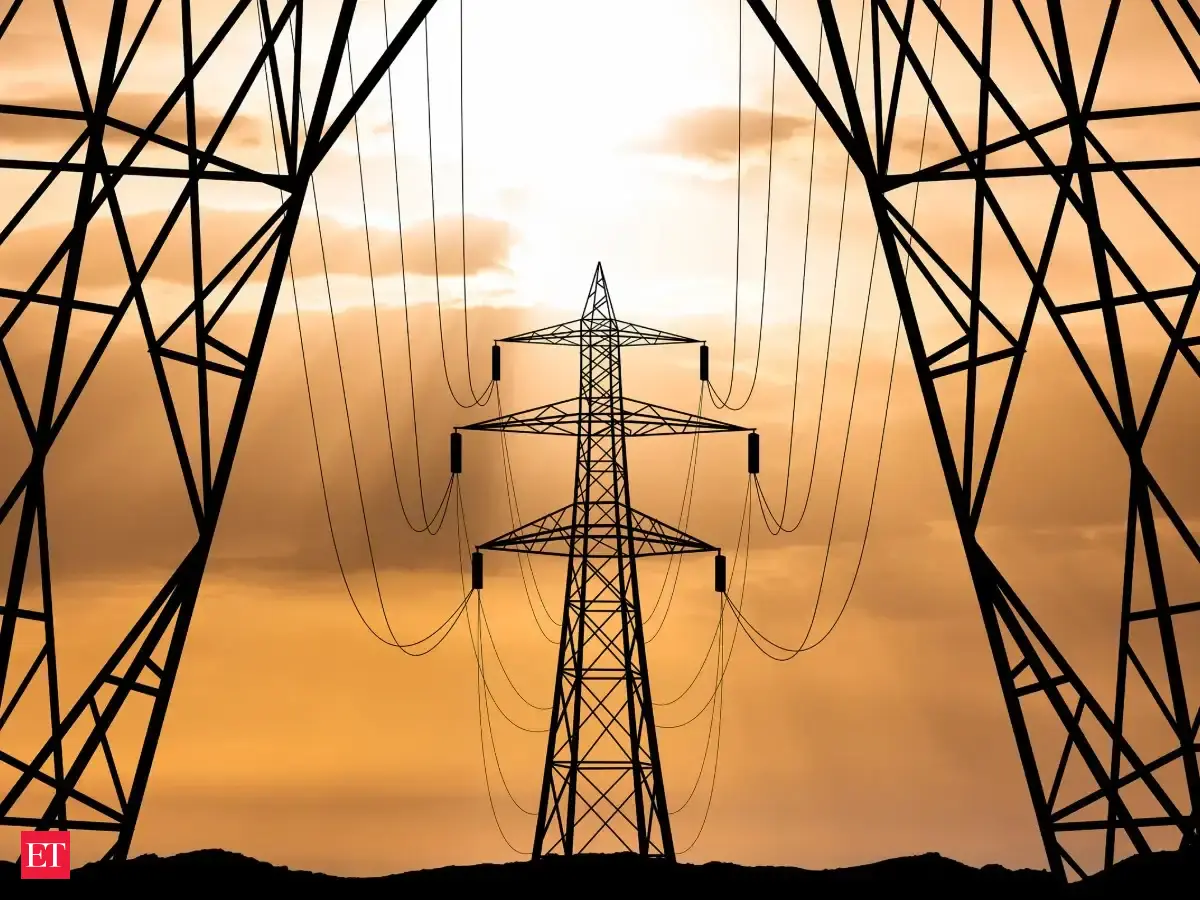
Power transmission developers have called on the Ministry of Power to implement key changes to enhance project completion efficiency. They highlighted the necessity for automatic financial and contractual relief when delays stem from interconnected infrastructure. The Electric Power Transmission Association suggested that the Central Transmission Utility of India Ltd assume a larger role in coordination efforts. View More
New Delhi: Private power transmission developers have urged the Ministry of Power to strengthen the obligations of Central Transmission Utility of India Ltd (CTUIL) and provide automatic financial and contractual relief to projects delayed by the unavailability of interconnected transmission infrastructure, warning that developers are being exposed to mounting costs for delays beyond their control. In a representation to Power Secretary Pankaj Agarwal, the Electric Power Transmission Association (EPTA) has sought changes to the tariff-based competitive bidding (TBCB) framework governing inter-state transmission projects , including deemed commercial operation date (COD), full tariff recovery and protection against penalties where a project's commissioning is held up by delays in separately awarded interconnected facilities. The association said transmission projects are increasingly interdependent, with the completion and commissioning of a transmission line, substation, bay or reactor developed by one transmission service provider (TSP) often contingent on the timely readiness of an interconnected asset being developed under a separate package by another developer. When the latter is delayed, a TSP that has completed all work within its control may be unable to charge or commission its asset and begin recovering tariff, leaving it exposed to debt-servicing costs, interest during construction, operation and maintenance expenses, insurance, working-capital requirements and extension costs for bank guarantees. EPTA argued that the existing transmission service agreement (TSA) framework assigns the nodal agency a coordination role for interconnection facilities but does not provide sufficiently specific and enforceable obligations, defined timelines or automatic commercial relief when interconnected infrastructure is delayed. Live Events It has asked the government to expand CTUIL's responsibilities to include time-bound coordination to ensure the availability of interconnected transmission elements and facilitate technically feasible alternative arrangements where the originally planned interconnection facility is not ready. A key demand is that transmission developers should be granted deemed COD once they have completed all works capable of being undertaken, even if the project cannot be charged because an interconnected facility is unavailable. EPTA has sought provisional recovery of 100% of the annual transmission charges (YTC) from the date of such deemed COD. It has also sought a day-for-day extension of scheduled COD and protection from liquidated damages, invocation of performance guarantees and default or termination consequences where the delay is not attributable to the affected transmission service provider. The association said the absence of such provisions creates an open-ended and uncapped financial exposure for developers, who continue to bear project-related costs without corresponding tariff recovery despite having completed their contractual obligations. EPTA has also urged the Ministry to issue administrative instructions extending similar relief to transmission projects already under implementation and affected by delays in interconnected elements. The association said the existing framework needed to evolve in line with the growing complexity and interdependence of India's transmission network, arguing that risks should be allocated to the entities best placed to manage them. CTUIL, given its role in transmission planning, implementation coordination, connectivity and monitoring, is best positioned to coordinate interconnected projects and manage risks arising from dependencies between separately bid transmission packages, it said. The association said the proposed changes would prevent completed or substantially completed transmission assets from becoming financially stranded and help preserve investor confidence in the sector. The representation comes as India accelerates transmission infrastructure development to support its target of 500 GW of non-fossil-fuel-based installed capacity by 2030. The expansion of renewable energy capacity, particularly across geographically dispersed generation centres, has increased the need for timely coordination between multiple transmission projects. EPTA said it would welcome an opportunity to present its proposals to the Ministry and assist in framing the necessary contractual amendments and implementation mechanism. The proposed changes, if accepted, could have implications for risk allocation, tariff recovery and contractual accountability across India's inter-State transmission infrastructure projects. PTI .Pbanner{display:flex;justify-content:space-between;align-items:center;background-color:#ec1c40;margin-top:20px;padding:5px 10px;border-radius:4px;color:#fff;line-height:10px;width: 100%;box-sizing: border-box} .Pbannertext{display:flex;align-items:center;font-size:16px;font-weight:600;font-family:'Montserrat';} .Pbannertext img{height:20px;margin:0 6px} .Pbannerbutton a{display:flex;align-items:center;background-color:#fff;color:#ec1c40;text-decoration:none;font-weight:600;padding:4px 8px;border-radius:6px;font-size:15px;font-family:'Montserrat';} .Pbannerbutton img{height:20px;margin-right:6px} .Pbannerbutton a:hover{background-color:#f7f7f7} Add as a Reliable and Trusted News Source Add Now! (You can now subscribe to our Economic Times WhatsApp channel) (You can now subscribe to our Economic Times WhatsApp channel)

Wind turbine blades are challenging to dispose of due to their long-lasting materials, which complicate recycling efforts. A research team from Tsinghua University has created a method for transforming discarded blades into silicon carbide and graphene. The process requires a rapid temperature increase using electrical pulses, which is effective in material recovery. View More
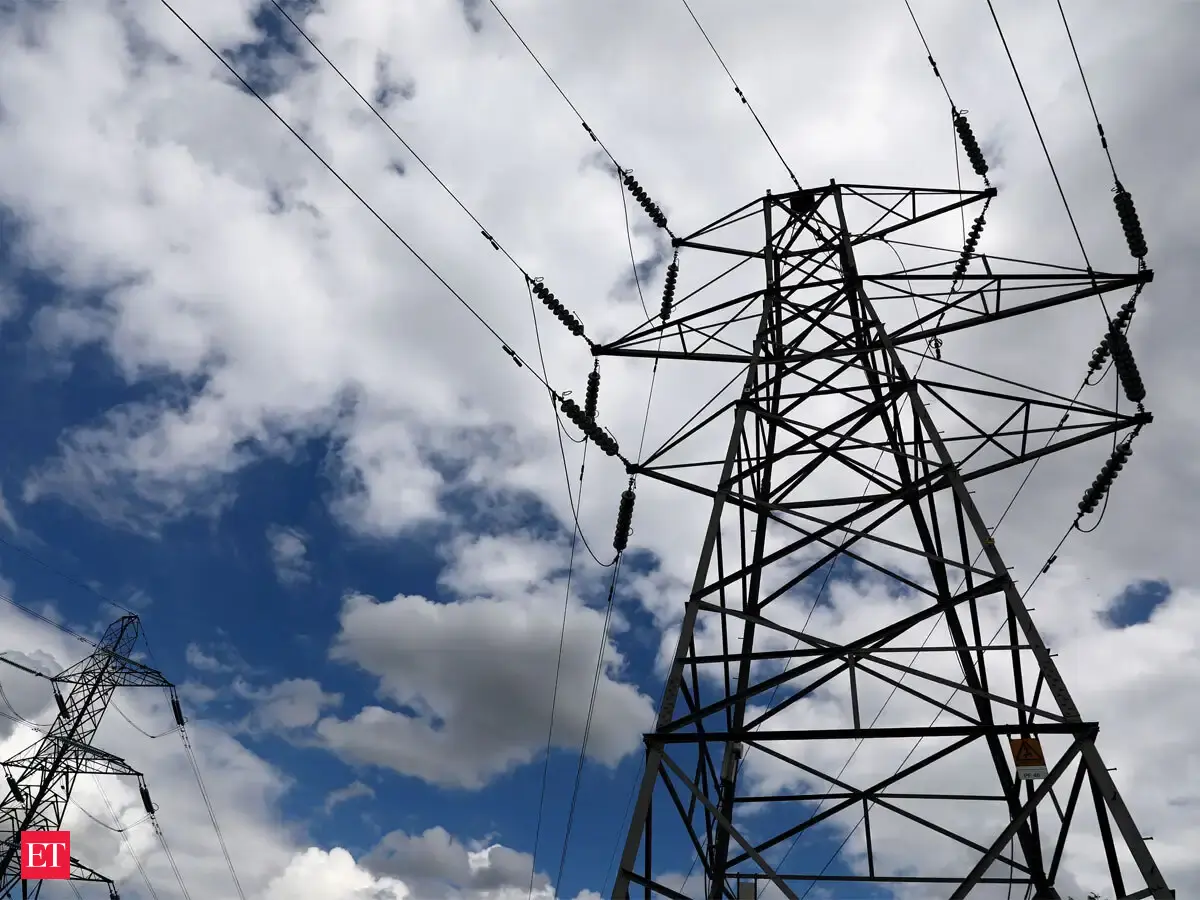
In a representation to Power Secretary Pankaj Agarwal, the Electric Power Transmission Association (EPTA) has sought changes to the tariff-based competitive bidding (TBCB) framework governing inter-state transmission projects, including deemed commercial operation date, full tariff recovery and protection against penalties where a project's commissioning is held up by delays in separately awarded interconnected facilities. View More
NEW DELHI: Private power transmission developers have urged the Ministry of Power to strengthen the obligations of Central Transmission Utility of India Ltd ( CTUIL ) and provide automatic financial and contractual relief to projects delayed by the unavailability of interconnected transmission infrastructure, warning that developers are being exposed to mounting costs for delays beyond their control. In a representation to Power Secretary Pankaj Agarwal , the Electric Power Transmission Association ( EPTA ) has sought changes to the tariff-based competitive bidding (TBCB) framework governing inter-state transmission projects, including deemed commercial operation date, full tariff recovery and protection against penalties where a project's commissioning is held up by delays in separately awarded interconnected facilities. The association said transmission projects are increasingly interdependent, with the completion and commissioning of a transmission line, substation, bay or reactor developed by one transmission service provider (TSP) often contingent on the timely readiness of an interconnected asset being developed under a separate package by another developer. .Pbanner{display:flex;justify-content:space-between;align-items:center;background-color:#ec1c40;margin-top:20px;padding:5px 10px;border-radius:4px;color:#fff;line-height:10px;width: 100%;box-sizing: border-box} .Pbannertext{display:flex;align-items:center;font-size:16px;font-weight:600;font-family:'Montserrat';} .Pbannertext img{height:20px;margin:0 6px} .Pbannerbutton a{display:flex;align-items:center;background-color:#fff;color:#ec1c40;text-decoration:none;font-weight:600;padding:4px 8px;border-radius:6px;font-size:15px;font-family:'Montserrat';} .Pbannerbutton img{height:20px;margin-right:6px} .Pbannerbutton a:hover{background-color:#f7f7f7} Add as a Reliable and Trusted News Source Add Now! (You can now subscribe to our Economic Times WhatsApp channel) (You can now subscribe to our Economic Times WhatsApp channel)
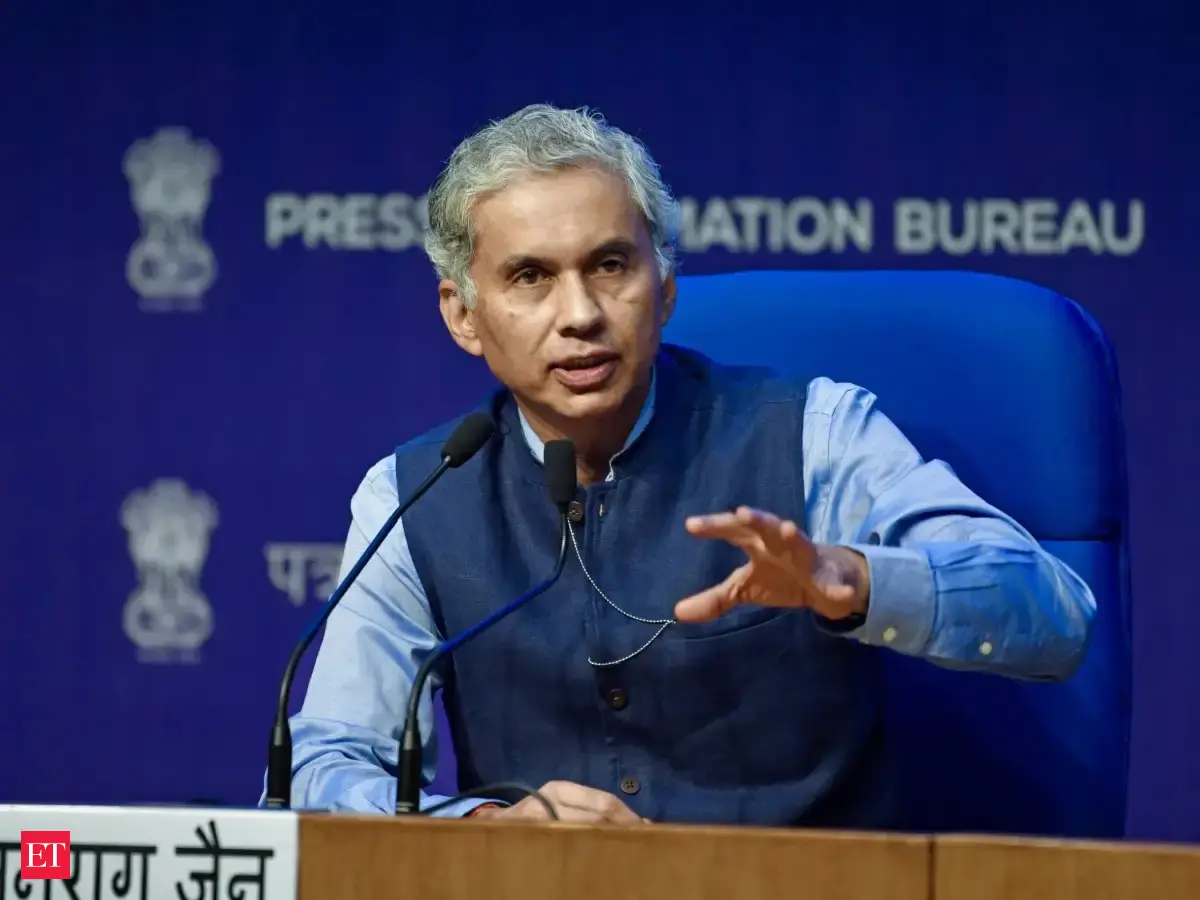
NITI Aayog CEO Anurag Jain underscored the development of an evaluation matrix for gold mining projects. The focus is on promoting technical competence and sustainable development of gold resources in India. Discussions revolved around improving geological data and regulatory approvals within the mining sector. The meeting also addressed the country's growing dependence on gold imports and limited exploration efforts. View More
New Delhi: NITI Aayog CEO Anurag Jain on Wednesday emphasised on the need to develop a suitable evaluation matrix for awarding exploration and mining projects to promote technical competence, investment, and sustainable development of India's gold resources. Jain was speaking at a meeting to deliberate on the report "India's Gold Mining Policy: Challenges, Learning and the Road Ahead", prepared by Pahle India Foundation (PIF) with support from the World Gold Council (WGC). The Aayog in a social media post on X said the meeting focused on India's gold mining potential, the growing dependence on gold imports, and the need to strengthen domestic exploration and mining capabilities. Also Read | NTPC submits two coal gasification project proposals under govt's Rs 37,500 crore scheme Key issues discussed included geological data gaps, limited exploration, prolonged project development timelines, auction design and investment viability, it added. Live Events The deliberations highlighted the importance of improving geological data through internationally accepted reporting standards, streamlining regulatory approvals through Centre-state coordination, and creating a predictable policy framework to enhance project bankability. .Pbanner{display:flex;justify-content:space-between;align-items:center;background-color:#ec1c40;margin-top:20px;padding:5px 10px;border-radius:4px;color:#fff;line-height:10px;width: 100%;box-sizing: border-box} .Pbannertext{display:flex;align-items:center;font-size:16px;font-weight:600;font-family:'Montserrat';} .Pbannertext img{height:20px;margin:0 6px} .Pbannerbutton a{display:flex;align-items:center;background-color:#fff;color:#ec1c40;text-decoration:none;font-weight:600;padding:4px 8px;border-radius:6px;font-size:15px;font-family:'Montserrat';} .Pbannerbutton img{height:20px;margin-right:6px} .Pbannerbutton a:hover{background-color:#f7f7f7} Add as a Reliable and Trusted News Source Add Now! (You can now subscribe to our Economic Times WhatsApp channel) (You can now subscribe to our Economic Times WhatsApp channel)

India is considering replacing smaller, aging wind turbines with more powerful models at existing sites. View More

The proposed upgrades could help India overcome land acquisition hurdles, improve wind power generation and address electricity supply gaps after sunset View More