
Latest Sectors News
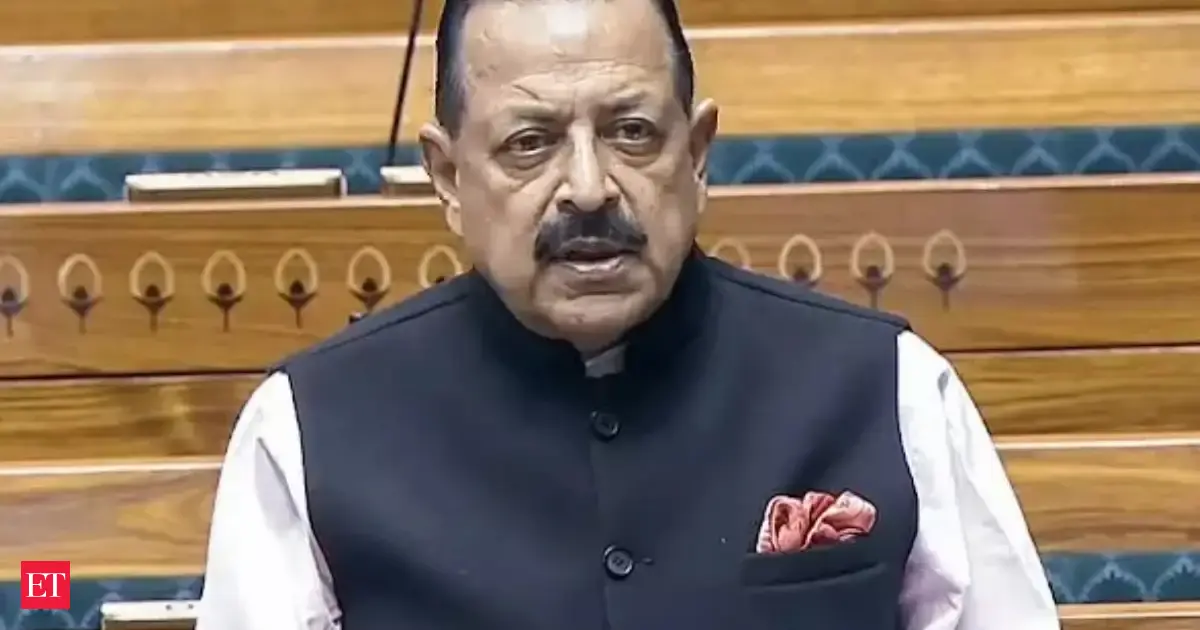
In the fiscal year 2023-24, India's nuclear energy sector witnessed a remarkable uptick, marking a new era of growth. The country currently boasts 24 operational nuclear power plants generating a robust 8,780 MW. Looking ahead, ambitious plans are underway to bolster capacity by an additional 13,600 MW through 18 new reactors, including a groundbreaking Prototype Fast Breeder Reactor at Kalpakkam. View More
New Delhi: Total energy generation from India's nuclear power plants was 45,855 million units (MU) in 2022-23; 47,971 MU in 2023-24; and 56,681 MU in 2024-25, Union Minister Jitendra Singh said on Thursday. In a written reply in the Rajya Sabha, the minister said the country currently has an installed nuclear power capacity of 8,780 Mega Watts (MW) from 24 nuclear power plants, excluding the Rajasthan Atomic Power Station-Unit 1. Also Read: NTPC partners with UK’s Octopus Energy to explore clean energy, EV and storage opportunities Eighteen nuclear power reactors with a total capacity of 13,600 MW are to be implemented. This consists of 10 nuclear reactors that are under construction (including a 500 MW Prototype Fast Breeder Reactor or PFBR) and eight reactors under pre-project activities. " Bharatiya Nabhikiya Vidyut Nigam Limited is currently commissioning a 500 MW PFBR project at Kalpakkam in Tamil Nadu. The government has accorded approval to carry out pre-project activities for the 2x500 MW twin unit of fast breeder reactor 1 and 2 project at Kalpakkam," Singh said. Also Read: 'Alternate sources in play to meet peak power demand this summer' Live Events On attaining first criticality of PFBR, the government will be approached for financial sanction of fast breeder reactor 1 and 2, the minister added. The country’s most definitive MSME stage returns on March 24 in New Delhi. Register now for the ET MSME Awards 2025 .Pbanner{display:flex;justify-content:space-between;align-items:center;background-color:#ec1c40;margin-top:20px;padding:5px 10px;border-radius:4px;color:#fff;line-height:10px;} .Pbannertext{display:flex;align-items:center;font-size:16px;font-weight:600;font-family:'Montserrat';} .Pbannertext img{height:20px;margin:0 6px} .Pbannerbutton a{display:flex;align-items:center;background-color:#fff;color:#ec1c40;text-decoration:none;font-weight:600;padding:4px 8px;border-radius:6px;font-size:15px;font-family:'Montserrat';} .Pbannerbutton img{height:20px;margin-right:6px} .Pbannerbutton a:hover{background-color:#f7f7f7} Add as a Reliable and Trusted News Source Add Now! (You can now subscribe to our Economic Times WhatsApp channel) (You can now subscribe to our Economic Times WhatsApp channel)
India's NTPC and UK's Octopus Energy Group have signed an agreement. They will explore business opportunities together. This includes electricity distribution and storage. The collaboration will focus on India, the UK, and other regions. They aim to improve efficiency and clean energy use. Opportunities in renewable energy, EV charging, and digital platforms will be assessed. View More
New Delhi : Homegrown power giant NTPC has signed an agreement with UK-based Octopus Energy Group to explore business opportunities in various segments, including electricity distribution and storage. The memorandum of understanding ( MoU ) was signed by Jatinder Singh Chandok, Head International Business Development , NTPC, and Chris Fitzgerald, Group Director , International Affairs , Octopus Energy, on the sidelines of Bharat Electricity Summit 2026 in the national capital. Also Read: JSW Energy, NTPC Green, Tata Power, other power stocks lose steam, fall up to 3% The collaboration will explore opportunities across India, the UK and other mutually agreed geographies with a focus on enhancing efficiency, affordability, reliability, and clean energy adoption, NTPC said. The MoU establishes a non-binding framework for cooperation aimed at identifying, assessing, and pursuing opportunities in electricity distribution and retail, renewable energy and storage, electric vehicle (EV) charging infrastructure, digital energy platforms, innovation, research & development and capacity building. The country’s most definitive MSME stage returns on March 24 in New Delhi. Register now for the ET MSME Awards 2025 .Pbanner{display:flex;justify-content:space-between;align-items:center;background-color:#ec1c40;margin-top:20px;padding:5px 10px;border-radius:4px;color:#fff;line-height:10px;} .Pbannertext{display:flex;align-items:center;font-size:16px;font-weight:600;font-family:'Montserrat';} .Pbannertext img{height:20px;margin:0 6px} .Pbannerbutton a{display:flex;align-items:center;background-color:#fff;color:#ec1c40;text-decoration:none;font-weight:600;padding:4px 8px;border-radius:6px;font-size:15px;font-family:'Montserrat';} .Pbannerbutton img{height:20px;margin-right:6px} .Pbannerbutton a:hover{background-color:#f7f7f7} Add as a Reliable and Trusted News Source Add Now! (You can now subscribe to our Economic Times WhatsApp channel) (You can now subscribe to our Economic Times WhatsApp channel)
With this, the total installed capacity of NTPC group stands at 88,709 MW and commercial capacity at 87,629 MW View More

The National Stock Exchange of India is setting a modest advisory fee of around 0.65% for its upcoming IPO, potentially totaling $16.25 million. This contrasts sharply with higher averages paid by other companies, reflecting a trend of cost control in quasi-sovereign deals. Key banks have been appointed for the significant listing. View More
National Stock Exchange of India has set advisory fees at about 0.65% of the issue size for its upcoming initial public offering, according to people familiar with the matter. Based on an expected deal size of about $2.5 billion (approx Rs 23,085 crore), the total fee pool could be about $16.25 million, with the bulk likely to be shared among the six lead banks, the people said, asking not to be identified because the information is private. That compares with a roughly 1.86% average paid by 417 companies last year and 1.67% by 350 issuers in 2024, according to data from LSEG. NSE last week appointed about 20 banks to work on the IPO. Of those, Kotak Mahindra Capital Co, JM Financial Ltd, Morgan Stanley, HSBC Holdings Plc, Citigroup Inc. and JPMorgan Chase & Co. have been given key roles, with Kotak acting as left lead, the people said. Representatives for NSE and the banks didn’t immediately respond to requests for comment. Live Events The relatively modest fee underscores a broader pattern in India, especially in government-linked or quasi-sovereign transactions, where issuers keep tight control over costs. In some cases, banks accept token fees in exchange for the prestige and league table positioning that comes with marquee mandates. When State Bank of India raised Rs 25,000 crore ($2.8 billion) in July, it paid six banks a symbolic Re 1 each, according to local media. “Compared with large state-owned or public institutions, NSE’s fee payout appears relatively fair,” said Raghuram Kasiviswanathan, head of IPO advisory at Uniqus Consultech. “With the exchange at the heart of the country’s capital markets, securing a role offers not just immediate revenue, but a longer-term strategic foothold.” Earlier this year, State Bank of India and France’s Amundi SA offered fees of about 0.01% for the planned $1.4 billion IPO of SBI Fund Management, a level some bankers described as rock-bottom, prompting a few global firms to opt out. Life Insurance Corporation Ltd. paid about 0.58% of the issue size as fee in 2021 while NTPC Green Energy paid around 0.54%, according to IPO prospectus. By contrast, private-sector deals have tended to be more lucrative. Hyundai Motor India’s record IPO in 2024 paid about 4.93 billion rupees, or 1.77% of the issue size, in fees and commissions, the largest such payout in the country. LG Electronics paid about Rs 226 crore or 1.94% to five banks for its $1.3 billion India listing. .Pbanner{display:flex;justify-content:space-between;align-items:center;background-color:#ec1c40;margin-top:20px;padding:5px 10px;border-radius:4px;color:#fff;line-height:10px;} .Pbannertext{display:flex;align-items:center;font-size:16px;font-weight:600;font-family:'Montserrat';} .Pbannertext img{height:20px;margin:0 6px} .Pbannerbutton a{display:flex;align-items:center;background-color:#fff;color:#ec1c40;text-decoration:none;font-weight:600;padding:4px 8px;border-radius:6px;font-size:15px;font-family:'Montserrat';} .Pbannerbutton img{height:20px;margin-right:6px} .Pbannerbutton a:hover{background-color:#f7f7f7} Add as a Reliable and Trusted News Source Add Now! (You can now subscribe to our ETMarkets WhatsApp channel) (You can now subscribe to our ETMarkets WhatsApp channel)
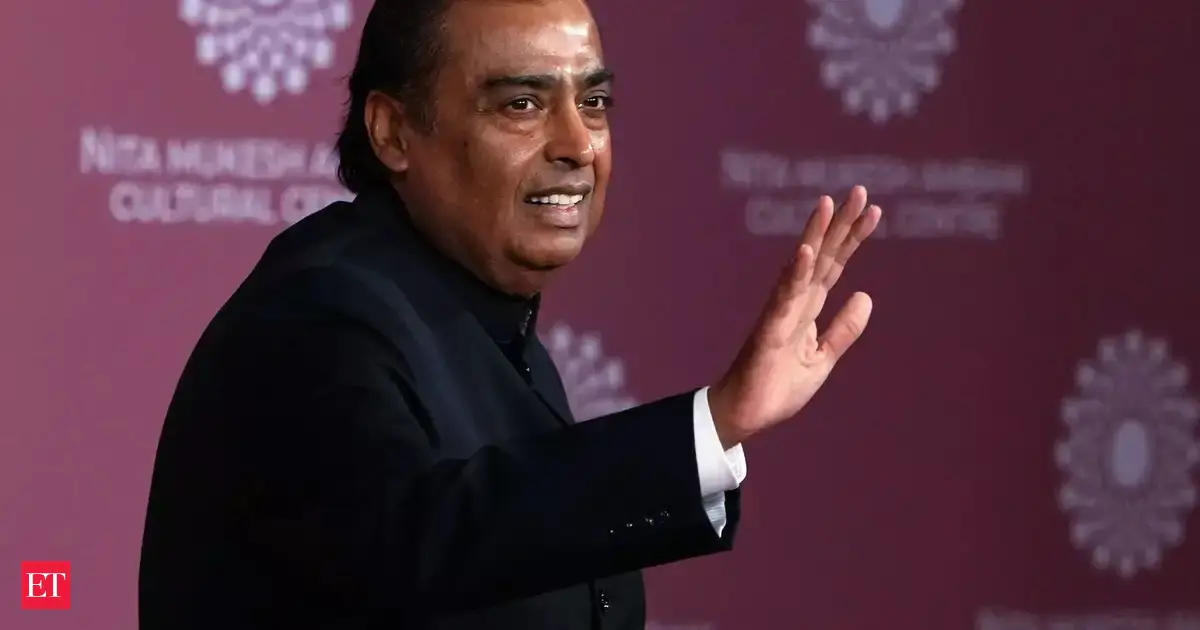
The Iran conflict and disruption in the Strait of Hormuz have highlighted the growing influence of Mukesh Ambani in strengthening US-India ties. His company, Reliance Industries, emerged as the key investor in a major US refinery project, a deal revealed by Donald Trump. View More
It took a war in Iran to reveal the full extent of billionaire Mukesh Ambani ’s sway over the White House — and his centrality to mending the frayed US-India bilateral relationship. Ten days after Iran effectively shut the Strait of Hormuz, plunging global energy markets into chaos, a relatively obscure corporate entity in Texas broke the silence. America First Refining, the vehicle poised to fire up the first major, world-scale oil refinery on American soil since 1976, announced it had received a “nine-figure investment from a global supermajor at a 10-figure valuation.” More importantly, it had secured a 20-year purchase agreement for the refinery’s output from that same mystery partner. ALSO READ: Mukesh Ambani's Reliance capitalises on shifting energy alliances with US refinery pledge The shroud of anonymity didn’t last long. President Donald Trump took to Truth Social to unmask the benefactor, thanking Ambani ’s Reliance Industries Ltd. for anchoring a “historic $300 billion deal,” the largest in US history. Last year, when Washington and New Delhi were locked in a bitter spat over tariffs and nontariff barriers, I argued that India’s richest tycoon could play the ultimate peacemaker. My thesis was based on Ambani’s hunger for US ethane — an increasingly attractive feedstock for his sprawling petrochemicals empire. By importing more American molecules, he could help narrow the US trade deficit with India while giving Trump the Make America Great Again bragging rights he craves. Live Events But even stronger evidence arrived last week. It appears that the 68-year-old businessman is getting directly involved in the infrastructure of the Permian Basin, America’s oil-producing heartland. The purchase commitment acts as a virtual 12,000-mile conveyor belt between the Port of Brownsville and his Indian gas crackers. In all likelihood, Texas will produce the shale ethane and propane streams; Reliance will turn them into polyethylene and polypropylene, compounds that clothe, house, and package the modern world. For America First Refining, making gasoline and diesel exclusively from US sweet crude is a way to earn the margin that’s currently pocketed by refineries abroad. Co-Chief Executive Officer John Calce wants to start selling fuel from the refinery by 2029. Although Reliance hasn’t publicly commented on the deal, the conglomerate’s plan appears rooted in geopolitics. With energy markets in turmoil, Ambani is dialing down his dependence on the Middle East. For decades, the family’s fortune was tied to the Persian Gulf. Mukesh’s father, Dhirubhai began his career as a gas-station attendant in the Yemeni city of Aden — then a British crown colony — before returning home to start a trading operation in yarn. In the 1990s, Reliance set up the Jamnagar complex in Gujarat. It would eventually become the world’s single-largest refining hub, built to process the heavy, sour crude that flowed across the Arabian Sea. But after the Ukraine conflict got underway in 2022, Ambani and other Indian refiners pivoted to buying discounted Russian oil. That put them in the crosshairs of the Trump administration, which blamed Indian billionaires for financing Vladimir Putin’s war machine. In August, the US imposed a punitive 25% duty on Indian imports, on top of a 25% reciprocal tariff. Although Washington has since put away the stick to pursue a trade deal with New Delhi, it reserves the right to wield it any time. Yet, even here, Ambani found a way to win a reprieve from the war-induced shortages threatening daily life in India. According to Bloomberg News, “intensive engagement by the Reliance leadership” helped secure a 30-day waiver from Washington to buy Russian oil currently stranded at sea. Although that exemption has since become global, Ambani’s commitment to purchase from the Brownsville project makes India’s hall pass special. The tycoon has successfully transitioned from being a war profiteer in the eyes of the US Treasury to becoming a strategic partner. The Texas plant is being touted as the “cleanest in the world.” Instead of using dirty fuel oil or methane to heat the refining towers, it will burn hydrogen, whose only byproduct is water vapor. This is bound to have piqued Ambani’s interest — if he can port the technology back home, he will be able to protect his petrochemicals revenue from future global carbon taxes in Europe. The tech upgrade will also bring the family arc to its logical conclusion. Dhirubhai was the original “Polyester Prince.” Mukesh perfected the art of refining the crude. He used the cash flows to dominate India’s telecom, media, and retail landscapes. Now Anant, his youngest child and heir apparent for the energy business, will spend his career deciding where the all-important molecules must come from and how best to put them out in the world. The message from the patriarch seems to be clear: No matter who’s at war with whom, the conveyor belt to Gujarat must never stop. It’s a masterclass in MAGA diplomacy that will also serve the broader US-India relationship . For Washington and New Delhi to move past the never-ending cycle of bickering over quotas and tariffs — while a mercurial president resides in the White House — they need the cold, hard reality of mutual dependency. Ambani has shown both sides exactly how to do it. (The views expressed are solely those of the author and do not necessarily reflect those of the publication.) .Pbanner{display:flex;justify-content:space-between;align-items:center;background-color:#ec1c40;margin-top:20px;padding:5px 10px;border-radius:4px;color:#fff;line-height:10px;} .Pbannertext{display:flex;align-items:center;font-size:16px;font-weight:600;font-family:'Montserrat';} .Pbannertext img{height:20px;margin:0 6px} .Pbannerbutton a{display:flex;align-items:center;background-color:#fff;color:#ec1c40;text-decoration:none;font-weight:600;padding:4px 8px;border-radius:6px;font-size:15px;font-family:'Montserrat';} .Pbannerbutton img{height:20px;margin-right:6px} .Pbannerbutton a:hover{background-color:#f7f7f7} Add as a Reliable and Trusted News Source Add Now! (You can now subscribe to our Economic Times WhatsApp channel) (You can now subscribe to our Economic Times WhatsApp channel)
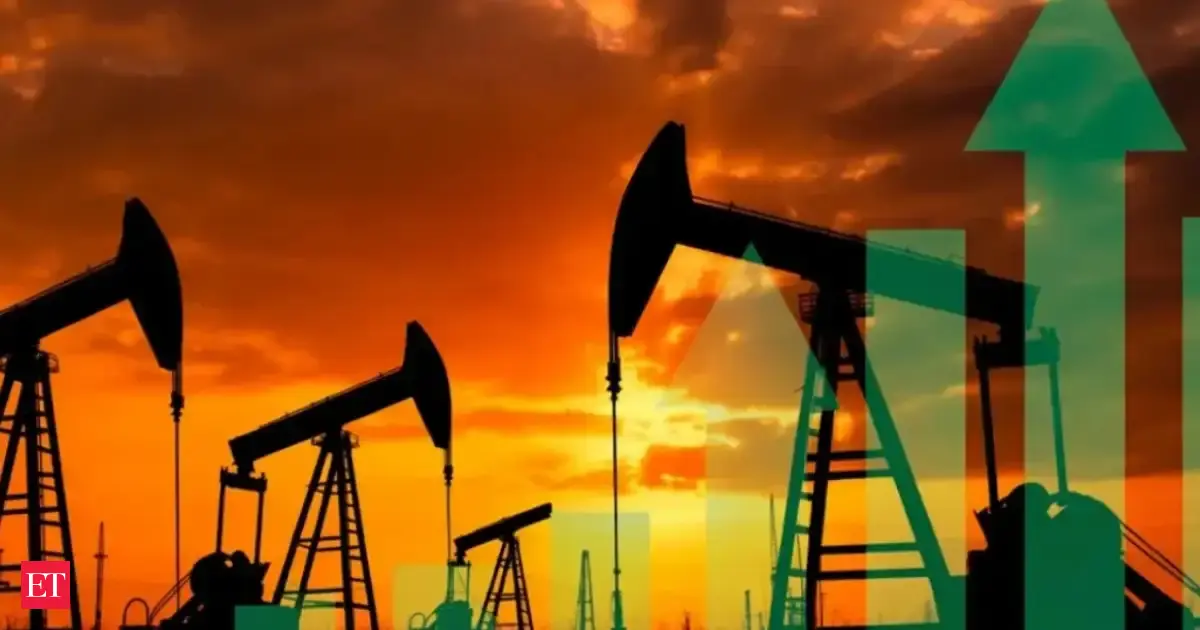
State-run oil firms have taken a drastic step by ending credit facilities for petrol station operators, as the fuel sales have turned unprofitable. Dealers must now pay upfront for their fuel, complicating their financial planning. In response, many are cutting back on their fuel purchases. View More
New Delhi: State-run oil companies have withdrawn credit to petrol pump dealers , as they are no longer chasing higher sales with retailing turning loss-making, according to industry executives and dealers. State oil companies, which control around 90% of fuel stations in the country, have asked dealers to pay for fuel on the same day, ending the usual practice of 3-5 days of credit. Also Read: Oil up as Iran continues to strike Arab energy infra Dealers typically extend credit ranging from a few days to weeks to large diesel customers. They have now begun shortening these credit periods as well. With oil companies ending credit, managing cash flows has become a challenge, a petrol pump dealer said, adding that this is forcing some outlets to order less fuel. Live Events "Companies provide credit to dealers to boost sales and market share. Now higher sales mean higher losses. Companies don't want that anymore," an industry executive said. Also Read: LPG shortage forces manufacturers to switch fuels to keep production running Prices of crude oil as well as petrol, diesel and aviation turbine fuel have surged in the international market. Brent futures are trading above $100 per barrel, while spot prices at which refiners are actually buying are much higher. Margins on diesel and ATF have also risen sharply. However, domestic pump prices have not budged, meaning every litre sold results in losses for state refiners. By withdrawing credit, companies are seeking to avoid incentivising higher sales. Domestic pumps are well supplied and no dry-outs have been reported anywhere, Sujata Sharma, a joint secretary in the oil and gas ministry, said, adding that the withdrawal of credit to dealers is a commercial decision made by oil companies. .Pbanner{display:flex;justify-content:space-between;align-items:center;background-color:#ec1c40;margin-top:20px;padding:5px 10px;border-radius:4px;color:#fff;line-height:10px;} .Pbannertext{display:flex;align-items:center;font-size:16px;font-weight:600;font-family:'Montserrat';} .Pbannertext img{height:20px;margin:0 6px} .Pbannerbutton a{display:flex;align-items:center;background-color:#fff;color:#ec1c40;text-decoration:none;font-weight:600;padding:4px 8px;border-radius:6px;font-size:15px;font-family:'Montserrat';} .Pbannerbutton img{height:20px;margin-right:6px} .Pbannerbutton a:hover{background-color:#f7f7f7} Add as a Reliable and Trusted News Source Add Now! (You can now subscribe to our Economic Times WhatsApp channel) (You can now subscribe to our Economic Times WhatsApp channel)
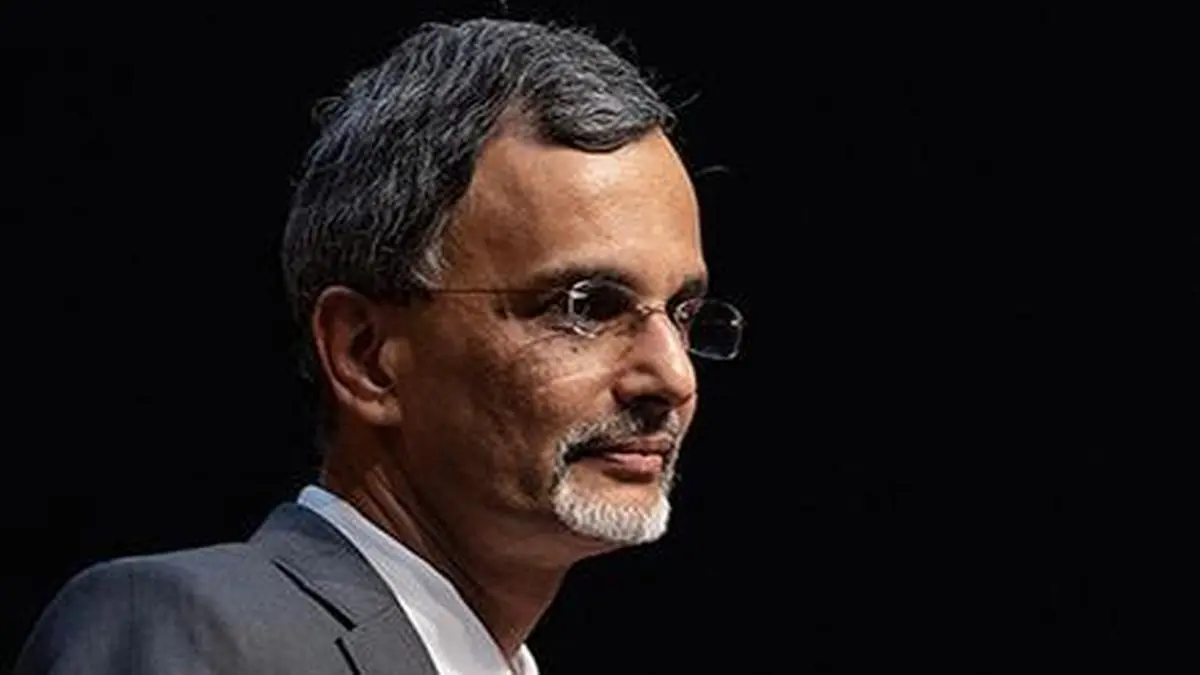
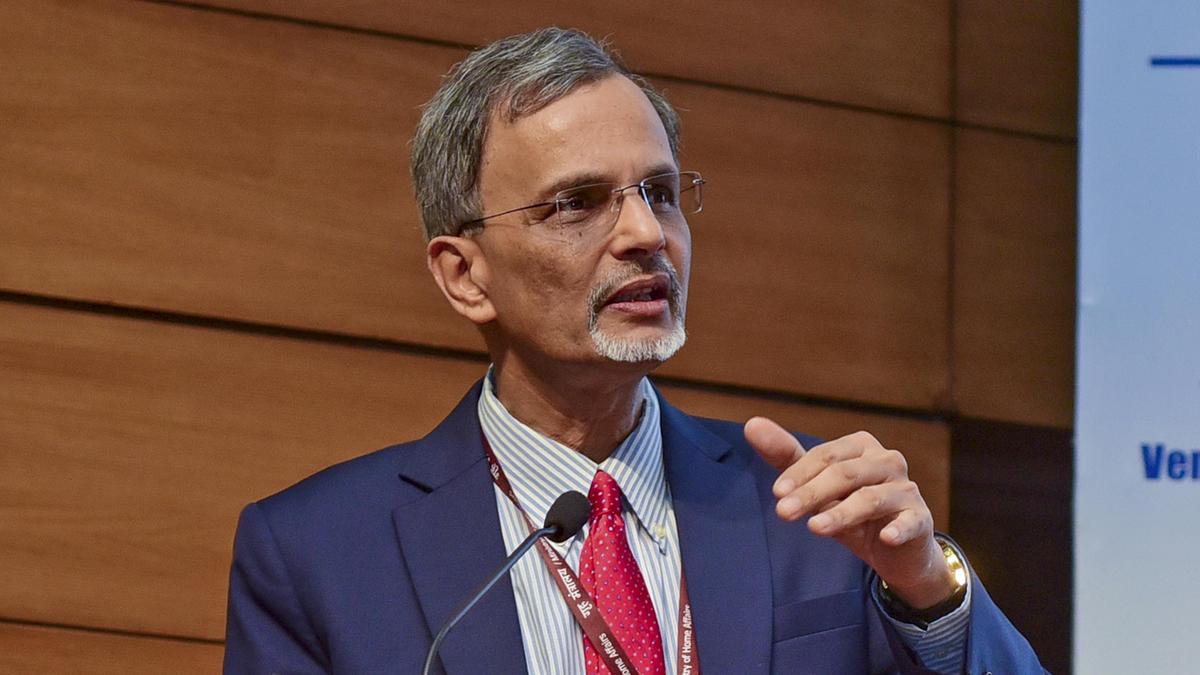
Says base year revision and rupee exchange rate depreciation delaying the climb past Japan View More
According to BloombergNEF (BNEF), global wind power installations reached a record 169 gigawatts (GW) in 2025, marking the third straight year of record additions and a 38% increase over 2024 View More

India is implementing temporary measures to address cooking gas shortages. Commercial LPG for eateries will be rationed. Alternative fuels like kerosene, biomass, and coal are permitted. These steps aim to ease pressure on LPG supplies amid disruptions from West Asia. The government assures domestic consumers that supplies remain stable. Citizens are urged to avoid panic booking and conserve fuel. View More
Seeking to calm frayed nerves and ease pressure on cooking gas supplies, the government on Thursday announced a series of temporary measures, including rationing commercial LPG for eateries and allowing the use of alternative fuels such as kerosene, biomass and coal. The steps come as energy supplies from West Asia remain disrupted due to the ongoing military conflict, prompting concerns across India’s hospitality sector and among consumers. Also Read: LPG output in India surges 30% as govt tackles gas shortage Under the new measures, commercial establishments such as hotels and restaurants will be allowed to procure only 20% of their average monthly LPG consumption. The government has also increased the mandatory gap between booking two domestic LPG cylinders in rural areas from 25 days to 45 days as bookings surged amid panic buying. The decision was taken by a three-member committee of oil marketing companies following complaints from across the country about shortages of cooking gas cylinders, even as the government insisted that overall supplies remain adequate. Live Events Officials from the Ministry of Petroleum and Natural Gas said the government has allocated an additional 48,000 kilolitres (kl) of kerosene to states on top of the regular monthly quota of one lakh kl for use as cooking fuel. The ministry has also asked state and Union Territory pollution control boards to allow the temporary use of biomass, RDF pellets — produced from municipal, industrial and commercial waste — and coal as alternative cooking fuels in the hospitality and restaurant sector for a period of one month. Officials said the measures were aimed at easing immediate pressure on LPG supplies while the government works to secure additional energy cargoes from alternative sources amid the disruption in West Asia. Also Read: India boosts LPG imports from US, Norway as Gulf supplies tighten Despite reports of shortages, the government maintained that domestic cooking gas supplies remain stable, with about 50 lakh LPG cylinders being distributed every day. “It’s a difficult situation. But govt is making all efforts to ensure that the supply to domestic consumers is maintained. On the distribution side, no dry retail outlet has been reported but there is a manifold increase in bookings because of the panic. We urge citizens to avoid panic booking and all efforts have to be made to conserve fuel wherever possible,” said Sujata Sharma, joint secretary, ministry of petroleum and natural gas. She added that it will be the responsibility of states and Union Territories to identify beneficiaries for the distribution of kerosene oil. To monitor the evolving situation, the government has also set up a three-member group of ministers headed by Home Minister Amit Shah. External Affairs Minister S. Jaishankar and Petroleum Minister Hardeep Singh Puri are the other members of the panel. Officials said the government is also tracking consumer complaints related to LPG cylinders through the National Consumer Helpline to ensure quick redressal. Speaking in the Lok Sabha, Petroleum Minister Hardeep Singh Puri said the Strait of Hormuz — a crucial energy transit route — had remained disrupted for the 13th consecutive day. “For the first time in recorded history, the Strait of Hormuz has been effectively closed to commercial shipping. Despite India having no role in causing the conflict, like many countries, India has to navigate through its consequences,” Puri said. The strait is a critical energy artery for India, through which the country receives more than half of its 5.8 million barrels per day of crude oil imports, 55% of its LPG supplies and 30% of its LNG. Puri, however, said India’s crude supply position remained secure. “The availability of petrol, diesel, aviation turbine fuel, kerosene and fuel oil is fully assured. Retail outlets across the country are stocked, and supply chains for these products are functioning normally,” the minister said. He added that India had diversified its energy procurement and was securing cargoes from the United States, Norway, Canada, Algeria and Russia, apart from available supplies from Gulf countries. On domestic LPG availability, Puri told Parliament that the average delivery time for cooking gas cylinders remains 2.5 days, unchanged from pre-crisis levels. “Field reports indicate hoarding and panic booking at the distributor and retail level, driven by consumer anxiety rather than any actual supply shortage,” he said. “The House should be clear on this: the rush-booking pressure in some localities reflects a demand distortion, not a production or supply failure,” Puri added. Explaining the rationale behind regulating commercial LPG supplies, Puri said the segment previously operated in a completely deregulated market without any booking requirements or government subsidy. “In a supply-constrained environment where public anxiety is elevated, this deregulated structure creates a direct and uncontrolled pathway for hoarding, diversion and resale at inflated prices... The govt has taken the responsible course: to regulate this channel with clear priorities and a transparent allocation mechanism,” he said. (With inputs from TOI) .Pbanner{display:flex;justify-content:space-between;align-items:center;background-color:#ec1c40;margin-top:20px;padding:5px 10px;border-radius:4px;color:#fff;line-height:10px;} .Pbannertext{display:flex;align-items:center;font-size:16px;font-weight:600;font-family:'Montserrat';} .Pbannertext img{height:20px;margin:0 6px} .Pbannerbutton a{display:flex;align-items:center;background-color:#fff;color:#ec1c40;text-decoration:none;font-weight:600;padding:4px 8px;border-radius:6px;font-size:15px;font-family:'Montserrat';} .Pbannerbutton img{height:20px;margin-right:6px} .Pbannerbutton a:hover{background-color:#f7f7f7} Add as a Reliable and Trusted News Source Add Now! (You can now subscribe to our Economic Times WhatsApp channel) (You can now subscribe to our Economic Times WhatsApp channel)