
Latest Sectors News
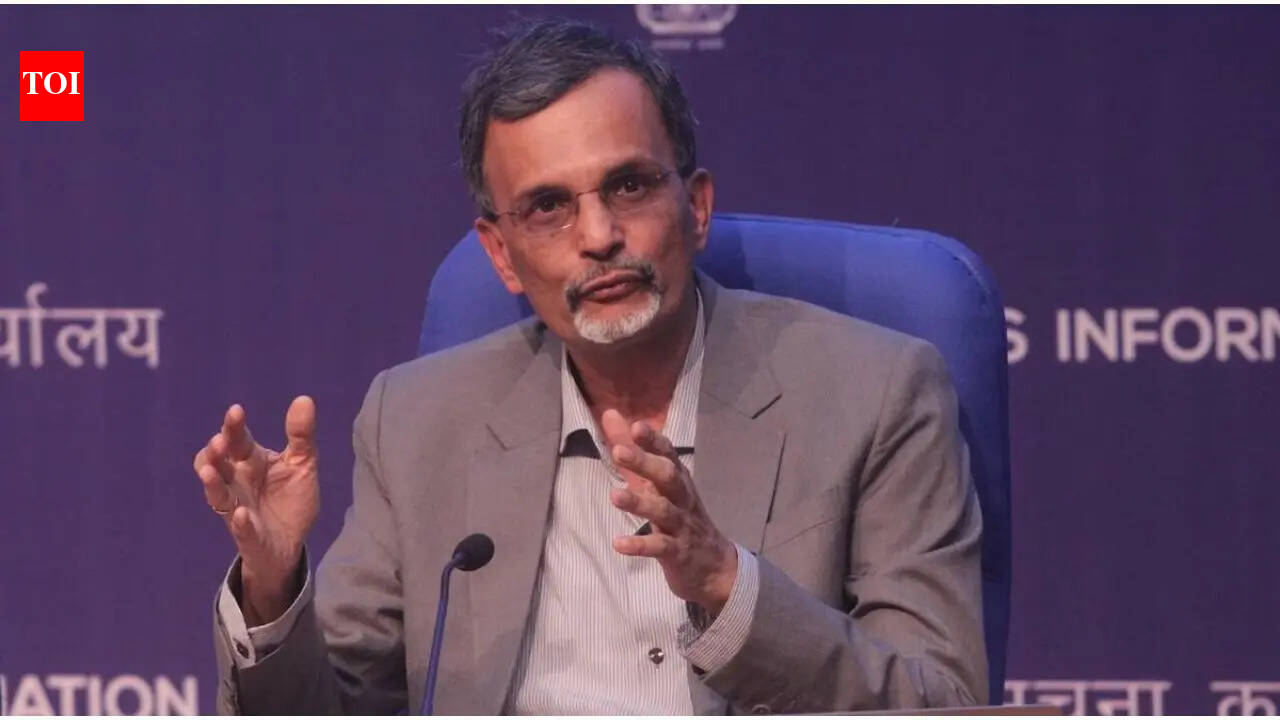
India faces a significant "live balance of payments stress test" due to the West Asian crisis, impacting inflation and currency, Chief Economic Advisor V Anantha Nageswaran stated. He emphasized that managing the current account and preventing currency depreciation are key macroeconomic goals for FY27. View More
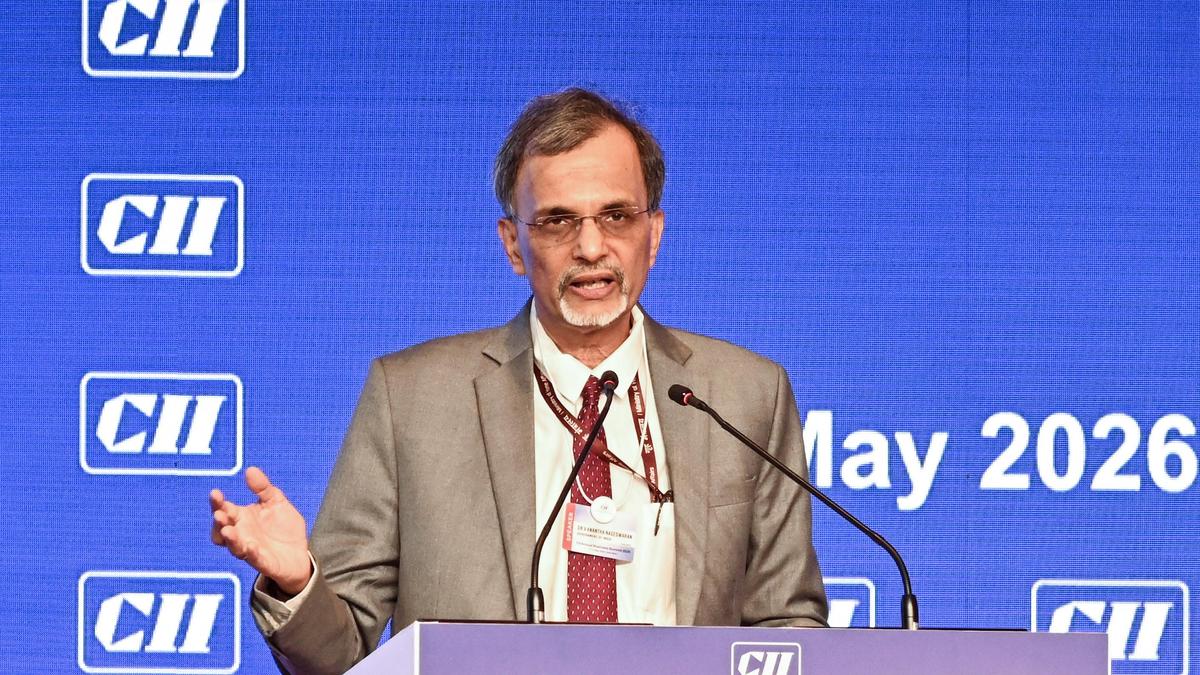
Currently, the world is “geopolitically contested and dotted with active conflicts”, Nageswaran said View More
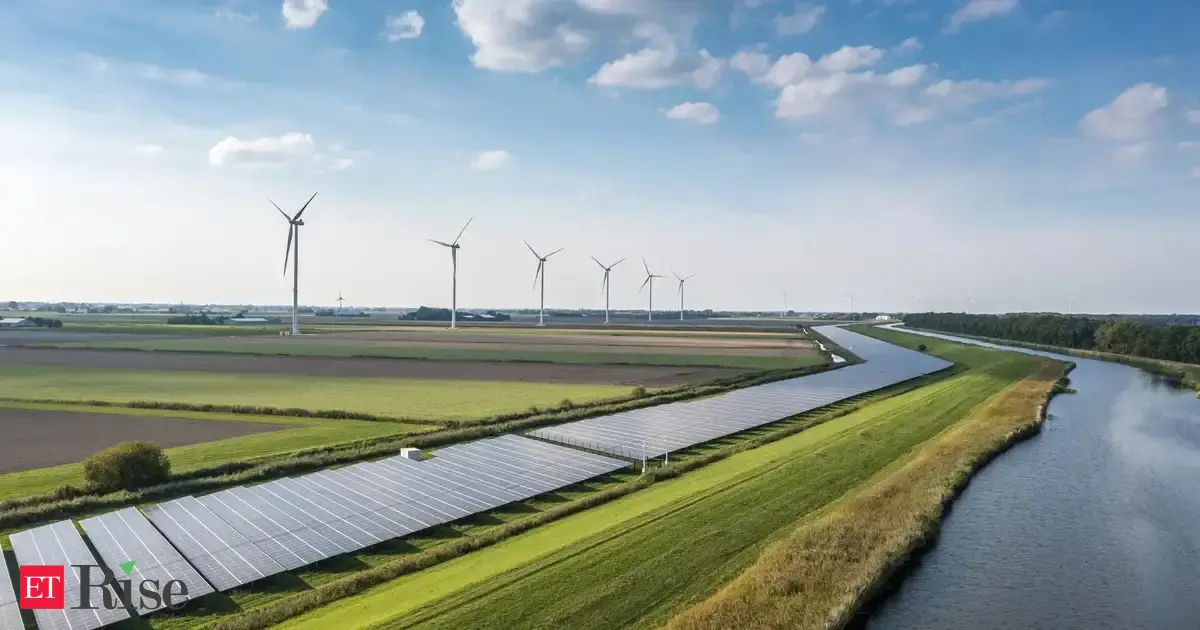
Companies like Jinko Solar, Chery Automobile, and BYD are seeing surging demand for EVs, batteries, and solar panels in markets seeking alternatives to costly fuel imports. View More
China’s clean technology titans, hungry for export markets to boost flagging profits, aren’t letting a crisis go to waste. Manufacturers of electric vehicles , batteries, and solar panels have been wooing nations looking to wean themselves off costly fuel imports since the Iran war triggered a global energy shock. One of the country’s largest solar manufacturers Jinko Solar Co. inked two deals at the end of April with partners in Nigeria — in a region where diesel prices have soared 40% since the start of the crisis — while auto manufacturers are hunting avenues to extend sales into locations including Europe, and energy storage firms are lifting overseas shipments. “Chinese manufacturers are catching an export tailwind from this worldwide rush, which is helping to support their prices in overseas markets,” said Chia Chen, an analyst at Bloomberg Intelligence. Exports of lithium-ion batteries jumped in March from the previous year while shipments of solar panels doubled on the previous month to reach a record, according to calculations by UK-based think tank Ember. Along with rising fuel prices, overseas shipments were propelled by the looming expiration of an export tax rebate for solar at the start of April, and a reduction for batteries. A total of 50 countries had record solar imports from China in March, with Nigeria recording a 519% surge from February and notable spikes in Malaysia, Ethiopia, and Kenya. Live Events “Nigerian end users can now reduce their reliance on diesel generators and access reliable, clean, and affordable self-generated power,” Jinko said in a statement, after striking a deal with Fouani Nigeria to supply 500 megawatts of equipment for use across shopping malls, factories, and homes. Canada, among global markets hit by higher fuel prices, is ripe for new EV sales, according to Chery Automobile Co., one of China’s largest automakers. The company flew nearly two dozen Canadian car dealers to the Beijing auto show which concluded earlier this month. “Since the crisis, oil prices have risen in many places, some are experiencing supply shortages. So everyone’s perception of electrified vehicles is changing,” Chery’s chairman Yin Tongyue said in an interview. “There’s been a rise in orders and also some Western manufacturers are urgently looking for ways to partner with Chinese EV makers.” A sales manager for another Chinese EV producer, who requested anonymity because they were not authorized to speak to the media, said the company is scouting for partners in southern and eastern Europe where customers are sensitive to gasoline price hikes. Dongfeng Liuzhou Motor Co. is also sizing up new opportunities in Vietnam, where the government has responded to the Iran war by pushing for an expansion of EV charging infrastructure. “Now our customers have started talking to us about whether they can import our new energy vehicle products,” said Zhang Enming, a general manager in the company’s Southeast Asia region, in an interview. China Passenger Car Association data for April showed exports of EVs soared 112% from the previous year. Official customs data for April has not yet been released, but in March EV exports grew 53% from the year before. Sizable EV markets that saw Chinese imports rise in March include Australia — up 67% from February, Belgium — up 63%, and Germany at 34%. Early indicators from April follow that trend. China’s top EV exporter BYD saw overseas sales jump more than 71% from the previous year. Chinese battery exports rose just over a third in March from the previous year, and shipments from major supplier Sungrow Power Supply Co. are likely to exceed forecasts as the war stokes demand, according to BI’s Chen. Gotion High-Tech Co. Ltd. is aiming to double overseas shipments this year, the company said last month. Even wind turbine producers, whose projects can take years to come to fruition, are using the energy crisis to drum up new opportunities. In Europe, there is an “urgent need” for renewable energy sources and offshore wind power, Zhang Chuanwei, chairman of manufacturer Ming Yang Smart Energy Group said in an interview following a visit to the region. The equipment supplier is aiming to set up production in Europe after the United Kingdom rejected a plan to locate a plant in Scotland. However, disruption to markets in the Middle East is seen weighing on some exports, even if the broader trend is positive. “I think overall the overseas sales will increase but in some regions we need to make practical plans to accommodate the changes,” Victor Yang, senior vice president of Geely Automobile Holdings Ltd., told reporters at the Beijing auto show last month. The Iran conflict is “a challenge for everybody,” he said. .Pbanner{display:flex;justify-content:space-between;align-items:center;background-color:#ec1c40;margin-top:20px;padding:5px 10px;border-radius:4px;color:#fff;line-height:10px;} .Pbannertext{display:flex;align-items:center;font-size:16px;font-weight:600;font-family:'Montserrat';} .Pbannertext img{height:20px;margin:0 6px} .Pbannerbutton a{display:flex;align-items:center;background-color:#fff;color:#ec1c40;text-decoration:none;font-weight:600;padding:4px 8px;border-radius:6px;font-size:15px;font-family:'Montserrat';} .Pbannerbutton img{height:20px;margin-right:6px} .Pbannerbutton a:hover{background-color:#f7f7f7} Add as a Reliable and Trusted News Source Add Now!
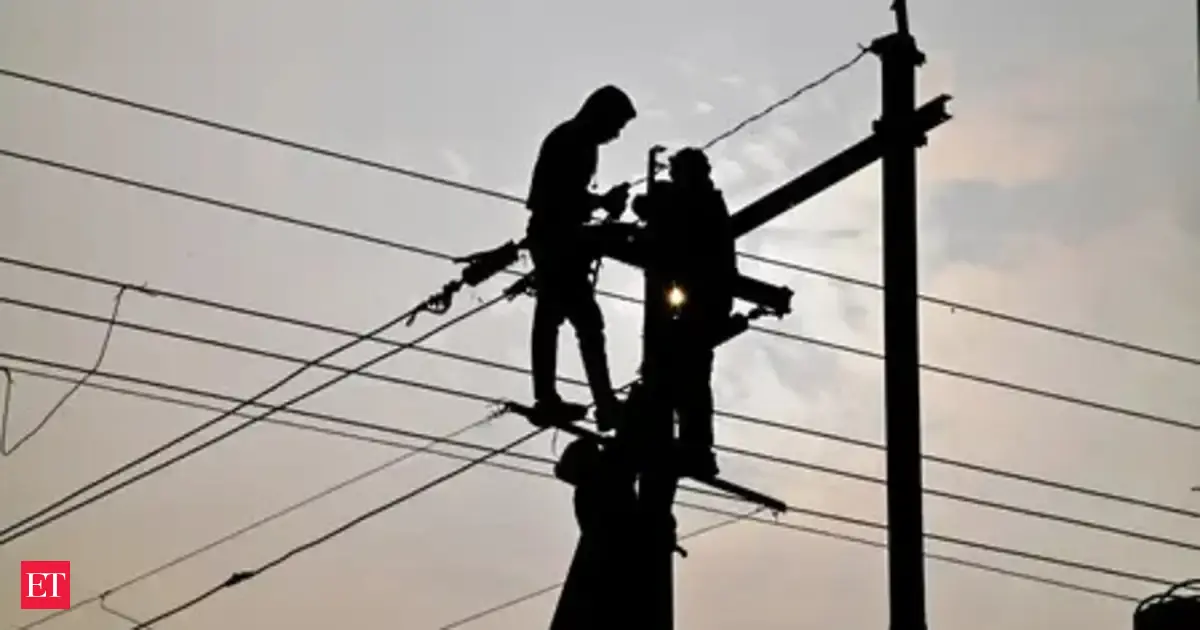
The Supreme Court will review the Indian Energy Exchange's challenge to a regulatory order. This order mandates market coupling for power trading. The court refused to halt the implementation of this process. The Indian Energy Exchange argues the order is arbitrary and will harm its market share. The Central Electricity Regulatory Commission is now required to respond to the appeal. View More
New Delhi: The Supreme Court on Monday agreed to examine the Indian Energy Exchange 's (IEX) appeal against the Central Electricity Regulatory Commission 's order to implement market coupling for the day-ahead market and amend the regulations accordingly. A bench of Justices P.S. Narasimha and Alok Aradhe refused to stay the Appellate Tribunal for Electricity 's (APTEL) February 13 order that allowed the electricity regulator to proceed with the implementation of market coupling -a process designed to merge buy/sell orders from all power exchanges to improve price discovery. However, the apex court sought response from the CERC on the IEX's appeal alleging that the Commission's July 2025 market coupling order would hurt its market share, and was "arbitrary" and "violated principles of natural justice." Senior counsel Mukul Rohatgi, appearing for Indian Energy, claimed that the CERC's coupling order would only lead to its loss of market share without any conceivable benefit. "The company has a freedom of enterprise. Can you merge NSE and BSE together? If you pool all of them together, I will lose edge" Rohatgi contended, while claiming that IEX holds more than 95% market share. CERC had in 2024 decided to implement a Shadow Pilot on Power System and Cost Optimization through Market Coupling, and had directed the Grid Controller of India to implement it where IEX, Power Exchange India and Hindustan Power Exchange would take turns acting as the market coupling operator. From January 2026, the Grid Controller of India was to aggregate energy prices across all power trading platforms and publish a single price. Live Events .Pbanner{display:flex;justify-content:space-between;align-items:center;background-color:#ec1c40;margin-top:20px;padding:5px 10px;border-radius:4px;color:#fff;line-height:10px;} .Pbannertext{display:flex;align-items:center;font-size:16px;font-weight:600;font-family:'Montserrat';} .Pbannertext img{height:20px;margin:0 6px} .Pbannerbutton a{display:flex;align-items:center;background-color:#fff;color:#ec1c40;text-decoration:none;font-weight:600;padding:4px 8px;border-radius:6px;font-size:15px;font-family:'Montserrat';} .Pbannerbutton img{height:20px;margin-right:6px} .Pbannerbutton a:hover{background-color:#f7f7f7} Add as a Reliable and Trusted News Source Add Now! (You can now subscribe to our Economic Times WhatsApp channel) (You can now subscribe to our Economic Times WhatsApp channel)
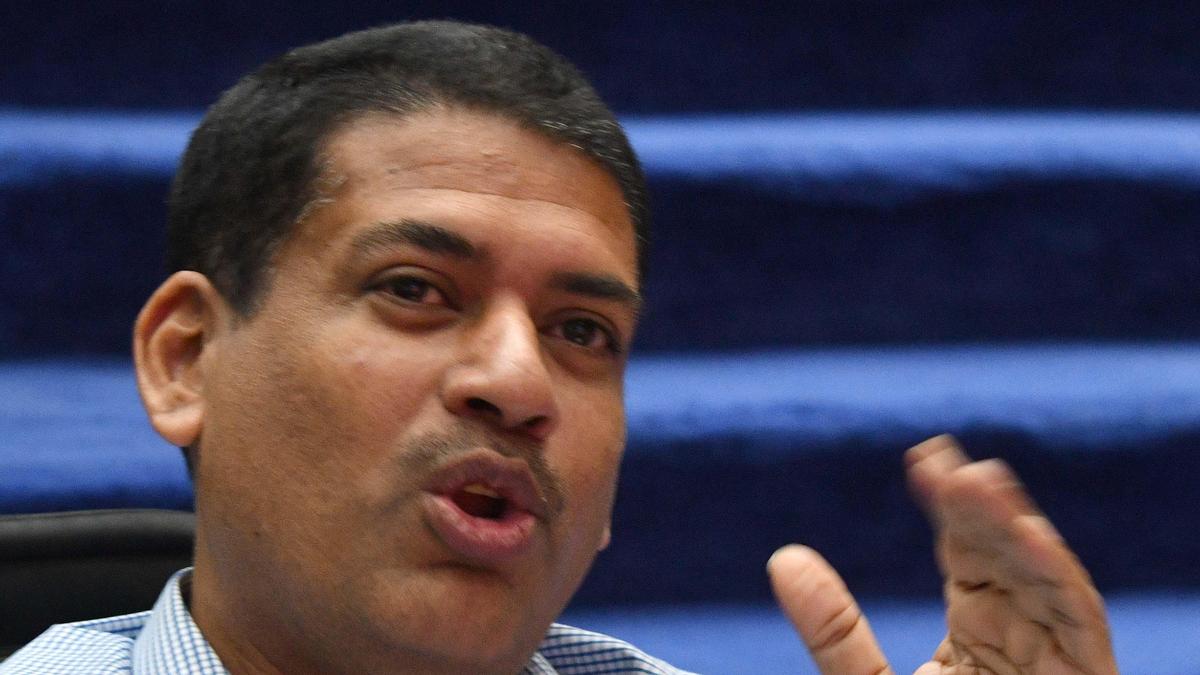
Highlighting operational concerns in the renewable energy sector, the MNRE Secretary said that curtailment challenges could be addressed through enhanced grid infrastructure and improved planning mechanisms, which would help unlock the full potential of renewable energy assets View More
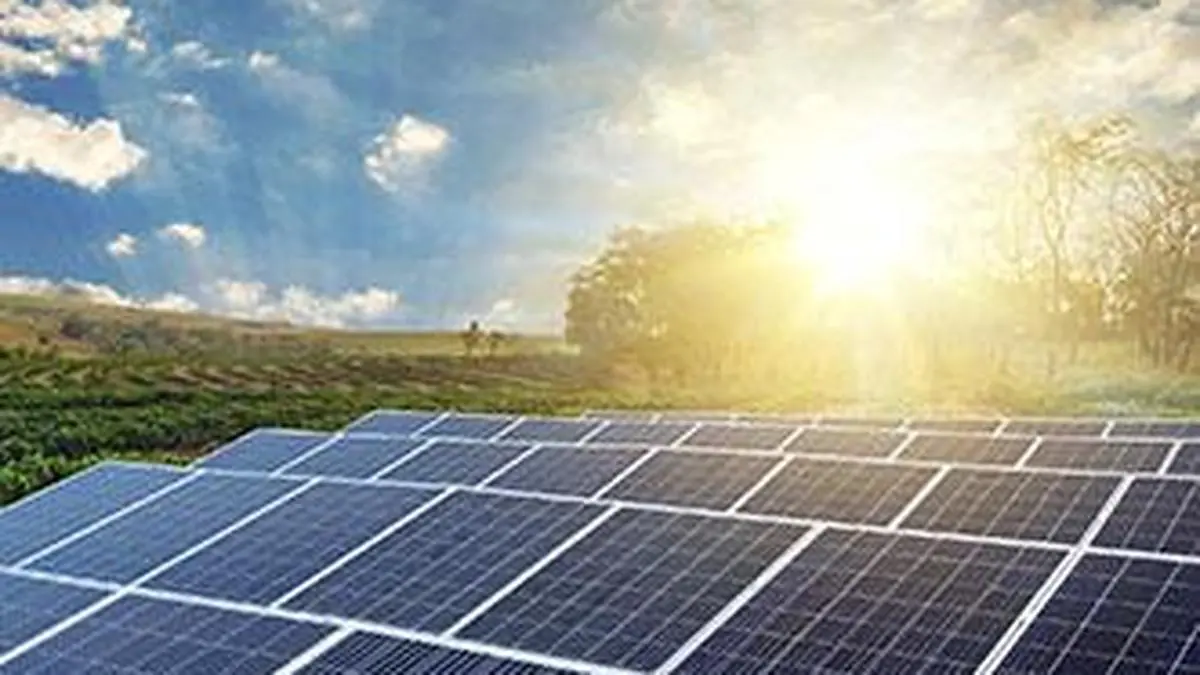
This order marks the second from the NTPC Group, bringing Bondada’s total order inflow from the group to about ?1,207 crore and its combined capacity from NTPC projects to nearly 1 GW View More
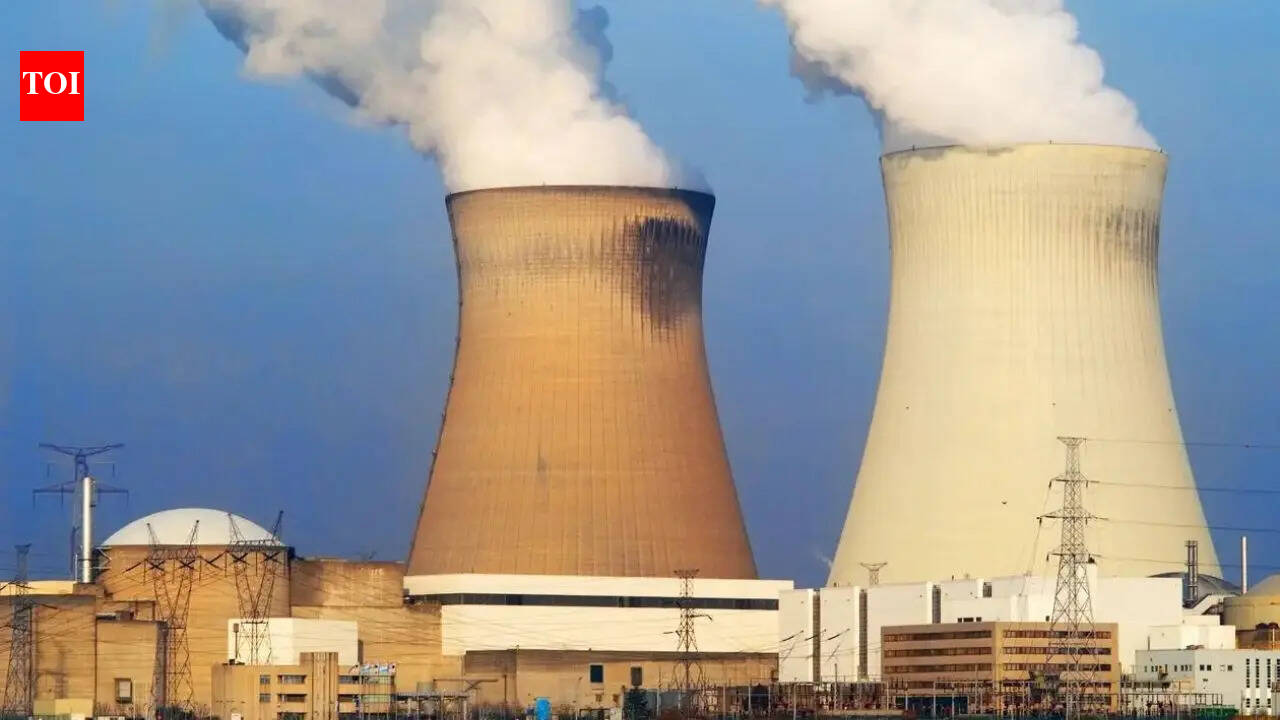
NTPC is preparing to submit a feasibility report to the Centre for its first nuclear energy plant, aiming to contribute to India's goal of 100 GW atomic power capacity by 2047. The company has identified land in Bihar and plans to set up 30 GW of nuclear capacity across 14 states by 2047, with initial units of 700 MW each. View More
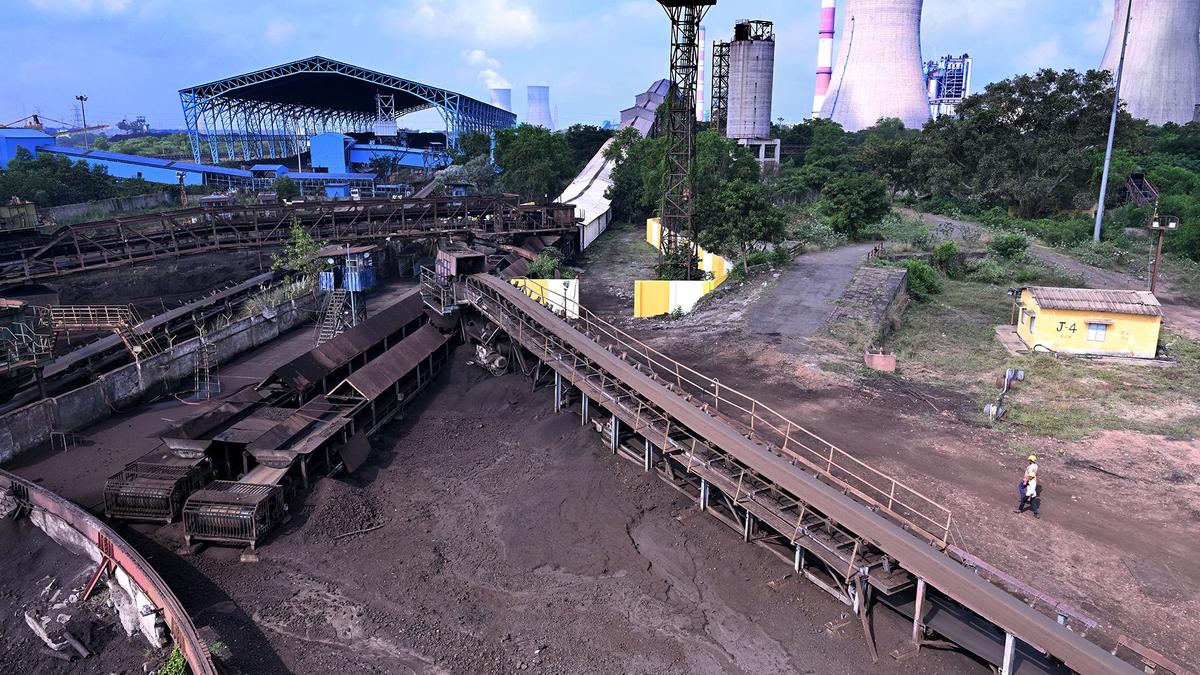
India's power sector is shifting focus from electricity shortages to ensuring reliable power during non-solar hours. Rapid renewable energy growth creates challenges for evening and night-time demand. The country needs enhanced transmission and storage infrastructure. Battery storage and flexible thermal generation will be crucial. Delays in capacity additions could lead to power shortages. Coal power will remain important. View More
New Delhi: India's power sector is entering a new phase where the key challenge is no longer electricity shortages, but ensuring reliable power supply during non-solar hours as renewable energy capacity rises rapidly, according to a Citi Research report . The report highlighted that while India has significantly expanded its generation capacity over the past decade and reduced overall power shortages, the country is now facing growing stress during evening and night-time peak demand periods when solar power generation declines. "The challenge is shifting from 'not enough energy' to 'not enough dispatchable energy at the right hour'," the Citi Research report stated. Also Read: India's heatwave challenge boosts need for renewable energy storage solutions According to the report, daytime solar generation and improved hydro capacity have reduced average energy shortages, but the system is increasingly being tested during non-solar hours when cooling demand and commercial electricity consumption remain high. Live Events "The risk has migrated. Daytime solar and improved hydro have reduced average shortages, but evening and night peaks now test the system's flexibility," the report said. Citi said India's power demand is becoming more weather-sensitive and time-sensitive due to rising air-conditioner usage, urbanisation, data centres and electrification trends. The report noted that India's peak power demand has risen sharply from around 119 GW in 2010 to nearly 250 GW in 2025, with the next phase of demand growth expected to come from cooling loads, electric vehicle charging and data centre expansion. "Demand is now broader-based, with incremental growth likely to be driven by cooling load, data centres, electrification and policy-supported manufacturing," the report said. The report also warned that headline power deficit numbers may not fully capture the stress building up in the system during evening hours. "Headline power deficits mask non-solar-hour strains," the report stated. According to Citi, the country's transmission and storage infrastructure will become increasingly critical as renewable energy capacity expands further over the next few years. The report said battery energy storage systems (BESS), pumped hydro storage and flexible thermal generation would play a central role in ensuring grid reliability. The report added that multiple instances of solar power curtailment between May and December 2025 exposed operational challenges linked to integrating large renewable energy volumes into a grid still dominated by thermal power. "The proximate causes -- mismatch between daytime demand and solar output, limited coal ramping capability, and transmission bottlenecks -- are some of the issues that will likely define system risk in the next leg of the cycle," the report said. Citi further warned that the Central Electricity Authority 's long-term resource adequacy framework indicates risks of non-solar-hour power shortages if planned capacity additions or storage projects are delayed. Also Read: India's power sector set for up to 6 per cent CAGR on multi-vector capex upcycle: Citi "CEA's long-term resource adequacy work suggests the risk of Planning Reserve Margin turning negative in non-solar hours over FY27-29, in case capacity additions slip," the report added. The report also said coal-based power generation will continue to remain important despite India's renewable energy expansion, with around 97 GW of additional coal-based capacity either under construction or in planning till 2032. .Pbanner{display:flex;justify-content:space-between;align-items:center;background-color:#ec1c40;margin-top:20px;padding:5px 10px;border-radius:4px;color:#fff;line-height:10px;} .Pbannertext{display:flex;align-items:center;font-size:16px;font-weight:600;font-family:'Montserrat';} .Pbannertext img{height:20px;margin:0 6px} .Pbannerbutton a{display:flex;align-items:center;background-color:#fff;color:#ec1c40;text-decoration:none;font-weight:600;padding:4px 8px;border-radius:6px;font-size:15px;font-family:'Montserrat';} .Pbannerbutton img{height:20px;margin-right:6px} .Pbannerbutton a:hover{background-color:#f7f7f7} Add as a Reliable and Trusted News Source Add Now! (You can now subscribe to our Economic Times WhatsApp channel) (You can now subscribe to our Economic Times WhatsApp channel)

State-run NTPC is weighing a ?56,000 crore investment to set up 2.8 GW nuclear capacity in Bihar, as India accelerates nuclear expansion under the new SHANTI law. View More