
Latest Sectors News
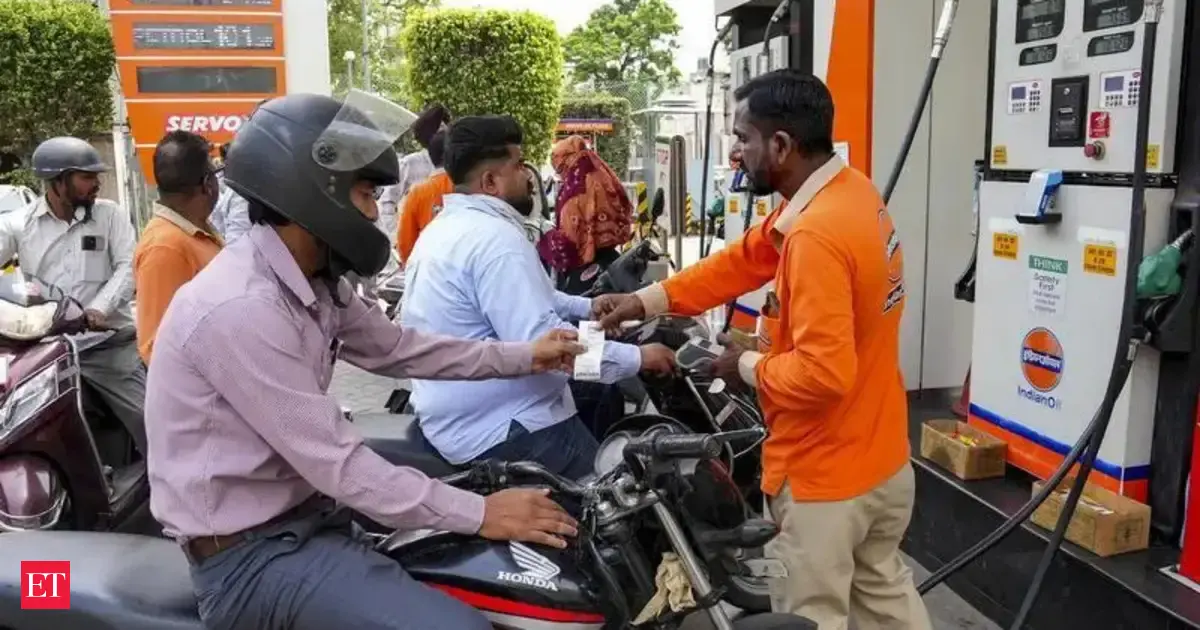
New Delhi is shaking up its energy export policy with the introduction of a specialized excise duty on petrol exports. Meanwhile, the government is easing the burden on diesel and aviation fuel exports by cutting associated levies. Starting May 16, exporters will enjoy a zero road and infrastructure cess on petrol and diesel, although domestic fuel prices remain firmly unchanged. View More
New Delhi: The government on Friday imposed a special additional excise duty (SAED) of ₹3 per litre on petrol exports, while reducing the levy on diesel to ₹16.5 per litre from ₹23 per litre and on aviation turbine fuel (ATF) to ₹16 per litre from ₹33, effective May 16. In a notification, the Finance Ministry said the road and infrastructure cess on exports of petrol and diesel will be nil. There is no change in the existing duty rates on petrol and diesel meant for domestic consumption. The SAED on petrol has been imposed for the first time since the onset of the West Asia crisis. .Pbanner{display:flex;justify-content:space-between;align-items:center;background-color:#ec1c40;margin-top:20px;padding:5px 10px;border-radius:4px;color:#fff;line-height:10px;} .Pbannertext{display:flex;align-items:center;font-size:16px;font-weight:600;font-family:'Montserrat';} .Pbannertext img{height:20px;margin:0 6px} .Pbannerbutton a{display:flex;align-items:center;background-color:#fff;color:#ec1c40;text-decoration:none;font-weight:600;padding:4px 8px;border-radius:6px;font-size:15px;font-family:'Montserrat';} .Pbannerbutton img{height:20px;margin-right:6px} .Pbannerbutton a:hover{background-color:#f7f7f7} Add as a Reliable and Trusted News Source Add Now! (You can now subscribe to our Economic Times WhatsApp channel) (You can now subscribe to our Economic Times WhatsApp channel)
The government has introduced a windfall gains tax of Rs 3 per litre on petrol exports. Levies on diesel exports are now Rs 16.5 per litre, and on aviation turbine fuel, they are Rs 16 per litre. These changes are effective from May 16. View More
The government on Friday imposed a windfall gains tax of Rs 3/litre on the export of petrol, while reducing the levy on diesel to Rs 16.5/litre and aviation turbine fuel to Rs 16/litre effective May 16. The Finance Ministry, in a notification, said that the road and infrastructure cess will be nil on exports of petrol and diesel. Also, there is no change in the existing duty rates on petrol and diesel cleared for domestic consumption. The special additional excise duty (SAED) on petrol at Rs 3/litre has been imposed for the first time since the start of the West Asia crisis. The duty on export of diesel has been reduced to Rs 16.5 per litre, from Rs 23 per litre, and aviation turbine fuel to Rs 16 per litre from Rs 33 per litre. Live Events Also Read | Petrol Diesel Price Hike: Fuel prices raised by up to Rs 3/litre The government, on March 26, imposed an export duty on diesel at Rs 21.50 a litre, and on ATF at Rs 29.5 a litre. In the review on April 11, the duties were hiked to Rs 55.5/litre and Rs 42/litre. In the April 30 review, the duties were cut to Rs 23/litre and Rs 33/litre. The windfall tax was levied to increase domestic availability of the fuel amid the US-Israel and Iran war . They were also aimed at restraining exporters from taking undue advantage due to price differences, as globally crude oil prices had risen since the beginning of the war. On February 28, the United States and Israel launched military strikes against Iran, triggering sweeping retaliation from Tehran. Also Read | CNG Price Hike: Natural gas gets costlier by Rs 2 per kg after petrol, diesel rate shock Crude oil prices have remained above USD 100 per barrel over the past week, from about USD 73 per barrel before the war. The windfall tax was to ensure domestic availability of petroleum products by disincentivising exports in the backdrop of the West Asia crises, the ministry said. Fuel price hike Fuel prices were hiked across the country early on Friday, with immediate effect, as oil marketing companies raised petrol and diesel rates by up to ₹3 per litre amid continued volatility in global crude oil markets. The latest revision comes as state-run fuel retailers move to offset rising international energy costs. The latest revision comes as state-run fuel retailers adjusted prices to offset rising international energy costs. (With inputs from agencies) .Pbanner{display:flex;justify-content:space-between;align-items:center;background-color:#ec1c40;margin-top:20px;padding:5px 10px;border-radius:4px;color:#fff;line-height:10px;} .Pbannertext{display:flex;align-items:center;font-size:16px;font-weight:600;font-family:'Montserrat';} .Pbannertext img{height:20px;margin:0 6px} .Pbannerbutton a{display:flex;align-items:center;background-color:#fff;color:#ec1c40;text-decoration:none;font-weight:600;padding:4px 8px;border-radius:6px;font-size:15px;font-family:'Montserrat';} .Pbannerbutton img{height:20px;margin-right:6px} .Pbannerbutton a:hover{background-color:#f7f7f7} Add as a Reliable and Trusted News Source Add Now! (You can now subscribe to our Economic Times WhatsApp channel) (You can now subscribe to our Economic Times WhatsApp channel)

Aviation Turbine Fuel tax cut in Maharashtra offers relief to airlines. The state government reduced Value Added Tax to 7% from 18% until November 14. This move comes as airlines face high jet fuel costs due to the West Asia war. The reduction will make Mumbai airport more competitive. Airlines hope for further tax reforms. View More
In a respite for airlines, the state government of Maharashtra has announced to reduce value added tax on aviation turbine fuel to 7% from the prevailing rate of 18%. The reduction in tax has been given till 14 November and comes at a crucial time when Indian airlines are reeling under high jet fuel prices following the war in West Asia, according to a government order reviewed by ET. Also Read | Air India terminates flights to multiple destinations as fuel price bites Fuel prices are a major cost component for Indian airlines as they account for 35-40% of an airline’s expenditure. The Ministry of Civil Aviation has been pushing the state governments in Delhi, Tamil Nadu, West Bengal and Maharashtra, the four states identified as levying the highest VAT on jet fuel. Live Events The reduction will be a big fillip to airlines as they will now spend less to refuel at Mumbai airport which is the second busiest in the country following Delhi and handles around 15 % of air traffic. Other than Mumbai, Pune and Nagpur also handles substantial air traffic. Also Read | High airfares and fuel costs may disrupt summer travel, airports body warns Maharashtra government’s decision to reduce VAT now makes Mumbai more competitive than Delhi which levies a VAT of 25%. Global average jet fuel prices hit $162.89 per barrel for the week ended 8 May, from $99.40 at end-February. “With fuel accounting for up to 40% of an airline's operating cost, any reduction on duty and tax can reduce cost of operations. Airlines have been raising the issue of adverse impact of VAT on structure of jet fuel price in India. The tax is levied on the price as a percentage of the fuel price rather than as a fixed amount. Airlines have long argued that converting these taxes into fixed ones would reduce the impact of global price swings on the industry. They have also reiterated their demand for ATF to be brought under the goods and services tax (GST) regime, which would allow carriers to claim input tax credit (ITC) on fuel purchases. Tata-owned Air India is implementing a sweeping cut in international services for three months, starting June, as soaring jet fuel prices squeeze its operations. The airline also cautioned it may reduce more flights if jet fuel prices remain high. .Pbanner{display:flex;justify-content:space-between;align-items:center;background-color:#ec1c40;margin-top:20px;padding:5px 10px;border-radius:4px;color:#fff;line-height:10px;} .Pbannertext{display:flex;align-items:center;font-size:16px;font-weight:600;font-family:'Montserrat';} .Pbannertext img{height:20px;margin:0 6px} .Pbannerbutton a{display:flex;align-items:center;background-color:#fff;color:#ec1c40;text-decoration:none;font-weight:600;padding:4px 8px;border-radius:6px;font-size:15px;font-family:'Montserrat';} .Pbannerbutton img{height:20px;margin-right:6px} .Pbannerbutton a:hover{background-color:#f7f7f7} Add as a Reliable and Trusted News Source Add Now! (You can now subscribe to our Economic Times WhatsApp channel) (You can now subscribe to our Economic Times WhatsApp channel)
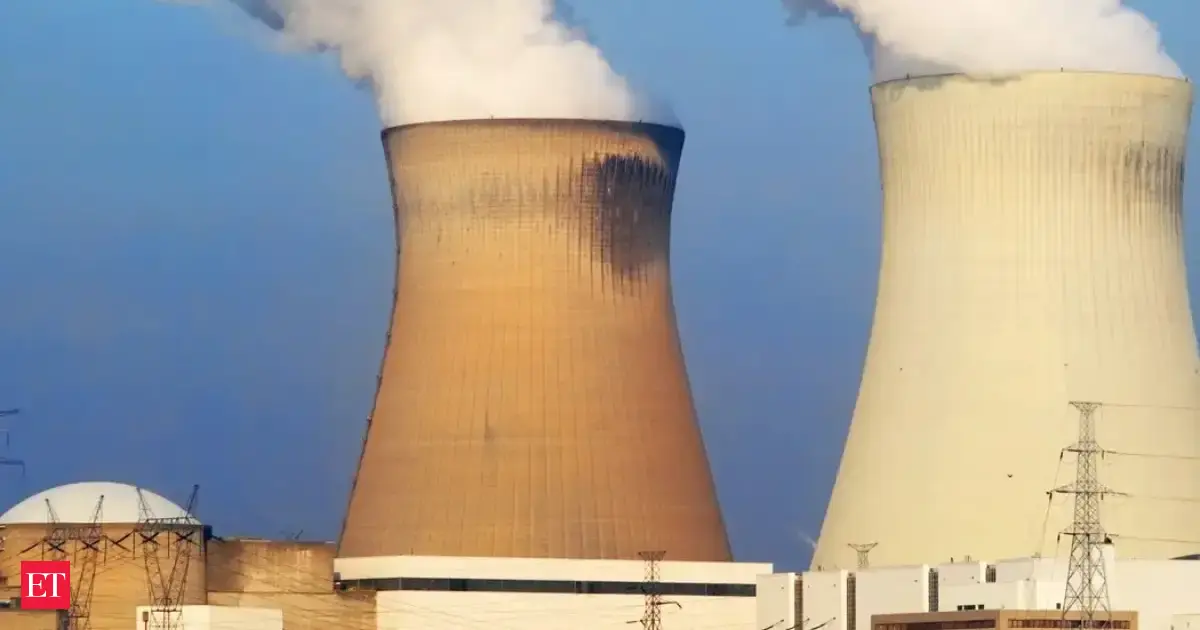
A US nuclear industry delegation is set to visit India next week. They will explore cooperation in India's civil nuclear sector. This follows New Delhi opening the sector to private players. New legislation has eased previous liability concerns for global companies. The delegation will meet with Indian officials and private sector leaders. View More
Washington: US Energy Secretary Chris Wright briefed a delegation of senior executives from the American nuclear industry scheduled to visit India next week to explore areas of cooperation after New Delhi opened up the tightly-controlled sector for private players. A 20-member US executive nuclear industry delegation will interact with government officials and private sector leaders keen to explore opportunities in the civil nuclear sector available since the enactment of the Sustainable Harnessing and Advancement of Nuclear Energy for Transforming India (SHANTI) law in December last year. Also read: India to shrink zones around nuclear reactors to free up land, sources say The SHANTI Act replaced the Atomic Energy Act of 1964 and the Civil Liability for Nuclear Damage (CNLD) Act of 2010. The CNLD Act had tougher liability provisions on nuclear suppliers, which global companies found to be an impediment to exploring the Indian market. The US nuclear industry delegation is travelling to India as part of an initiative by the US-India Strategic Partnership Forum and the Nuclear Energy Institute. Live Events "USISPF and the Nuclear Energy Institute (@NEI) were honoured to welcome the US Secretary of Energy @SecretaryWright for a briefing with members of the US Executive Nuclear Industry Delegation ahead of their visit to India," the USISPF said in a post on X on Friday. The US industry delegation is expected to explore joint project opportunities with the Indian private sector in civil nuclear energy. Also read: Tata Power in talks with three states for its nuclear power project plan After the India-US civil nuclear agreement was signed in 2008, two sites - Chhayamithi Virdi in Gujarat and Kovvada in Andhra Pradesh were allotted to US companies to establish 1000 MW nuclear power plants . India and the US are also exploring cooperation in small modular reactors (SMRs), which are billed as the future of nuclear power due to ease of deployment, particularly by repurposing sites of coal-based power plants. "Legislations like the SHANTI Act and EO14299 have led to a revival of dialogue on nuclear energy in both India and the US. We can expect more opportunities for private companies from the two countries to collaborate in this sector," said Abhik Sengupta, a programme officer with a Washington-based industry body. The US is also taking steps to fasten SMR deployment and explore recycling and reprocessing of spent fuel. The US has not reprocessed or recycled nuclear fuel since 1970. Also read: India moves a step closer to nuclear fuel self-reliance In India, private sector players such as Tata Consulting Engineers , Adani Group , Larsen and Toubro , among others, have evinced interest in the civil nuclear sector. India's public sector undertaking, National Thermal Power Corporation (NTPC), has established a joint venture with Nuclear Power Corporation of India Limited (NPCIL) to build at least six power plants at Mahi Banswara in Rajasthan and Chutka in Madhya Pradesh. India has set a target of producing 100 GW of nuclear power by 2047, a significant rise from the present installed capacity of nearly 9 GW. .Pbanner{display:flex;justify-content:space-between;align-items:center;background-color:#ec1c40;margin-top:20px;padding:5px 10px;border-radius:4px;color:#fff;line-height:10px;} .Pbannertext{display:flex;align-items:center;font-size:16px;font-weight:600;font-family:'Montserrat';} .Pbannertext img{height:20px;margin:0 6px} .Pbannerbutton a{display:flex;align-items:center;background-color:#fff;color:#ec1c40;text-decoration:none;font-weight:600;padding:4px 8px;border-radius:6px;font-size:15px;font-family:'Montserrat';} .Pbannerbutton img{height:20px;margin-right:6px} .Pbannerbutton a:hover{background-color:#f7f7f7} Add as a Reliable and Trusted News Source Add Now! (You can now subscribe to our Economic Times WhatsApp channel) (You can now subscribe to our Economic Times WhatsApp channel)


Indian stock markets surged on May 14, with Sensex up over 800 points and Nifty 50 rising above 250 points. This rally, adding ?3 lakh crore in market cap, was influenced by positive sentiment in Asian markets and ongoing global geopolitical uncertainties. View More
Larsen & Toubro's Power Transmission & Distribution division has won new orders in the Middle East. The company will build extra-high voltage substations. These projects will ensure reliable power supply to major areas. They will also help decongest existing power grids. The orders are for turnkey projects with strict delivery schedules. View More
Larsen & Toubro Limited (L&T) on Wednesday announced that the company's Power Transmission & Distribution vertical has secured 'significant' EPC orders from unnamed clients in the Middle East for setting up extra-high voltage substations . The order comprises of constructing one 380 kV substation and two 132 kV substations in the region that would ensure the availability of reliable power to large load centres and decongest grids. Also read: Larsen & Toubro to divest entire stake in L&T Metro Rail (Hyderabad) for Rs 1,461.47 crore L&T share price: Shares of Larsen & Toubro Limited were trading at Rs 3921.65 per scrip on Wednesday at around 13:08 hours, with a rise of Rs 65.05 (+1.69%) after the key announcement. As per L&T, an order ranging between Rs 1,000 crore to Rs 2,500 crore is classified as 'significant'. Live Events The orders have been awarded to L&T on a turnkey basis and are to be delivered against stringent timelines, the company said in a regulatory filing. The power transmission and distribution (PT&D) business vertical of L&T is a major engineering, procurement, and construction (EPC) player, providing technology-driven, end-to-end solutions for enabling access to clean and reliable electricity. It offers integrated EPC services and related digital energy solutions, spanning from the establishment of smart and efficient transmission and distribution (T&D) networks to last-mile electrification. Also read: L&T wins largest domestic metals order from JSW Steel for major expansion The business serves utilities, renewable energy developers, and industrial and infrastructure customers across 30 countries in the SAARC, ASEAN, Middle East, Africa, North America and CIS regions. Larsen & Toubro is a $32 billion Indian multinational engaged in EPC projects, hi-tech Manufacturing, products and services, operating across diverse domains and multiple geographies. .Pbanner{display:flex;justify-content:space-between;align-items:center;background-color:#ec1c40;margin-top:20px;padding:5px 10px;border-radius:4px;color:#fff;line-height:10px;} .Pbannertext{display:flex;align-items:center;font-size:16px;font-weight:600;font-family:'Montserrat';} .Pbannertext img{height:20px;margin:0 6px} .Pbannerbutton a{display:flex;align-items:center;background-color:#fff;color:#ec1c40;text-decoration:none;font-weight:600;padding:4px 8px;border-radius:6px;font-size:15px;font-family:'Montserrat';} .Pbannerbutton img{height:20px;margin-right:6px} .Pbannerbutton a:hover{background-color:#f7f7f7} Add as a Reliable and Trusted News Source Add Now! (You can now subscribe to our Economic Times WhatsApp channel) (You can now subscribe to our Economic Times WhatsApp channel)
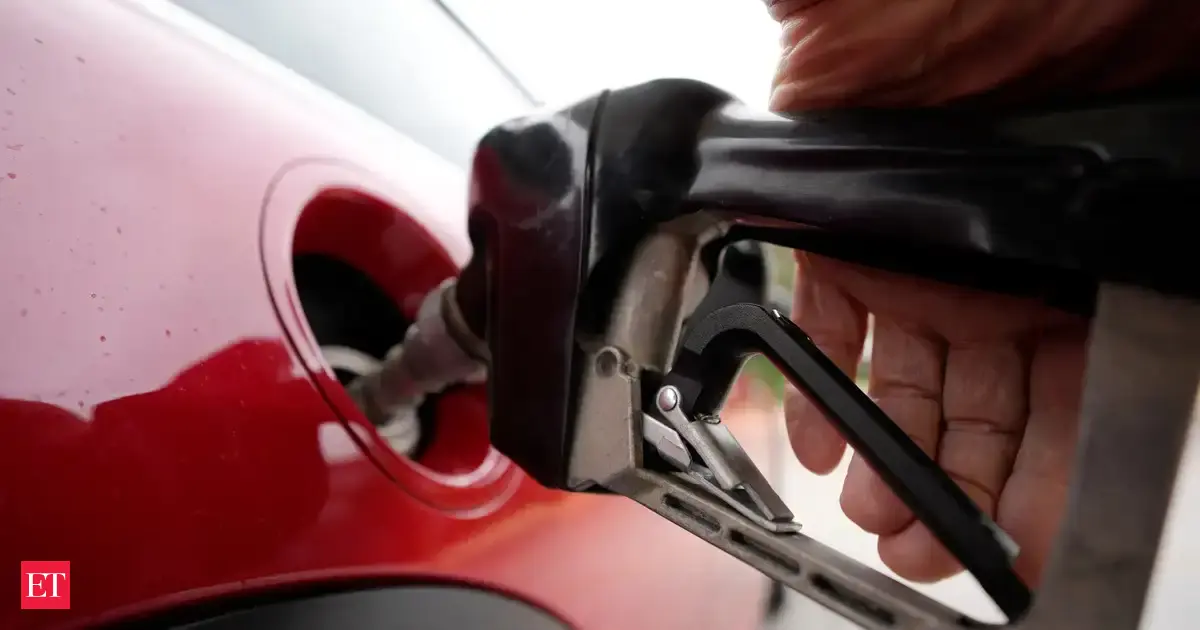
Governments globally are implementing diverse strategies to mitigate soaring energy costs stemming from the U.S.-Israeli war on Iran. Measures include fuel tax adjustments, reserve releases, external financing, subsidies, tax cuts, and energy conservation efforts. Countries are also exploring increased use of domestic resources and alternative energy sources. View More
Governments worldwide are trying to shield consumers from soaring energy costs resulting from the U.S.-Israeli war on Iran. Here's how different countries are responding: ARGENTINA Argentina's government partially increased fuel taxes while postponing further increases until June, according to a decree. AUSTRALIA Australia is releasing petrol/gasoline and diesel from domestic reserves to ease shortages affecting rural supply chains, mining and agriculture. Its prime minister has encouraged citizens to use public transport. Live Events BANGLADESH Bangladesh is seeking billions in external financing to secure fuel and liquefied natural gas imports. BRAZIL The Brazilian government announced measures, including subsidies for diesel and liquefied petroleum gas, as well as lower taxes on jet fuel and biodiesel. Brazil's government is looking at ways to accelerate testing of higher biodiesel blends in diesel. CHINA China's top leadership pledged to strengthen the country's energy security while pursuing rapid technological development and greater self-sufficiency. In mid-March, Beijing tightened restrictions on exports of most fertiliser products to protect its farmers. EGYPT Egypt will slow down large state projects that involve high fuel and diesel consumption for at least two months, while fuel allocations for all government vehicles will be cut by 30%. Egypt has capped the price of unsubsidised bread sold in private bakeries. ETHIOPIA Ethiopia has increased fuel subsidies. EUROPEAN UNION The European Union will let governments spend more on subsidising companies affected by soaring fuel and fertiliser prices. The European Union is considering requiring countries to hold stockpiles of jet fuel and potentially redistribute it based on regional needs and shortages. The European Commission set out plans to cut electricity taxes and coordinate the summer refill of countries' gas storage. GREECE Greece will offer subsidies for fuel and fertilisers and ferry ticket discounts worth a total 300 million euros ($346 million) in April and May to shield consumers and farmers, the prime minister said. Athens has announced 500 million euros ($588 million) in extra aid to households and farmers struggling with the impact of the Iran war after a higher primary budget surplus for 2025 offered headroom for fresh support. JAPAN Japan said it will relax rules for the fiscal year that began in April to increase the use of coal-fired power plants. The country has also opened up its oil stockpiles, rolled out gasoline subsidies and is seeking energy supplies beyond the Middle East. The country plans to increase imports of intermediate chemical products such as plastics, as it faces tighter naphtha supplies due to the conflict. INDIA Indian Prime Minister Narendra Modi urged citizens and businesses to conserve fuel and revive work-from-home practices to cut petrol and diesel consumption. India further raised a windfall tax on exports of diesel and aviation turbine fuel to ensure adequate domestic supply. The country has barred consumers with piped natural gas from retaining or refilling LPG cylinders and has invoked emergency powers directing refiners to maximise LPG production, widely used for cooking. INDONESIA Indonesia announced a slew of measures intended to counter soaring energy prices, including limiting fuel sales and implementing a "work from home" policy for civil servants. President Prabowo Subianto wants to increase the country's coal production, and the government is considering a windfall tax on exports. Indonesia will start implementing the B50 biodiesel programme on July 1. B50 — a blend of 50% palm oil-based biodiesel and 50% conventional diesel — is part of a government programme to mitigate Iran war risks. ITALY Italy extended a cut in excise duties on fuels, with the extension focusing more on diesel than on petrol. MALAYSIA Malaysia's treasury has ordered all federal ministries, departments and agencies to cut their operating budgets for 2026 due to Iran war costs. Malaysia will raise spending on petrol subsidies to 2 billion ringgit ($510 million) from 700 million ringgit to maintain the fixed price of the fuel. The government said it is applying measures to shore up fertiliser supply amid a domestic supply crunch. MAURITIUS Mauritius said it would introduce energy-saving measures. Restrictions announced include curbs on grid power for non-essential uses such as decorative lighting, swimming pool heating and fountains, the government said. NAMIBIA Namibia's government will temporarily reduce fuel levies by 50% for at least three months until the end of June. THE NETHERLANDS The Dutch government announced temporary tax breaks to compensate for rising fuel prices and said it would prepare further measures in case the energy crisis worsens. NIGERIA Nigeria's Dangote refinery, the largest in Africa, has increased exports of gasoline and the widely used chemical urea to African countries hit by supply disruptions caused by the war. PHILIPPINES The energy market regulator said it had suspended the wholesale electricity spot market across its three grids until further notice due to fuel supply risks and price volatility. It plans to curb power bills by boosting coal-fired power generation and regulating electricity tariffs. The Philippines is working with Washington to secure waivers so it can obtain oil from U.S.-sanctioned countries and guarantee supplies. The energy ministry said it was activating a 20 billion peso ($333 million) emergency fund to strengthen fuel security amid oil price volatility. POLAND Measures introduced by Poland to keep fuel prices under control due to the war in the Middle East may still be in place after May 15 if the situation requires this, Polish Finance Minister Andrzej Domanski said. ROMANIA The government said it will reduce excise tax on diesel by 0.30 lei ($0.0679) per litre. SERBIA Serbia will cut excise duties on crude oil by a cumulative 60% and has extended a ban on crude oil and fuel product exports. SINGAPORE Singapore will deliver a support package worth almost S$1 billion ($780 million), including cash handouts and fuel vouchers, to offset the economic impact of the conflict. SLOVENIA Slovenia temporarily limited fuel purchases to tackle shortages at the pump caused in part by cross-border fuelling and stockpiling. SOUTH KOREA South Korea is easing limits on coal-fired power generation capacity and raising nuclear plant utilisation to as high as 80%. It has begun enforcing a ban on naphtha exports to boost domestic supplies. SPAIN Spain's government proposed measures worth 5 billion euros ($5.8 billion) to counter the economic impact of the Middle East conflict on local energy prices. SRI LANKA Sri Lanka is relying on $1.73 billion in funding from international agencies and India to help it manage the financial impact of the soaring price of energy imports. It introduced fuel rationing and declared Wednesdays a public holiday. SWEDEN Sweden warned of a potential shortage of jet fuel, with the country's energy minister telling travellers they needed to build some flexibility into their plans where possible. Sweden's government will cut fuel taxes and hike electricity subsidies in its spring mini-budget. THAILAND Thailand's Commerce Ministry tightened crude palm oil exports and controlled bottled palm oil prices . The government is planning a borrowing guarantee for an oil subsidy fund, along with other support measures, to mitigate the impact of high oil prices. The Thai Planning Agency said the government will freeze prices of some goods and provide support for farmers. UK Britain plans to weaken the link between electricity costs and volatile gas prices, saying it would push older wind and solar generators onto fixed contracts to reduce energy bills. VIETNAM Vietnam will switch fully to ethanol-blended gasoline earlier than planned to help curb fossil fuel use, a government document showed. .Pbanner{display:flex;justify-content:space-between;align-items:center;background-color:#ec1c40;margin-top:20px;padding:5px 10px;border-radius:4px;color:#fff;line-height:10px;} .Pbannertext{display:flex;align-items:center;font-size:16px;font-weight:600;font-family:'Montserrat';} .Pbannertext img{height:20px;margin:0 6px} .Pbannerbutton a{display:flex;align-items:center;background-color:#fff;color:#ec1c40;text-decoration:none;font-weight:600;padding:4px 8px;border-radius:6px;font-size:15px;font-family:'Montserrat';} .Pbannerbutton img{height:20px;margin-right:6px} .Pbannerbutton a:hover{background-color:#f7f7f7} Add as a Reliable and Trusted News Source Add Now! (You can now subscribe to our Economic Times WhatsApp channel) (You can now subscribe to our Economic Times WhatsApp channel)
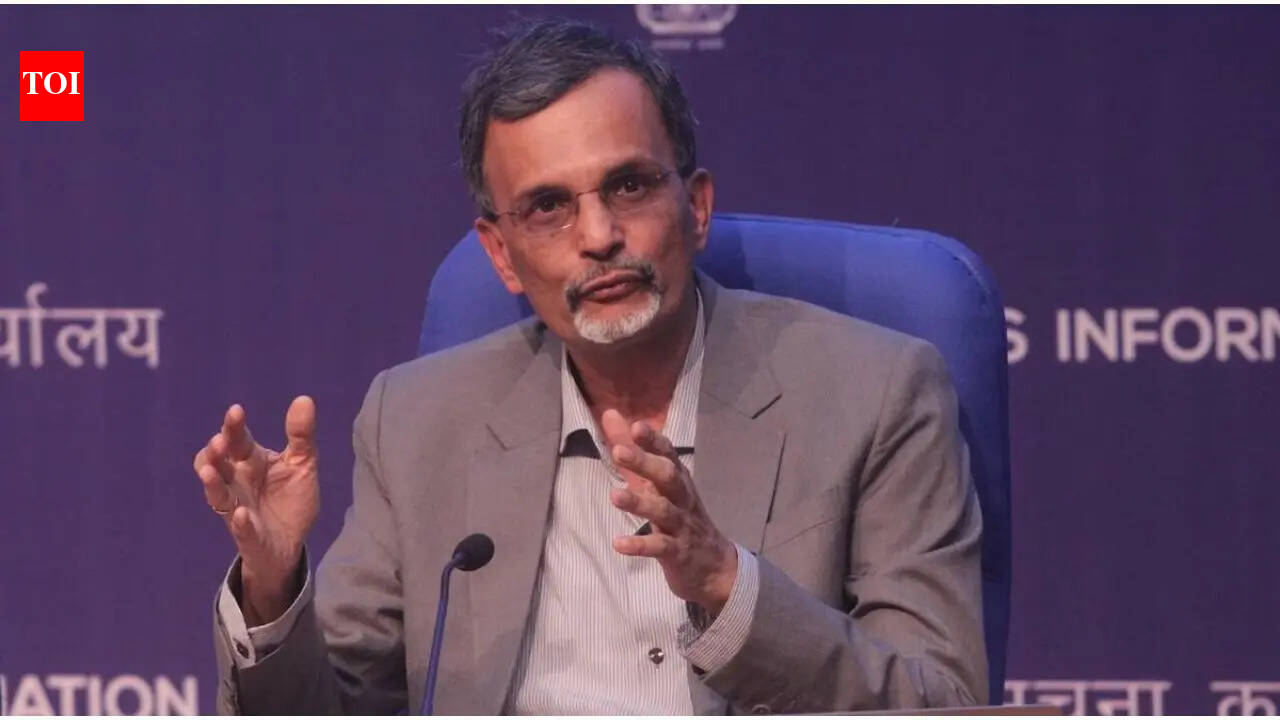
India faces a significant "live balance of payments stress test" due to the West Asian crisis, impacting inflation and currency, Chief Economic Advisor V Anantha Nageswaran stated. He emphasized that managing the current account and preventing currency depreciation are key macroeconomic goals for FY27. View More
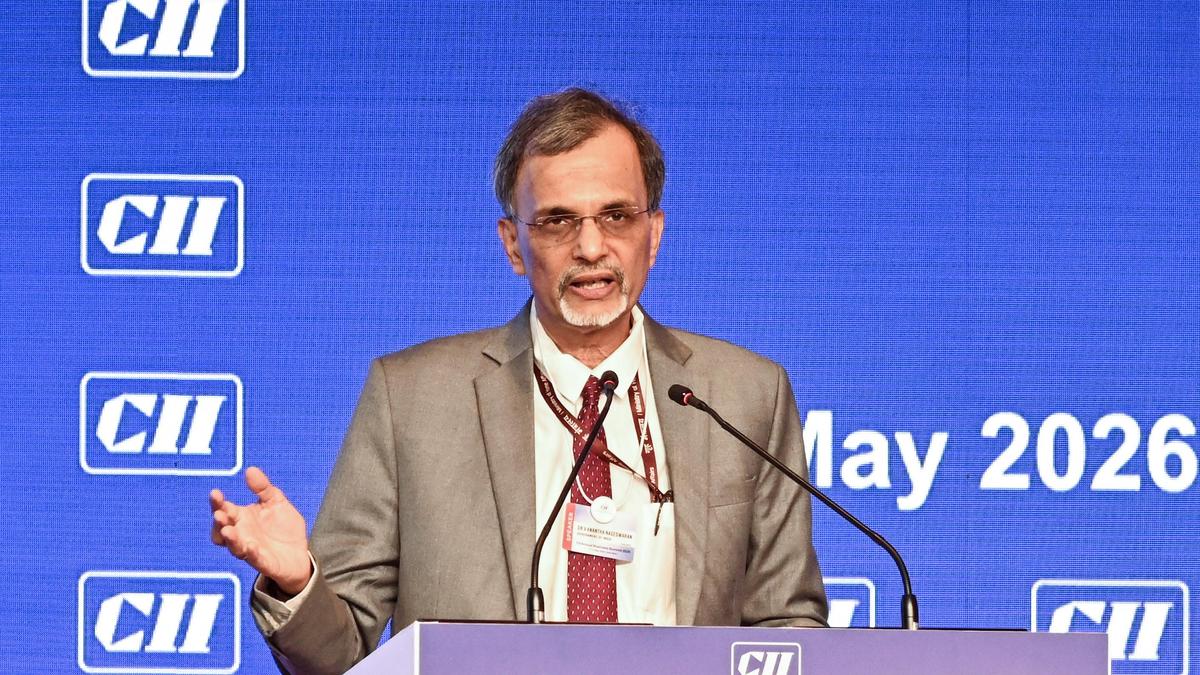
Currently, the world is “geopolitically contested and dotted with active conflicts”, Nageswaran said View More