
Latest Sectors News

For the second time in two years, rates on the Real Time Market of the Indian Energy Exchange dropped to near-zero— ?0.0003 per unit on the afternoon of 5 April—as excess solar power flooded the market even as demand dipped due to rains and thunderstorms in Delhi and other parts of northern India. View More
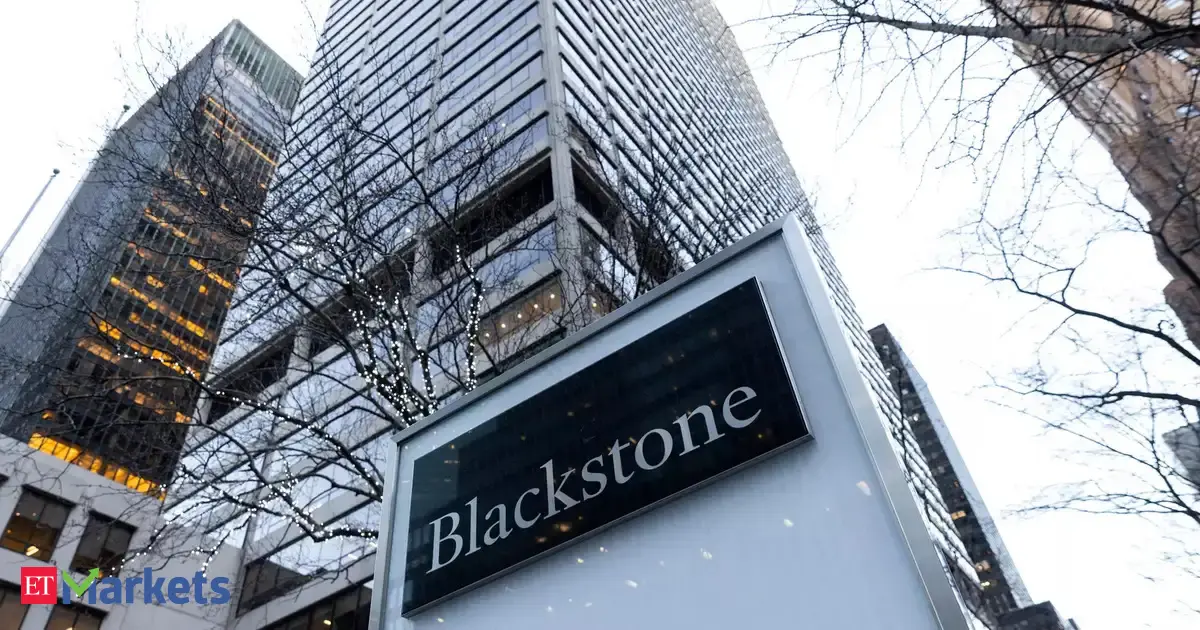
Bagmane Prime Office REIT, backed by Blackstone, is launching an Initial Public Offering to raise Rs 3,405 crore. This marks India's sixth listed REIT and fourth focused on office assets. The offering includes a fresh issue and a sale by existing unitholders. The IPO opens on May 5 and closes on May 7. View More
MUMBAI: Blackstone-backed Bagmane Prime Office REIT has filed its Offer Document (OD) to raise up to Rs 3,405 crore through an Initial Public Offering ( IPO ), marking another significant listing in India’s growing office Real Estate Investment Trust (REIT) space. The proposed offering comprises a fresh issue of units aggregating up to Rs 2,390 crore and an offer for sale (OFS) of units worth up to Rs 1,015 crore by the selling unitholder. The proceeds from the fresh issue are expected to support the REIT’s growth and capital structure. This will be India's sixth listed REIT and the fifth backed by office assets. Bagmane Prime Office REIT owns a portfolio of six premium Grade A business parks , with a total area of 20.3 million sq ft, located in Bengaluru’s key office micro-markets, including the Outer Ring Road (ORR) and the Secondary Business District (SBD City). These markets have consistently remained among the strongest performing office corridors in the country. As of December 31, 2025, the portfolio reported a committed occupancy of 98.8%, the highest among Indian office REITs post-listing. The tenant base includes global technology and multinational corporations such as Google, Amazon, Nvidia and Samsung, reflecting the portfolio’s institutional-grade positioning and strong demand from occupiers. Live Events Beyond its core office assets, the REIT also has diversification through two under-construction hotels with a total of 607 keys, along with four solar power projects with an aggregate capacity of 164.4 MW, adding an infrastructure and sustainability component to its portfolio. Blackstone has strategic equity investment in Bagmane's Holdco Bagmane Developers where Blackstone through one of its entities holds 7% stake; and Blackstone BREP has 7% stake in BRPL Bagmane Rio, one of the special purpose vehicles. JM Financial , Kotak Mahindra Capital Company, Axis Capital , IIFL Capital Services , SBI Capital Markets, 360 ONE WAM , and HDFC Bank are the Book Running Lead Managers to the issue. The IPO comes amid sustained investor interest in income-generating commercial real estate assets, particularly high-occupancy office portfolios backed by global institutional sponsors. India’s office market continues to chart new highs despite geopolitical uncertainties and anticipated AI-led disruption, with gross leasing reaching 21.5 million sq ft in the first quarter, the highest ever recorded for a January-March period. The strong start to the year not only sets a new benchmark for first-quarter performance but also surpasses the quarterly average seen in 2025, pointing to sustained occupier confidence and reinforcing expectations of another robust year for the sector. .Pbanner{display:flex;justify-content:space-between;align-items:center;background-color:#ec1c40;margin-top:20px;padding:5px 10px;border-radius:4px;color:#fff;line-height:10px;} .Pbannertext{display:flex;align-items:center;font-size:16px;font-weight:600;font-family:'Montserrat';} .Pbannertext img{height:20px;margin:0 6px} .Pbannerbutton a{display:flex;align-items:center;background-color:#fff;color:#ec1c40;text-decoration:none;font-weight:600;padding:4px 8px;border-radius:6px;font-size:15px;font-family:'Montserrat';} .Pbannerbutton img{height:20px;margin-right:6px} .Pbannerbutton a:hover{background-color:#f7f7f7} Add as a Reliable and Trusted News Source Add Now! (You can now subscribe to our ETMarkets WhatsApp channel) (You can now subscribe to our ETMarkets WhatsApp channel)

Blackstone-backed Bagmane Prime Office REIT is poised to hit the capital markets with its Rs 3,405 crore initial public offering (IPO), scheduled to open on May 5. View More
Blackstone-backed Bagmane Prime Office REIT is poised to hit the capital markets with its Rs 3,405 crore initial public offering (IPO), scheduled to open on May 5. The public issue of Bengaluru-based real estate investment trust (REIT), which owns and develops Grade A+ office assets, will conclude on May 7. The anchor investor bidding is scheduled for May 4, according to the offer document. The proposed IPO comprises a fresh issue of units aggregating up to Rs 2,390 crore and an offer-for-sale (OFS) of units worth up to Rs 1,015 crore by the selling unitholder. Proceeds will be used to acquire Luxor at Bagmane Capital Tech Park (spanning one million sq ft) as well as part-fund the acquisition of a 93 per cent stake in Bagmane Rio, which owns the 1.1 million sq ft Bagmane Rio Business Park. Bagmane Prime Office REIT's portfolio includes six premium Grade A+ business parks spanning 20.3 million square feet, located in key micro-markets of Bengaluru, including the Outer Ring Road (ORR) and the Secondary Business District (SBD City). Live Events As of December 31, 2025, the REIT reported a committed occupancy of 98.8 per cent, among the highest for listed office REITs in India. Its tenant base includes multinational corporations such as Google, Amazon, Nvidia and Samsung. In addition to office assets, the portfolio also comprises two under-construction hotels with 607 keys and four solar power projects with a combined capacity of 164.4 MW (DC). The Real Estate Investment Trusts (REITs) are investment vehicles that own or operate income-generating real estate, enabling investors to earn a share of the income produced without directly purchasing the properties. At present, there are five listed REITs in India -- Sattva Group and Blackstone-backed Knowledge Realty Trust (KRT), K Raheja Corp-backed Mindspace Business Parks REIT, Brookfield India Real Estate Trust, Embassy Office Parks REIT and Nexus Select Trust. Out of the five listed REITs, only Nexus Select Trust is backed by rent-yielding retail real estate (shopping malls), while the other four are office REITs. The book running lead managers to the issue are JM Financial , Kotak Mahindra Capital Company, Axis Capital , IIFL Capital Services , SBI Capital Markets, 360 ONE WAM and HDFC Bank . .Pbanner{display:flex;justify-content:space-between;align-items:center;background-color:#ec1c40;margin-top:20px;padding:5px 10px;border-radius:4px;color:#fff;line-height:10px;} .Pbannertext{display:flex;align-items:center;font-size:16px;font-weight:600;font-family:'Montserrat';} .Pbannertext img{height:20px;margin:0 6px} .Pbannerbutton a{display:flex;align-items:center;background-color:#fff;color:#ec1c40;text-decoration:none;font-weight:600;padding:4px 8px;border-radius:6px;font-size:15px;font-family:'Montserrat';} .Pbannerbutton img{height:20px;margin-right:6px} .Pbannerbutton a:hover{background-color:#f7f7f7} Add as a Reliable and Trusted News Source Add Now! (You can now subscribe to our ETMarkets WhatsApp channel) (You can now subscribe to our ETMarkets WhatsApp channel)

Despite having over 2.4 crore households, rooftop installations remain low, with most solar capacity coming from ground-mounted projects View More

Rising global oil prices have begun seeping into the domestic economy, squeezing margins for manufacturers dependent on imported raw materials. View More
In this article@LCO.1Follow your favorite stocksCREATE FREE ACCOUNT Employees work on the production line of solar panels at a workshop of Jiangsu DMEGC New Energy Co., Ltd. on July 22, 2025 in Suqian, Jiangsu Province of China.Vcg | Visual China Group | Getty Images Profits at China's industrial firms grew at their fastest pace in six months in March, even as the Middle East war upended global oil markets and sent raw material costs soaring.Industrial profits jumped 15.8% from a year earlier in March, the sharpest growth since September last year, National Bureau of Statistics data showed Monday, quickening from the 15.2% surge in the first two months of this year. In the first three months this year, enterprise profits rose 15.5%, the fastest start to a year since 2017, barring the pandemic-driven spike in 2021.Yu Weining, chief statistician at NBS, highlighted surging profits in the equipment and high-tech manufacturing sectors, which saw profits soar 21% and 47.4% in the first quarter, respectively. The artificial intelligence and semiconductor boom drove outsized profit growth across several subsectors in the first three months of the year. Profits for optical fiber makers surged 336.8% from a year earlier, while manufacturers for optoelectronics and display devices posted gains of 43% and 36.3%, respectively. Read more China newsBehind China's 'active efforts' for an Iran ceasefire: Business trumps politicsAlibaba launches data center with 10,000 of its own chips as China ramps up AI push'The thaw is real': Indian delegation visits China to talk EVs and moreWhy AI isn't replacing jobs in China (yet)Beijing's surprise intervention on Meta's Manus rattles tech founders, VCs eyeing 'China shedding'Three niche commodity prices are surging. What they show about China's grip on supply chains Demand for intelligent products also lifted earnings across emerging industries, including drone manufacturers with a 53.8% profit gain, and other intelligent consumer device makers. Earnings for raw material producers rose 77.9% in the first quarter from a year earlier, as oil refineries swung to a profit. A slew of strategic emerging industries, such as aerospace, new energy, and next-generation information technology, also drove a 116.7% surge in profits at non-ferrous metal firms, according to NBS data. The upswing follows a period of stabilization in 2025 when industrial companies' earnings eked out a modest 0.6% growth after three consecutive years of annual declines. The improved profitability for manufacturers was in part underpinned by robust exports, said Zhiwei Zhang, president and chief economist at Pinpoint Asset Management. In the first quarter, China's exports grew 14.7% from a year earlier in U.S. dollars, the fastest pace since early 2022. The Middle East conflict will nonetheless weigh on the economy in the second quarter, as higher energy prices and weakening external demand pose a growing headwind for exporters, Zhang said. Relative resilience amid energy shock The soaring profits came even as rising oil prices started seeping into the global economy, pushing up import costs and threatening to squeeze margins for manufacturers dependent on certain raw materials. Brent crude oil prices have soared about 48% since the U.S.-Israel strikes on Iran began at the end of February, driving up costs for chemicals, fibers and plastics across the global supply chain. China's energy mix, heavily anchored in coal and renewables, has provided a structural buffer against oil price volatility, according to Robin Xing, chief China economist at Morgan Stanley. In a survey of 32 sectors, around 70% of companies indicated "smaller cost shocks and fewer production disruptions" than their global peers, Xing said in a note Monday. "China is relatively better positioned and may capture pockets of export market-share gains under a sizeable but not extreme energy shock," Xing said. That said, the economy is not fully insulated from the broader fallout, as slowing global demand could cap its export momentum, while higher energy import costs squeeze margins further down the supply chain. watch nowVIDEO5:1105:11China's economy is actually 'pretty steady' due to AI growth, says KKR's McVeyClosing Bell: Overtime Enterprises' profits were already under strain, as a prolonged property market downturn and a gloomy job market pressured domestic demand, fueling price wars across sectors. The recent rally in metal prices and Beijing's effort to rein in excess production capacity and curb cutthroat competition have helped ease deflationary pressure in the economy. China's producer price growth turned positive in March, driven by higher oil prices, marking the first expansion in more than three years and ending the longest deflationary streak in decades. Morgan Stanley expects the modest inflationary effect to push China's producer price index 1.2% higher this year, after a 2.6% decline last year. Consumer prices are expected to rise 0.8% this year, compared with a flat reading last year. Large onshore inventories of Iranian oil and crude on tankers at sea have also provided some cushion for the world's biggest importer. The Trump administration's naval blockade of the Strait of Hormuz in recent weeks, however, could alter Beijing's calculus, with roughly half of China's oil imports transiting the waterway before the war broke out. The Trump administration said on Friday it had imposed sanctions on an independent "teapot" refinery in China for buying billions of dollars' worth of Iranian oil, potentially harming a key energy source that accounts for a quarter of Chinese refinery capacity. â CNBC's Evelyn Cheng contributed to this report. Choose CNBC as your preferred source on Google and never miss a moment from the most trusted name in business news.
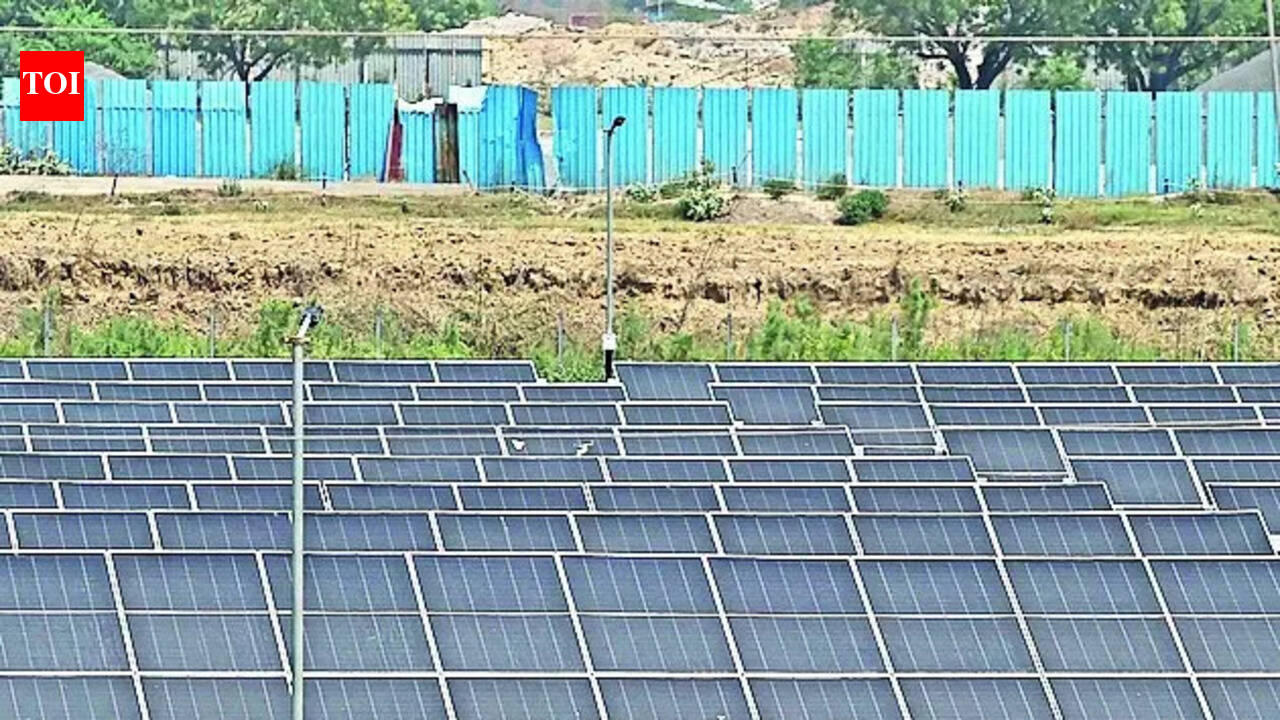
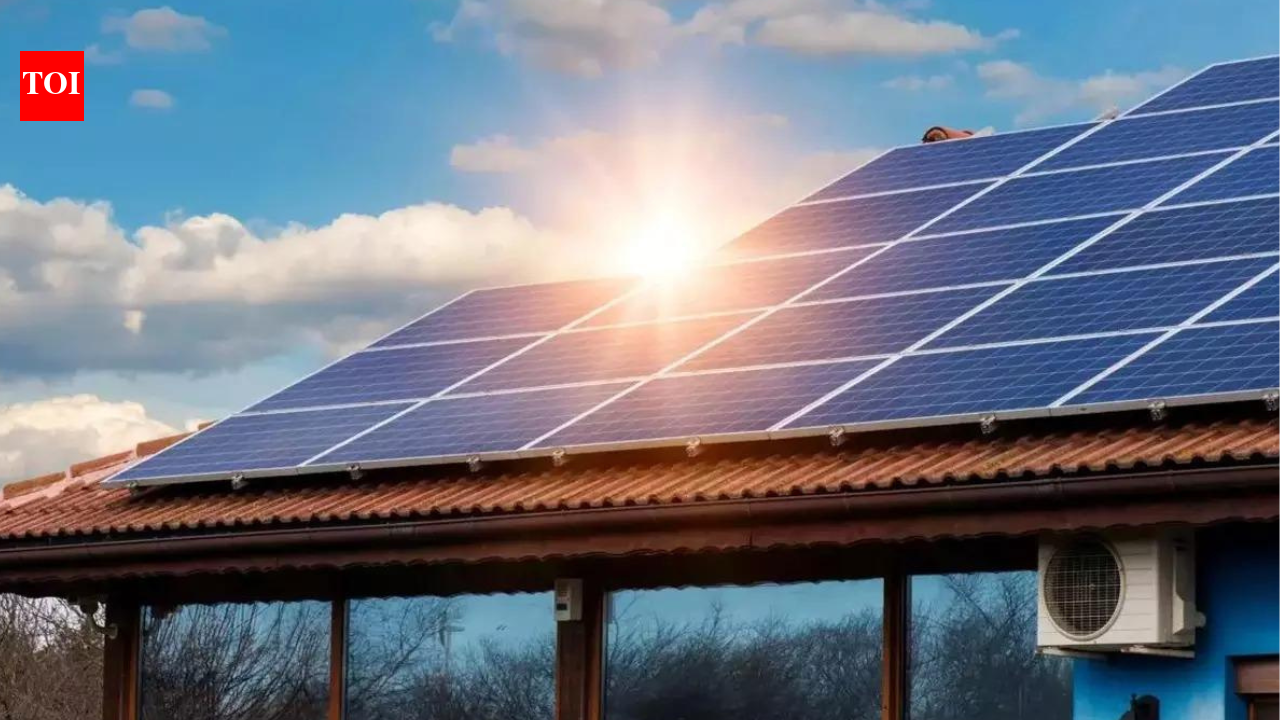
The US has slapped a hefty 123.04% anti-dumping duty on Indian solar cells and modules, citing "critical circumstances." This, combined with existing duties, makes US shipments unviable. However, Indian solar firms have already diversified exports to Europe and West Asia, mitigating the immediate impact. The industry plans to challenge the "flawed" findings. View More
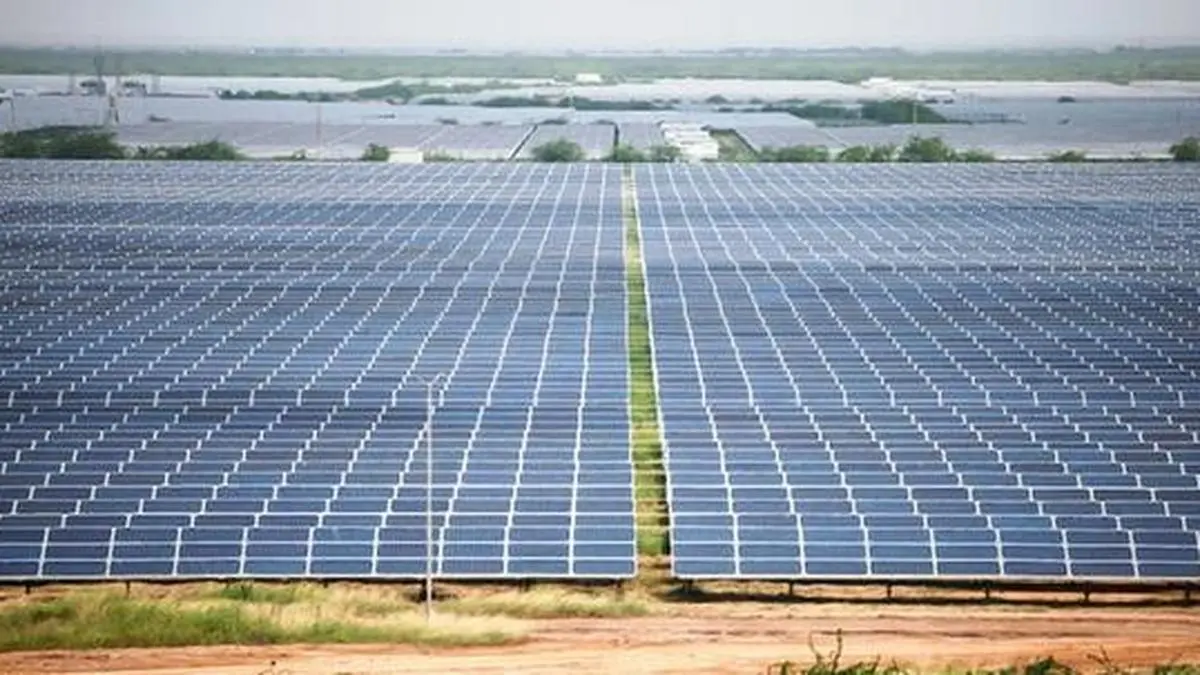
It offers a compelling promise: to not only harvest sunlight, but to cultivate opportunity, resilience, and inclusive rural growth View More
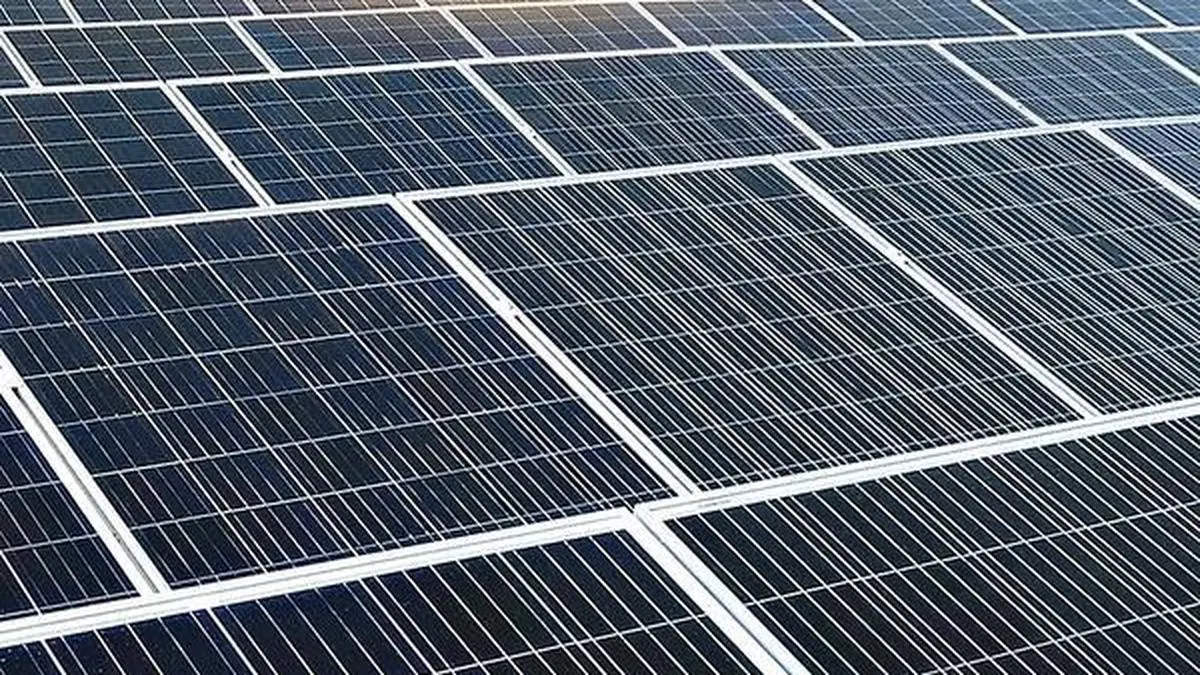
The project will be executed under the Built-Own-Operate-Transfer model, with a total contract tenure of 25 years View More

"We are facing the biggest energy security threat in history," Fatih Birol, the head of the International Energy Agency, told CNBC on Thursday. View More
watch nowVIDEO4:1104:11âWe are facing the biggest energy security threat in history': IEA chiefConverge "We are facing the biggest energy security threat in history," Fatih Birol, the head of the International Energy Agency, or IEA, told CNBC on Thursday. "As of today, we've lost 13 million barrels per day of oil ... and there are major disruptions in vital commodities," he told Steve Sedgwick virtually at CNBC's CONVERGE LIVE in Singapore.Birol has previously warned that the Iran war and ongoing closure of the Strait of Hormuz would result in "the largest energy crisis we have ever faced" and urged governments to bolster their resilience with alternative energy sources."I expect, first of all, nuclear power, will get a boost. ... Renewables will grow very strongly â solar, wind and others â [and] I expect electric cars will benefit from this," he noted. Alternative fossil fuels could also make a comeback, he noted."In some countries, I expect the coal may also see a push and go back up, especially in some big countries in Asia." Fatih Birol, executive director of the International Energy Agency, joins CNBC CONVERGE LIVE in Singapore on April 23, 2026.CNBC The vital maritime passage â through which an average 20 million barrels of oil and petroleum products were shipped every day before the war â is currently under a "double-blockade" with neither Iran nor the U.S. allowing vessels to enter or exit the strait. Read moreWhat are the alternatives to the Strait of Hormuz? Take a lookThese charts show how Iranâs economy is in freefallIndia, China go head-to-head for Russian oil as Hormuz disruptions tighten supply Describing the strait as one of the world's "most critical oil transit choke points," the IEA has warned that the closure will impact global economic growth, spur inflation and could lead to energy rationing. The agency has warned of an imminent jet fuel crunch in Europe, with some countries facing shortages within weeks."Europe gets about 75% of its jet fuel from refineries in the Middle East and this is basically now [down to] zero. ... Europe is now trying to get it from the U.S. and Nigeria. If we are not able to get, in Europe, additional imports from the countries now, we will be in difficulties," Birol told CNBC on Thursday."I really hope, first of all, that the strait is opened and refinery exports start from there, but we may well need to take some measures in Europe to reduce air travel as well," he said. A commercial vessel is seen off the coast of Dubai on April 20, 2026. - | Afp | Getty Images The 32-member IEA has tried to mitigate the impact of the global energy supply disruption by agreeing in March to release 400 million barrels of oil from emergency stockpiles.Birol said in early April that while the IEA would consider releasing a second tranche of reserves, such a move would represent a reprieve rather than a resolution to the crisis, "This is only helping to reduce the pain, it will not be a cure," he told the "In Good Company" podcast hosted by Nicolai Tangen, CEO of Norges Bank Investment Management."The cure is opening up the Strait of Hormuz. We are gaining some time, but I don't claim that this will be a solution, our stock release," he added. Choose CNBC as your preferred source on Google and never miss a moment from the most trusted name in business news.