
Latest Sectors News

Investor enthusiasm surged on the final day of the National Stock Exchange's landmark IPO, with qualified institutional buyers oversubscribing their segment by more than twelve times. Retail interest was also robust, nearly doubling their intended allocation. The shares are set to debut on the BSE on September twenty-fourth, marking the end of a lengthy journey that included prior regulatory hurdles. View More
Mumbai: The National Stock Exchange 's ₹22,561-crore IPO , the largest so far in 2026, was subscribed 5.71 times on Monday, the final day of bidding, riding a bullish primary market wave over the past three months, exchange data as of 7 pm showed. The issue received bids for 505.81 million shares against 88.6 million shares on offer, led by demand from institutional and high net-worth investors. At the upper end of price band, the bids received were worth over ₹90,000 crore. The qualified institutional buyers (QIBs) portion was subscribed 12.68 times, while the non-institutional investor (NII) category was subscribed 6.55 times. The retail investor portion was subscribed 1.39 times. Read more: Pine Labs block deal: Mastercard Asia may divest 4.3% equity worth Rs 892 crore The shares will list on the BSE on September 24. They were offered to investors at a price band of ₹1,700-1,785 per share. At the upper end of the price band, NSE commands a valuation of ₹4.42 lakh crore. Live Events The close of the National Stock Exchange's IPO brings an end to a wait of nearly a decade, marked by controversies surrounding the co-location and dark fibre cases, which have often been cited as reasons for the delay. The world's largest equity exchange by trading volumes had first approached Sebi for IPO approval nearly a decade ago. In July, Sebi accepted NSE's application to settle the regulatory lapses for an amount of ₹1,491 crore. NSE had cut the IPO size to around ₹22,500-23,500 crore from an earlier plan of around ₹30,000 crore. Read more: Landmark NSE IPO threatens to hollow out Dalal Street’s shadow market At ₹30,000 crore, it was set to become India's largest ever, surpassing Hyundai Motor India's ₹27,870-crore issue in October 2024. With the reduction in issue size, Hyundai Motor India is likely to retain the record until Jio Platforms launches its proposed ₹37,000-crore IPO, expected around the Navratri-Diwali period. NSE's book-built issue was entirely an offer for sale (OFS) of up to 126.4 million equity shares by 10 existing shareholders, including state-owned insurers and banks. There was no fresh issue, which means NSE will not receive any proceeds from the IPO. After issue-related expenses, the proceeds will go to the selling shareholders. .Pbanner{display:flex;justify-content:space-between;align-items:center;background-color:#ec1c40;margin-top:20px;padding:5px 10px;border-radius:4px;color:#fff;line-height:10px;width: 100%;box-sizing: border-box} .Pbannertext{display:flex;align-items:center;font-size:16px;font-weight:600;font-family:'Montserrat';} .Pbannertext img{height:20px;margin:0 6px} .Pbannerbutton a{display:flex;align-items:center;background-color:#fff;color:#ec1c40;text-decoration:none;font-weight:600;padding:4px 8px;border-radius:6px;font-size:15px;font-family:'Montserrat';} .Pbannerbutton img{height:20px;margin-right:6px} .Pbannerbutton a:hover{background-color:#f7f7f7} Add as a Reliable and Trusted News Source Add Now! (You can now subscribe to our ETMarkets WhatsApp channel) (You can now subscribe to our ETMarkets WhatsApp channel)

New York Mayor Zohran Mamdani hosted President Donald Trump at Gracie Mansion on Monday for their third face-to-face meeting, with housing, federal funding and issues affecting New Yorkers expected to feature in talks. View More

The legendary mansion of Muhammad Ali in Los Angeles has been sold for a remarkable $8.5 million. Designed in the elegant Italian Renaissance style, this exquisite property was built in 1915 and boasts original architectural details. With nine bedrooms and seven bathrooms, this iconic home in Fremont Place embarks on a fresh journey for its new owners. View More
The legendary mansion of Muhammad Ali in Los Angeles has been sold for a remarkable $8.5 million. Designed in the elegant Italian Renaissance style, this exquisite property was built in 1915 and boasts original architectural details. With nine bedrooms and seven bathrooms, this iconic home in Fremont Place embarks on a fresh journey for its new owners. View More

A woman shared that she struggled to find a house in Bengaluru despite living there for past few years as landlords charge high rental fee with additional maintenance and deposit. She alleged that nobody questions why rent prices are so high in Bengaluru. View More

Ahead of Navratri 2026, the Gujarat Police warned against 'rent a Garba partner' ads and posts online. Here's what the packages are offering. View More

An India resident selling an inherited Singapore property may face capital gains tax in India, with the acquisition cost and holding period linked to those of the previous owner. View More

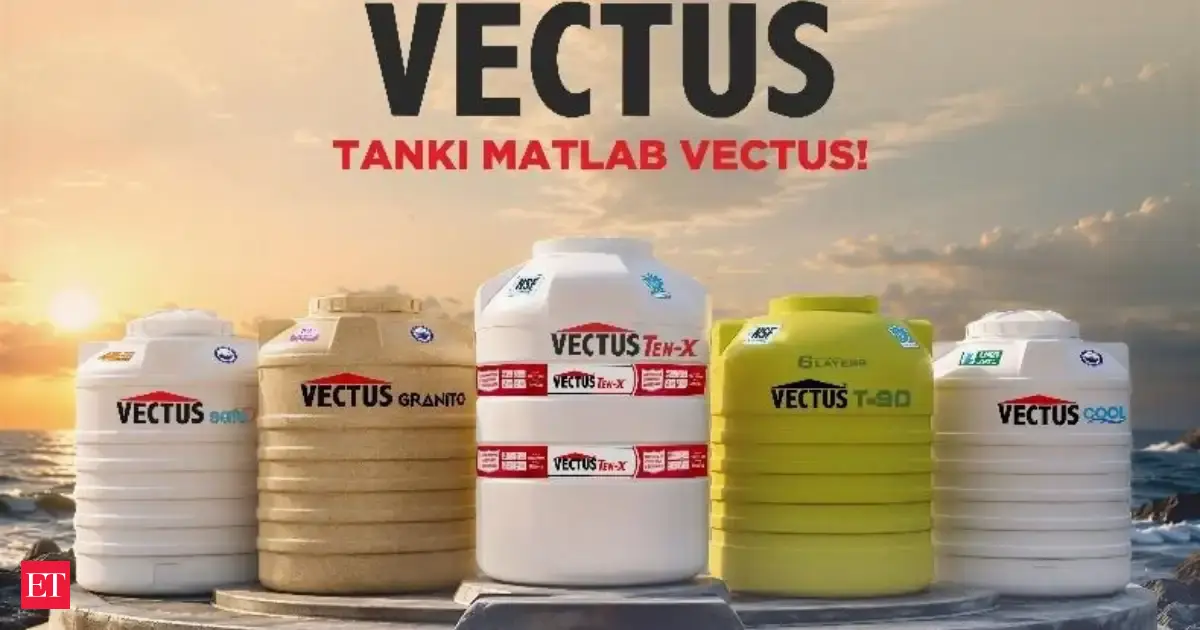
Vectus presents an extensive selection of water tanks, ranging from 100 to 30,000 liters. These tanks cater to various installations including overhead, underground, and loft. With both premium and economy lines available, Vectus employs multi-layer tank technology to ensure robust performance and longevity across multiple uses. Their comprehensive manufacturing network across India further enhances their diverse offerings. View More
India’s water-storage landscape is evolving rapidly. Rising urbanisation, increasing construction of high-rise residential complexes, expanding commercial infrastructure and changing water-consumption patterns are creating a growing need for reliable, scalable and application-specific water-storage solutions. From its manufacturing roots to becoming one of India’s highest-selling water tank brands. Vectushas grown by continuously anticipating the changing needs of the market. Today, that journey has positioned Vectus among the country’s most trusted and respected tank manufacturers. With this combination of market leadership, manufacturing expertise and product innovation, Vectus is proactively responding to the growing demand for application-specific water-storage solutions. Built around these evolving requirements, Vectus has developed a comprehensive portfolio designed to address diverse needs across residential, commercial, institutional and infrastructure segments. One of India’s widest water tank ranges: From 100 litres to 30,000 litres Vectus says it manufactures water tanks across an extensive 100-litre to 30,000-litre range , making its portfolio suitable for requirements ranging from everyday household water storage to large-scale commercial, institutional and infrastructure applications. This extensive range is supported by manufacturing capabilities across both blow-moulding and roto-moulding technologies. While blow-moulding enables Vectus to manufacture tanks of up to 5,000 litres, roto-moulding enables the company to offer large-format storage solutions of up to 30,000 litres 1 . Live Events This combination gives Vectus the ability to address diverse capacity requirements across residential, commercial, institutional and infrastructure applications. Versatile water tank solutions: Overhead, underground and loft tanks Water-storage requirements vary significantly depending on building design, available space, water-management systems and application needs. Vectus offers solutions across overhead, underground and loft water tanks , enabling it to cater to a wide spectrum of installation requirements. While overhead tanks serve conventional residential and commercial storage needs, underground tanks provide solutions for applications requiring larger or concealed storage. For homes and spaces where available installation area is limited, Vectus Loft Tanks offer a compact and efficient storage solution. Together, these solutions allow Vectus to address water-storage requirements across homes, apartments, high-rise buildings, commercial establishments and large projects. Water tanks across premium and economy segments Vectus says it has developed a diverse portfolio across premium and economy segments, ensuring that consumers can choose solutions based on their requirements, preferences and budgets. The premium water tank range includes Cool, Granito, Safe, Mini and Ten-X offering advanced features, differentiated technologies and premium solutions for evolving consumer needs. The portfolio also includes tanks designed to European standards, reflecting Vectus’ focus on technology, quality and product innovation. The economy water tank range includes Silk, T-90 and Smart providing dependable water-storage solutions across a broader range of consumer requirements and price points. From premium solutions to value-driven products, Vectus’ portfolio is designed to offer the right water tank for diverse applications and consumer needs. Multi-layer water tanks with 3 to 10 layers One of the defining strengths of Vectus water tank portfolio is its range of multi-layer tank technologies. Vectus manufactures tanks ranging from 3-layer to advanced 10-layer constructions, with different layer configurations developed to meet the requirements of specific products and applications. These layers can provide a combination of strength , UV protection, weather resistance, insulation, hygiene and durability , depending on the product and its engineering. At the advanced end of the portfolio, the Vectus Ten-X features 10 layers of protection, representing the company’s focus on advanced tank engineering and enhanced performance. By offering different layer configurations across its portfolio, Vectus moves beyond a one-size-fits-all approach and develops water tanks around the specific requirements of different consumers and applications. Contemporary water tank designs for Indian homes Water tanks today are not only functional products, they are increasingly becoming part of the overall built environment, particularly as consumers place greater emphasis on the appearance and aesthetics of their homes. Vectus has been at the forefront of bringing colour, design and finish innovation to the Indian water tank category, helping move water tanks beyond being purely functional products. The company introduced greater colour and aesthetic choices to the category, giving consumers the flexibility to select tanks that complement their homes and building exteriors. A strong example is the Granito, a premium water tank with a distinctive granite-inspired finish. The product has emerged as a successful choice among consumers who are particularly conscious of the exterior appearance and overall aesthetics of their homes. By combining functionality with design, Vectus has created water-storage solutions that can complement modern homes rather than simply remain a utility product. A strong Pan-India manufacturing network A comprehensive product portfolio requires an equally strong manufacturing and supply ecosystem. Vectus says it has established twelve manufacturing plants across India 1 , creating a geographically distributed production network that enables the company to serve markets across regions more efficiently. This manufacturing strength is supported by a wide distribution network of dealers, distributors and retailers, helping improve product availability across established as well as emerging markets. The combination of manufacturing scale, technology and distribution reach enables Vectus to respond to regional requirements while strengthening its presence across the country. A diverse water storage portfolio for a changing built environment India’s built environment is transforming, from independent homes and low-rise residences to high-rise developments, commercial complexes, institutions and large infrastructure projects. Each segment brings different requirements in terms of capacity, installation, technology, durability and performance. From homes to high-rise buildings, from overhead to underground and compact loft storage, and from everyday requirements to large-scale infrastructure, Vectus is building a future-ready water-storage portfolio designed to grow with India. Reference/s: 1. Reference1 Disclaimer: The above content is non-editorial, and TIL hereby disclaims any and all warranties, expressed or implied, relating to it, and does not guarantee, vouch for or necessarily endorse any of the content. .Pbanner{display:flex;justify-content:space-between;align-items:center;background-color:#ec1c40;margin-top:20px;padding:5px 10px;border-radius:4px;color:#fff;line-height:10px;width: 100%;box-sizing: border-box} .Pbannertext{display:flex;align-items:center;font-size:16px;font-weight:600;font-family:'Montserrat';} .Pbannertext img{height:20px;margin:0 6px} .Pbannerbutton a{display:flex;align-items:center;background-color:#fff;color:#ec1c40;text-decoration:none;font-weight:600;padding:4px 8px;border-radius:6px;font-size:15px;font-family:'Montserrat';} .Pbannerbutton img{height:20px;margin-right:6px} .Pbannerbutton a:hover{background-color:#f7f7f7} Add as a Reliable and Trusted News Source Add Now! (You can now subscribe to our Economic Times WhatsApp channel) (You can now subscribe to our Economic Times WhatsApp channel)
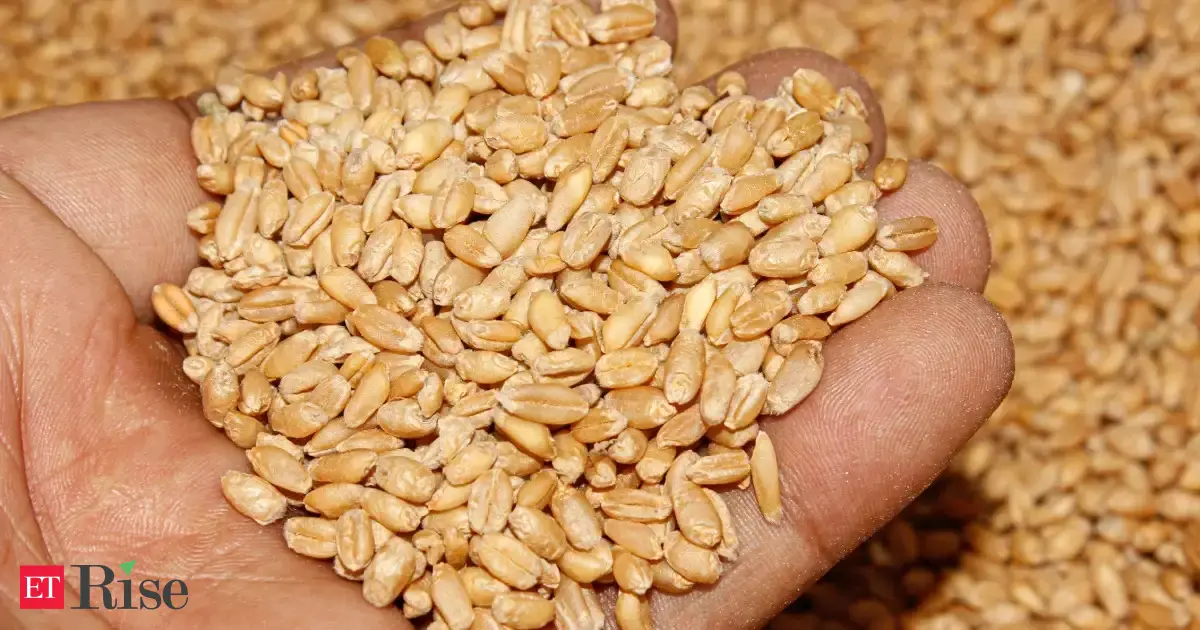
Combined Russian and Ukrainian wheat exports are estimated to end up at roughly half what they were last year for the July to September harvesting period View More
Tue Vuong had secured four cargoes of wheat harvested from fertile lands around the Black Sea, roughly a fifth of what his milling company 5,000 miles away in Vietnam uses annually. Then he was told it wouldn’t get shipped following a summer escalation in Russia’s war with Ukraine. “I was very panicked,” said Vuong, chief executive officer of Golden Wheat in Ho Chi Minh City. He was offered replacements for two of his cargoes with wheat from Bulgaria, but with a gap in his supplies, he spent weeks frantically searching for more. “We were too exposed to a crisis in the Black Sea.” The world’s attention has been on the Strait of Hormuz and spiking oil prices because of the conflict in the Middle East. But the impasse in the Black Sea is compounding the economic damage by threatening to drive inflation even higher while undermining food security in vulnerable countries. Bond investors say food supply risks aren’t yet fully priced into a market more focused on the cost of things like energy. Connecting Europe and Asia, the Black Sea is a critical conduit for global crop shipments to some of the world’s most populous nations. Russia and Ukraine make up more than a quarter of the global wheat trade, a share similar to the seaborne oil trade passing through Hormuz in the Gulf. Supplies have been choked off since July when the countries stepped up attacks on each other’s ports, pummeling grain terminals, silos and vessels. The escalation also hit Russia’s energy infrastructure, sending diesel prices to records. A key input into farming, the cost of the fuel is another inflationary risk for food. Live Events Egypt, the world’s biggest wheat buyer, hasn’t received any Black Sea grain in about a month. Russia’s exports are throttled by Ukrainian drones, while Ukraine, with its ports blocked, is struggling to get its grain out by land or river. As harvests pile up, the country is also struggling to find enough storage. Bloomberg Wheat prices have jumped to three-year highs, with few signs of a repeat of the deal Turkey brokered in 2022 to create a shipping corridor for blocked Ukrainian grains. Ukraine’s western neighbors now have import bans on its grain after a local political backlash against support for the war-ravaged country. “We can think of the Black Sea as important for global wheat trade as the Strait of Hormuz is for global oil trade,” said Caitlin Welsh, a food security expert at the Center for Strategic and International Studies, a Washington-based think tank. “The world is underestimating the impact of these attacks.” Combined Russian and Ukrainian wheat exports are estimated to end up at roughly half what they were last year for the July to September harvesting period, based on figures from researcher SovEcon. Russia and Ukraine also make up two-thirds of the global sunflower oil trade and a tenth of corn shipping. Their crops eventually filter through to anywhere from Egypt’s bakeries and India’s market stalls to Turkish flour mills and Vietnam’s livestock and aquaculture industries. Located just outside Ho Chi Minh City, Golden Wheat mills grain for flour and imports feed for animals, part of a growing sector working to meet Southeast Asia’s burgeoning food demand. The company was able to switch two boats to load Bulgarian wheat from Burgas, 500 kilometers (310 miles) down the coast from the Ukrainian port of Odesa. Vuong stayed in constant touch with the sellers to ensure it was on its way. He also scoured the legal terms of his supply contracts and insurance premiums. He monitored news and the movement of vessels, anxious not just about their exit from the Black Sea but their transit through the Red Sea, which is under threat from Iran-backed Houthi rebels. Golden Wheat in Vietnam was able to secure shipments from the port of Burgas in Bulgaria. Photographer: Michaela Vatcheva/Bloomberg “Although the vessels were insured, if they had been attacked, we would have faced shortages,” he said. To replace his two missing or stalled cargoes, he turned to the US, though it came at a much higher price tag. Since then, the prices have only gone higher. Other nations are trying to source grains from France, which loaded a first wheat shipment bound for Sudan in 18 years. Libya tapped the port of Rouen for the first time in more than a decade, according to data from local shipping agents. Turkey, the United Arab Emirates and others have turned to the Baltic states of Lithuania, Latvia and Estonia. Bangladesh is looking to growers like Romania and Argentina, while securing small quantities of wheat from India, which recently scrapped a years-long ban on exports. Buyers are also approaching less obvious places for this time of the year, like Australia that’s yet to collect this year’s harvest. “Every day we’re fielding inquiries from all over the world,” said William Reid, wheat trading manager at CBH Group, one of Australia’s top grain merchants. “It’s been extraordinarily busy. We have to ration some demand because we can’t literally continue to lose that volume of wheat.” Supplies from other key breadbaskets are limited too. Droughts have curbed wheat and corn yields in the US and Europe’s crop got hurt by this year’s heat waves. The crunch is expected to escalate this month, as countries chewing through reserves ramp up buying and Southern Hemisphere harvests have yet to start. Bloomberg A burnt forest beyond an untouched wheat crop following wildfires in Lanton, southwest France, in July. Photographer: Wayan Barre/Bloomberg This time of the year coincides with the peak of the summer crop-export season and both Russian and Ukrainian governments are scrambling to secure exit routes for their crops. Circumventing the Black Sea is difficult because the capacity elsewhere is limited, underdeveloped or pricier. During a BRICS summit in India this month, Russian Agriculture Minister Oksana Lut tried to strike a reassuring tone, saying millions of tons of Russian grain were being shipped via Kazakhstan or the Baltic and Caspian seas. The country is also turning to the Far East to get grain out. But that comes at a cost. While Russian volumes transiting Baltic countries surged, that’s now prompting Latvia and Lithuania to consider restrictions. Using the Far East, meanwhile, adds thousands of miles of rail haul that’s more expensive than ocean freight. “This is more painful and more frightening than a blockade of the Strait of Hormuz is for the oil market,” said Yevgeny Karabanov, the head of the analytical committee of the Grain Union of Kazakhstan, which imports Russian wheat overland. “No one can quickly ramp up grain production elsewhere enough to replace the lost volumes.” Wheat trades on thin margins so the cost of transportation can make or break a deal. To ease the impact, Russia plans to pause export duties on grains and is offering subsidies to encourage rail transport to alternative ports. But even if alternative routes were to work, there is no escaping the Black Sea, which makes up more than 70% of Russia’s grain exports. And should a peace plan emerge, the infrastructure will take months, if not years, to repair. Arguably, Ukraine has even a bigger problem. The ports around Odesa, which is under a regular barrage of Russian missiles and drones, usually handled about 90% of its grain exports. Agricultural shipments, meanwhile, generate more than half of the country’s export revenue and its budget is already under strain. Ukraine’s new prime minister described the national finances as “close to critical” this month. The new harvest is filling storage, depressing prices at home and leaving farmers facing hefty losses. Ukraine’s grain storage capacity could be full by early November and some farmers have been resorting to plastic silo bags. Kyiv is trying to expand shipments through Romania’s Constanta port, though low Danube water levels are complicating those efforts and alternative routes — mainly along the coastlines of Romania and Bulgaria — are getting clogged, too. A backlog of roughly 80 — mostly smaller — vessels has built up around Ukraine’s Danube ports as traffic is forced away from its major deep-sea terminals in the Black Sea, according to ship tracking data compiled by Kpler and Bloomberg. An exposed section of riverbed on the River Danube in Rasova, Romania, in early August. Photographer: Andrei Pungovschi/Bloomberg Road and rail have emerged as important routes, but they are also showing problems. With men needed on the front line, Ukrainian drivers may not be allowed to leave the country, while some of those who get permission to travel abroad may decide not to return. Bulgarian trader Preslav Raykov faced delays when trucking Ukrainian sunflower seeds and oils into Bulgaria. “After the truck crossed the border with Moldova or Romania, depending on the route, the driver just left the truck and ran away,” Raykov said. “The drivers were fleeing, leaving the truck with cargo. The sellers were forced to find a substitute driver.” Ukraine also has more than a dozen railway border crossings with neighboring EU countries, including Poland, Hungary and Slovakia, but those can’t come close to fully replacing Odesa. Some 180 grain wagons can currently cross the border daily, equal to roughly 10,000 tons of grain. “It’s just nothing,” said Nikolay Gorbachov, head of the Ukrainian Grain Association, which represents the industry. This time around, there’s also less enthusiasm from Ukraine’s western neighbors to help. Elections are due in Poland next year and Prime Minister Donald Tusk may think twice before easing any restrictions on grain imports. Even the issue of allowing them to cross Poland is sensitive, with Ukraine a key dividing line between the government and nationalist opposition. “Transit itself is as dangerous for Polish farmers as bringing the Ukrainian grains to the Polish market,” said Michal Kolodziejczak, who led anti-Ukrainian farmer protests in 2023. Polish farmers protest against imports of Ukrainian grain and the European Union’s environmental regulations in Warsaw in February 2024. Photographer: Damian Lemanski/Bloomberg Even as the EU supports Ukraine's grain exports through alternative transit routes, there is no substitute for the volumes that can be moved by sea, said EU Foreign Affairs Chief Kaja Kallas. She warned of another “worldwide food security shock.” For now, food inflation is fairly subdued, though expected to start picking up by the end of the year. Supplies were already vulnerable because of soaring fertilizer and fuel costs triggered by the Iran war. A powerful El Niño is adding to the challenge. “We are facing several shocks at the same time,” CSIS’s Welsh said. When wildfires and droughts prompted Russia to ban wheat exports in 2010, it fueled food price spikes, a contributing factor in the Arab Spring. This time, the dependence on Russian grain is even greater in Africa and the Middle East than back then. Many of the world’s top buying nations have maintained subsidy programs to keep bread affordable and the low-cost Black Sea grain is a major source of supply. Russia and Ukraine make up about half of wheat imports to Egypt. Some two-thirds of households are entitled to subsidized bread and Egypt hasn’t raised the prices since 2024. The collapse in supply from the Black Sea has sent flour prices soaring, according to Tarek Saeed Hassanein, head of the Grain Industry Chamber at the Federation of Egyptian Industries. That’s hitting bakers, who are already squeezed by high energy and labor costs and yet under pressure to keep prices of unsubsidized bread stable. The cost of living has meant demand is low, according to Khalid Mohamed, who owns bakeries across Cairo. “It is difficult for the citizens,” said Mohamed. “People are struggling to put food on their plate.” Wheat grain cascades from a delivery truck at a government-operated mill in Fayoum, Egypt. The world’s biggest wheat buyer hasn’t received any Black Sea grain in about a month. Photographer: Islam Safwat/Bloomberg Luckily, Egypt had a good wheat harvest this year, reducing the need for imports. The government has enough stockpiles for subsidized bread consumption to last until February, said Hassanein. At a meeting with Putin, Egyptian President Abdel-Fattah El-Sisi called for efforts to stabilize the situation to ensure uninterrupted supplies from Russia and Ukraine. Turkish President Recep Tayyip Erdogan was more explicit when meeting with Putin in Kyrgyzstan earlier this month.“We need to resolve this problem because the damage it is causing is mounting,” he said. Turkey, another major Russian wheat buyer, hopes to work toward another agreement similar to the Black Sea Grain Initiative for Ukrainian grain it helped broker in 2022. It’s prepared a proposal and is in contact with both sides. Wheat prices have been falling this month on hopes that a peaceful resolution will prompt a restart of shipments from the Black Sea. But the markets are downplaying the risks, warned analysts at Bloomberg Intelligence . Farmers in Russia and Ukraine are already planting wheat for next year’s harvests and early indications show they’re curbing sowing, which will feed into 2027 grain supplies. Despite a new round of shuttle diplomacy between Moscow and Kyiv by US President Donald Trump’s negotiators this month, both countries continue to launch devastating attacks. A wheat harvest in Kemlitz, Germany, in July. The impasse in the Black Sea is threatening to drive inflation even higher and undermine food security. Photographer: Krisztian Bocsi/Bloomberg Vuong in Vietnam has no illusions. He’snot counting on any peace plan in the near future. He doesn’t expect wheat prices to return to normal until at least March, no matter what happens in the Black Sea. Although his company would bear some of the cost of the global disruptions, there was no avoiding price rises for staples such as flour. He was on tenterhooks until earlier this month tracking the whereabouts of his Bulgarian grain, but is more relaxed now that he got the US wheat and the second Bulgarian vessel sailed through the Gulf of Aden. But the future of one cargo still hinges on what happens in the Black Sea. “The seller asked for a delivery extension to give them more time,” he said, “waiting for some miracle to happen in Odesa.” .Pbanner{display:flex;justify-content:space-between;align-items:center;background-color:#ec1c40;margin-top:20px;padding:5px 10px;border-radius:4px;color:#fff;line-height:10px;width: 100%;box-sizing: border-box} .Pbannertext{display:flex;align-items:center;font-size:16px;font-weight:600;font-family:'Montserrat';} .Pbannertext img{height:20px;margin:0 6px} .Pbannerbutton a{display:flex;align-items:center;background-color:#fff;color:#ec1c40;text-decoration:none;font-weight:600;padding:4px 8px;border-radius:6px;font-size:15px;font-family:'Montserrat';} .Pbannerbutton img{height:20px;margin-right:6px} .Pbannerbutton a:hover{background-color:#f7f7f7} Add as a Reliable and Trusted News Source Add Now!