
Latest Sectors News
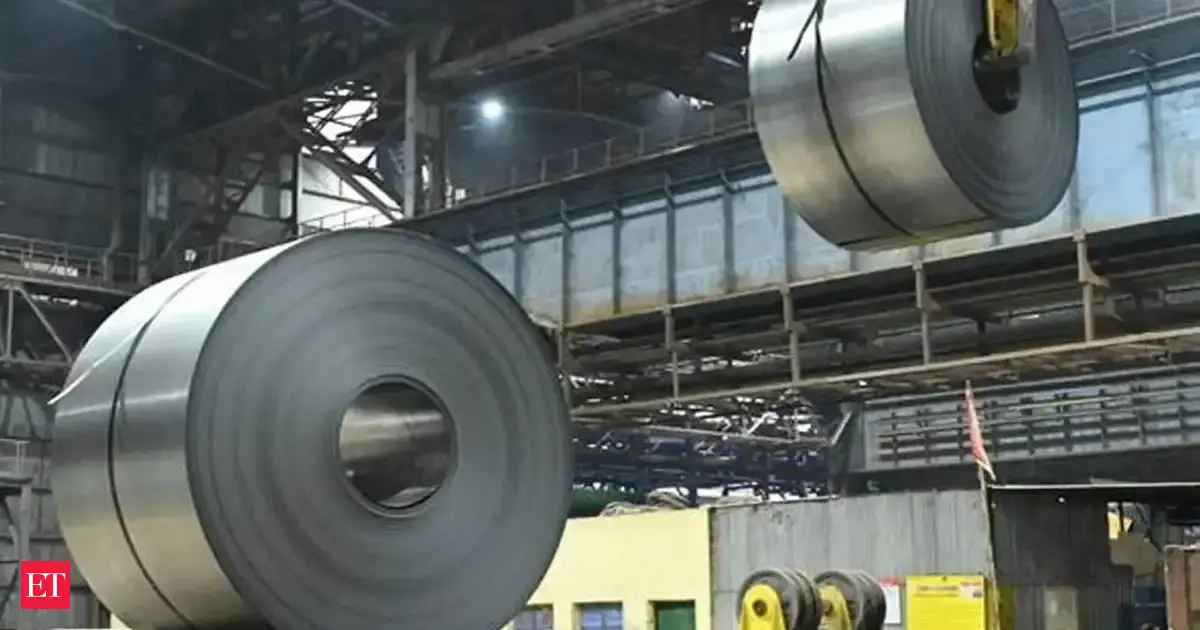
Indian seamless pipe manufacturers contribute USD 1.4 billion annually in foreign exchange. This significant contribution comes from import substitution and overseas sales of made-in-India products. Domestic companies now produce critical seamless pipes previously imported, saving millions each year. Exports of these specialized pipes also add substantially to the nation's earnings. The industry's growth aligns with the vision of making India a global manufacturing hub. View More
New Delhi: India's seamless pipe manufacturers contribute around USD 1.4 billion (around Rs 11,600 crore) in foreign exchange annually by reducing imports significantly and selling made-in-India products overseas, industry body STMAI said on Wednesday. "Indian manufacturers are today supplying several critical seamless pipe products that were earlier imported. This has resulted in an estimated foreign exchange saving of USD 600-700 million annually through import substitution," Seamless Tube Manufacturers' Association of India (STMAI) President Shiv Kumar Singhal said. Additionally, the domestic industry is earning USD 500-700 million every year through exports of seamless pipes and tubes. "Together, the industry's contribution is around USD 1.4 billion in foreign exchange savings and earnings," Singhal said. The industry's technological progress is generating significant foreign exchange benefits for the country, he said, adding that Indian companies have built capabilities to manufacture specialised grades that were once almost entirely imported, strengthening the country's self-reliance in strategic sectors. Live Events Maharashtra Seamless Ltd (MSL) Director Manish Kumar Khandelwal said the industry's growth reflects the success of Prime Minister Narendra Modi's vision of making India a global manufacturing hub. "Under Prime Minister Modi's vision, the Indian seamless pipe industry has made remarkable progress. If the industry receives the right policy support, it can significantly improve capacity utilisation, which is currently around 50 per cent, and substantially increase exports. This will enable the sector to earn higher foreign exchange for the country while creating more employment opportunities," Khandelwal said. The industry representatives said policy measures such as preference for domestically manufactured products in procurement by public sector oil and gas companies, continued support for research and development, and safeguards against unfairly priced imports would help the sector unlock its full potential. With surplus manufacturing capacity and growing technological capabilities, India is well positioned to emerge as a global hub for high-value seamless pipes and tubes, further advancing the objectives of Make in India and Aatmanirbhar Bharat while strengthening the country's manufacturing base and export competitiveness, they said. Industry estimates show that India's seamless pipe and tube industry has an installed manufacturing capacity of around 1.95 million tonnes per annum, against domestic demand of nearly 1 million tonnes, leaving substantial headroom to expand production for export markets. The new steel policy has made this industry extremely competitive, enabling it to match world-class quality at cheaper prices, Khandelwal said. Over the past few years, Indian manufacturers have indigenised several critical products, including drill pipes, sub-sea pipes and premium connection casing and tubing. These products are widely used in oil and gas exploration, offshore projects, high-pressure drilling, healthcare and the automobile sector and were previously sourced largely through imports. .Pbanner{display:flex;justify-content:space-between;align-items:center;background-color:#ec1c40;margin-top:20px;padding:5px 10px;border-radius:4px;color:#fff;line-height:10px;width: 100%;box-sizing: border-box} .Pbannertext{display:flex;align-items:center;font-size:16px;font-weight:600;font-family:'Montserrat';} .Pbannertext img{height:20px;margin:0 6px} .Pbannerbutton a{display:flex;align-items:center;background-color:#fff;color:#ec1c40;text-decoration:none;font-weight:600;padding:4px 8px;border-radius:6px;font-size:15px;font-family:'Montserrat';} .Pbannerbutton img{height:20px;margin-right:6px} .Pbannerbutton a:hover{background-color:#f7f7f7} Add as a Reliable and Trusted News Source Add Now! (You can now subscribe to our Economic Times WhatsApp channel) (You can now subscribe to our Economic Times WhatsApp channel)

Michael Khouw breaks down how he's trading this stock ahead of earnings. View More
watch nowVIDEO3:1903:19This manufacturing company is cracking down on debt. Here's how traders can play it ahead of earningsOptions Action Do you drink Coke? Or Pepsi? Perhaps you prefer beerâ¦Bud? Or Heineken? Maybe you're into energy drinks and you're a Red Bull person. These are among the many household beverages served in Ball Corp's sustainable aluminum packaging. Beyond beverages, Ball's containers package everyday personal care, cooking, and cleaning products. Chances are high that you â and millions of consumers worldwide â purchase goods packaged in Ball Corp cans on a weekly basis.Ball Corp is entering an encouraging operational phase driven by improving cash flow and a refreshed management team seemingly intent on more disciplined capital allocation and leverage reduction. That's important because it's worth noting that Ball Corp's debt is not yet rated investment grade by Moody's or S&P. However, management's credit-focused commitments and capital discipline offer a clear roadmap toward potentially improving their balance-sheet, which in turn could result in upgrades from rating agencies which would modestly lower borrowing costs and potentially dampen equity volatility. Stock Chart IconStock chart iconBALL YTD Looking ahead, FY2027 estimates suggest a free cash flow yield of more than 4%. Forward PE is a modest 14x adjusted EPS of $4.52. The street anticipates modest top-line expansion tracking general economic growth, coupled with expanding YoY operating margins and net income. Ball Corp is scheduled to report earnings during the first week of August. While earnings reports naturally introduce event risk, historically Ball's earnings-related-moves have been fairly modest â as one might expect given the industries they serve don't tend to exhibit massive short-term swings in demand. BALL typically moves only in the mid single-digits on earnings release days and even one month post earnings the average historical move is less than 8%.This muted volatility regime provides an ideal setup for premium sellers seeking high probability of profit. The trade: Cash-secured put income strategy For investors comfortable taking delivery of a quality consumer-staples packaging leader at a discount, selling out-of-the-money puts offers an advantageous risk/reward profile. Selling the August $60 Puts would collect $1.20 per contract. This yields a standstill rate of return of ~2% premium relative to the $60 strike, creating a net breakeven of $58.80 per share, or ~24% annualized. By selling the August $60 put, options traders capture rich implied volatility ahead of August earnings while capitalizing on Ball Corp's robust cash flows, debt reduction discipline, and favorable historical post-earnings price stability. One caveat, selling that put will tie up a great deal of margin in your account.Trade breakdown:Sell August 60 Strike Put for $1.20Max Gain: $120Max Loss: $5,880Skill Level: Advanced Choose CNBC as your preferred source on Google and never miss a moment from the most trusted name in business news.


NAN MagneTech will invest Rs 1,250 crore in Andhra Pradesh for a new facility. This plant will be India's first integrated rare earth magnet manufacturing unit. Commercial production is expected to begin in early 2028. The facility will produce magnets for electric vehicles and wind turbines. This project aims to reduce India's reliance on imports. View More
Hyderabad: NAN MagneTech Pvt. Ltd., a newly launched company under NAN GreenMet founded by Vedanta Vice Chairman Navin Agarwal, has announced an investment of Rs 1,250 crore in Andhra Pradesh to set up what it claims will be India's first fully integrated high-performance Neodymium-Iron-Boron (NdFeB) rare earth magnet manufacturing facility. The company has secured land at the Naidupeta Industrial Park in Andhra Pradesh for the project, which will have an initial production capacity of 1,200 tonnes per annum (TPA), with plans to eventually expand capacity to 10,000 TPA. Commercial production is expected to begin in the first quarter of 2028. The company said in a statement that it expects the project to generate annual revenues of Rs 1,200 crore-Rs 1,500 crore once operational. The facility will manufacture NdFeB permanent magnets used in electric vehicle traction motors, wind turbines, defence equipment, robotics, semiconductors and other advanced electronics. India currently imports nearly 95% of its rare earth magnets from China, making domestic manufacturing strategically important. N.A.N. MagneTech said it has secured long-term raw material supply arrangements, including heavy rare earth oxides, from a major Australian rare earth producer. It has also signed off-take agreements with leading domestic automobile original equipment manufacturers (OEMs) and Tier-1 automotive suppliers. The facility is also being developed in collaboration with leading Japanese technology partners, and the inventor of NdFeB magnets , Dr Masato Sagawa. The plant will carry out the entire manufacturing process, from processing rare earth materials to producing finished magnets and recycling manufacturing waste, under one roof. .Pbanner{display:flex;justify-content:space-between;align-items:center;background-color:#ec1c40;margin-top:20px;padding:5px 10px;border-radius:4px;color:#fff;line-height:10px;width: 100%;box-sizing: border-box} .Pbannertext{display:flex;align-items:center;font-size:16px;font-weight:600;font-family:'Montserrat';} .Pbannertext img{height:20px;margin:0 6px} .Pbannerbutton a{display:flex;align-items:center;background-color:#fff;color:#ec1c40;text-decoration:none;font-weight:600;padding:4px 8px;border-radius:6px;font-size:15px;font-family:'Montserrat';} .Pbannerbutton img{height:20px;margin-right:6px} .Pbannerbutton a:hover{background-color:#f7f7f7} Add as a Reliable and Trusted News Source Add Now! (You can now subscribe to our Economic Times WhatsApp channel) (You can now subscribe to our Economic Times WhatsApp channel)

The coalition of companies aims to address a growing labor shortage by promoting careers in the skilled trades, the firms said. View More
In this articleBLKFGOOGLFollow your favorite stocksCREATE FREE ACCOUNT watch nowVIDEO2:2002:20How the AI boom is reshaping the labor marketSquawk Box Europe BlackRock, Carhartt, Ford Motor Co. and Google have announced an initiative to expand access to skilled workforce training in response to growing labor shortages.The companies' Alliance for America's Skilled Trades intends to work with labor unions and trade associations, invest in apprenticeship programs and raise awareness to promote pathways into the trades, according to the joint release issued on Tuesday."Investment in America's infrastructure will help shape the country's long-term economic trajectory, but its success ultimately depends on the skilled workforce that brings these projects to life," Bayo Ogunlesi, BlackRock's chairman and chief executive officer of global infrastructure partners, said in a statement. "Expanding that talent pipeline requires long-term commitment and partnership across sectors." Read more CNBC personal finance coverageTrump Accounts: Who is eligible, how $1,000 deposits work and how to open oneStudent loan borrowers on new RAP plan can lose key benefits if they pay lateAI can make you 'boring' at work, professor says: How to avoid the pitfallsCNBC's Financial Advisor 100: Best financial advisors, top firms rankedCNBC Elite Advisors: Top ultra-high net worth wealth management firms for 2026 Mounting evidence points to opportunities in the skilled trades. A shortage of skilled tradespeople, largely due to experienced workers aging out of the workforce, has led to more job openings and higher pay for electricians;  heating, ventilation and air conditioning technicians; plumbers; and builders.At the same time, fear that companies will need fewer white-collar workers as AI capabilities improve is creating a "negative feedback loop with no natural brake," according to a February report by Citrini Research, an investment research firm.Those job market shifts are contributing to more students choosing short-term, career-driven pathways, other research shows. Matthew Atha, a 54-year-old apprentice, does steel work at Ironworkers Local 29 during an apprenticeship in Dayton, Ohio, on Oct. 24, 2022.Megan Jelinger | AFP | Getty Images Enrollments in undergraduate certificate and associate degree programs both grew by about 2% in fall 2025, while enrollment in bachelor's degree programs rose by less than 1%, according to the National Student Clearinghouse Research Center.Americans' confidence in a bachelor's degree is falling, while two-year associate's degrees are gaining steam, a recent Lumina Foundation and Gallup poll also found."A four-year degree is still the gold standard," said Courtney Brown, chief data and research officer for the Lumina Foundation, which is focused on advancing higher education opportunities. However, "community colleges are doing really well with affordability and value," she said â "more people gravitate towards that." 'A critical inflection point' "We're at a critical inflection point where demand for skilled trades is accelerating while the available workforce continues to shrink," Paul Morgan, the global chief operating officer of real estate management services at JLL, said in a research note published in April. JLL is a global commercial real estate and investment management company. Morgan said the skilled trades shortage "threatens how we power our data centers, cool our laboratories, secure our manufacturing facilities and maintain the spaces where millions of Americans work every day."Despite growing public opposition, new data center construction is key to supporting the artificial intelligence boom, fueling a massive infrastructure build-out. "Building the physical infrastructure for America's future requires significantly increasing the pipeline of skilled tradespeople across the country â a challenge that can only be addressed with collective action," Ruth Porat, president and chief investment officer of Alphabet and Google, said in a statement. Google is also one of the largest builders and operators of data centers.Subscribe to CNBC on YouTube. Choose CNBC as your preferred source on Google and never miss a moment from the most trusted name in business news.

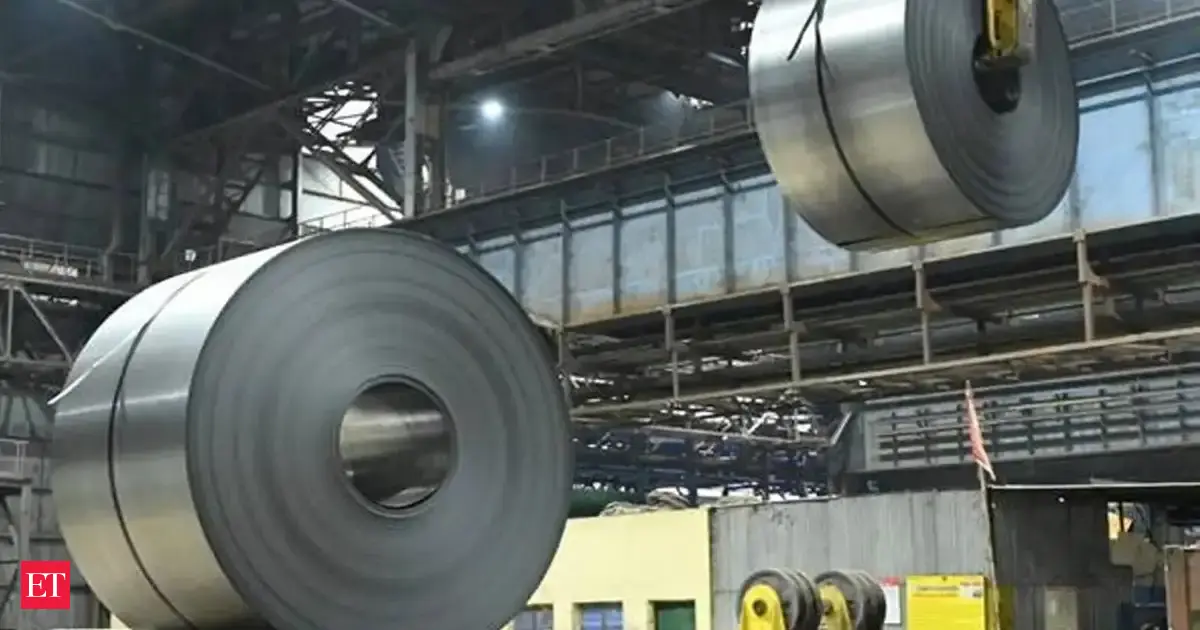
The Competition Commission of India dismissed a case against Jindal Stainless. No evidence showed procurement arrangements violated antitrust rules. The complaint alleged exclusive deals with Indonesian suppliers for crucial inputs. The commission found no proof of restricted access for competitors. Jindal Stainless's dealership program was deemed voluntary by the regulator. View More
New Delhi: The Competition Commission of India (CCI) on Tuesday dismissed a case against Jindal Stainless (JSL), finding no prima facie evidence of the company’s procurement arrangements with Indonesian suppliers violating antitrust rules . The complaint, filed by an anonymous entity engaged in the downstream production and trade of stainless steel products, had accused JSL, Indonesia-based Eternal Tsingshan Group and others of indulging in anti-competitive conduct. The informant’s name has been kept confidential for now. Also Read: Indian steelmakers pivot home as Europe tightens imports, China squeezes margins The complainant alleged that Jindal Stainless had got into exclusive arrangements with the Indonesian suppliers for stainless-steel slabs and hot-rolled coil rich in nickel, depriving its Indian competitors of a crucial input. The domestic stainless-steel industry is dependent on imports, as India does not possess indigenous nickel reserves , it claimed. Live Events The informant also claimed that JSL’s dealership programme " Jindal Saathi " and the memorandum of understanding associated with the programme were anti-competitive in nature. The terms of the MoU and the programme require participating dealers to procure the maximum possible quantity of material directly from JSL, thereby “creating a de facto exclusivity arrangement and lock-in effect in the downstream market”, the complainant alleged. CCI observations In its order, the CCI, however, observed that the complainant didn’t produce any evidence to show that it, or any other competing manufacturer, sought access to stainless-steel slabs and stainless-steel hot rolled coils or other critical inputs but was denied such access. Also Read: Tata Steel to invest Rs 10,000 crore in Jharkhand projects by 2028, creating 2,000 jobs “Likewise, no evidence has been adduced to show that any competing manufacturer suffered production constraints, reduced output, market exit or any other competitive disadvantage attributable to restricted access to such inputs,” the order said. On the upstream market, the Commission held that JSL does not appear to hold a dominant position, although the regulator acknowledged that JSL appeared, prima facie, to occupy a dominant position in the downstream market for cold-rolled stainless steel. However, the CCI found no evidence of abuse of such a position by JSL. As for the “Jindal Saathi” dealership programme and the associated MoUs, the order said the participation in it is voluntary and not a precondition for buying material from the company. .Pbanner{display:flex;justify-content:space-between;align-items:center;background-color:#ec1c40;margin-top:20px;padding:5px 10px;border-radius:4px;color:#fff;line-height:10px;width: 100%;box-sizing: border-box} .Pbannertext{display:flex;align-items:center;font-size:16px;font-weight:600;font-family:'Montserrat';} .Pbannertext img{height:20px;margin:0 6px} .Pbannerbutton a{display:flex;align-items:center;background-color:#fff;color:#ec1c40;text-decoration:none;font-weight:600;padding:4px 8px;border-radius:6px;font-size:15px;font-family:'Montserrat';} .Pbannerbutton img{height:20px;margin-right:6px} .Pbannerbutton a:hover{background-color:#f7f7f7} Add as a Reliable and Trusted News Source Add Now! (You can now subscribe to our Economic Times WhatsApp channel) (You can now subscribe to our Economic Times WhatsApp channel)
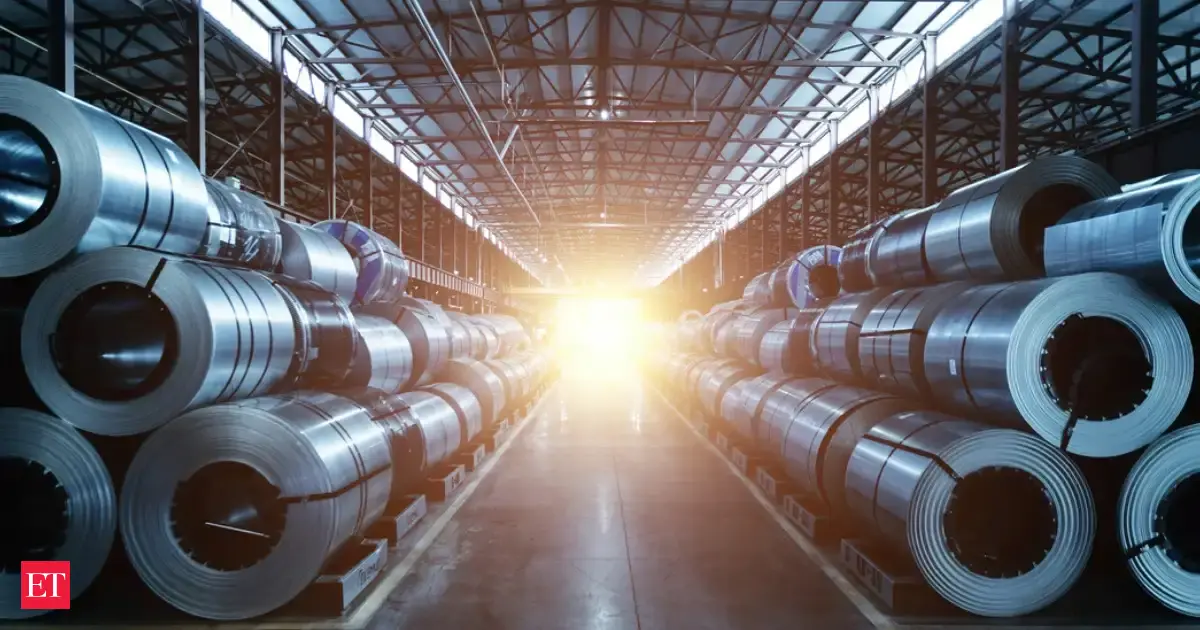
Indian steelmakers are shifting focus to domestic markets amid tighter European import rules. Exports to the EU and Britain are expected to significantly decrease this fiscal year. Competition from cheaper Chinese steel is challenging this domestic strategy. Companies are also exploring markets in East Asia and the Middle East. India's steel capacity is expanding, anticipating strong domestic demand growth. View More
NEW DELHI, - Indian steelmakers are pivoting to the domestic market to offset weaker exports as key markets Europe and Britain tighten imports, but competition from cheap Chinese steel at home is blunting that strategy, company executives and analysts said. India, the world's largest crude steel producer after China, ships roughly two-thirds of its steel to Europe, and the executives expect exports to the European Union and Britain to fall by as much as 40% this fiscal year after both markets tightened import rules. The European Union unveiled quotas on June 30 to limit duty-free steel imports after introducing carbon charges in January on imports of steel and other emissions-intensive goods under its Carbon Border Adjustment Mechanism. Britain also tightened tariff-free steel imports from July 1, although New Delhi says 85% of India's exports to the country remain protected under their free trade agreement. India shipped 6.6 million metric tons of finished steel in the fiscal year ended March 2026. Exports fell to 0.5 million tons in May, well below the average of the previous six months. Live Events "With the UK, EU, US and several other markets tightening import quotas, and deploying tariffs and safeguard mechanisms, companies will have to place greater emphasis on markets where long-term demand visibility is more certain," Abhyuday Jindal, managing director of Jindal Stainless, told Reuters. Chinese steel is priced $52-$63 per ton below domestic grades, making it harder for Indian mills to absorb output diverted from export markets, the executives and analysts said. The government has launched an anti-dumping investigation into hot-rolled steel from China, Japan and Russia. "The rise in low-priced and substandard imports, particularly from China or those of Chinese origin, is creating an uneven competitive environment for domestic manufacturers," Jindal said. A senior government official said India was the only major market where steel consumption remained strong. Mills could seek anti-dumping measures to curb cheap imports, especially from China, said the official, who declined to be named because of the sensitivity of the matter. Rapid economic growth and government infrastructure spending have prompted leading steel producers to continue expanding capacity. India aims to raise crude steel capacity to 400 million tons by 2035-36 from the current output of about 168 million tons. " Tata Steel and JSW Steel are focusing the majority of their investments in India, which they see as a growth market," said Hui Ting Sim, vice-president and senior analyst at Moody's Ratings in Singapore. But she added that profit margins of Indian steelmakers were unlikely to improve unless there was a substantial hike in import duties. Most of the new steelmaking capacity being added in India is based on expectations of domestic demand rather than exports, said Ravi Sodah, executive vice-president at Elara Capital in Mumbai. Finished steel consumption has risen 55% over the past five years, outpacing the 42% increase in production, according to commodities consultancy BigMint. Indian mills are also expected to target markets in East Asia and the Middle East to offset part of the decline in European shipments. In the Middle East they face growing competition from Chinese producers as well as local manufacturers, said Shankhadeep Mukherjee, principal analyst at London-based CRU Group. .Pbanner{display:flex;justify-content:space-between;align-items:center;background-color:#ec1c40;margin-top:20px;padding:5px 10px;border-radius:4px;color:#fff;line-height:10px;width: 100%;box-sizing: border-box} .Pbannertext{display:flex;align-items:center;font-size:16px;font-weight:600;font-family:'Montserrat';} .Pbannertext img{height:20px;margin:0 6px} .Pbannerbutton a{display:flex;align-items:center;background-color:#fff;color:#ec1c40;text-decoration:none;font-weight:600;padding:4px 8px;border-radius:6px;font-size:15px;font-family:'Montserrat';} .Pbannerbutton img{height:20px;margin-right:6px} .Pbannerbutton a:hover{background-color:#f7f7f7} Add as a Reliable and Trusted News Source Add Now! (You can now subscribe to our Economic Times WhatsApp channel) (You can now subscribe to our Economic Times WhatsApp channel)

Caliber Mining & Logistics' Rs 450-crore IPO saw overwhelming investor demand, closing at 147 times subscription. Retail investors showed strong participation, subscribing 41 times for their reserved portion. The company's shares are expected to list on July 24, 2026, with a potential listing gain. Grey market premium suggests a debut price of around Rs 518 per share. Proceeds will fund debt repayment and capital expenditure for expansion. View More
Caliber Mining & Logistics' Rs 450-crore IPO witnessed overwhelming investor demand on the third and final day of bidding, closing with an overall subscription of 146.63 times against the 78.35 lakh shares on offer. Retail participation remained strong, with the Retail Individual Investors (RII) portion subscribed 41.14 times against the 39.17 lakh shares reserved for the category. Investor optimism has also spilled over into the grey market. The stock is currently commanding a Grey Market Premium (GMP) of around Rs 94, indicating a potential listing gain of nearly 22% over the IPO's upper price band of Rs 424. Based on the prevailing GMP , the shares are expected to debut at around Rs 518 apiece. The public issue aims to raise Rs 450 crore, comprising a fresh issue of 94 lakh equity shares worth Rs 400 crore and an Offer for Sale (OFS) of 12 lakh shares aggregating Rs 50 crore. The basis of allotment is likely to be finalised on July 22, while the company's shares are expected to list on the NSE and BSE on July 24, 2026. Caliber Mining & Logistics has fixed the price band at Rs 402-424 per share, with investors required to bid for a minimum lot of 35 shares, translating into a minimum investment of Rs 14,840 at the upper end of the price band. Live Events Ahead of the IPO, the company mobilised Rs 134.99 crore from anchor investors by allotting 31.84 lakh equity shares at Rs 424 apiece. The anchor book drew strong participation from marquee institutional investors, including Ashoka India Equity Investment Trust Plc, Carnelian India Amritkaal Fund, Abakkus Four2Eight Opportunities Fund, Quant Mutual Fund , and Helios Small Cap Fund . Reflecting healthy institutional appetite, two domestic mutual funds subscribed to 15.33 lakh equity shares across five schemes. DAM Capital Advisors is the book-running lead manager to the issue, while KFin Technologies is the registrar. Caliber Mining & Logistics IPO subscription status At the end of Day 3, the IPO had been subscribed 147 times overall. Here's a category-wise breakdown Retail Individual Investors (RII): The catergory saw subscription of 41 times for 39.17 lakh shares reserved. Non-Institutional Investors (NII): The catergory saw subscription of 267 times for 16.79 lakh shares reserved. Qualified Institutional Buyers (QIB): The catergory saw subscription of 241 times for 22.38 lakh shares reserved. Caliber Mining & Logistics GMP today In the grey market, Caliber Mining & Logistics shares continue to trade at a GMP of around Rs 94, implying a potential listing price of nearly Rs 518 per share, or a premium of about 22% over the IPO's upper price band of Rs 424. Investors should note that the Grey Market Premium is an unofficial indicator based on market sentiment and unregulated trading activity. While it offers clues about listing expectations, it should not be considered the sole basis for investment decisions. About Caliber Mining & Logistics Established in 2014, Caliber Mining & Logistics is an integrated mining services company offering end-to-end solutions across the coal mining value chain. Its services include overburden removal, coal extraction, loading and unloading, road transportation, and rail logistics coordination. The company primarily caters to subsidiaries of Coal India Ltd. , with Western Coalfields Ltd. (WCL) and Northern Coalfields Ltd. (NCL) among its major clients. Caliber entered the coal logistics business in FY16, providing integrated transportation solutions. In FY23, it diversified into the iron ore logistics segment, expanding its service portfolio beyond coal. The company's mining and logistics operations are spread across Maharashtra, Chhattisgarh, and Madhya Pradesh, strengthening its presence in India's key mining regions. How will the IPO proceeds be utilized? Caliber Mining & Logistics plans to use the proceeds from the fresh issue to strengthen its balance sheet and enhance its operational capabilities. Out of the total proceeds, Rs 175 crore will be allocated towards the repayment or prepayment of existing borrowings. Another Rs 200 crore has been earmarked for capital expenditure, primarily to acquire new machinery and equipment that will support the company's expansion plans. The remaining funds will be utilized for general corporate purposes. (Disclaimer: Recommendations, suggestions, views and opinions given by the experts are their own. These do not represent the views of Economic Times) .Pbanner{display:flex;justify-content:space-between;align-items:center;background-color:#ec1c40;margin-top:20px;padding:5px 10px;border-radius:4px;color:#fff;line-height:10px;width: 100%;box-sizing: border-box} .Pbannertext{display:flex;align-items:center;font-size:16px;font-weight:600;font-family:'Montserrat';} .Pbannertext img{height:20px;margin:0 6px} .Pbannerbutton a{display:flex;align-items:center;background-color:#fff;color:#ec1c40;text-decoration:none;font-weight:600;padding:4px 8px;border-radius:6px;font-size:15px;font-family:'Montserrat';} .Pbannerbutton img{height:20px;margin-right:6px} .Pbannerbutton a:hover{background-color:#f7f7f7} Add as a Reliable and Trusted News Source Add Now! (You can now subscribe to our ETMarkets WhatsApp channel) (You can now subscribe to our ETMarkets WhatsApp channel)
Tata Steel plans a significant Rs 10,000 crore investment in Jharkhand projects by 2028. This expansion aims to boost steelmaking capacity to 40 million tonnes per annum. The company will introduce innovative HIsarna technology for low-carbon iron production. Investments will also enhance the Tinplate Division and Combi mill operations. These initiatives are expected to create 2,000 direct and indirect jobs. View More
Ranchi, Tata Steel on Monday said it plans to invest Rs 10,000 crore in its Jharkhand projects by 2028, which will create 2,000 direct and indirect jobs. The company aims to have 40 million tonnes per annum (MTPA) steelmaking capacity in India, up from the present 27.35 MTPA, through capacity expansion and transition to low-emitting steelmaking routes. "Tata Steel is committed to invest Rs 10,000 crore in its Jharkhand projects, including Rs 7,000 crore in HIsarna & Easy Melting Technology by 2028. In total, the investment will create 2,000 direct and indirect jobs," a company official told the media here. Tata Steel Chief of Corporate Communication, Sarvesh Kumar, said proposed investments included Rs 2,600 crore in expansion of the Tinplate Division, while Rs 1,500 crore will be invested in the Combi mill. HIsarna, a patented Tata Steel technology, is an innovative low-carbon iron-making route that enables direct production of iron without the need for conventional coke, sinter, or pellet plants. Live Events "The technology has been operating successfully at our Netherlands site for the last 10 years, producing 60,000 tonnes per annum, which validates its scalability," an official said. "A one-million-tonne pilot plant is planned within the existing Jamshedpur ecosystem to leverage available infrastructure, and the hot metal produced will be used in the Jamshedpur steel melt shops. The engineering study for this project has commenced," the official said. Key advantages of the HIsarna route include the flexibility to use coking coals readily available in India, reducing dependence on imported coking coal and lowering raw material costs. It also offers significantly lower capital expenditure compared to conventional steel plant construction, since several upstream facilities can be avoided. From a sustainability standpoint, HIsarna emits approximately 20 per cent less carbon dioxide than the traditional blast furnace route. Tata Steel has a consolidated steelmaking capacity of over 36 MTPA -- excluding the UK's 3.2 MT under transition -- in India (27.35 MT), the Netherlands (7 MT), and Thailand (1.7 MT) to cover South East Asian markets. The company aims to increase its capacity to over 50 million tonnes in the long term. The increase will be mainly in India, where the company is working on plans to add over 12 MT. In India, the company owns and operates 11 MTPA steel plants at Jamshedpur and 1 MTPA at Gamharia in Jharkhand. In Odisha's Kalinganagar, the company has 9 MTPA production capacity, which includes Neelancha Ipsat Nigam Ltd (NINL), acquired through the insolvency route. Tata Steel also operates a 5.6 MTPA plant in Odisha's Meramandali. .Pbanner{display:flex;justify-content:space-between;align-items:center;background-color:#ec1c40;margin-top:20px;padding:5px 10px;border-radius:4px;color:#fff;line-height:10px;width: 100%;box-sizing: border-box} .Pbannertext{display:flex;align-items:center;font-size:16px;font-weight:600;font-family:'Montserrat';} .Pbannertext img{height:20px;margin:0 6px} .Pbannerbutton a{display:flex;align-items:center;background-color:#fff;color:#ec1c40;text-decoration:none;font-weight:600;padding:4px 8px;border-radius:6px;font-size:15px;font-family:'Montserrat';} .Pbannerbutton img{height:20px;margin-right:6px} .Pbannerbutton a:hover{background-color:#f7f7f7} Add as a Reliable and Trusted News Source Add Now! (You can now subscribe to our Economic Times WhatsApp channel) (You can now subscribe to our Economic Times WhatsApp channel)