
Latest Sectors News

The start of commercial operations in Paradip will help Jindal Steel secure dedicated long-term access to the port View More
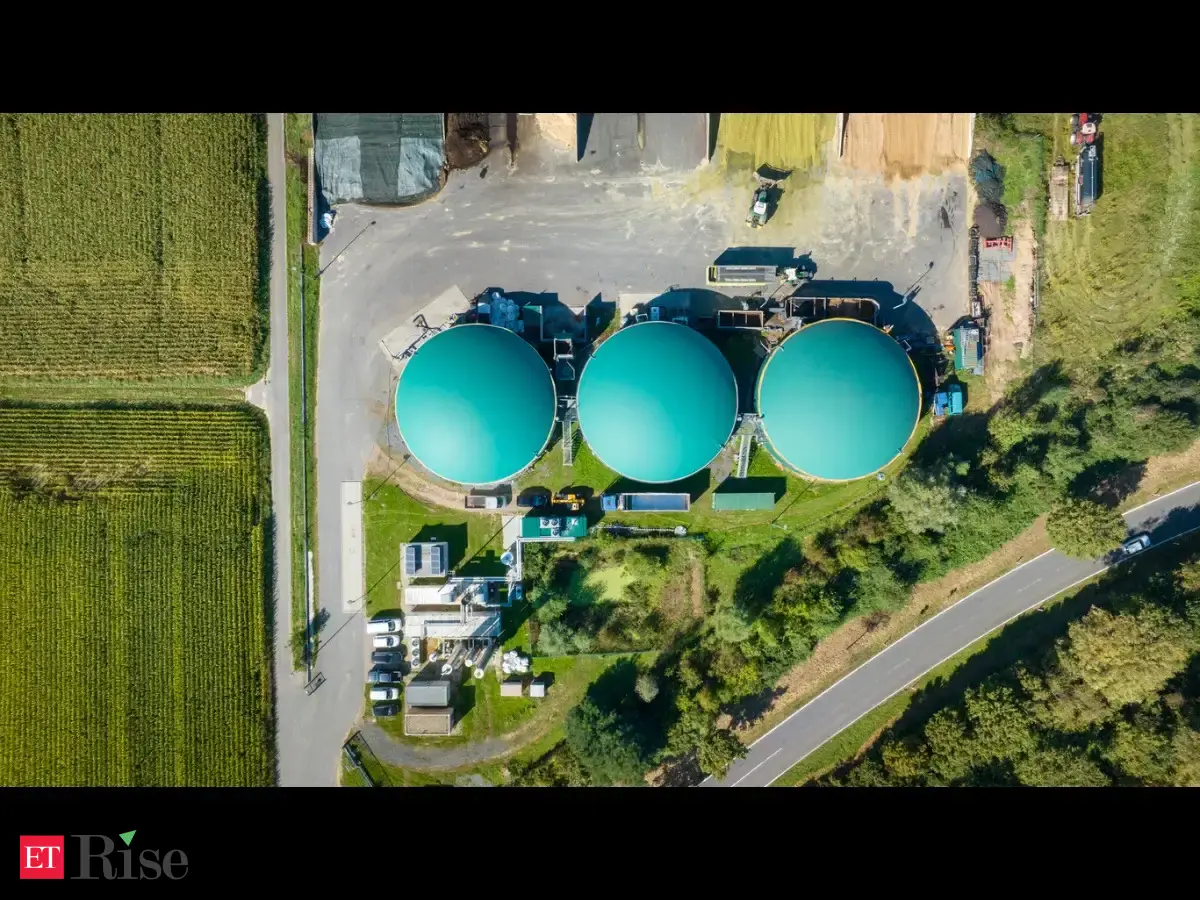
Russia now exports more than $60 billion worth of goods annually to India, primarily crude oil, petroleum products, coal, and fertilisers. View More
India's economic relationship with Russia is often described as one of the most resilient strategic partnerships in the world. Yet in spite of the strength of diplomatic ties there is a widening trade deficit that has become one of the largest bilateral imbalances in India's external trade portfolio. The challenge before policymakers today is not merely to sustain trade growth but to make it more diversified, balanced, and future-oriented. One promising avenue is bioenergy collaboration through bilateral investments. The numbers tell a striking story. India-Russia bilateral trade has surged from about $13 billion in 2021 to nearly $68-69 billion in FY2024-25, driven overwhelmingly by India's purchases of discounted Russian crude oil. However, India's exports to Russia have remained below $5 billion, resulting in a trade deficit approaching $59 billion. This imbalance emerged after the Ukraine conflict reshaped global energy flows. Russia became India's largest supplier of crude oil, accounting for nearly 40% of India's imports at various points during 2024 and 2025. India's crude imports from Russia alone exceeded $46 billion in FY2023-24, helping India save billions in fuel costs and contain inflation. While these imports have strengthened India's energy security, they have also created structural vulnerabilities. Russia now exports more than $60 billion worth of goods annually to India, primarily crude oil, petroleum products, coal, and fertilisers, while Indian exports remain concentrated in pharmaceuticals, engineering goods, machinery, and agricultural products. To navigate the vulnerability in an interconnected world, the two countries must expand cooperation into new sectors that generate investment, manufacturing, technology transfer, and long-term value creation. Bioenergy offers exactly such an opportunity. Live Events Why bioenergy matters India has emerged as one of the world's fastest-growing bioenergy markets. The International Energy Agency estimates that India will account for more than one-third of global bioenergy demand growth through 2030. The country has already established ambitious targets, including 20% ethanol blending, 5% biodiesel blending, mandatory compressed biogas (CBG) blending, biomass co-firing in thermal power plants, and sustainable aviation fuel deployment and introduction of Flex fuel vehicles operating on E85 fuel. These targets create enormous demand for feedstock, technology, and investment. India possesses abundant agricultural residues, livestock waste, municipal solid waste, and sugar industry by-products. Yet large-scale deployment requires capital, advanced conversion technologies, logistics infrastructure, and international partnerships. Russia, meanwhile, possesses vast agricultural land, forestry resources, biomass availability, scientific expertise, and energy engineering capabilities. Although Russia's energy diplomacy has traditionally focused on oil, gas, and nuclear power, diversification into renewable fuels aligns with Moscow's broader goal of expanding economic cooperation beyond hydrocarbons. Recent bilateral discussions have continued to emphasize energy diversification, innovation, and investment cooperation. Existing policy frameworks could facilitate cooperation A key advantage is that India and Russia need not start from scratch. Several policy frameworks already exist. First, both countries have adopted long-term economic cooperation roadmaps extending to 2030, with a bilateral trade target of $100 billion. These frameworks emphasize investments, industrial partnerships, logistics connectivity, and technology collaboration. Second, negotiations involving India and the Eurasian Economic Union (EAEU), led by Russia, have advanced toward a free trade arrangement. A future agreement could significantly reduce tariff and non-tariff barriers for biofuel equipment, biomass processing technologies, enzymes, industrial machinery, and agricultural products. Third, the growing use of national currencies in bilateral trade creates an additional opportunity. One of the persistent concerns in India-Russia trade has been the accumulation of Russian-held rupees due to the trade imbalance. Investing these rupee balances into bioenergy projects within India could transform a payment challenge into a productive investment channel. The bilateral investment model A practical model would involve Russian sovereign funds, energy companies, and fertiliser firms investing directly in India's bioenergy ecosystem. This could include investments in compressed biogas (CBG) plants using agricultural residues, second-generation ethanol facilities based on crop waste, biomass pellet manufacturing units, sustainable aviation fuel projects, and urban waste-to-energy installations. Opportunities could also extend to biomethane and green fuel distribution infrastructure, along with the manufacturing and supply of capital equipment required for these projects. Such investments would create domestic jobs, increase domestic technology supply chains for the Bioenergy sector, help augment existing capacities, introduce new facilities, reduce stubble burning, improve rural incomes, and lower India's fossil fuel import dependence. At the same time, Russian investors would gain long-term exposure to one of the world's most rapidly expanding renewable fuel markets. This would represent a strategic shift from a buyer-seller relationship toward a production-investment partnership. Fertilisers and bioenergy: A natural link Another major area of cooperation lies at the intersection of fertilisers and bioenergy. Russia is already a crucial supplier of fertilisers to India. Modern biogas and biomethane plants generate organic digestate, which can supplement chemical fertilisers and help improve soil health. Integrating Russian fertiliser expertise with Indian biogas expansion could produce a circular agricultural economy model that benefits both countries. Joint ventures combining biogas production, bio-fertilisers, and carbon-credit generation could be particularly attractive under emerging global climate-finance frameworks. Russia can also serve as a large market for use of biofertilisers and provide a large, consistent offtake ensuring operational viability. Logistics corridors could boost green trade India and Russia are simultaneously developing strategic connectivity projects, including the International North-South Transport Corridor (INSTC), the Chennai-Vladivostok Maritime Corridor, and Arctic shipping routes. These logistics corridors are generally discussed in the context of oil and commodities, but they could equally support biomass equipment, renewable-energy components, and biofuel trade. Improved connectivity would lower transportation costs and encourage deeper industrial integration between the two economies. Some hurdles need joint navigation Despite the potential, there may be hurdles that may need joint navigation. Restrictions on Russian entities continue to have uncertainty for financing and technology partnerships. Regulatory standards for biofuels differ across jurisdictions. Moreover, both governments remain heavily focused on hydrocarbons because oil continues to dominate bilateral trade revenues. There is also the question of commercial viability. Bioenergy projects require stable feedstock supply chains, long-term policy certainty, predictable pricing mechanisms and progressive approach to improving output quality and robust and effective standards. Without these conditions, investors will remain cautious irrespective of diplomatic enthusiasm. “Building a common standardization framework between India and Russia for fuel quality and feedstock quality can be a stepping stone to build confidence in the bilateral bioenergy eco-system” opines Nishant Sarna, a bioenergy expert with more than decade of experience in this sector. This eco-system can be another success story and step in energy supply resilience. The author is Deputy Director General, All India Distillers’ Association (AIDA) .Pbanner{display:flex;justify-content:space-between;align-items:center;background-color:#ec1c40;margin-top:20px;padding:5px 10px;border-radius:4px;color:#fff;line-height:10px;width: 100%;box-sizing: border-box} .Pbannertext{display:flex;align-items:center;font-size:16px;font-weight:600;font-family:'Montserrat';} .Pbannertext img{height:20px;margin:0 6px} .Pbannerbutton a{display:flex;align-items:center;background-color:#fff;color:#ec1c40;text-decoration:none;font-weight:600;padding:4px 8px;border-radius:6px;font-size:15px;font-family:'Montserrat';} .Pbannerbutton img{height:20px;margin-right:6px} .Pbannerbutton a:hover{background-color:#f7f7f7} Add as a Reliable and Trusted News Source Add Now!
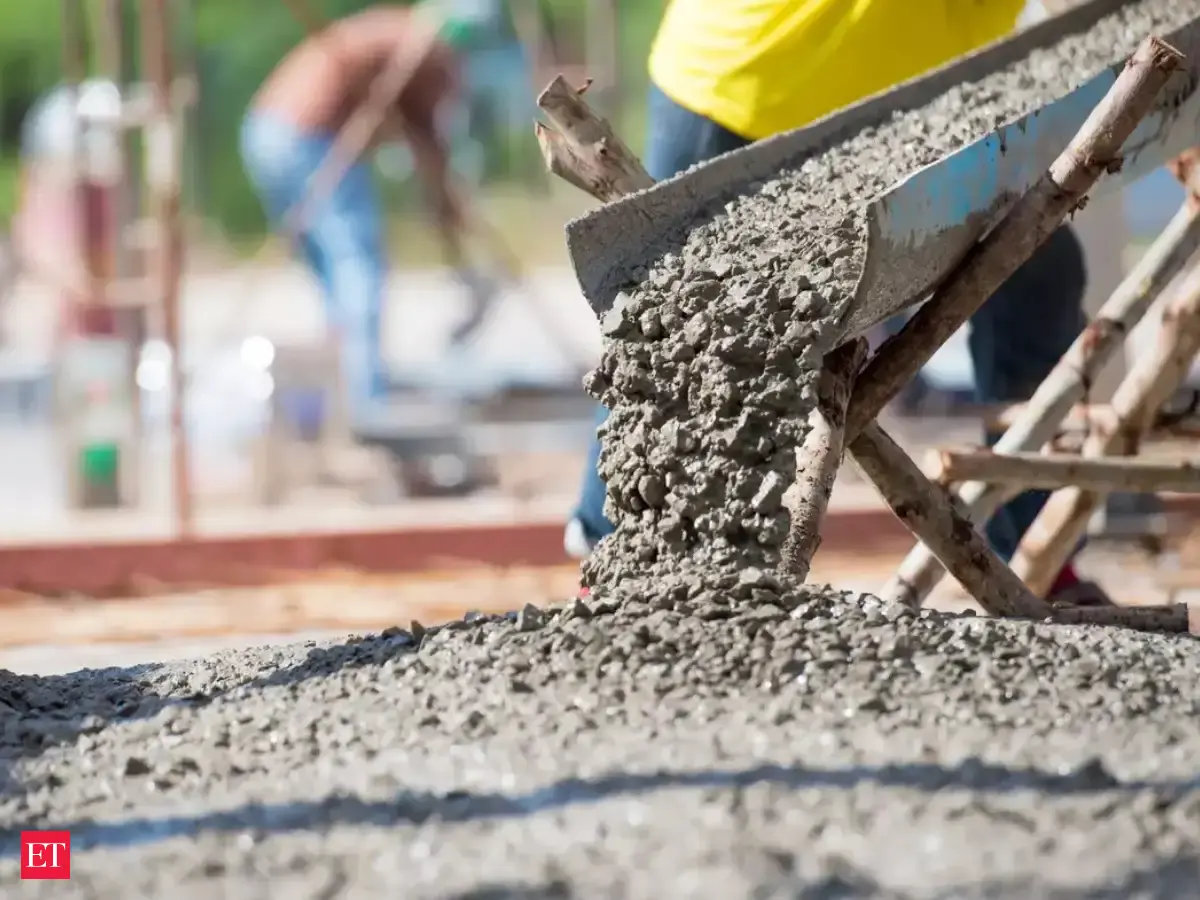
Cement companies are gearing up for a promising September 2026 quarter, with expectations of significant volume growth fueled by heightened demand and new capacity. Despite this optimistic outlook, profitability may take a hit due to escalating operating costs, especially in fuel. Ultratech Cement and JK Cement are anticipated to shine in volume performance, while necessary price increases for cement bags will help mitigate rising expenses. View More
MUMBAI - Cement companies are likely to report healthy volume growth in the September 2026 quarter, supported by improving demand and capacity additions. However, profitability is likely to be at the lowest in nearly two years in the September quarter, weighed down by higher operating costs, especially that of fuel. While Ultratech Cement and JK Cement are expected to lead on volume growth, margin compression could weigh earnings across most cement makers despite a gradual recovery in cement prices. Power and fuel costs together account for about a third of the total production costs for cement companies. The continued crisis in West Asia has led to a spike in prices of international pet coke and coal. Companies also faced higher costs of logistics and packing bags; combined with the annual maintenance and shutdowns that companies generally take during the quarter, this has added to the cost pressures during the quarter. Cement companies have increased prices by Rs 15-20 per 50 kg bag, while costs have risen by at least Rs 200 per tonne. Every $10 per tonne increase in the cost of fuel results in a corresponding increase of Rs 40–50 per tonne for cement makers. Shree Cement seems to be the most exposed to international fuel prices, DAM Capital said in a report. “Pricing improved in Sep-26 but more hikes are needed to keep rising costs at bay,” Nuvama Institutional Equities said in a pre-earnings note. Ultratech Cement is expected to report healthy double-digit volume growth, aided by improving demand and market-share gains. While realizations are likely to remain broadly stable year-on-year, higher input costs may weigh on margins. Live Events JK Cement is expected to deliver strong revenue growth supported by 20% volume growth, capacity ramp-up and healthy demand across both grey and white cement segments and modest realization improvement. However, rising fuel and operating costs means profit growth may trail top line growth. Ambuja Cements is expected to report a subdued revenue growth amid low single-digit volume growth. Profitability may remain under pressure, with per tonne operating profit before depreciation and amortisation (EBITDA) expected to decline sharply by around 30%. Key monitorables include demand recovery, cement price trends, ramp-up of new capacities, and the pace of cost savings from Adani Group synergies. Shree Cement is expected to report mid-high single digit volume growth supported by improving demand and capacity additions. Revenue is likely to increase on the back of higher volumes, although realizations may remain under pressure sequentially. EBITDA per tonne is estimated to drop nearly 24% compared with last year. In the near term, pricing actions taken by companies will be critical amid expectations of firm input costs. “With the industry entering its seasonally stronger period, industry players have announced further price hikes of INR 10–20/bag across most markets in October 2026, although the extent of absorption and sustainability remain the key variables to monitor,” JM Financial Institutional Equities said. .Pbanner{display:flex;justify-content:space-between;align-items:center;background-color:#ec1c40;margin-top:20px;padding:5px 10px;border-radius:4px;color:#fff;line-height:10px;width: 100%;box-sizing: border-box} .Pbannertext{display:flex;align-items:center;font-size:16px;font-weight:600;font-family:'Montserrat';} .Pbannertext img{height:20px;margin:0 6px} .Pbannerbutton a{display:flex;align-items:center;background-color:#fff;color:#ec1c40;text-decoration:none;font-weight:600;padding:4px 8px;border-radius:6px;font-size:15px;font-family:'Montserrat';} .Pbannerbutton img{height:20px;margin-right:6px} .Pbannerbutton a:hover{background-color:#f7f7f7} Add as a Reliable and Trusted News Source Add Now! (You can now subscribe to our Economic Times WhatsApp channel) (You can now subscribe to our Economic Times WhatsApp channel)
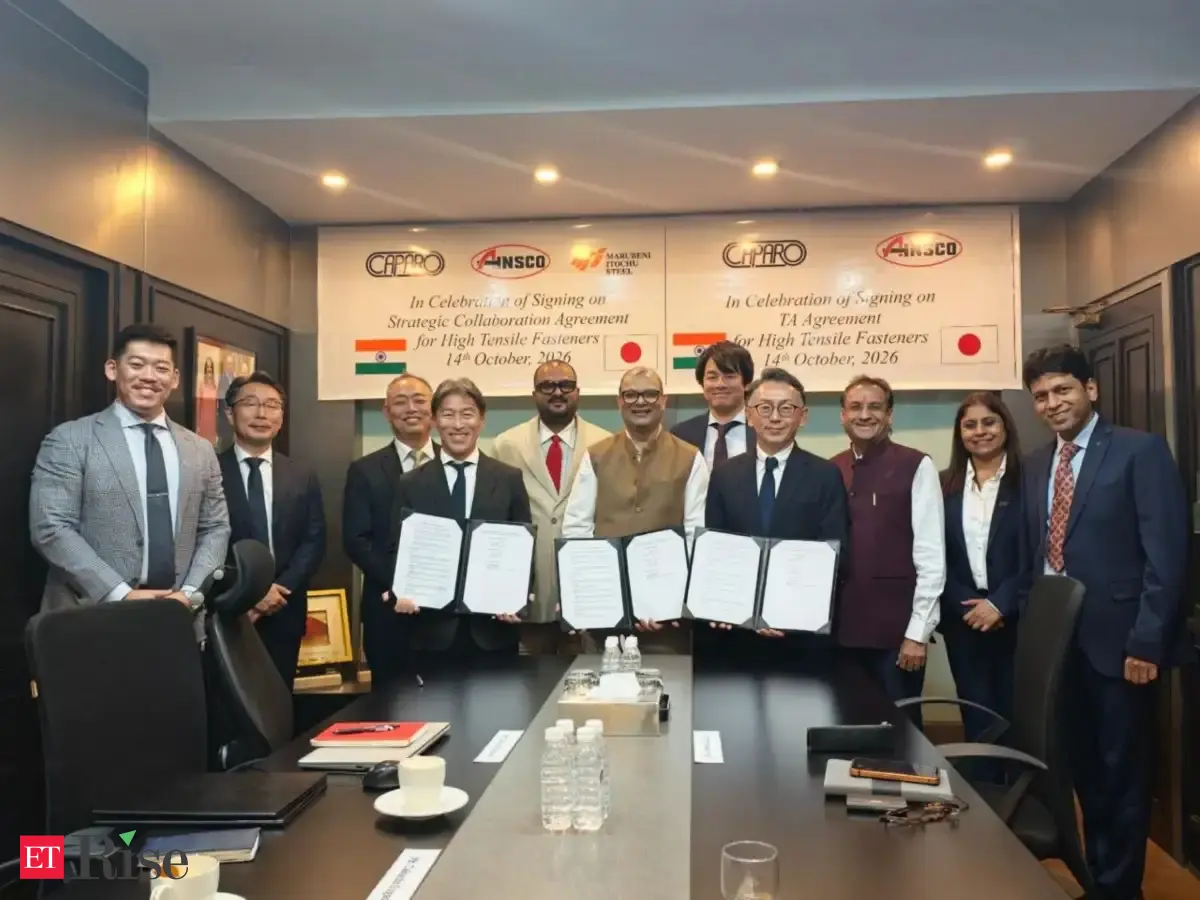
Through this partnership, ANSCO will lend its technical expertise while MISI assists with supply and marketing strategies. View More
GURUGRAM: Caparo Engineering India Ltd. has partnered with Japan’s ANSCO Co., Ltd. and Marubeni-Itochu Steel Inc. (MISI) to develop and expand its business in India. The agreement, signed on October 14, 2026, is supported by a separate technical assistance agreement between Caparo Engineering India and ANSCO to strengthen manufacturing technology, production processes and quality control. Under the technical assistance agreement, ANSCO will support Caparo in high-strength fastener manufacturing technology, quality control, product development and employee skill development. MISI will support raw material and product supply arrangements, marketing and business expansion, while Caparo will focus on strengthening its production systems, improving quality and expanding its market reach. Akash Paul, Chairman of Caparo Engineering India Ltd., highlighted the importance of the company's legacy, long-term growth and international partnerships. He acknowledged the contribution of Arush Paul, Vice Chairman of Caparo India, and emphasised the importance of carrying forward the group's achievements, values and partnerships for future generations. Arush Paul, Vice Chairman and CEO of Caparo India, said in a statement that the 19-year business relationship between Caparo and MI Steel had been built on trust, mutual respect and a shared commitment to manufacturing excellence. Highlighting the potential of India-Japan collaboration, he said combining Japanese engineering precision and quality with India's manufacturing capabilities, skilled talent and growth potential could help build a strong and competitive business. He added that the initiative was not merely about expanding fastener manufacturing but also about setting higher benchmarks for quality, competitiveness and technological excellence in India. Live Events Vinod Kumar Bapna, CEO of Caparo Maruti Ltd. and Group CFO of Caparo India, highlighted the opportunities emerging from the growth of India's automotive industry. Rising vehicle demand, the expansion of electric mobility and India's emergence as a global manufacturing hub are creating new opportunities for high-strength fasteners . He emphasised that quality, productivity, innovation and technical expertise would be critical to meeting the requirements of an increasingly competitive industry. Combining Indian manufacturing capabilities with Japanese technical expertise, he said in a statement, could help deliver better outcomes for customers. Atul Jain, CEO and Whole-Time Director of Caparo Engineering India Ltd., described the technical assistance agreement with ANSCO as an important step towards strengthening the company's manufacturing capabilities. He said ANSCO's technical expertise, combined with Caparo's manufacturing experience and understanding of the Indian market, would support the development of specialised and critical fasteners. The collaboration is expected to strengthen product development, improve quality and enhance customer service for engine applications, Maruti Suzuki India Ltd. (MSIL), Honda and export markets. Going forward, the three companies will work towards strengthening Caparo's production and quality control capabilities and establishing development and supply systems tailored to the requirements of Indian customers. MISI will facilitate collaboration by leveraging its expertise in the steel products industry and its domestic and international business network. By combining local manufacturing and market access with Japanese engineering expertise and international supply chain capabilities, the companies aim to establish a competitive foundation for the high-strength fastener business in India. .Pbanner{display:flex;justify-content:space-between;align-items:center;background-color:#ec1c40;margin-top:20px;padding:5px 10px;border-radius:4px;color:#fff;line-height:10px;width: 100%;box-sizing: border-box} .Pbannertext{display:flex;align-items:center;font-size:16px;font-weight:600;font-family:'Montserrat';} .Pbannertext img{height:20px;margin:0 6px} .Pbannerbutton a{display:flex;align-items:center;background-color:#fff;color:#ec1c40;text-decoration:none;font-weight:600;padding:4px 8px;border-radius:6px;font-size:15px;font-family:'Montserrat';} .Pbannerbutton img{height:20px;margin-right:6px} .Pbannerbutton a:hover{background-color:#f7f7f7} Add as a Reliable and Trusted News Source Add Now!
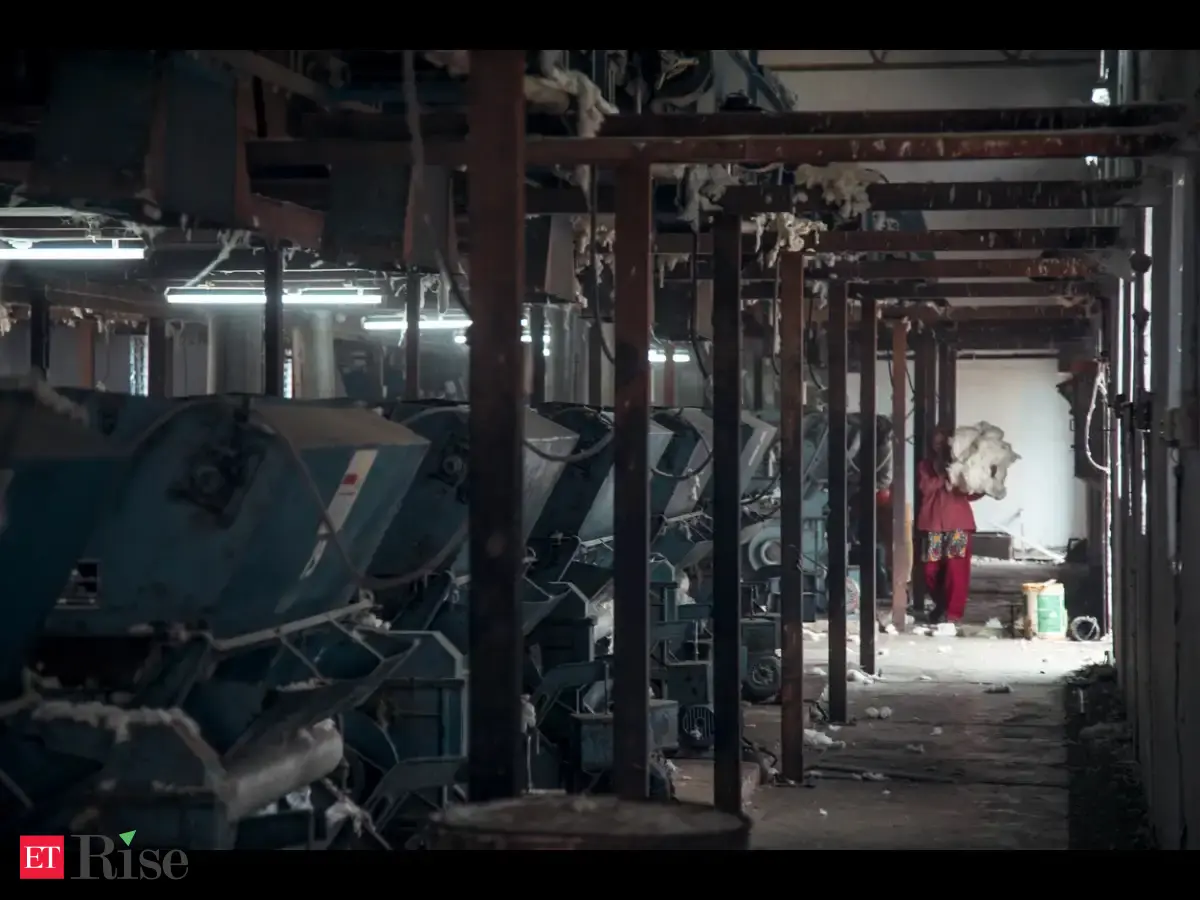
With major industrial investments taking shape across Vidarbha, industry stakeholders believe Nagpur has an opportunity to emerge as a diversified manufacturing and technology centre. View More
Nagpur and the wider Vidarbha region are emerging as promising industrial investment destinations, with major projects in steel, solar manufacturing, and automobiles expected to create fresh opportunities for micro, small, and medium enterprises (MSMEs) in the region. However, rising industrial electricity tariffs, difficulties in accessing land, and gaps in policy support continue to weigh on smaller businesses, raising questions about the region’s ability to translate large investments into broad-based industrial growth. Despite all these challenges, industry representatives remain optimistic about Nagpur's industrial prospects, citing substantial investments by large companies and the potential development of a stronger ancillary manufacturing ecosystem. Julfesh Shah, Chairman of the Chamber of Small Industry Associations (COSIA), Vidarbha Chapter, says the region is witnessing growing interest from major industrial groups across multiple sectors. “If we look at Vidarbha as a whole, with Nagpur as its principal industrial centre, the region is witnessing significant interest from large industrial groups. Several mega projects have been proposed or announced across different sectors, which could substantially transform the industrial landscape and create new opportunities for MSMEs,” Shah adds. He points to Gadchiroli’s emergence as a steel manufacturing hub, with companies, including Jindal, JSW, and Lloyds, investing or planning facilities in the district. Lloyd Metals and Lloyds Steel are already operational, while three to four additional large steel units could become operational over the next two to three years, he says. Nagpur’s Butibori industrial area is also attracting investments in solar manufacturing from companies such as Avaada, Waaree, and Jupiter. Meanwhile, Mahindra’s proposed investment of Rs 7,500 crore in a utility vehicle manufacturing facility is expected to strengthen the region’s automobile ecosystem, believes Shah. Live Events “A single large or ultra-mega manufacturing unit can support around 100 to 150 ancillary units. This will directly contribute to the growth of MSMEs and encourage the establishment of new small and medium enterprises,” Shah says. On financing, Shah maintains that banks are willing to lend to viable businesses with credible promoters and sound proposals. He also highlights collateral-free lending opportunities under the Credit Guarantee Fund Trust for Micro and Small Enterprises (CGTMS). Notably, Maharashtra has more than 10.1 million registered MSMEs (as of February 28, 2026), according to the government data. The Vidarbha region, comprising 11 districts, also houses 1.34 million Udyam-registered MSMEs (as of December 2025). However, Maharashtra reported 28,764 MSME closures between FY24 and FY26, the highest among all states, as per data tabled in the Rajya Sabha by Union MSME Minister Jitan Ram Manjhi. During the same period, the state recorded 75,57,276 new MSME registrations, retaining its position as the country’s leading state in terms of registrations. Industry representatives flag some structural bottlenecks for the closure of MSMEs. Rajib Chakraborty, Founder of Ishita International and the National President of Soluble Fertilizer Industry Association (SFIA), says high electricity tariffs and difficulties in industrial land allotment were undermining competitiveness. “While power availability is adequate, electricity tariffs remain among the highest in the country, significantly increasing the cost of doing business and undermining industrial competitiveness,” Chakraborty adds. He also questions the effectiveness of existing land allocation policies for smaller enterprises. “Policy commitments to preferential allotment for MSMEs and the promotion of import substitution appear to remain largely on paper, with little tangible benefit reaching the intended beneficiaries,” he says, adding that the online land allotment mechanism needed greater transparency and accountability. Suhas Buddhe, former Vice-President and Secretary of the Vidarbha Industries Association (VIA), calls for easier availability of industrial land through the Maharashtra Industrial Development Corporation (MIDC) and competitive electricity tariffs. He suggests bringing industrial power costs down to Rs 5-6 per unit from the prevailing Rs 10 or more per unit. Buddhe also advocates special incentives for investors setting up operations in Nagpur and additional support for export-oriented units in the region’s Special Economic Zone (SEZ). Since exports do not qualify for certain state GST-linked incentives, he suggests introducing dedicated export, transportation and electricity incentives to make manufacturing units more competitive in international markets. New age businesses: A ray of hope Beyond traditional manufacturing, entrepreneurs believe Nagpur must develop a stronger ecosystem for technology-driven enterprises to sustain industrial growth. Trishala Bothra, Co-Founder of online wellness and habit-building platform Habuild, says Nagpur's established manufacturing and logistics strengths could provide a foundation for technology, artificial intelligence and digital businesses. “We have seen how a digital business can be built from Nagpur and serve people across India. However, scaling new-age businesses requires access to skilled talent, mentorship, capital and industry networks,” Bothra adds. She calls for simpler compliance requirements, better start-up funding, cash-flow-based lending for digital businesses, and stronger collaboration between educational institutions and industry. “Digital businesses can serve national and global markets without moving their operations to a metro, provided they have the right talent, technology, and ecosystem support,” she says. With major industrial investments taking shape across Vidarbha, industry stakeholders believe Nagpur has an opportunity to emerge as a diversified manufacturing and technology centre. However, translating investment announcements into sustained MSME growth will depend on addressing longstanding concerns over land, power costs, financing and export competitiveness. .Pbanner{display:flex;justify-content:space-between;align-items:center;background-color:#ec1c40;margin-top:20px;padding:5px 10px;border-radius:4px;color:#fff;line-height:10px;width: 100%;box-sizing: border-box} .Pbannertext{display:flex;align-items:center;font-size:16px;font-weight:600;font-family:'Montserrat';} .Pbannertext img{height:20px;margin:0 6px} .Pbannerbutton a{display:flex;align-items:center;background-color:#fff;color:#ec1c40;text-decoration:none;font-weight:600;padding:4px 8px;border-radius:6px;font-size:15px;font-family:'Montserrat';} .Pbannerbutton img{height:20px;margin-right:6px} .Pbannerbutton a:hover{background-color:#f7f7f7} Add as a Reliable and Trusted News Source Add Now!
Anytech Hughesis adapting Korea’s commercially proven mineralisation technology to help Indian heavy industries turn carbon capture into a self-sustaining process. View More
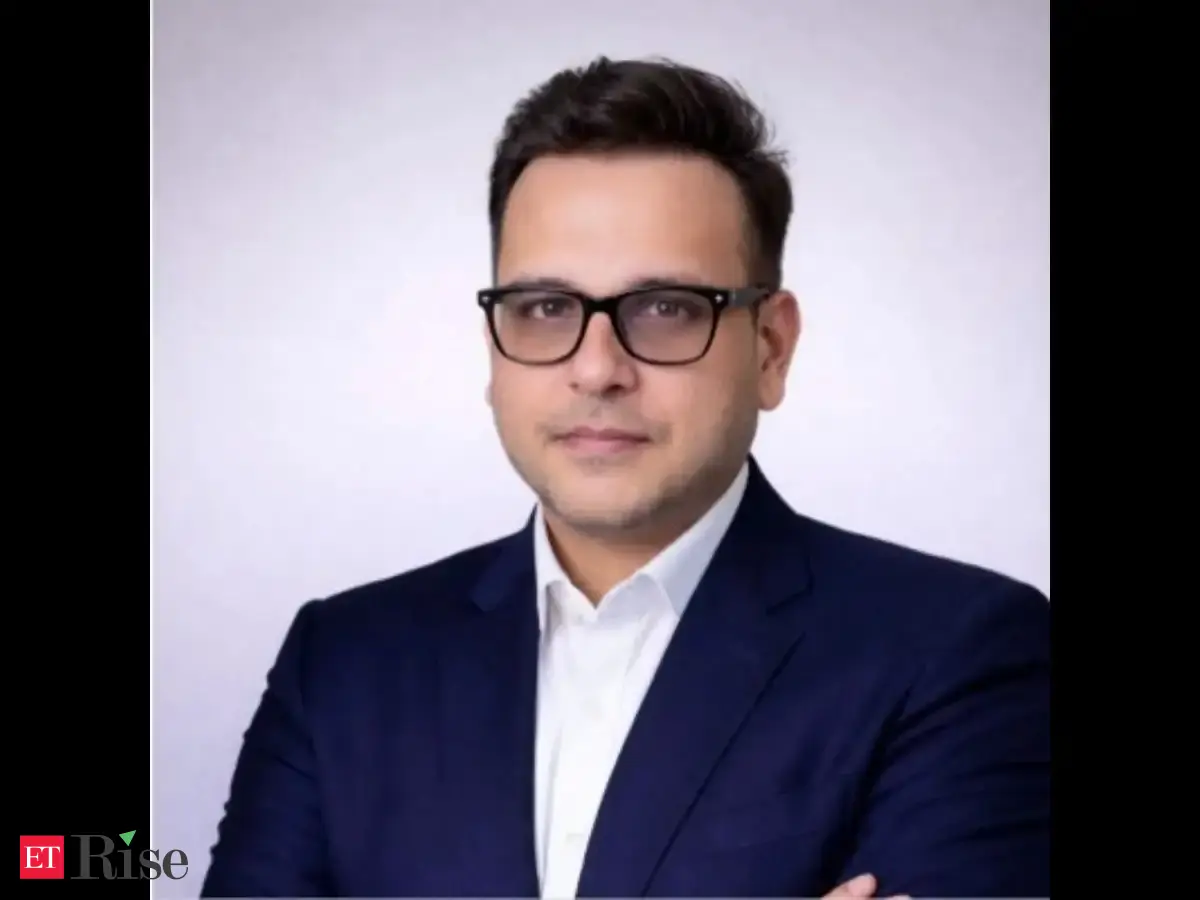
Carbon capture technology is gradually making its way into the Indian market. However, most decarbonisation plans in India treat the Carbon Capture Storage and Utilisation (CCUS) system as a disposal problem, i.e., compress it, transport it, and lock it underground. Anytech Hughes , a joint venture between India’s Hughes & Hughes Chem and Korea’s ANYTECH, is trying to change this narrative by converting industrial waste into a key asset for permanent carbon mineralisation . It provides high-quality air purification and AQMS (Ambient Air Quality Monitoring Systems) solutions for enterprises. Rajat Singhal, MD, Hughes & Hughes chem Ltd & Hughes services Pvt .Ltd, talks to The Economic Times Digital, explaining how they are trying to bring the system to India. Yet to commercialise here, their technology uses reactive waste streams, such as cement bypass dust, fly ash, and steel slag and locks CO2 away permanently into stable solids while recovering high-value, marketable products. Edited excerpts: ET: What is the annual CO₂ mineralisation capacity of a single commercial installation? Rajat Singhal (RS): In our process, the volume is set by the waste rather than the chimney. Conventional carbon capture is usually limited by how much CO₂ can be compressed, transported, and stored. Here, the CO₂ is taken up by the material it reacts with. So, what a plant can mineralise depends on how much bypass dust it generates and what that dust contains. That changes with the kiln, the fuels, and the raw materials, which is why we size every installation around the plant it serves rather than quoting one number for all. Live Events This also means the process becomes more relevant as plants burn more alternative fuels, given that the chlorine from these fuels is responsible for generating bypass dust in the first place. NITI Aayog’s Roadmap for Cement Sector Decarbonisation, released in January 2026, targets a 20% thermal substitution rate by 2030, which means more alternative fuel in Indian kilns and, with it, more bypass dust that our process can put to use. Cement is our starting point, but some of the largest volumes sit in other sectors. Steel slag is a clear example. India generates around 19 million tonnes of steel slag a year, a figure expected to reach 60 million tonnes by 2030. Streams like this can come into the same core process once it is configured for each material. Whatever the volume at a single site, the result is permanent. The CO₂ becomes part of a stable solid, not a gas that has to be watched for decades. ET: How many tonnes of CO₂ has Anytech Hughes actually captured and mineralised to date? RS: The technology is proven at a commercial scale in Korea, where it has been running for years. It was developed under a national R&D programme backed by Korea’s Ministry of Trade, Industry and Energy, jointly with the Korea Institute of Energy Research, and is protected by 16 patents in cement mineral carbonation alone. It has been validated at the Hanil Cement and Sampyo Cement pilot facilities and is now undergoing technology verification with a major French cement company. So, we are not bringing an untested concept to India. Our focus here is to adapt that technology in India. Its composition depends on the raw materials, the fuels, and the way each plant operates. So, a process that works in one setting needs to be fine-tuned before it delivers the same results elsewhere. That adaptation is where much of our current work sits. Our full CCU system is designed for capacities of up to 20,000 tonnes a year, while our lower-capex CCS system starts at 10,000 tonnes a year. ET: What is the biggest misconception about carbon capture in India’s heavy industry? RS: The biggest misconception is that carbon capture can only ever be a cost. Much of the conversation around carbon capture has focused on capturing CO₂ and storing it underground. That approach has a role to play, but it comes with an ongoing burden. Storing carbon underground means paying for it forever: to capture it, move it, store it, and make sure it stays there. Using carbon to make something valuable changes the whole conversation. When captured CO₂ becomes part of a product that can be sold, it stops being purely an expense and starts contributing to the business. In our case, CO₂ from the cement kiln is used to treat waste that the plant already has to deal with, and the outcome is saleable products alongside CO₂ that is permanently locked away. This shift in thinking matters, especially in India. Our heavy industry is growing, and most plants find it difficult to justify investments that only add to their costs, even when the environmental benefits are clear. A solution that pays its way is far easier to approve, fund, and scale. That is how Indian industry will actually adopt carbon capture at scale. Regulation will play its part, but lasting adoption will come when the technology makes sense on the balance sheet as well as for the climate. Once carbon capture is seen as a source of value rather than a burden, the pace of adoption changes completely. ET: How does the technology perform with different industrial waste streams, such as cement bypass dust, fly ash, and steel slag? RS: Each waste stream behaves differently, and that is where our experience matters. Cement bypass dust, fly ash, and steel slag differ in their chemistry and in what can be recovered from them. So, there is no one-size-fits-all approach. The process needs to be shaped around each material to deliver the best results. Cement bypass dust is a great fit because we recover more than one valuable product from it. The dust is generated when plants remove chlorine from the kiln, and it is otherwise a waste that needs to be stored and disposed of. Independent XRF analysis of bypass dust by Kongju National University in Korea found 30.6% chlorine, 16.8% potassium oxide, and 38.5% calcium oxide, confirming its suitability for potassium chloride extraction and CO₂ mineralisation. Our process uses CO₂ to treat it and recovers products, such as potassium chloride and calcium carbonate, turning a disposal problem into a source of value while permanently capturing carbon. Steel slag and fly ash also have strong potential. Heavy industry already manages both, and they offer real scope for mineralisation. We tailor the process to each one, taking into account its composition and the products that can be recovered from it. Across all three, the goal is the same: to turn industrial waste into something stable and useful, with CO₂ locked away for good. ET: Are there any limitations on the type or chemical composition of waste that can be used? Can you also share general limitations and challenges around this technology? RS: So rather than applying a fixed formula, we look closely at each waste stream before designing a solution. This upfront work is essential to making sure each installation performs well and delivers the expected results for the plant. Beyond the plant itself, the wider challenges are about the ecosystem. The first is building markets for the recovered products. For the model to work at scale, buyers need to be comfortable with products that come from industrial waste, and that market needs time to develop. The second is letting India’s carbon market mature so that the value of permanently locking away CO₂ is properly recognised and rewarded. We see both moving in the right direction. India’s carbon market is steadily taking shape, and industry is showing more interest in circular solutions. .Pbanner{display:flex;justify-content:space-between;align-items:center;background-color:#ec1c40;margin-top:20px;padding:5px 10px;border-radius:4px;color:#fff;line-height:10px;width: 100%;box-sizing: border-box} .Pbannertext{display:flex;align-items:center;font-size:16px;font-weight:600;font-family:'Montserrat';} .Pbannertext img{height:20px;margin:0 6px} .Pbannerbutton a{display:flex;align-items:center;background-color:#fff;color:#ec1c40;text-decoration:none;font-weight:600;padding:4px 8px;border-radius:6px;font-size:15px;font-family:'Montserrat';} .Pbannerbutton img{height:20px;margin-right:6px} .Pbannerbutton a:hover{background-color:#f7f7f7} Add as a Reliable and Trusted News Source Add Now!

KFC’s US restaurants have served PepsiCo drinks ever since PepsiCo bought KFC in 1986. However, some of the chain's international markets serve Coke products. View More

KFC is switching from PepsiCo to Coca-Cola as its beverage supplier for U.S. restaurants. View More
In this articleYUMFollow your favorite stocksCREATE FREE ACCOUNT A view of a KFC restaurant in Vallejo, California.Justin Sullivan | Getty ImagesKFC's U.S. restaurants will ditch PepsiCo and switch to Coca-Cola beverages next year, marking the first time in decades that the Yum Brands chain has changed its drink supplier, the restaurant company said Thursday.Some of KFC's international markets serve Coke products, but the chain's U.S. restaurants have stuck with PepsiCo drinks ever since Pepsi bought KFC in 1986. At the time of the acquisition, KFC was Coke's second-largest fountain account, trailing only McDonald's. Pepsi later spun off KFC, along with sister chains Pizza Hut and Taco Bell â but even as the combined Yum Brands, the company stayed loyal to its previous owner. Without Pepsi, Taco Bell would not serve its iconic Mountain Dew Baja Blast.The change comes as KFC aims to win back U.S. diners, who have ditched the fried chicken chain for rivals such as Chick-fil-A or Popeyes. "This decision is a critical step in the Kentucky Fried Comeback," KFC U.S. President Catherine Tan-Gillespie wrote in a memo to franchisees and employees obtained by CNBC. "A new beverage offering, with a new partner in Coca-Cola, gives us a platform to innovate, meet changing tastes and give customers more reasons to choose us."Beverage cups stacked inside a Yum Brands KFC restaurant in Shelbyville, Kentucky, Jan. 29, 2021.Luke Sharrett | Bloomberg | Getty ImagesFor many fast-food chains, beverages have become a critical way to attract consumers. A number of restaurants, including McDonald's and Taco Bell, have broadened their drink offerings with options such as refreshers or "dirty soda." For its part, KFC recently unveiled new drinks, including iced coffees and shakes, at Open House, its innovation restaurant in McKinney, Texas. Coke told CNBC earlier this year that the company has helped many of its restaurant partners create new drinks.KFC expects to be pouring Coke beverages in all of its U.S. restaurants by the end of the first quarter of 2027, Tan-Gillespie said.Tan-Gillespie also said that Pepsi remains an important partner for KFC's parent company and the chain's international markets.For decades, Coke and Pepsi have tussled over important restaurant partners, which represent both a sales opportunity and the chance to grow the visibility of their beverage brands. It is unusual for large restaurant chains to switch beverage providers, but not unprecedented. In 2024, Pepsi poached Subway, the largest U.S. restaurant chain by number of locations, from Coke. Besides KFC, Coke has wooed away a number of notable Pepsi customers in recent years, including Culver's, Arby's and Panda Express. Choose CNBC as your preferred source on Google and never miss a moment from the most trusted name in business news.

Hungary, a small country in central Europe, has played a major part in the movie business since the late 19th century. View More
The movie 'Ashes to Iron' was largely shot in Hungary. Actors are shown in a scene set in the Rothschild Hospital in Vienna, filmed on location at Budapest's University of Technology and Economy.Ashes To IronThink of Academy Award-winning movies such as "Poor Things," "Blade Runner 2049" and "The Brutalist" and you might assume they were made in Los Angeles. But instead of being produced in California's famous studios, they were all shot largely in one central European country: Hungary. Huge production complexes, a variety of land and cityscapes and generous incentives have made Hungary a hub for Hollywood.Arnold Schwarzenegger, Tom Cruise, Eddie Redmayne, Liam Hemsworth, Anne Hathaway and Dakota Fanning were all reportedly seen in Hungary's capital Budapest and its surrounding areas this year.Hungary's history of movie-makingHungary has been involved with cinema since its earliest days. The Lumière brothers, makers of the cinematograph device, brought their invention to Budapest's Grand Hotel Royal in 1896 â just months after its Paris debut â and had camera operators film landmarks in the city the same year.When Budapest's artists and writers saw the early movies they "lost their minds in a good way, and almost immediately started creating their own films," according to movie director Justin Reardon, who runs production firm The Royal Budapest Film Company with his wife Barbara. The first Hungarian film staged for the screen was shot in 1901 on the rooftop of the Uránia, a Budapest palace that hosted science presentations, which is now a "cathedral"-like movie theater, he said.A scene of the movie "Hunyadi" (Rise of the Raven) shot at Hungary's National Film Institute's new studio complex close to Budapest on January 30, 2025.Attila Kisbenedek | Afp | Getty ImagesHungarians have also had an outsized influence on the American movie industry. Adolph Zukor, born in the then Austro-Hungarian empire, emigrated at 16 to the U.S., and in 1912 co-founded Paramount Pictures, while William Fox â born Vilmos Fried â was the Hungarian-American founder of the Fox Film Corporation that became Twentieth Century-Fox in 1935. Actors Zsa Zsa Gabor, Tony Curtis, Rachel Weisz and Adrien Brody have Hungarian roots, while Budapest-born Gábor Csupó founded a Hollywood studio that produced early seasons of "The Simpsons."'Different looks'With its grand architecture as well as areas that appear a little more gritty, Budapest has doubled for European cities such as Paris, Berlin and Rome in movies including "Evita," "Max," and "Inferno.""It's got many different looks," said producer Barbara Reardon. It's also easy to get around, and international movie executives feel at home, she said. "Budapest is equipped with a little bit of everything. You can find your green juices and healthy salads ... and a lot of studio heads and and actors, they like that," she told CNBC by video call. Budapest has doubled for Paris, Berlin and Rome in movies including 'Evita,' 'Max,' and 'Inferno.'Karol Czinege | 500px Plus | Getty ImagesFor author Judy Laufer, Budapest as a movie location has a personal connection: her family escaped from the city during the 1956 Hungarian Revolution, fleeing across the border to Austria before emigrating to Canada. Laufer is the producer of an independent movie, "Ashes to Iron," which tells her family's story and was shot in Hungary. "Unless there's a specific thing that tells you you're in Budapest, like the big synagogue, for instance ... you really could be anywhere," Laufer said, referring to a large synagogue on Dohány Street, the thoroughfare where she lived for the first year-and-a-half of her life. Laufer is submitting the movie to film festivals including Sundance and Berlin and will hold a private screening in Budapest to mark the 70-year anniversary of the revolution later this month. Other locations for "Ashes to Iron" include a small airport and a nature trail outside Budapest. Barbara Reardon said the country is also attractive for filming because of the proximity to multiple different types of landscapes. "Outside of the city, you have the lake that you can double for a sea," she said, referring to Lake Balaton, central Europe's largest freshwater lake. "Maybe we don't have mountains, but nowadays that's an easy fix, [as] the surrounding countries do."'Stable' incentivesWhile the Hungarian studios can't compete in size with California's Warner Bros. Studios Burbank or Universal Studios, they can compete on price. Production costs are around 30% to 50% cheaper than in the U.S., according to Barbara Reardon.About a 20-minute drive north of Budapest is Origo Studios, a complex where large chunks of U.S. movies including "Dune," "Dune: Part Two" and "Inferno" were shot. The studio has 11 stages plus 4 acres of backlot (where movie sets for outdoor scenes are built) and was founded in 2010 in a partnership with U.S. production company Raleigh Studios, run by American studio executive Michael Moore at the time.When CNBC visited Origo Studios in August, it was quiet. CEO Márta Fekszi Horváth described it as a "transition period," but added that she was "very optimistic" about forthcoming productions. Much of the movie 'Ashes To Iron' was filmed on location in Hungary.Ashes To IronHungary's movie industry was thrown into disarray after former Hungarian Prime Minister Viktor Orbán paused an incentive scheme that provided a 30% rebate on all production spend in the country. While the scheme was restarted in December, the former government also put a cap on the value of productions for the first half of 2026, adding to the uncertainty as producers tend to plan budgets a year ahead or more.The new government has submitted proposals to supplement the rebate by 63 billion Hungarian forints ($193 million), Horváth said, and last month, Hungary's Deputy Prime Minister and Foreign Minister Anita Orbán sought to reassure the movie industry further, saying that the new administration aimed to provide a "stable and predictable framework" for the incentive system. The government wanted to bring "even more" international productions to the country, she added.Local talentOne large-scale production that was shot in Hungary and is set for release in the U.S. and U.K. this month is "Wicker," starring Olivia Colman as an ostracized, single fisherwoman and Alexander SkarsgÃ¥rd as her custom-ordered husband crafted out of willow. It was filmed on two medieval backlots at Korda Studios and the National Film Institute, to the west and north of the city respectively, according to Barbara Reardon, a local co-producer.Hollywood studios often want to bring in their own teams to oversee certain functions, or may take post-production back home, according to the Reardons. But Barbara said she's seen a shift. "'Wicker' ... was one of the first big international films with big international stars that hired [a] local production designer, local costume designer, local hair and makeup designer," she said. The movie's writer-directors, Eleanor Wilson and Alex Huston Fischer, set the film "outside of a specific time and place, which meant we got to invent our own culture," Fischer said in production notes seen by CNBC. The movie's costume designers, András Dániel Tóth and Attila Godena-Juhász, who are Hungarian, were inspired by Hungary's traditional clothing, such as bridal headpieces with layered veils, and Wilson said the country's folk art and traditions shaped how "Wicker" looks.For a "tiny little" country, Hungary punches above its weight, Justin Reardon said. "You don't expect in a very small market to have such a robust group of people that are able to to accomplish so much." Choose CNBC as your preferred source on Google and never miss a moment from the most trusted name in business news.
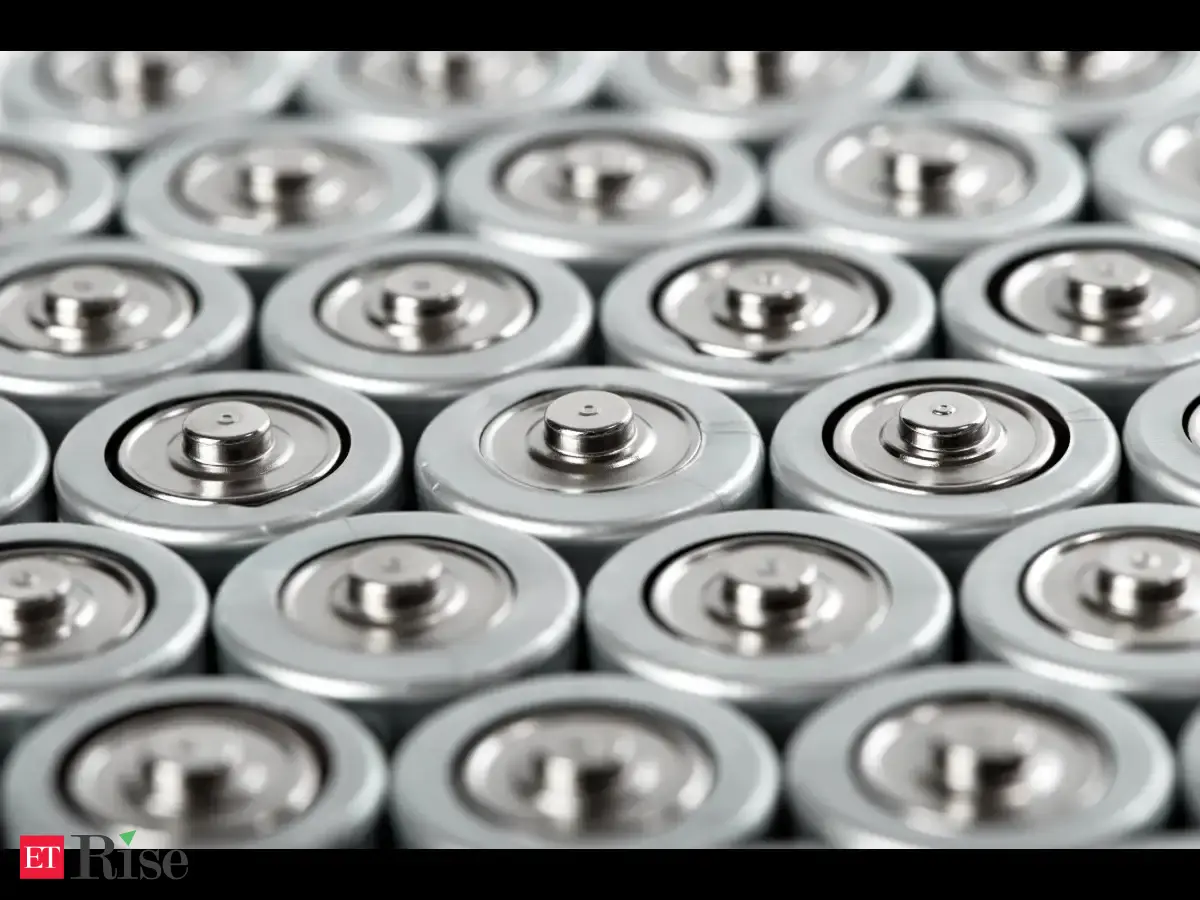
Recent surveys suggest that India's battery energy storage sector is transforming towards non-lithium technologies. These include sodium-ion, vanadium redox flow, and zinc-based batteries which could reduce import dependence. View More
NEW DELHI: Non-lithium energy storage technologies like sodium-ion batteries are poised to cut India's storage imports by 50 per cent by 2035, according to a survey by the NetZero Energy Transition Association (Netra). According to a Netra statement, India’s battery energy storage sector is undergoing significant transformation, with nearly 90 per cent of current storage and lithium-ion battery requirements still met through imports. However, rapid adoption of vanadium redox flow, sodium-ion, zinc-based, and iron-based batteries and indigenous manufacturing could enable India to reduce its battery storage import dependence to just 50–52 per cent by 2035, a recent survey by NETRA, a global platform for driving the energy transition by enabling new and advanced technologies, said. The survey was conducted among various industry leaders, representatives from utilities, battery manufacturers, project developers, researchers, and manufacturers across Delhi, Mumbai, Bengaluru, Chennai, and Hyderabad. This survey report will be officially revealed at the BEYOND LITHIUM SUMMIT 2026, to be held on October 24, 2026, in New Delhi. Live Events This first-of-its-kind platform in India is dedicated to battery technologies beyond lithium-ion, where over 100 companies and research organisations will gather to map the future of India’s multi-chemistry storage ecosystem and showcase the latest advances in non-lithium energy storage technologies. Industry estimates suggest that the compound annual growth rate (CAGR) for India’s Battery Energy Storage System (BESS) sector stood at 91 per cent between FY26 and FY32. Cumulative capacity is set to rise from 6.3 GWh to 302 GWh in that period, driven by ambitious renewable integration and round-the-clock power needs. Yet, 89-91 per cent of battery storage systems and lithium-ion batteries are currently sourced from abroad, exposing India to global supply shocks and price volatility. In the past year alone, lithium battery prices fluctuated by more than 25 per cent in India, influenced by raw material constraints, currency swings, and international market pressures. About 61 per cent of respondents believe that scaling up domestic innovation and manufacturing of vanadium redox flow, sodium-ion, zinc-based, and iron-based batteries can significantly reduce India’s reliance on imported solutions. Over half (54 per cent) expect that, with commercial-scale deployment and targeted investment, India's storage import share could fall to 50–52 per cent by 2032. The shift is already underway. Leading Indian research institutions, including ARCI, IMMT, NCL , and IIT Bombay, are advancing indigenous sodium-ion cell technology, while companies such as Rechargion, HPCL , Oden Energy, Macsen Energy, and Uneverse are developing cell and pack solutions tailored to grid and industrial applications. Globally, sodium-ion cell manufacturing capacity has crossed 10 GWh this year, with further expansion planned. On the vanadium flow front, companies like VFT (formerly Vflowtech) and Delectrik Systems are installing vanadium redox flow battery (VRFB) systems both in India and internationally, targeting long-duration storage and grid flexibility. Rahul Walawalkar, President of NETRA, said, "India’s energy security will depend not only on how much storage we deploy, but on the diversity and indigenisation of the technologies behind it". Zinc-based batteries offer India a strategic opportunity to achieve energy security through indigenous manufacturing and by eliminating dependence on imported lithium, said Saroj Sahu, CEO & Co-Founder, Golden Gate Battery, Inc. NETRA’s findings align with government and industry calls for a technology-agnostic approach to energy storage. -- .Pbanner{display:flex;justify-content:space-between;align-items:center;background-color:#ec1c40;margin-top:20px;padding:5px 10px;border-radius:4px;color:#fff;line-height:10px;width: 100%;box-sizing: border-box} .Pbannertext{display:flex;align-items:center;font-size:16px;font-weight:600;font-family:'Montserrat';} .Pbannertext img{height:20px;margin:0 6px} .Pbannerbutton a{display:flex;align-items:center;background-color:#fff;color:#ec1c40;text-decoration:none;font-weight:600;padding:4px 8px;border-radius:6px;font-size:15px;font-family:'Montserrat';} .Pbannerbutton img{height:20px;margin-right:6px} .Pbannerbutton a:hover{background-color:#f7f7f7} Add as a Reliable and Trusted News Source Add Now!