
Latest Sectors News
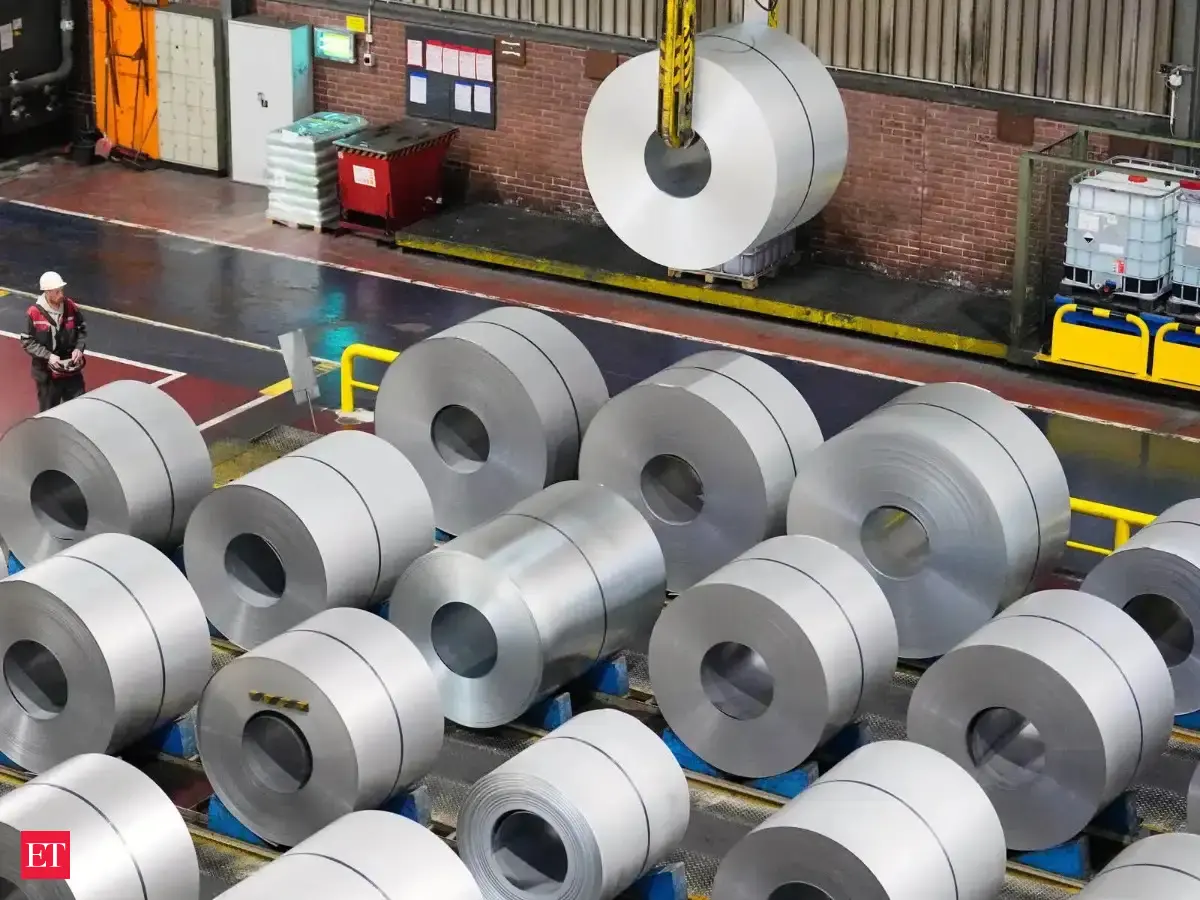
Naveen Jindal, President of the Indian Steel Association, highlighted the importance of fair trade for the steel industry. He noted that India's steel sector can expand significantly by 2030-31 if challenges are addressed. Jindal emphasized embracing technology, particularly artificial intelligence, to improve operations and sustainability. Concerns were raised regarding Chinese steel exports and trade barriers posed by developed economies. View More
New Delhi: Calling for a level playing field, Indian Steel Association President Naveen Jindal on Tuesday said that India supports fair trade but cannot permit unfairly priced imports or products failing quality standards to undermine domestic steel manufacturing. Jindal, who is also the Chairman of Jindal Steel , emphasised the need for a stable and enabling policy environment for the steel sector, stating that large, long-term investments require predictability in mining of raw materials, energy, logistics, taxation, trade and environmental regulation. "We also need to ensure a level playing field. India supports fair trade, but unfairly priced imports and products that do not meet quality standards cannot be allowed to undermine domestic manufacturing," he said addressing the ISA steel conclave here. He further said that the steel industry recognises its responsibility in India's climate journey. Energy efficiency, increased use of scrap, renewable energy, coal-gas-based technologies with carbon capture and utilisation, and green hydrogen will shape the steel industry of the future. India has the opportunity to become a trusted global supplier of responsibly produced low-carbon steel. He further said that the future of the Indian steel sector will not be defined merely by production volumes but by the quality, competitiveness and sustainability of steel. Live Events Stressing that technology will be central to this transformation, Jindal said artificial intelligence will play an increasingly important role in improving operations, enhancing efficiency and making steel production more sustainable. "AI is going to keep playing a very important role....it's like, say, 30 years back what computerisation was. So now it is AI...it's a must that we all have to embrace it. We all have to embrace it and improve our operations, work together with each other, and that is how it will also help in bringing in efficiency and also making steel more sustainable, because when we become efficient, automatically we reduce our CO2 emissions," he explained. Speaking during the conclave, JSW Steel CEO Jayanta Acharya said that Chinese steel exports, coupled with trade barriers in developed economies, have emerged as a challenge for the domestic steel sector. "China has a huge surplus in probably every sector. And their consumption is unfortunately not growing, so therefore that is finding its way into the export market. And that's one challenge which we need to be aware of. The second one is that the developed world is putting tariff barriers and non-tariff barriers," he explained. SAIL Chairman and Managing Director Ashok Kumar Panda said that India's steel industry has the potential to expand to 300 million tonnes by 2030-31 and around 600 million tonnes by 2047, but achieving this vision will require addressing key challenges, including green steel, high-end production and import substitution. Minister of State for Steel Bhupathi Raju Srinivasa Varma said that he has noted the issues pertaining to the steel sector and the government will certainly work towards their resolution at the earliest. .Pbanner{display:flex;justify-content:space-between;align-items:center;background-color:#ec1c40;margin-top:20px;padding:5px 10px;border-radius:4px;color:#fff;line-height:10px;width: 100%;box-sizing: border-box} .Pbannertext{display:flex;align-items:center;font-size:16px;font-weight:600;font-family:'Montserrat';} .Pbannertext img{height:20px;margin:0 6px} .Pbannerbutton a{display:flex;align-items:center;background-color:#fff;color:#ec1c40;text-decoration:none;font-weight:600;padding:4px 8px;border-radius:6px;font-size:15px;font-family:'Montserrat';} .Pbannerbutton img{height:20px;margin-right:6px} .Pbannerbutton a:hover{background-color:#f7f7f7} Add as a Reliable and Trusted News Source Add Now! (You can now subscribe to our Economic Times WhatsApp channel) (You can now subscribe to our Economic Times WhatsApp channel)

India, the world's second-largest crude steel producer, has ?grappled with ?a surge in cheaper steel imports from China, prompting ?domestic steelmakers to ?seek stronger trade safeguards View More

Indian steel stocks are drawing interest as higher domestic prices, improving margins and infrastructure demand support earnings prospects. Analysts recommend selective exposure to cos with raw-material security, efficiency and value-added products, including Tata Steel, JSW Steel, Jindal Steel. View More
JSW Steel's CEO Jayant Acharya highlighted the impact of Chinese steel exports on Indian steelmakers. He stated that tariff and non-tariff barriers in developed markets complicate the situation. Despite these challenges, domestic steel demand in India remains strong. Acharya emphasized the need for India to open more iron ore mines for adequate raw material supply. This initiative would support the future growth of the steel industry. View More
Chinese steel exports , along with tariff and non-tariff barriers in developed markets, pose challenges for Indian steelmakers , JSW Steel CEO Jayant Acharya said on Tuesday, while highlighting strong domestic steel demand . India, the world's second-largest crude steel producer, has grappled with a surge in cheaper steel imports from China, prompting domestic steelmakers to seek stronger trade safeguards India needs to open more iron ore mines to ensure adequate raw material supplies and support future industry growth, Acharya said Developed nations are deploying tariff and non-tariff barriers, creating additional challenges for steel exporters, he added. .Pbanner{display:flex;justify-content:space-between;align-items:center;background-color:#ec1c40;margin-top:20px;padding:5px 10px;border-radius:4px;color:#fff;line-height:10px;width: 100%;box-sizing: border-box} .Pbannertext{display:flex;align-items:center;font-size:16px;font-weight:600;font-family:'Montserrat';} .Pbannertext img{height:20px;margin:0 6px} .Pbannerbutton a{display:flex;align-items:center;background-color:#fff;color:#ec1c40;text-decoration:none;font-weight:600;padding:4px 8px;border-radius:6px;font-size:15px;font-family:'Montserrat';} .Pbannerbutton img{height:20px;margin-right:6px} .Pbannerbutton a:hover{background-color:#f7f7f7} Add as a Reliable and Trusted News Source Add Now! (You can now subscribe to our Economic Times WhatsApp channel) (You can now subscribe to our Economic Times WhatsApp channel)
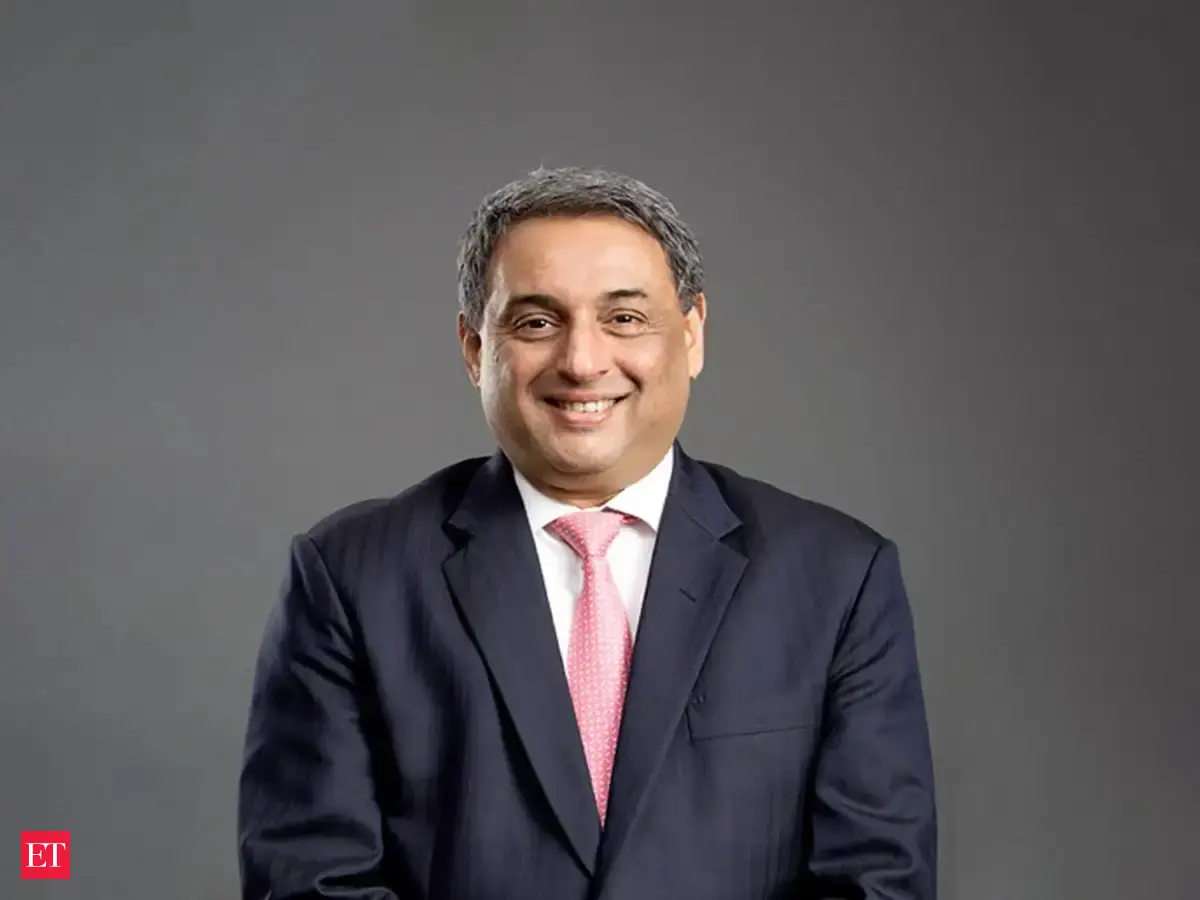
Tata Steel is seeking UK government intervention to address excess steel inventories and negotiating Dutch state funding for its green transition as Chinese oversupply, geopolitical conflicts and trade barriers disrupt global markets. CEO T V Narendran says the company is prioritising cost efficiency, value-added products and cleaner steelmaking to build resilience. View More
Jamshedpur: Tata Steel is seeking government intervention in the UK to address a backlog of imported steel and negotiating state funding in the Netherlands for its green transition, amid geopolitical tensions , wars and a massive Chinese supply glut disrupting global steel trade, the company's CEO and Managing Director T V Narendran said. With the US and the European Union raising trade barriers, steel originally meant for these markets was diverted to the UK during a period when imports were allowed without restrictions, Narendran said in an interview with PTI. "They have already closed the window, but we have an issue of inventory which is already lying in the UK market. So there are specific conversations we are having with the UK government on how they can support the market," he said. At the same time, the company is holding talks with the Dutch government to secure state backing for shifting its Netherlands plant to cleaner steelmaking. "The plant is going through a green process which cannot happen without government support and government funding," he said. Live Events Adding to these regional trade pressures is a massive supply overhang from China that is shaking up the 400-million-tonne (MT) annual cross-border steel trade. Beyond shipping nearly 10 MT of finished steel every month or 130 MT a year, China is flooding world markets with another 150 MT of "steel products", he said. "In effect, it is a 280 MT impact on global markets, which is disturbing global trade," Narendran said, noting that this surge has forced major economies to protect their own steelmakers. In Europe, where steel demand has remained largely stagnant for nearly two decades, regulators have reduced import quotas by half, from 30 MT to 15 MT, and introduced a carbon border tax to protect domestic steelmakers, he said. The UK was slower in curbing imports, allowing excess steel to accumulate in the market before recent quota reductions helped push prices towards more sustainable levels, he added. The steel industry is particularly vulnerable to geopolitical developments as it depends on the movement of raw materials and finished products across international borders, Narendran said. The conflict in West Asia has pushed up sea freight rates, while the Russia-Ukraine war continues to keep raw material costs elevated, he added. "It is an industry which is always buffeted by these external shocks, and our job is how we can build resilience into our organisations and deal with the good times and the bad times in a mature way," Narendran said. To survive price downturns, companies must focus sharply on cutting costs and improving efficiency. "In a volatile industry like ours, it is very important to be the last person standing. If steel prices drop, we should have the efficiency to be competitive enough to deliver profitability," he added. Alongside cost control, Tata Steel is focusing on high-end, value-added products such as automotive steel, tinplate packaging, and specialised pipes that discerning customers buy, helping protect margins from sudden swings in global commodity prices. "Anyone can make steel, but not everyone can make very high-end steel," Narendran noted. With European steel consumption flat, Tata Steel is spending capital in the region to maintain existing plants and switch to cleaner steelmaking, rather than building new capacity. While the company is already executing its green steel transition in the UK, its Netherlands project depends on securing government support, he said. Narendran explained that green steel only makes financial sense when three conditions align: Government funding, company investment, and customers willing to pay a premium for clean steel. "You need the government to support, you need industry like us to put in money, and you need customers to be willing to pay a premium for green steel. In Europe, these conditions are there, but the business case will come only when we look at the final numbers," he said. Breakthrough clean technologies also face steep cost hurdles worldwide, he said, adding, green hydrogen - a key clean fuel for future steelmaking must fall to around USD 2 per kg to be affordable for steelmakers, a price point not yet available anywhere in the world. Until green rules mature and buyers are ready to pay a premium, traditional blast furnaces remain much cheaper to run than cleaner scrap-based electric furnaces in developing markets, he said. To keep costs down and improve quality across its global plants, Tata Steel has leaned heavily on digital tools over the past decade, he said and added that at present, the company runs between 600 and 700 Artificial Intelligence (AI) models across its operations, backed by strong data systems and digital training for staff at all levels. "Our plants in the Netherlands and India have earned the World Economic Forum's Global Lighthouse recognition for using advanced manufacturing technology," he said. Ranked among the world's top 10 steelmakers by output and top six by market value, Narendran said Tata Steel measures global success through overall value creation rather than sheer output. "Topmost for us does not mean size; it means being the most valuable and respected steel company in the world, creating value for shareholders, communities, employees, suppliers and customers," Narendran said. "Success is a multi-dimensional measure, not a single one," he added. .Pbanner{display:flex;justify-content:space-between;align-items:center;background-color:#ec1c40;margin-top:20px;padding:5px 10px;border-radius:4px;color:#fff;line-height:10px;width: 100%;box-sizing: border-box} .Pbannertext{display:flex;align-items:center;font-size:16px;font-weight:600;font-family:'Montserrat';} .Pbannertext img{height:20px;margin:0 6px} .Pbannerbutton a{display:flex;align-items:center;background-color:#fff;color:#ec1c40;text-decoration:none;font-weight:600;padding:4px 8px;border-radius:6px;font-size:15px;font-family:'Montserrat';} .Pbannerbutton img{height:20px;margin-right:6px} .Pbannerbutton a:hover{background-color:#f7f7f7} Add as a Reliable and Trusted News Source Add Now! (You can now subscribe to our Economic Times WhatsApp channel) (You can now subscribe to our Economic Times WhatsApp channel)
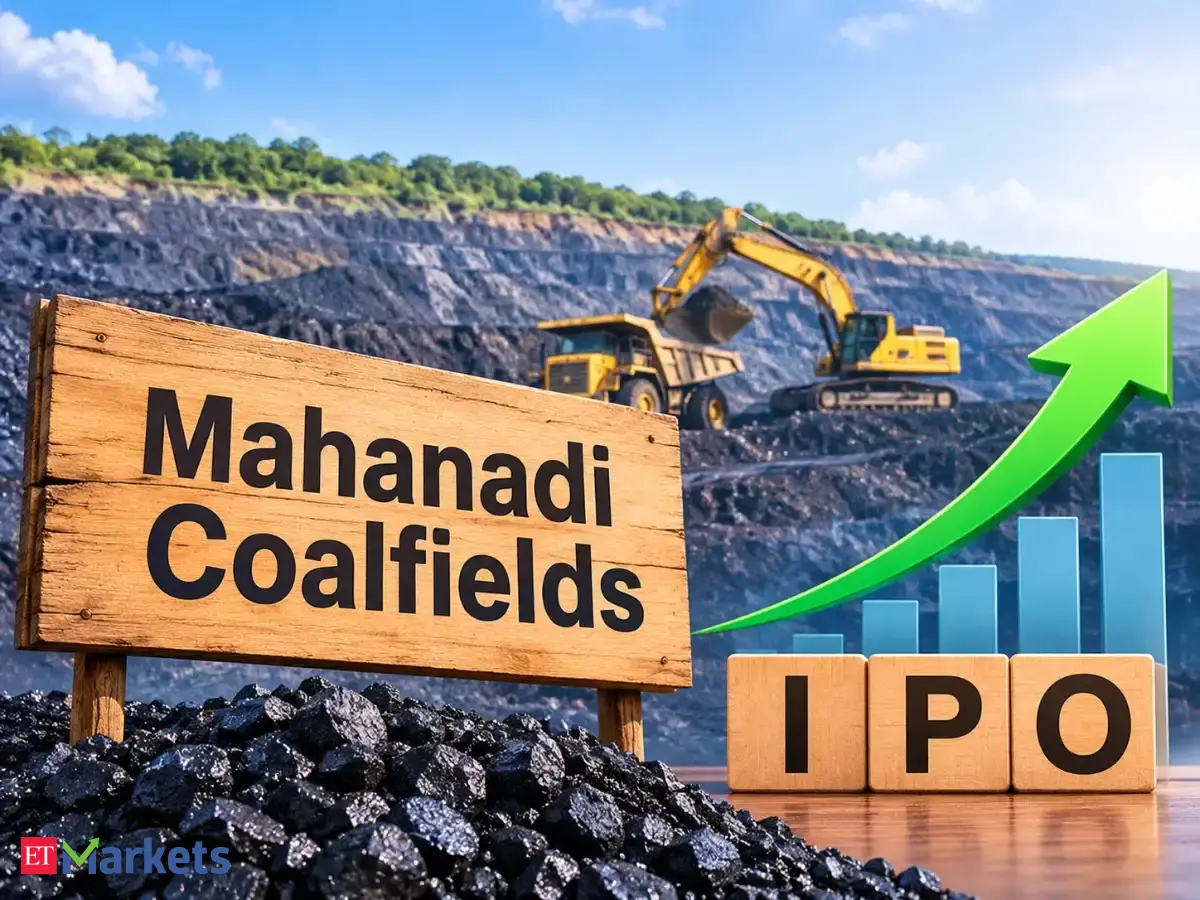
Coal India subsidiary Mahanadi Coalfields is set to launch its Rs 8,981 crore IPO on November 19, with a price band of Rs 129-136 per share. The entirely offer-for-sale issue has a lot size of 110 shares. Here's a look at key dates, valuation, financial performance and other details. View More
Coal India subsidiary Mahanadi Coalfields Ltd (MCL) is set to launch its Rs 8,981.2 crore IPO on November 19, 2026. Ahead of the launch, the grey market premium (GMP) is around 3% of the upper price band of Rs 136, down from nearly 5% earlier. MCL has fixed the price band at Rs 129-136 per share. The IPO will open for subscription on November 19 and close on November 23, 2026. The book-built issue comprises 66.18 crore equity shares and is entirely an offer for sale (OFS) by existing shareholders. This means Mahanadi Coalfields will not receive any proceeds from the issue, as the entire amount will go to the selling shareholders. The allotment is expected to be finalised on November 25, 2026, while the company's shares are tentatively scheduled to list on the BSE and NSE on November 27. Mahanadi Coalfields IPO: Price band and lot size The company has set the price band at Rs 129-136 per equity share, with a face value of Rs 2 each. The floor price is 64.50 times the face value, while the cap price is 68 times the face value. Investors can bid for a minimum of 110 equity shares and in multiples of 110 shares thereafter. At the upper end of the price band, retail investors will need to invest Rs 14,960 for one lot, subject to applicable investor-category allocation rules. Live Events Based on diluted earnings per share (EPS) for FY26, the company's price-to-earnings (P/E) multiple works out to 8 times at the floor price and 8.43 times at the cap price. This is lower than the average FY26 P/E ratio of 11.57 times for its industry peer group. Eligible employees bidding under the employee reservation portion will be offered a discount of Rs 6 per equity share. Meanwhile, the company's weighted average return on net worth over the last three years stood at 61.25%. SBI Capital Markets Ltd, Axis Capital Ltd, BOB Capital Markets Ltd, IDBI Capital Markets & Securities Ltd and IIFL Capital Services Ltd are the book-running lead managers to the issue. KFin Technologies Ltd is the registrar. Mahanadi Coalfields IPO GMP Today The Mahanadi Coalfields IPO is commanding a grey market premium (GMP) of Rs 4, or around 3%, over its upper price band of Rs 136 per share. At the current premium, the estimated listing price works out to Rs 140 per share, suggesting a potential listing gain of approximately 3% for investors. Financial performance Mahanadi Coalfields Ltd. reported a 3% year-on-year increase in total income to Rs 33,899 crore in FY26, compared with Rs 33,029 crore in FY25. However, its profit after tax (PAT) declined 1% to Rs 10,698 crore from Rs 10,825 crore in the previous financial year. About Mahanadi Coalfields Ltd. Incorporated in April 1992, Mahanadi Coalfields Ltd. (MCL) is India's largest coal producer and a wholly owned subsidiary of Coal India Ltd. The company is primarily engaged in mining and producing non-coking coal across the Talcher and Ib Valley coalfields in Odisha. It supplies coal to the power sector and industries such as cement, steel, aluminium, sponge iron and paper. As of June 30, 2026, MCL operated 17 mines, comprising 14 opencast and three underground mines. MCL follows a highly mechanised mining model and operates coal handling, rapid loading and evacuation infrastructure, along with the 10-million-tonne-per-annum Ib Valley Coal Washery. Its coal transportation network includes railway connectivity, dedicated corridors and road infrastructure. The company supplies coal to customers across multiple states through long-term Fuel Supply Agreements (FSAs) and focuses on operational efficiency, technological advancement, research and development and sustainable practices, including solar power projects. As of September 30, 2026, it had 20,526 permanent employees. Disclaimer: The views/recommendations mentioned in this article, wherever applicable, are those of the respective SEBI-registered Research Analyst/brokerage and have been reproduced/reported with due attribution. They should not be construed as the views or recommendations of The Economic Times Digital or the journalist. Readers are advised to consider the original research report and make their investment decisions based on their own assessment. Brokerage disclaimers here .Pbanner{display:flex;justify-content:space-between;align-items:center;background-color:#ec1c40;margin-top:20px;padding:5px 10px;border-radius:4px;color:#fff;line-height:10px;width: 100%;box-sizing: border-box} .Pbannertext{display:flex;align-items:center;font-size:16px;font-weight:600;font-family:'Montserrat';} .Pbannertext img{height:20px;margin:0 6px} .Pbannerbutton a{display:flex;align-items:center;background-color:#fff;color:#ec1c40;text-decoration:none;font-weight:600;padding:4px 8px;border-radius:6px;font-size:15px;font-family:'Montserrat';} .Pbannerbutton img{height:20px;margin-right:6px} .Pbannerbutton a:hover{background-color:#f7f7f7} Add as a Reliable and Trusted News Source Add Now! (You can now subscribe to our ETMarkets WhatsApp channel) (You can now subscribe to our ETMarkets WhatsApp channel)

Tata Steel is targeting an ambitious expansion of its annual steelmaking capacity in India to 50 million tonnes over the next decade and is exploring the possibility of setting up a 15 MT greenfield plant in Maharashtra, as it seeks to capitalise on the country's growing steel demand, Managing Director and CEO T V Narendran said.
The company, which currently has an annual capacity of around 27 million tonnes, believes its existing manufacturing facilities can support expansion to 50 million tonnes, while Maharashtra could emerge as a major growth destination beyond its ongoing projects.
"We have a roadmap for 40 MT. We also know that the existing facilities can go up to 50 MT, so that is clear. The path is available. It is up to us how fast we can move," Narendran said in an interview.
"We are constantly looking five years, 10 years ahead. How do we create a pathway so that we can grow fast? It is not that we are going to move from 27 MT to 60 or 70 MT overnight," he said.
The ... View More

Managing Director and CEO T V Narendran said Maharashtra could emerge as a major growth destination, with the company exploring greenfield opportunities alongside expansion at existing facilities. View More
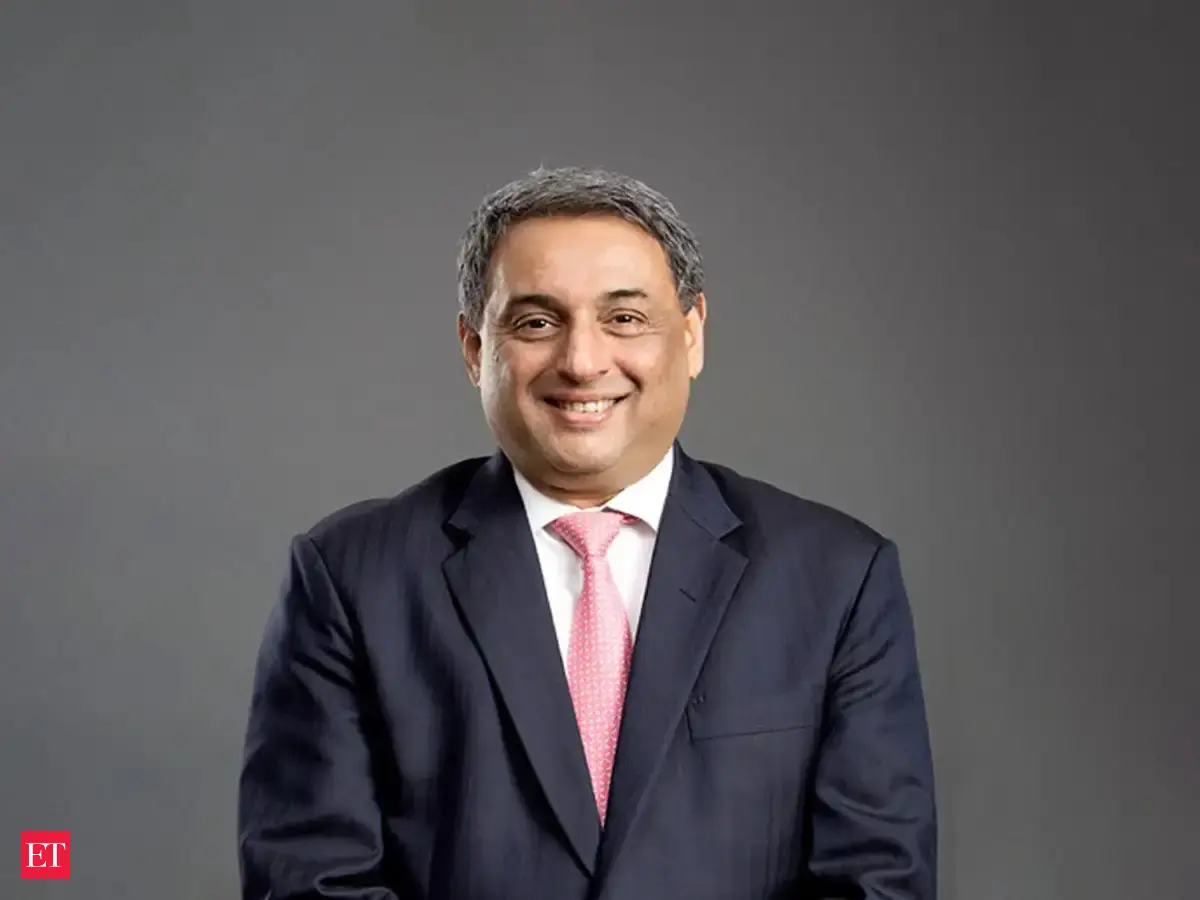
Tata Steel is planning to increase its steelmaking capacity in India to 50 million tonnes by exploring new projects. The company aims to establish a 15 million tonne greenfield plant in Maharashtra to facilitate growth. Investment plans include spending approximately Rs 18,000-20,000 crore this year, predominantly in India. View More
Jamshedpur: Tata Steel is targeting an ambitious expansion of its annual steelmaking capacity in India to 50 million tonnes over the next decade and is exploring the possibility of setting up a 15 MT greenfield plant in Maharashtra, as it seeks to capitalise on the country's growing steel demand, Managing Director and CEO T V Narendran said. The company, which currently has an annual capacity of around 27 million tonnes, believes its existing manufacturing facilities can support expansion to 50 million tonnes, while Maharashtra could emerge as a major growth destination beyond its ongoing projects. "We have a roadmap for 40 MT. We also know that the existing facilities can go up to 50 MT, so that is clear. The path is available. It is up to us how fast we can move," Narendran said in an interview. "We are constantly looking five years, 10 years ahead. How do we create a pathway so that we can grow fast? It is not that we are going to move from 27 MT to 60 or 70 MT overnight," he said. The expansion plans underline India's growing importance for the Tata Group steel major, with the country's contribution to its revenues rising significantly over the past 15 years. Live Events "Fifteen years back, India was 30 per cent of our revenues. Today, it is 70 per cent," Narendran said. The company will continue to allocate the bulk of its annual capital expenditure towards India, which has emerged as its principal growth market at a time when steel consumption in Europe remains largely stagnant. Tata Steel plans to spend around Rs 18,000-20,000 crore on capital expenditure this year, of which approximately 75 per cent will be invested in the country. "Most of the capital that we spend every year on growth will continue to be allocated to India," Narendran said. Maharashtra could become the next major destination for the company's expansion once discussions with the state government are concluded and the necessary land is secured, he said. The state government has been encouraging steel companies to set up manufacturing facilities, with Gadchiroli emerging as a potential location for a large-scale project. However, Tata Steel is not dependent on a single greenfield location to achieve its capacity expansion targets, Narendran said, adding that its existing facilities at Jamshedpur, Kalinganagar, Meramandali and Neelachal Ispat Nigam offer several avenues for growth. Narendran said the company now had greater flexibility to grow through different production technologies and manufacturing locations, unlike the earlier period when its expansion options were more limited. "We have built plants based on different process routes. The important thing is that we now have optionality," he said. Tata Steel is also evaluating different steelmaking technologies, including electric arc furnaces and recycling-based production, to support its future expansion. However, Narendran cautioned that moving from 27 million tonnes to 50 million tonnes or beyond would require substantial capital and careful sequencing. A greenfield steel plant with a capacity of around 5 million tonnes typically takes three to four years to build. The company spends around Rs 15,000-16,000 crore annually on capital expenditure in India and will need to maintain strong profitability, cash flows and balance-sheet strength to sustain its expansion plans, he said. Alongside capacity expansion, Tata Steel is seeking to increase the proportion of higher-value products in its portfolio, reducing its dependence on the economics of commodity steel. Narendran said the company was focusing on products that require specialised manufacturing capabilities, customer approvals and technological differentiation. "Anyone can make steel, but not everyone can make very high-end steel," he said. The strategy includes expanding its downstream presence in pipes, wires and tinplate, while strengthening its business with automotive, oil and gas, infrastructure and consumer markets. Tata Steel is the world's largest tinplate packaging producer and among the largest players in the pipes segment. In India's automotive steel market , the company has more than 50 per cent market share and is also increasing supplies to the oil and gas industry, Narendran asserted. Its consumer-facing Tata Tiscon brand has revenues of around Rs 15,000 crore, making it one of the country's largest such brands, Narendran said. The company has also built a strong business-to-consumer franchise and expanded its engagement with small and medium enterprises. The objective, he said, was to improve realisations through better products and closer customer relationships while simultaneously reducing operating costs. "In a volatile industry like ours, it is very important to be the last person standing," he said. "Tata Steel believes cost competitiveness is essential to remain profitable even when international steel prices decline," Narendran said, adding that the company was well positioned on this front in India, although structural cost disadvantages continued to affect its European operations. Narendran said hydrogen-based steelmaking also remained a longer-term proposition, with hydrogen needing to become available at around USD 2 per kg to make the economics attractive. While the government is discussing ways to promote green steel, Indian customers are not yet consistently willing to pay the required premium. The company will therefore continue to improve the carbon efficiency of existing plants while gradually adopting alternative technologies as the business case develops. Narendran said Tata Steel was not currently pursuing major inorganic expansion opportunities, although it would consider acquisitions that offer attractive opportunities in value-added products. For the company, the immediate priority remains building capacity, improving product mix and strengthening its financial ability to capture India's long-term steel demand growth. The larger ambition is to build a manufacturing footprint that can support Tata Steel's growth over the next 15-20 years, he emphasised. .Pbanner{display:flex;justify-content:space-between;align-items:center;background-color:#ec1c40;margin-top:20px;padding:5px 10px;border-radius:4px;color:#fff;line-height:10px;width: 100%;box-sizing: border-box} .Pbannertext{display:flex;align-items:center;font-size:16px;font-weight:600;font-family:'Montserrat';} .Pbannertext img{height:20px;margin:0 6px} .Pbannerbutton a{display:flex;align-items:center;background-color:#fff;color:#ec1c40;text-decoration:none;font-weight:600;padding:4px 8px;border-radius:6px;font-size:15px;font-family:'Montserrat';} .Pbannerbutton img{height:20px;margin-right:6px} .Pbannerbutton a:hover{background-color:#f7f7f7} Add as a Reliable and Trusted News Source Add Now! (You can now subscribe to our Economic Times WhatsApp channel) (You can now subscribe to our Economic Times WhatsApp channel)

The duties, which will also apply to imports from Japan, Taiwan, Türkiye and Vietnam, come into effect today View More