
Latest Sectors News
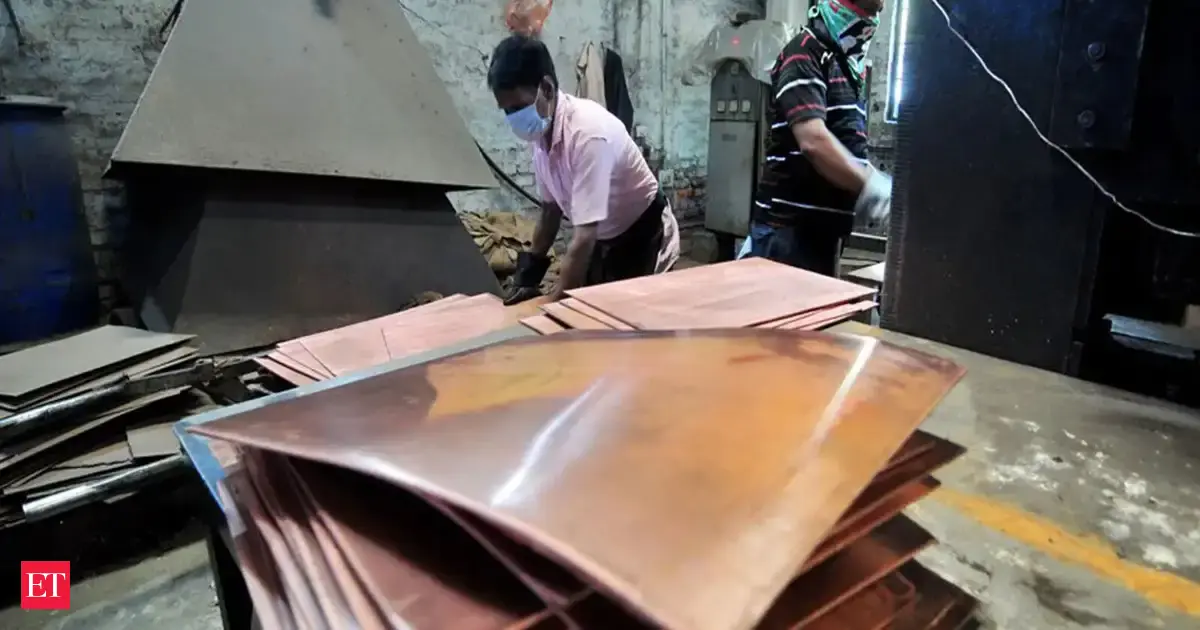
Domestic steel prices are expected to remain firm this September. Post-monsoon construction activity is gradually recovering, supporting demand. Maintenance-related supply constraints will further support rebar prices. Rebar prices are predicted to outpace hot rolled coil price increases. Steel consumption remained supportive with finished steel consumption rising. View More
New Delhi: Domestic steel prices are expected to remain firm in September as post-monsoon construction activity gradually recovers, while maintenance-related supply constraints are likely to provide additional support to rebar prices , according to a research report by SBICAP Securities . The brokerage expects rebar prices to outpace HRC (hot rolled coil) price increases in September, leading to a further narrowing of the HRC-BF (Blast Furnace) rebar spread as supply constraints persist and domestic demand improves gradually. It said the trajectory of domestic steel prices will primarily depend on the pace of post-monsoon demand recovery and the gap between steel exports and imports . Also read: Tata Steel seeks fresh UK government funding as Port Talbot EAF project faces delays: Report The outlook comes after a sharp recovery in domestic rebar prices in August. The average BF-route rebar price rose 8.6 per cent month-on-month to Rs 53,294 per tonne, snapping a three-month losing streak. The increase followed planned maintenance by several integrated steelmakers, which constrained supply, while expectations of improving construction activity supported demand. As a result, the HRC-BF rebar spread narrowed to around Rs 5,280 per tonne in August from a 42-month high of about Rs 8,800 per tonne in July. Meanwhile, the average Mumbai HRC price rose 1.2 per cent month-on-month to Rs 58,575 per tonne in August. HRC prices subsequently climbed to a four-year high of Rs 62,000 per tonne on September 1. Live Events India's steel consumption also remained supportive, with finished steel consumption rising 6.5 per cent year-on-year and 1 per cent month-on-month to 14.4 million tonnes in July, according to Joint Plant Committee data cited in the report. Finished steel production increased 1.4 per cent year-on-year to 13.7 million tonnes, while crude steel output rose 1.2 per cent to 14.3 million tonnes. Steel exports rose 44.1 per cent year-on-year to 0.7 million tonnes in July, while imports increased 9.5 per cent to 0.7 million tonnes, leaving India a marginal net importer. The report noted that domestic producers benefited from trade restrictions on Chinese steel in select export markets, although HRC imports remained elevated due to previously booked cargoes. In non-ferrous metals , the report said prices remained supported by tight supplies and lower inventories. August LME aluminium, copper and zinc prices rose 2.9 per cent, 5.8 per cent and 7.7 per cent month-on-month, respectively, while inventories of these metals declined. .Pbanner{display:flex;justify-content:space-between;align-items:center;background-color:#ec1c40;margin-top:20px;padding:5px 10px;border-radius:4px;color:#fff;line-height:10px;width: 100%;box-sizing: border-box} .Pbannertext{display:flex;align-items:center;font-size:16px;font-weight:600;font-family:'Montserrat';} .Pbannertext img{height:20px;margin:0 6px} .Pbannerbutton a{display:flex;align-items:center;background-color:#fff;color:#ec1c40;text-decoration:none;font-weight:600;padding:4px 8px;border-radius:6px;font-size:15px;font-family:'Montserrat';} .Pbannerbutton img{height:20px;margin-right:6px} .Pbannerbutton a:hover{background-color:#f7f7f7} Add as a Reliable and Trusted News Source Add Now! (You can now subscribe to our Economic Times WhatsApp channel) (You can now subscribe to our Economic Times WhatsApp channel)

Tariffs, fuel prices and interest rates are squeezing American companies, particularly manufacturers, auto suppliers, retailers and transportation businesses. View More
In this articleEMNFollow your favorite stocksCREATE FREE ACCOUNT Jim Nielsen puts the finishing touches on a radial arm saw at Original Saw Co. in Britt, Iowa.Photo: Jennifer EdenFewer, pricier flights. Freight surcharges. Manufacturers hoarding inventory. Even bankruptcy.For American companies large and small, the combination of tariffs imposed under President Donald Trump's trade policies, surging fuel prices from the Iran war and, now, rising interest rates is forcing executives to make tough choices.Allen Eden has been holding onto extra inventory for his 25-person business, the Original Saw Co. in Britt, Iowa, which makes industrial power saws for wood and metalwork, as he grapples with spiking prices for aluminum, steel and essential parts.One example: A "little bracket" used for his saw motors more than doubled in price this summer, surging to $87 from $42, he said."It's awful," Eden, 56, told CNBC. "[I'm] just trying to keep more of the stuff around because I don't know if we can get it down the road."It's a three-way squeeze for businesses across manufacturing, transportation and retail: Tariffs are making raw materials and goods more expensive. Higher fuel prices are pushing up the cost of making and moving them. And rising rates are making it more expensive to finance the inventory and equipment businesses need to keep running. While few sectors are completely insulated from these pressures, middle-market manufacturers are caught in a particularly tight vise. Rising steel and fuel costs are forcing them to pass at least some of those expenses on through higher prices, helping feed the stubborn inflation of the past few years.But to wrangle inflation, the Federal Reserve raised interest rates for the first time in three years and signaled another hike is possible this year. That makes it more expensive for businesses to finance inventory and borrow for growth at the same time that higher input costs and record prices for diesel, which is used for trucking, squeeze margins.Allen Eden, owner and president of Original Saw Co. in Britt, Iowa.Photo: Sidney Borrill-Patch | Original Saw CompanyPrice increases for Eden's saws, sold both to megaretailers like Home Depot and directly to small- and medium-sized manufacturers, look inevitable, the business owner said.The pain isn't being evenly distributed. Smaller companies typically rely on shorter-term lending, meaning Fed hikes pass more directly into their costs, JPMorgan Chase global strategy head Dubravko Lakos-Bujas said in a Sept. 14 note.But regardless of size, capital-intensive sectors like manufacturing and equipment suppliers, logistics firms including trucking fleets, and commercial real estate also suffer more in a rising-rate environment, according to Lakos-Bujas."The combination of higher rates and higher fuel prices means that sectors with heavy exposure to both are first in the line of fire," said Gregory Daco, chief economist at EY-Parthenon, the global consulting arm of Ernst & Young."Any type of manufacturing is going to be disproportionately exposed to higher fuel prices," he said. Rising fuel and commodity costs have strained both material makers and the retailers they serve.Mark Costa, CEO of industrial giant Eastman Chemical, said in May that the one-two punch of interest rates and inflation was forcing his industry into a corner. Eastman makes the plastics, additives, and other materials used in products as diverse as medical devices, animal feed, and car windshields. "Everyone had their back against the wall and had no room to absorb these increases," Costa said. "Everyone is very quickly raising prices faster than I've ever seen in 20 years."On the retail side, unexpected pressure from energy and raw materials costs will "fully offset" the benefit of $730 million in tariff refunds, Home Depot CFO Richard McPhail said last month."There's just so much uncertainty right now. ⦠You think inflation, interest rates, fuel prices," McPhail said last week at a conference.Supply chain holesAmong those hardest hit are manufacturers in the domestic automobile supply chain. Lucerne International, a privately held auto parts maker based in suburban Detroit, stopped manufacturing operations in the U.S. and canceled plans last year for a $50 million aluminum forging plant in Michigan."The onset of the Trump tariffs 2.0 has just really torn holes in our global supply chains and increased costs significantly," Lucerne CEO Mary Buchzeiger said, citing higher costs for raw materials, including aluminum, as well as finished parts.Buchzeiger, whose firm still manufactures overseas, said she has shifted U.S. operations to warehousing, distribution, and tariff-mitigation solutions for other companies, which offer "much better margins.""There's no doubt that there's margin pressure for suppliers," Paul McCarthy, CEO of vehicle supplier trade association MEMA, said. "Some of it, we try to absorb ⦠and then some of it does have to be passed on."Growth, as measured by earnings before interest and taxes for the top 100 auto suppliers, fell last year to 4.2%, down from more than 6% in 2021, according to consulting firm Berylls by AlixPartners. Among the top 10 automakers, that figure is 5.2%, down from nearly 8% in 2022.Not all auto companies have managed the additional costs. Spanish auto parts maker Grupo Antolin, which supplies components to automakers including Ford, GM, Volkswagen and Stellantis, filed for Chapter 15 bankruptcy protection in the U.S. in July. The company cited tariffs, higher raw-material and energy costs, and supply-chain disruptions as reasons for its restructuring. Divide in corporate AmericaBetter off are the giants of the corporate world, like the tech and finance companies that fill the S&P 500. These firms typically have more cash reserves and take out long-term debt, insulating them somewhat from the sting of higher rates.Most larger companies can thrive until borrowing costs rise much further. The pain would hit when the yield on the 10-year Treasury bond reaches 6%, up from around 5% now, according to JPMorgan's Lakos-Bujas, who cited 80 years of data.Borrowing costs are expected to stay higher for longer. Persistent inflation, which forced Warsh to raise the benchmark Fed rate against Trump's wishes, along with heavy borrowing from the U.S. government, is keeping upward pressure on rates.Across corporate America, companies are grappling with these shocks in different ways. The divide comes down to one question: Who has pricing power?Some industries have learned they can readily pass higher costs on to consumers, while others are caught in a catch-22: If they raise prices too much, they risk destroying demand.Federal Reserve Chair Kevin Warsh speaks during a news conference at Federal Reserve headquarters in Washington, Sept. 16, 2026. Warsh discussed the central bank's decision to raise interest rates for the first time since 2023 at a press conference following its latest policy meeting.China News Service | China News Service | Getty ImagesAirline executives last week boasted of higher fares as customers keep booking trips, especially abroad, allowing them to pass increased fuel costs on to travelers. Airlines scaled back growth plans, cutting less profitable flights even after the collapse of Spirit Airlines this year.Fewer flights can mean pricier airline tickets, and fares were up more than 23% in August from last year, according to the latest inflation read. Yet even strong demand has its limits. "The consumer has been incredibly, incredibly resilient," United Chief Financial Officer Mike Leskinen said Wednesday during a Morgan Stanley conference in Laguna Beach, California."But there's some marginal routes that don't make sense in a higher fuel environment. So we cut them," Leskinen said. "You should see us continue to ... behave that way."Much of corporate America remains resilient despite higher fuel and financing costs. Profit margins for major companies hover near historic highs, propelled by strong productivity gains, labor costs that have stayed in check and surging artificial intelligence investment that is driving growth.But a risk of Warsh's efforts is that higher rates don't directly address the root causes of inflation: the Iran war, the Trump administration's tariffs, and the AI boom, which has driven up the prices for everything required to build and run data centers, from electricity to memory chips, copper, and land.Raising rates to tap the brakes on the U.S. economy could slow it down too much, or send stocks into a tailspin, said EY-Parthenon's Daco."The economy is resilient, but it's exposed to growing pockets of risk," he said. "A shock could materialize faster than we all think." Choose CNBC as your preferred source on Google and never miss a moment from the most trusted name in business news.
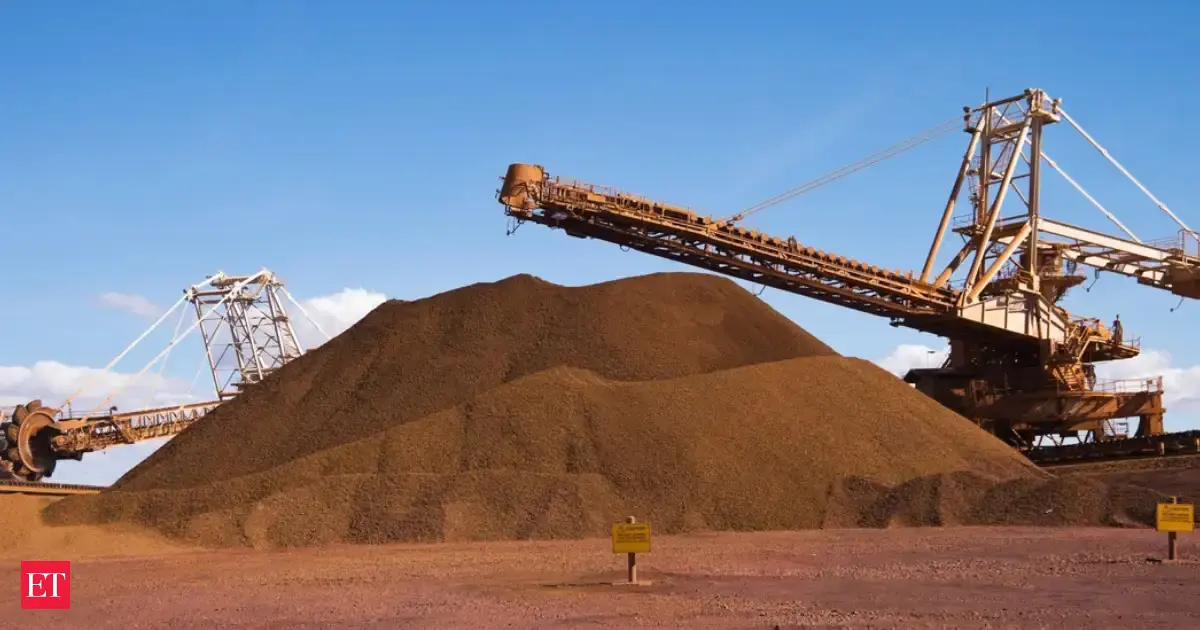
NMDC targets sixty million tonnes iron ore production this fiscal year. The company plans to reach one hundred million tonnes by twenty thirty-one. Environmental clearances are being sought for new iron ore deposits. Commercial thermal coal production will begin in the October-December period. NMDC aims for twenty percent revenue from other minerals by twenty thirty. View More
New Delhi: NMDC is working on strategies to achieve the 60 MT iron ore production mark this fiscal to meet growing demand from domestic steelmakers for the key raw material, its Chairman Amitava Mukherjee said. Aligned with the National Steel Policy 2017 , which targets an installed domestic steelmaking capacity of 300 MT by 2030-31, NMDC, India's largest iron ore producer , aims to scale its output to 100 MT during the period. "Having crossed the 50 MT milestone in FY2026. NMDC is now aggressively executing a production ramp-up plan to reach 60 MTPA from existing iron ore mines, complemented by NMDC-CMDC Limited (NCL) joint venture assets this fiscal, which would be a rise of around 20 per cent year-on-year," the top company official said in an interaction. Read more: Tata Steel seeks fresh UK government funding as Port Talbot EAF project faces delays: Report Mukherjee shared that the company has already applied for environmental clearances (ECs) for some deposits with the Union Ministry of Environment, Forest and Climate Change. Live Events On a question related to the 100 MT production goal, Mukherjee said, "We are progressing well. We are on track, and will definitely achieve it". Mine-related infrastructure is being built at some places, while at some deposits they are already operational. For enhancing the capacity of existing mines, bids have been invited from interested parties to develop the infrastructure, including setting up belt conveying systems and crushers and breakers, among others. Read more: India protects over 80% of steel exports to EU as 1.9 MT country quota is secured; residual access could push total to 2.8 MT NMDC operates four major highly mechanised iron ore mining complexes in India spread across Chhattisgarh (Bailadila sector) and Karnataka (Donimalai sector). Under the Ministry of Steel, Hyderabad-based NMDC alone caters to the country's 20 per cent need of iron ore. In FY26, NMDC reported a 33 per cent rise in total revenues to an all-time high of Rs 31,554 crore from Rs 23,668 crore in FY25. The company has taken multiple steps to diversify its offerings as it aims to earn the tag of becoming India's largest mineral mining company. NMDC will start the commercial production of thermal coal in the October-December period and looks to sell around 1 MT of the dry fuel within FY27. The company will also start developing a coking coal mine within FY27 to begin production as early as FY28. The chairman did not share any further information related to diversification plans, but said that by 2030, his goal is to earn at least 20 per cent of revenues from the sale of minerals other than iron ore. .Pbanner{display:flex;justify-content:space-between;align-items:center;background-color:#ec1c40;margin-top:20px;padding:5px 10px;border-radius:4px;color:#fff;line-height:10px;width: 100%;box-sizing: border-box} .Pbannertext{display:flex;align-items:center;font-size:16px;font-weight:600;font-family:'Montserrat';} .Pbannertext img{height:20px;margin:0 6px} .Pbannerbutton a{display:flex;align-items:center;background-color:#fff;color:#ec1c40;text-decoration:none;font-weight:600;padding:4px 8px;border-radius:6px;font-size:15px;font-family:'Montserrat';} .Pbannerbutton img{height:20px;margin-right:6px} .Pbannerbutton a:hover{background-color:#f7f7f7} Add as a Reliable and Trusted News Source Add Now! (You can now subscribe to our Economic Times WhatsApp channel) (You can now subscribe to our Economic Times WhatsApp channel)

We look at the prospects of Bharat Forge, Hatsun Agro Products, NRB Bearings and Sandur Manganese & Iron Ores View More
Tata Steel has requested additional UK government funding for its Port Talbot plant. Delays in the plant's transformation are increasing project costs significantly. This request follows a substantial £500 million grant awarded last year. The electric arc furnace commissioning date has been pushed back. Britain's steel industry faces ongoing pressure from these developments. View More
Tata Steel has approached the UK government for a fresh multimillion-pound funding package as delays to the transformation of its Port Talbot steel plant threaten to push up project costs and deepen pressure on Britain's crisis-hit steel industry, Sky News reported. The company approached the Department for Business, Innovation, Science and Technology (DBIST) in recent weeks to discuss additional government support, according to the report. Also Read: Tata Steel UK expects electricity access for EAF project by 2029: CEO Narendran The request comes on top of a £500 million government grant awarded to Tata Steel in 2023 as part of a £1.25 billion investment to build an electric arc furnace (EAF) at Port Talbot, one of Britain's largest and most important steelmaking sites. The new furnace was originally expected to become operational by early 2028, within three years of construction beginning. However, delays to the site's grid connection have pushed the expected commissioning date to late 2028 or early 2029. Live Events Tata Steel is understood to have calculated that the delay, combined with rising project costs and sales foregone while the new furnace remains unavailable, could significantly increase the overall cost of the transformation. The precise amount of additional funding sought from the UK government was unclear, although industry sources cited by Sky News said the request was likely to run into hundreds of millions of pounds. Business Secretary Jonathan Reynolds has been briefed on the company's approach, the sources said. The Port Talbot project was designed to preserve steelmaking in Britain and around 5,000 jobs across the UK. However, about 2,500 positions have already been lost as part of the transition. The plant's final blast furnace was shut down in 2024, marking the end of traditional blast-furnace steelmaking at the site. Also Read: Tata Steel says UK plant's low-emission project facing delays in securing electricity access Tata Steel has for years warned about the viability of its UK operations, with the future of Port Talbot repeatedly coming under pressure. The company has also faced growing competition from cheaper imported steel. One of its senior executives warned late last year that Britain had become "an unfairly priced dumping ground for cheap imports". Earlier this year, Tata Steel was reported to be considering mothballing its UK steel mills as losses increased. Union leaders have also raised concerns over competitive pressures on Tata Steel's UK operations. In particular, they have pointed to larger-than-expected quotas for Indian steel imports under the UK-India free trade agreement signed earlier this year. Imports from Vietnam and South Korea have also added to pricing pressure on galvanised steel produced by Tata Steel. The company has positioned its £1.25 billion Port Talbot investment as a way to preserve large-scale steel production in Britain while shifting towards lower-emission production. When the public-private funding package was formally confirmed in 2023, Tata Steel chief executive T V Narendran said: "With the UK government's critical support, this complex and ambitious transformation of Port Talbot has the potential to make the plant one of Europe's premier centres for green steelmaking. "We now look forward to the efficient and speedy execution of the EAF project. "We will also continue our work with the Transition Board and the UK and Welsh governments to enable this project to be a catalyst for economic regeneration and job creation in South Wales." Any additional public funding for Tata Steel is likely to renew scrutiny of the UK government's approach to the country's steel industry and wider industrial policy. The company is part of Tata Group, which also owns Jaguar Land Rover. JLR announced earlier this month that it would cut 4,000 jobs as part of a restructuring programme aimed at saving £1.7 billion. The latest development comes as Britain's steel industry faces broader financial and operational challenges. British Steel, the country's second-largest steelmaker, was nationalised by the government during the summer after its previous Chinese owner, Jingye Group, threatened to close its blast furnaces at Scunthorpe. The government has since faced criticism from MPs over the absence of what they described as a "credible plan" for the company's long-term financial sustainability. British Steel is costing taxpayers around £1.3 million a day to keep afloat. Reynolds has also said he would work towards the public acquisition of Speciality Steel UK, just over a year after the country's third-largest producer entered insolvency proceedings. .Pbanner{display:flex;justify-content:space-between;align-items:center;background-color:#ec1c40;margin-top:20px;padding:5px 10px;border-radius:4px;color:#fff;line-height:10px;width: 100%;box-sizing: border-box} .Pbannertext{display:flex;align-items:center;font-size:16px;font-weight:600;font-family:'Montserrat';} .Pbannertext img{height:20px;margin:0 6px} .Pbannerbutton a{display:flex;align-items:center;background-color:#fff;color:#ec1c40;text-decoration:none;font-weight:600;padding:4px 8px;border-radius:6px;font-size:15px;font-family:'Montserrat';} .Pbannerbutton img{height:20px;margin-right:6px} .Pbannerbutton a:hover{background-color:#f7f7f7} Add as a Reliable and Trusted News Source Add Now! (You can now subscribe to our Economic Times WhatsApp channel) (You can now subscribe to our Economic Times WhatsApp channel)

The move will benefit Thyssenkrupp's steel unit TKMS and Poland's Stalprodukt SA, among the last European ?producers of electrical steel View More

Benchmark stock indices showed mixed results; Sensex dipped 0.03% while Nifty gained 0.33%. Crude oil prices fell, impacting markets. Analysts expect recovery hinges on easing global risks. Recommended stocks include HDFC Bank, Adani Ports, and JSW Steel for bullish trading strategies. View More
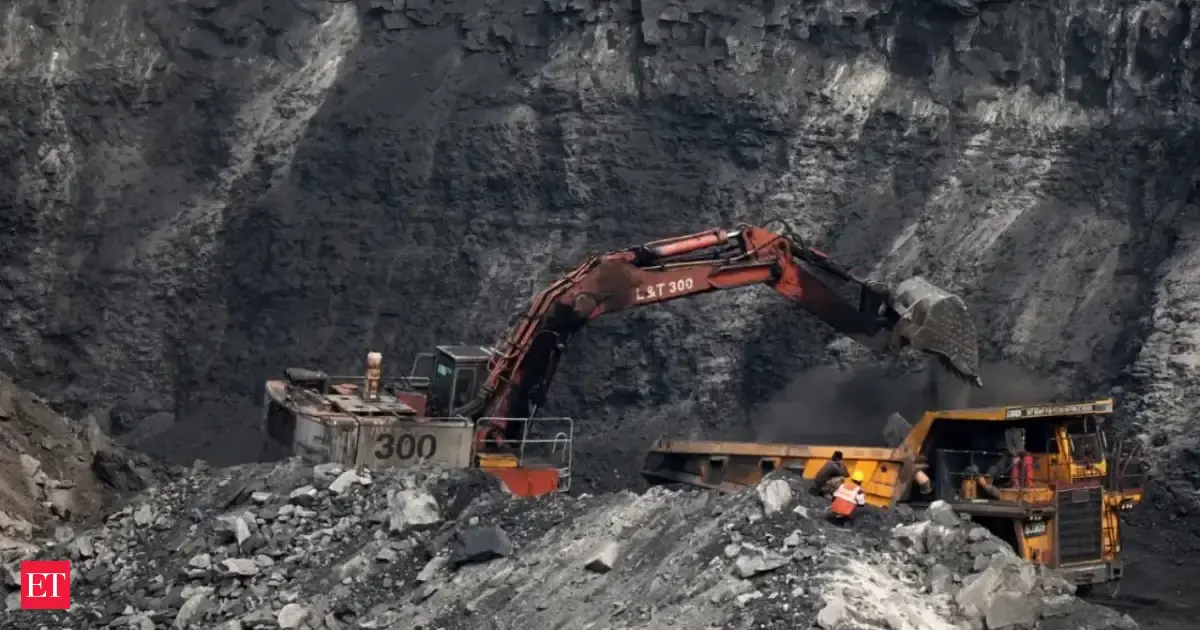
NMDC plans net zero operational emissions by 2047, focusing on scope-one and scope-two emissions. Key strategies include energy efficiency and renewable energy integration for decarbonisation. The company will progressively implement measures across three distinct phases until 2047. NMDC aims for a minimum ninety percent reduction in operational emissions through its pathway. Remaining emissions will be addressed through offsetting measures as the roadmap progresses. View More
NMDC Ltd plans to achieve net zero operational emissions by 2047, covering emissions arising from direct fuel consumption and electricity consumption, respectively. The state-run iron ore producer will focus on scope-1 and scope-2 emissions which means emissions a company directly produces from its own operations and those generated indirectly from the electricity a company buys and uses. Under its roadmap, the company has identified key strategies such as energy efficiency, renewable energy integration , electrification of its fleet, adoption of low-carbon fuels, carbon capture, utilisation and storage and demand-side management, it said in a statement on Friday. The net zero plan will be in three phases - FY26 to FY30, followed by a medium-term phase from starting FY31 to FY40, while the long-term phase will run till FY47. The company has set an overall target of a minimum 90% reduction in operational emissions as part of its Net Zero pathway, with the remaining emissions to be addressed through offsetting measures as the roadmap progresses. Live Events NMDC has already undertaken initiatives to increase the share of renewable energy and cut dependence on conventional energy sources. These include a 10.5 MW wind energy facility at Chitradurga and solar power installations across projects. The company’s logistics infrastructure is also expected to contribute to its decarbonisation efforts. The upcoming slurry pipeline project is expected to provide a greener downstream transportation solution by reducing dependence on conventional transportation and associated warehousing requirements. Further, NMDC plans to increase the movement of iron ore through rail freight, supported by the doubling of railway lines and other supply infrastructure being developed around its operations. Greater use of rail transportation is expected to help reduce the carbon intensity associated with the movement of minerals. The company plans to progressively implement the identified measures across these three phases, with energy efficiency, renewable energy adoption and electrification expected to form key components of the initial transition, followed by deeper decarbonisation measures and emerging technologies in the subsequent phases. .Pbanner{display:flex;justify-content:space-between;align-items:center;background-color:#ec1c40;margin-top:20px;padding:5px 10px;border-radius:4px;color:#fff;line-height:10px;width: 100%;box-sizing: border-box} .Pbannertext{display:flex;align-items:center;font-size:16px;font-weight:600;font-family:'Montserrat';} .Pbannertext img{height:20px;margin:0 6px} .Pbannerbutton a{display:flex;align-items:center;background-color:#fff;color:#ec1c40;text-decoration:none;font-weight:600;padding:4px 8px;border-radius:6px;font-size:15px;font-family:'Montserrat';} .Pbannerbutton img{height:20px;margin-right:6px} .Pbannerbutton a:hover{background-color:#f7f7f7} Add as a Reliable and Trusted News Source Add Now! (You can now subscribe to our Economic Times WhatsApp channel) (You can now subscribe to our Economic Times WhatsApp channel)

Tata Group companies experienced a significant market cap drop of ?46,600 crore amid a mounting governance crisis and investor uncertainty. The turmoil followed a board decision to extend Chairman Natarajan Chandrasekaran's tenure and potential public listing plans. View More
