
Latest Sectors News
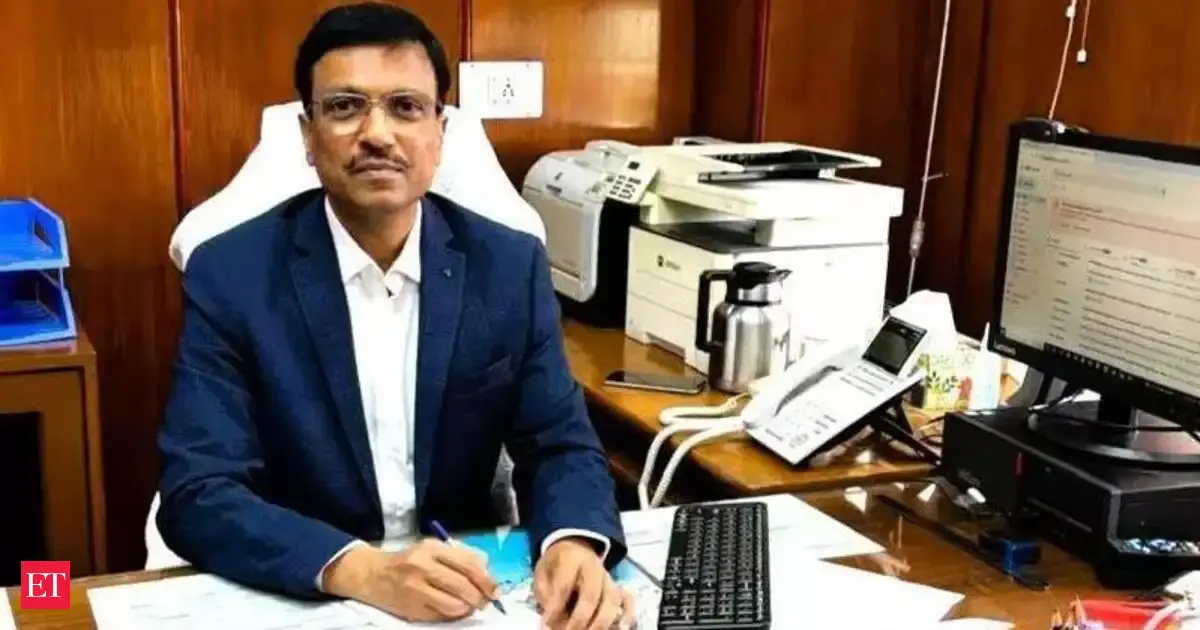
Ashok Kumar Panda, currently Director (Finance) at Steel Authority of India Limited, has been recommended for the Chairman and Managing Director post. Panda brings three decades of experience to the role. He previously held additional charge of Director (Commercial). His achievements include reducing borrowings by Rs 20,000 crore and implementing cost reduction initiatives. View More
The Public Enterprises Selection Board has recommended Ashok Kumar Panda , the current Director (Finance) of Steel Authority of India Limited (SAIL) to the post of Chairman and Managing Director (CMD). Panda also held the additional charge of Director (Commercial) at the public sector undertaking before T N Natarajan joined at the post. Panda has three decades experience in different plants and units of SAIL. He started his career with SAIL as a Management Trainee after completing his B.E. in Electrical Engineering. He holds a specialisation in Finance from XIM, Bhubaneshwar, and later acquired Ph.D. in Business Finance . Also Read: SAIL Q3 profit at Rs 374 crore on higher volumes, leverage He is credited with reduction of borrowings by Rs 20,000 crore through deleveraging efforts. The Cost Reduction initiatives include identification of shop-wise technical levers and implementing action plans to resolve inefficiencies towards improving bottom line. Panda also played a key role in determining the fair price of rails supplied to Indian Railways , SAIL said, noting he was instrumental in revising the Fixed Asset Sales Accounting Policy in the public sector undertaking which contributed towards improvement in the bottom line. .Pbanner{display:flex;justify-content:space-between;align-items:center;background-color:#ec1c40;margin-top:20px;padding:5px 10px;border-radius:4px;color:#fff;line-height:10px;} .Pbannertext{display:flex;align-items:center;font-size:16px;font-weight:600;font-family:'Montserrat';} .Pbannertext img{height:20px;margin:0 6px} .Pbannerbutton a{display:flex;align-items:center;background-color:#fff;color:#ec1c40;text-decoration:none;font-weight:600;padding:4px 8px;border-radius:6px;font-size:15px;font-family:'Montserrat';} .Pbannerbutton img{height:20px;margin-right:6px} .Pbannerbutton a:hover{background-color:#f7f7f7} Add as a Reliable and Trusted News Source Add Now! (You can now subscribe to our Economic Times WhatsApp channel) (You can now subscribe to our Economic Times WhatsApp channel)
India's digital revolution hinges on a robust data center infrastructure, demanding a focus beyond software to the physical realities of concrete, steel, and skilled labour. View More
India being in the middle of a massive digital revolution is currently the most popular headline in the world of technology. The artificial intelligence (AI) explosion and the adoption of cloud services are growing rapidly, and as a result, our digital footprint is seeing a record growth. Currently, our data centre (DC)’s capacity is around 1.5 GW, but we are looking at a mega leap, potentially reaching 9 GW or more by 2030. What is working in the background of this concept of “cloud” is the physical reality of infrastructure that most people do not get to see. Sometime ago, while breaking down the supply chain of a data centre for an engagement, we recognised one important point: Talking about data and software is fashionable; however, we should talk about the concrete, steel, silicon, and sweat that keep the digital world floating. Building this infrastructure is not a matter of buying more servers or land; it requires mastering one of the most complex systems in the modern world—the data centre supply chain . I will now try to summarise what it really takes to build and secure the foundation of India’s digital future. 1. The global scramble for hardware Building a business plan for a new DC requires depth, and we soon realised that our primary competition is going to be global rather than local. Your biggest AI has completely changed the game; we have moved away from standard racks to GPU-heavy, high-density infrastructure. Global semiconductor shortages, coupled with massive demand, have resulted in lead times for these processors that are agonisingly long. Dependency on overseas suppliers leaves us vulnerable to global bottlenecks and fluctuations. This is not allowing us to forecast; hence, we need facilities designed to oversee multiple generations of hardware, and we need to cultivate a multi-vendor ecosystem so that a break in this chain does not bring deployment to a grinding halt. 2. The real fuel: Power and water DCs need water and power in enormous quantities. By 2030, DCs in India could potentially consume over 57 TWh of energy every year. Generating that from our legacy thermal-based grids is a recipe for an environmental disaster. Live Events We need to increase green energy investments 10-fold and unchanging Power Purchase Agreements (PPAs) for renewables along with efficient supply chains for Battery Energy Storage Systems (BESS) to ensure ‘lights-on’ DR when the grid is unstable. Now we deal with the risk of water; legacy cooling systems consume billions of litres of water annually—often in urban areas where water scarcity is already a reality. We must pivot by adopting advanced liquid cooling systems, rear-door heat exchangers, and zero-liquid-discharge systems. This needs to be a fundamental requirement for operating responsibly in India. 3. Building smarter, not just bigger We treat the building, which houses the data centre, as just an empty shell to house the tech, but the architectural design is a critical link in the supply chain. The building needs to be efficient, else the whole operation could potentially bleed money and energy. We need the weaving of spatial optimisation and energy efficiency into the blueprints such that structures can take the load-bearing of denser AI racks at the same time optimise airflow while integrating renewable energy into the building’s façade. This can help us cut down on power wastage. The physical space needs to actively contribute to DCs sustainability, making it ‘net-positive’. 4. Navigating the maze of land Land, a rare commodity that serves as the base for hyperscalers’ growth, is becoming scarce in prime hubs like Mumbai, Chennai, Hyderabad, or Bengaluru, though finding land to build is only half the battle. The other half is all about navigating a labyrinth of clearances—zoning laws, environmental impact assessment-detailed project reports (DPRs), power and water connectivity, and fire safety approvals. This maze of bureaucracy can easily turn a medium-term project into a multi-year headache. India currently needs these approvals to be streamlined if we want to move fast with a single-window clearance system at the national level. Dedicated data centre parks with plug-and-play utilities like an EV park could be a solution; we need to think differently than the rest of the world and keep experimenting till we reach a balance. 5. The human element: Bridging the talent gap The best hardware and the greenest power, entirely useless without the skills (people) which will run it. The AI-ready facilities are incredibly complex beasts and require deep expertise from cloud architecture to advanced thermodynamics. Every time we discuss the future of DCs in India, we end up at a common point: this industry is desperate for fresh, highly skilled talent. Currently, there is a shortage of specialised professionals over the next decade. Leaders of all educational institutions and industries need to team up to build programs and academic tracks tailored to these unique challenges. We need to actively guide the next generation because without them our shiny new infrastructure will not run. The Road ahead Transformation of this scale is akin to a complete overhaul of a nation’s telecom network architecture or driving optimisations at a central bank. This does not happen by accident; this requires detail planning with an understanding of the granular details and a refusal to settle for the status quo. India is at an inflection point, with the aim of becoming a global infrastructure powerhouse. We must look past the flashy headlines about capacity and focus on building the supply chain. By solving the above bottlenecks, we can build a data centre ecosystem that is not just global but also resilient, sustainable, and entirely our own. The author is a Partner at KPMG in India. Views are personal. .Pbanner{display:flex;justify-content:space-between;align-items:center;background-color:#ec1c40;margin-top:20px;padding:5px 10px;border-radius:4px;color:#fff;line-height:10px;} .Pbannertext{display:flex;align-items:center;font-size:16px;font-weight:600;font-family:'Montserrat';} .Pbannertext img{height:20px;margin:0 6px} .Pbannerbutton a{display:flex;align-items:center;background-color:#fff;color:#ec1c40;text-decoration:none;font-weight:600;padding:4px 8px;border-radius:6px;font-size:15px;font-family:'Montserrat';} .Pbannerbutton img{height:20px;margin-right:6px} .Pbannerbutton a:hover{background-color:#f7f7f7} Add as a Reliable and Trusted News Source Add Now!
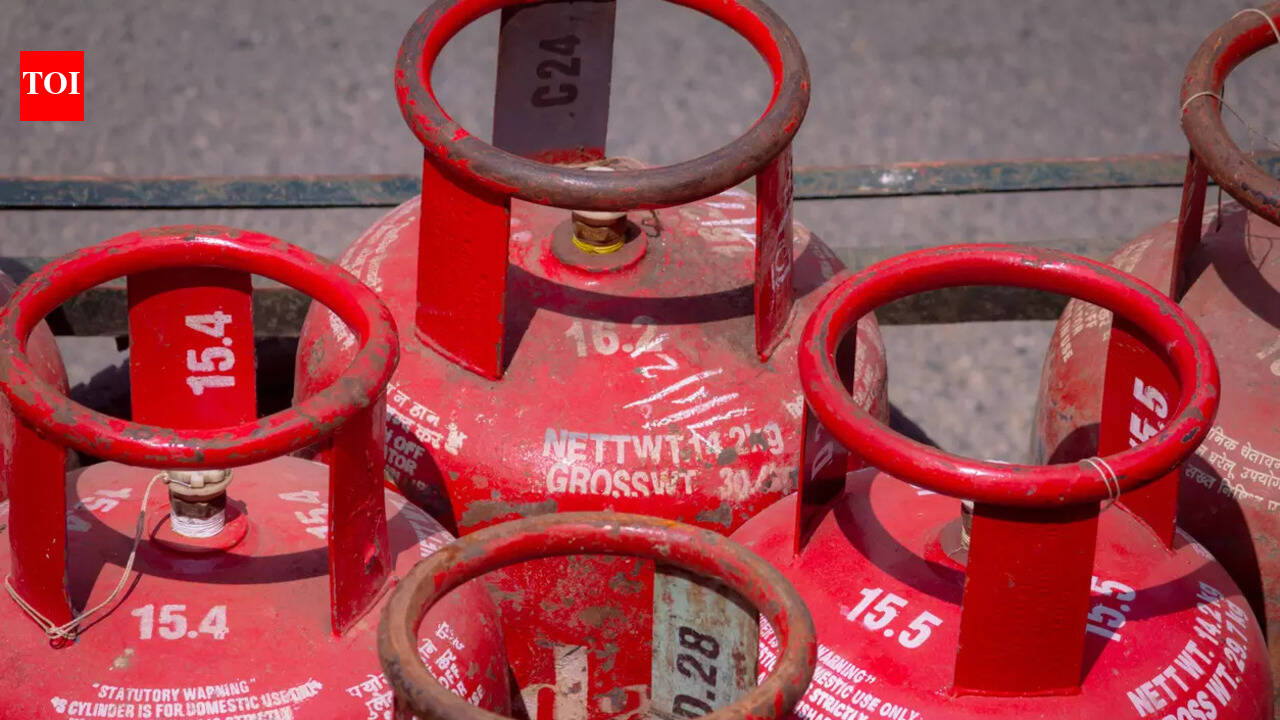
Pankaj Chadha, chairman of engineering exports body EEPC India, said the measure will help steel mills, particularly smaller units, maintain production. “Steel is a key segment of the engineering goods sector, and its shortage could severely impact the production chain. The additional LPG allocation should minimise supply bottlenecks and ensure steady output,” he added. View More
India has removed guardrails for companies from neighboring countries bidding on Bharat Heavy Electricals Limited (BHEL) projects. A five-year relaxation from prior registration requirements has been granted for 21 critical items, allowing Chinese bidders to participate. This exemption covers advanced industrial materials not readily available domestically. View More
India has removed guardrails on companies based in the neighbourhood bidding for Bharat Heavy Electricals Limited (BHEL) projects. A Committee of Secretaries (CoS) has granted a five-year relaxation to BHEL tenders for 21 items from Rule 144(xi) of General Financial Rules , 2017, officials said. Sector watchers say this exemption will allow Chinese bidders to participate in BHEL tenders. “Exempted critical items cover a vast range of advanced industrial materials that are not readily available in the required quantities in the country,” a senior official told ET. These include Cold-Rolled Grain-Oriented (CRGO), and High-quality sulfate insulating Capacitor Paper. The exemption also covers specialised components like generator, along specific grades of alloy and carbon steel seamless pipes, tubes, and steel plates with high thickness. An Air Cooled Condensor is also listed among these critical inputs. BHEL’s order inflow stood around Rs 45,900 crore up to Q3FY26. The public sector undertaking has an outstanding order book of Rs 2.23 lakh crore broadly spread across power, defence, and mobility verticals. This five-year relaxation is from prior registration requirements mandated for bidders from countries sharing a land border with India. Live Events The Union Cabinet approved changes in guidelines on investments from countries sharing land border with India (LBCs) earlier this month. Under amendments to the country’s Foreign Direct Investment (FDI) policy. Investors with non-controlling LBC Beneficial Ownership of up to 10 percent shall be permitted under the automatic route as per the applicable sectoral caps, entry routes, attendant conditions. .Pbanner{display:flex;justify-content:space-between;align-items:center;background-color:#ec1c40;margin-top:20px;padding:5px 10px;border-radius:4px;color:#fff;line-height:10px;} .Pbannertext{display:flex;align-items:center;font-size:16px;font-weight:600;font-family:'Montserrat';} .Pbannertext img{height:20px;margin:0 6px} .Pbannerbutton a{display:flex;align-items:center;background-color:#fff;color:#ec1c40;text-decoration:none;font-weight:600;padding:4px 8px;border-radius:6px;font-size:15px;font-family:'Montserrat';} .Pbannerbutton img{height:20px;margin-right:6px} .Pbannerbutton a:hover{background-color:#f7f7f7} Add as a Reliable and Trusted News Source Add Now! (You can now subscribe to our Economic Times WhatsApp channel) (You can now subscribe to our Economic Times WhatsApp channel)

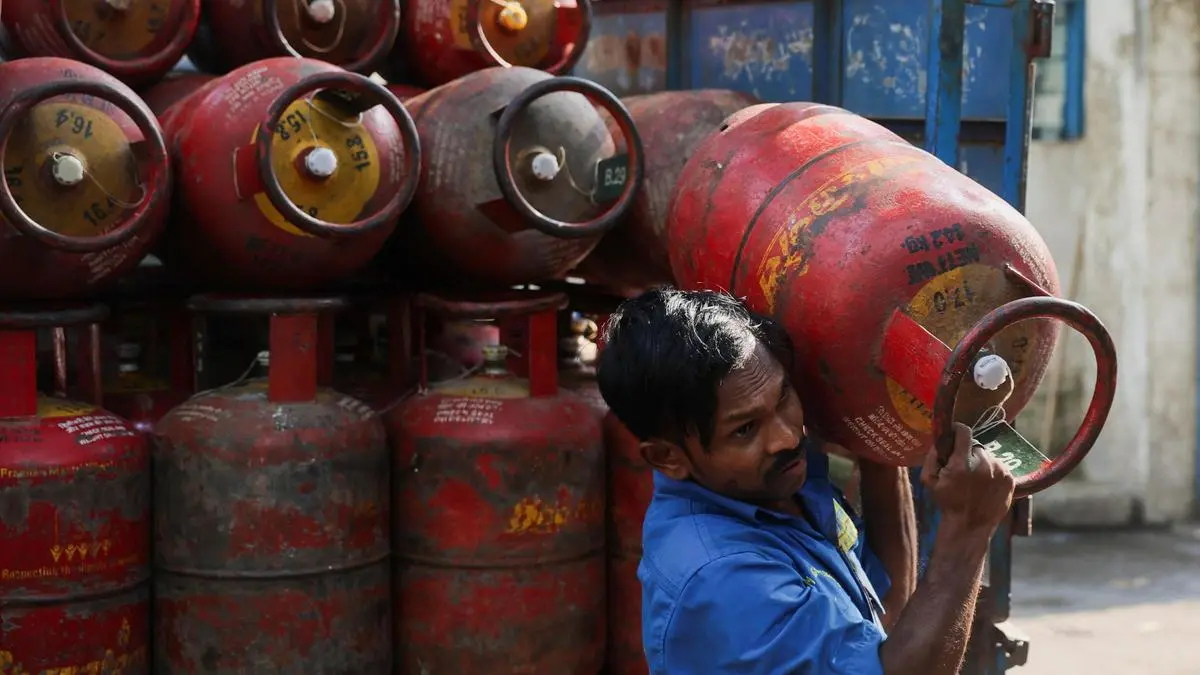
The government has already allotted 40% of the pre-crisis quota to commercial users. Besides, states have been offered additional 10 per cent LPG if they move ahead on certain reforms to promote PNG View More

Despite a 10% drop in the last month, JSW Steel's stock is up 4% in three months and 7.5% in a year. A board meeting is set for May 14, 2026, to discuss financial results. View More
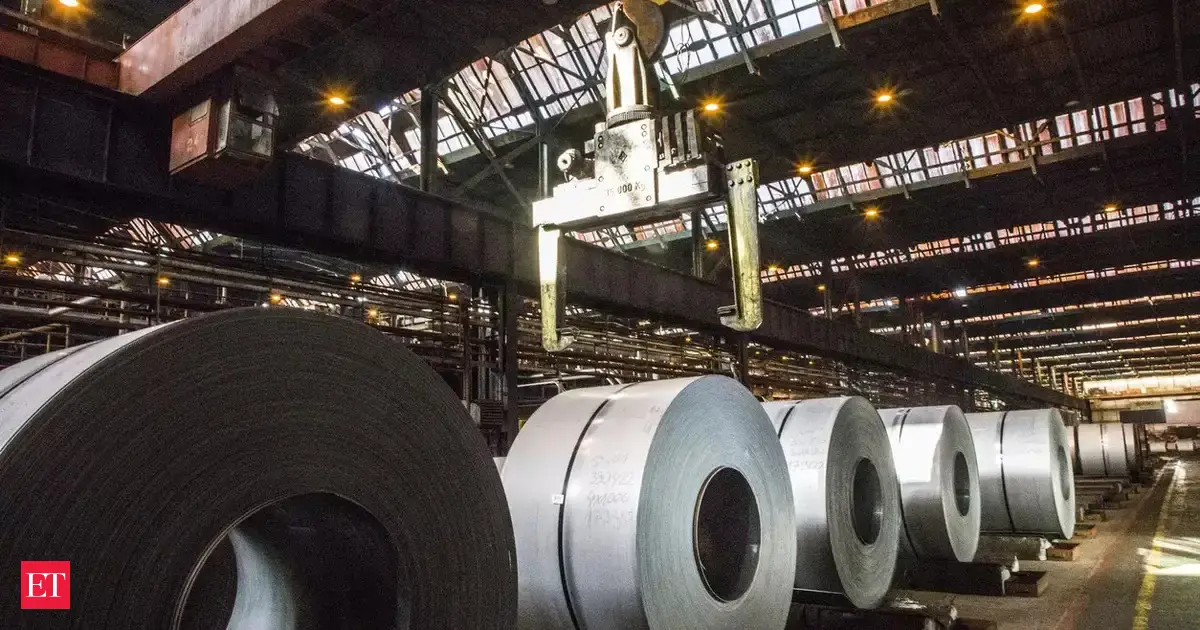
India is set to hold talks with Argentina, Indonesia, and Oman next month to secure vital steelmaking raw materials like coking coal and iron ore, alongside accessing new technologies. These discussions aim to bolster supplies for its growing steel industry and support its transition to cleaner energy sources. View More
India will hold talks with Argentina, Indonesia and Oman next month as it seeks to boost supplies of steelmaking raw materials such as coking coal and iron ore, and access technology, two sources with direct knowledge told Reuters. The talks are expected to begin next month at a global steel summit , described by the Indian government as the country's largest international conference-cum-exhibition, said the sources who did not wish to be identified as the plan was not yet public. India, the world's biggest crude steel producer after China, relies on ferronickel imports for stainless steel manufacturing, with Indonesia holding the world's largest nickel ore reserves. The country also imports large quantities of iron ore from Oman and Brazil, with which it signed a deal last month to expand cooperation in mining and minerals, as it seeks to meet rising domestic steel demand. With Argentina, India aims to secure imports of lithium and other critical minerals for New Delhi's state miner NMDC, the sources said. Live Events The steel ministry and NMDC did not immediately respond to Reuters' emails seeking comment. Argentina is the world's fourth-largest producer of lithium, a key component in batteries for electric vehicles and renewable energy storage. In January, the Indian government said it wants to secure stable supplies of key raw materials such as coking coal, lithium, cobalt and rare earth elements as it expands steel production and accelerates its transition to cleaner energy. Besides meeting rising domestic demand driven by strong economic growth and higher infrastructure spending, India is also seeking to boost steel exports. New Delhi is diversifying its steel export markets from Europe to Asia and the Middle East to offset the impact of the European Union's carbon tax, driving higher output and greater demand for raw materials. Amid concerns over securing raw material supplies from overseas, India's steel sector is grappling with a severe gas crisis- spurred by the war in the Middle East - that has threatened production at small steel units, while a unit of the JSW Group has also warned of a potential shutdown. .Pbanner{display:flex;justify-content:space-between;align-items:center;background-color:#ec1c40;margin-top:20px;padding:5px 10px;border-radius:4px;color:#fff;line-height:10px;} .Pbannertext{display:flex;align-items:center;font-size:16px;font-weight:600;font-family:'Montserrat';} .Pbannertext img{height:20px;margin:0 6px} .Pbannerbutton a{display:flex;align-items:center;background-color:#fff;color:#ec1c40;text-decoration:none;font-weight:600;padding:4px 8px;border-radius:6px;font-size:15px;font-family:'Montserrat';} .Pbannerbutton img{height:20px;margin-right:6px} .Pbannerbutton a:hover{background-color:#f7f7f7} Add as a Reliable and Trusted News Source Add Now! (You can now subscribe to our Economic Times WhatsApp channel) (You can now subscribe to our Economic Times WhatsApp channel)
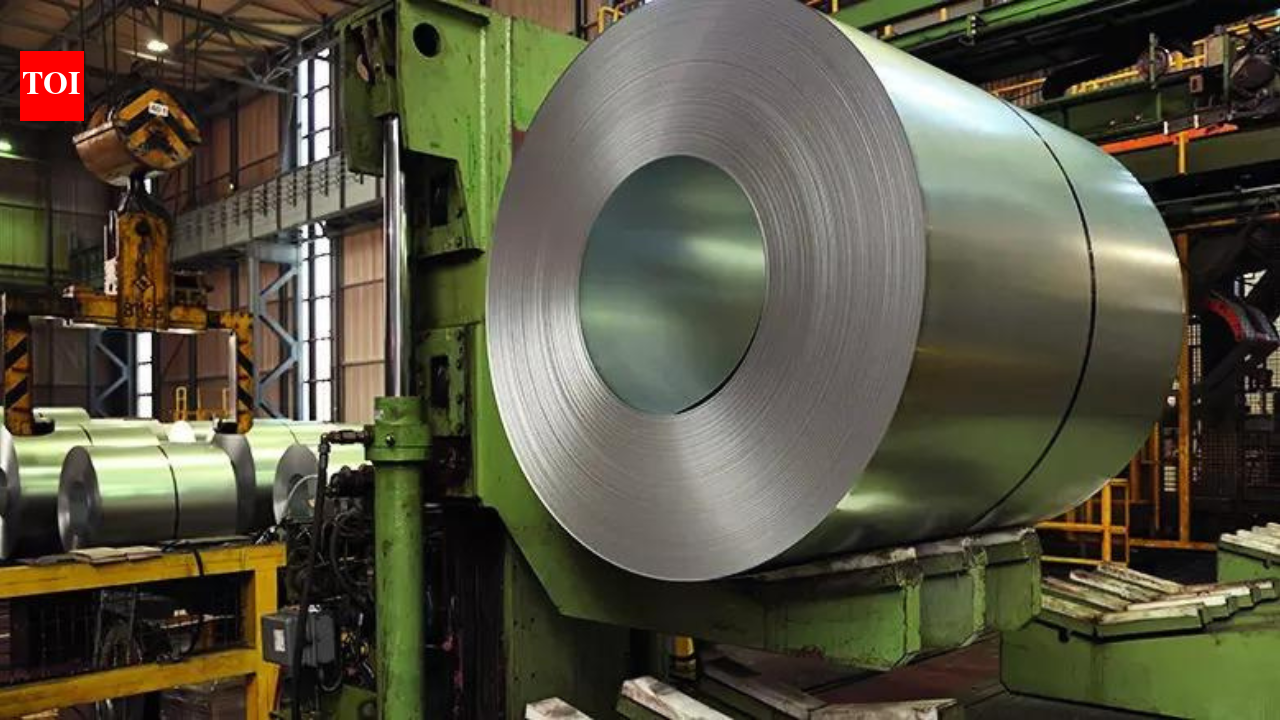
Jindal Steel International's proposed acquisition of Thyssenkrupp Steel is facing delays due to unresolved pension-related issues with German authorities. While talks remain active, further assurances from German stakeholders are needed to move forward with the deal, which includes plans for a green steel facility. View More
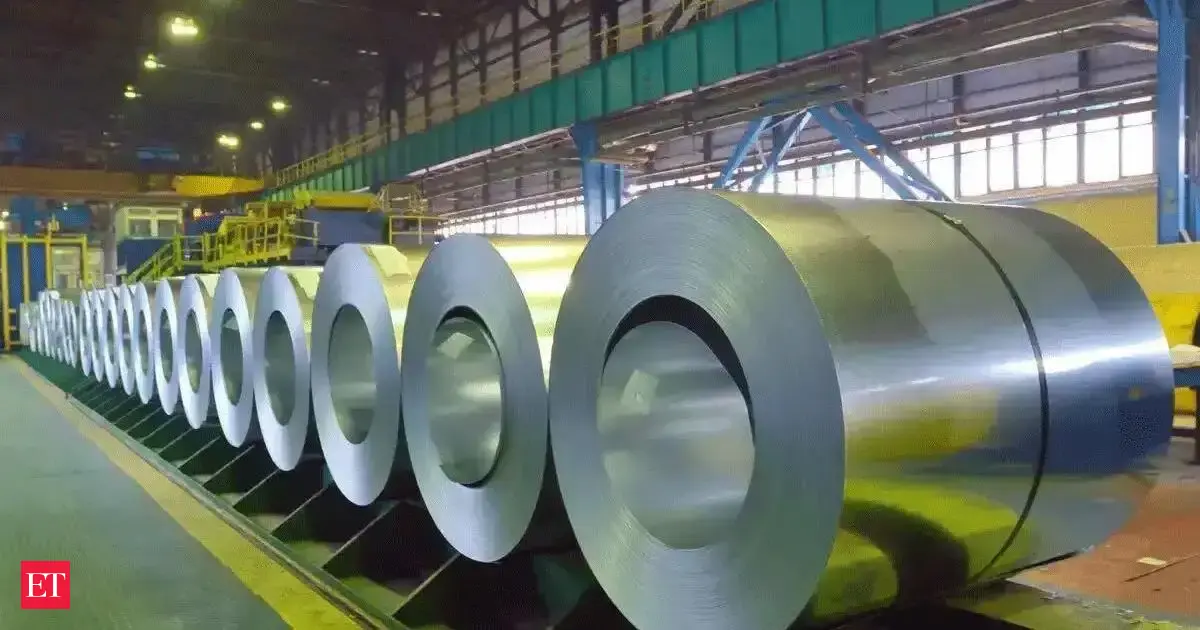
Steel plants face LPG shortages. The Steel Ministry has raised this issue with the Petroleum Ministry. The Iran war has reduced gas availability. The government is prioritizing cooking gas over industrial use. Steelmakers need alternative propane supplies from countries like Russia. This disruption could affect other essential inputs for steel production. View More
New Delhi: The steel ministry has communicated industry concerns about LPG supplies for domestic steel plants to the Ministry of Petroleum and Natural Gas, a senior official said. Steelmakers use LPG for heating steel slabs, blooms and billets to rolling temperatures. The Iran war has crippled availability of the gas, and the government has prioritised supplies to homes for cooking while cutting down allocation for industrial use. "Industry concerns have been forwarded to the oil ministry," the steel ministry official said. In a representation to the government earlier this month, domestic steel producers said propane (LPG) supplies from alternative sources such as Russia are urgently needed to ensure uninterrupted operations in steel mills and downstream industries. Industry representatives say these fuels offer higher calorific values, better temperature control and significantly lower emissions of carbon and sulphur compared to alternatives like light diesel oils (LDO) and low sulphur heavy stock (LSHS). Besides, it also serves as the input for manufacture of HNO3 (nitric acid), calcined lime and ammonia, all of which are required in the manufacturing of stainless steel. Live Events "The disruption is not limited to propane/LPG but there will be a cascading effect in terms of availability of other inputs as well," a sector watcher told ET. Steel industry is already facing problems with fuel suppliers expressing their inability to supply the required quantities, he said. .Pbanner{display:flex;justify-content:space-between;align-items:center;background-color:#ec1c40;margin-top:20px;padding:5px 10px;border-radius:4px;color:#fff;line-height:10px;} .Pbannertext{display:flex;align-items:center;font-size:16px;font-weight:600;font-family:'Montserrat';} .Pbannertext img{height:20px;margin:0 6px} .Pbannerbutton a{display:flex;align-items:center;background-color:#fff;color:#ec1c40;text-decoration:none;font-weight:600;padding:4px 8px;border-radius:6px;font-size:15px;font-family:'Montserrat';} .Pbannerbutton img{height:20px;margin-right:6px} .Pbannerbutton a:hover{background-color:#f7f7f7} Add as a Reliable and Trusted News Source Add Now! (You can now subscribe to our Economic Times WhatsApp channel) (You can now subscribe to our Economic Times WhatsApp channel)