
Latest Sectors News
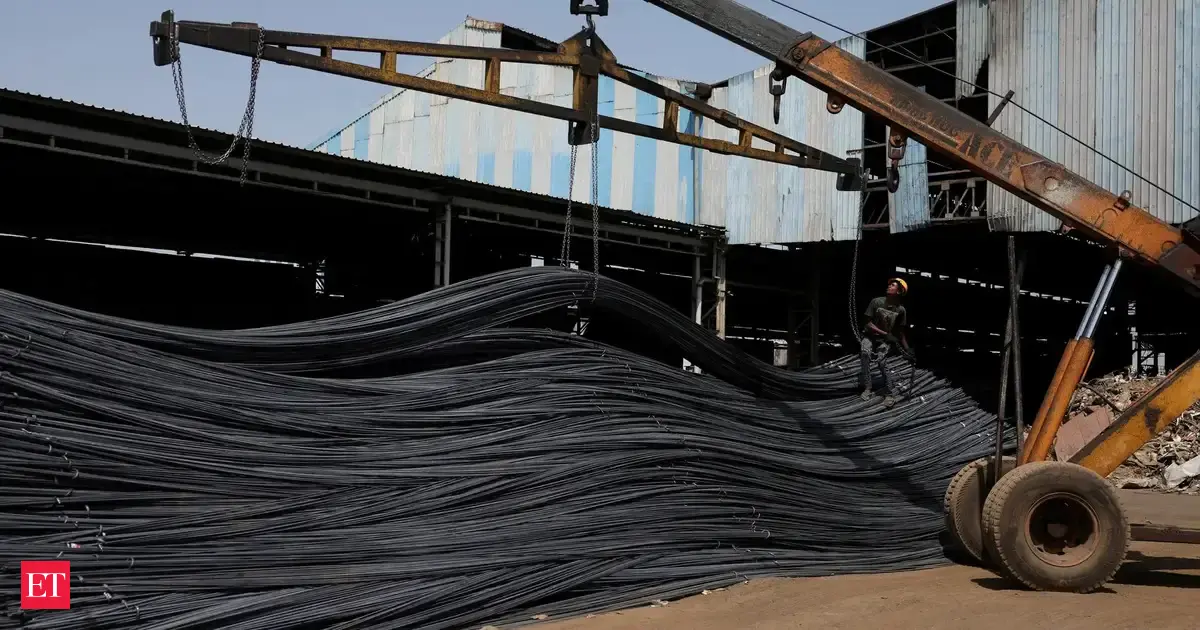
India's steel sector showed strong growth in April 2026. Production and consumption of steel increased significantly. This performance reflects robust domestic demand and steady activity in infrastructure and manufacturing. Steel companies are investing in capacity expansion. Green steel initiatives are progressing with certifications issued to many producers. Domestic steel prices are recovering. The industry is well-positioned for continued growth. View More
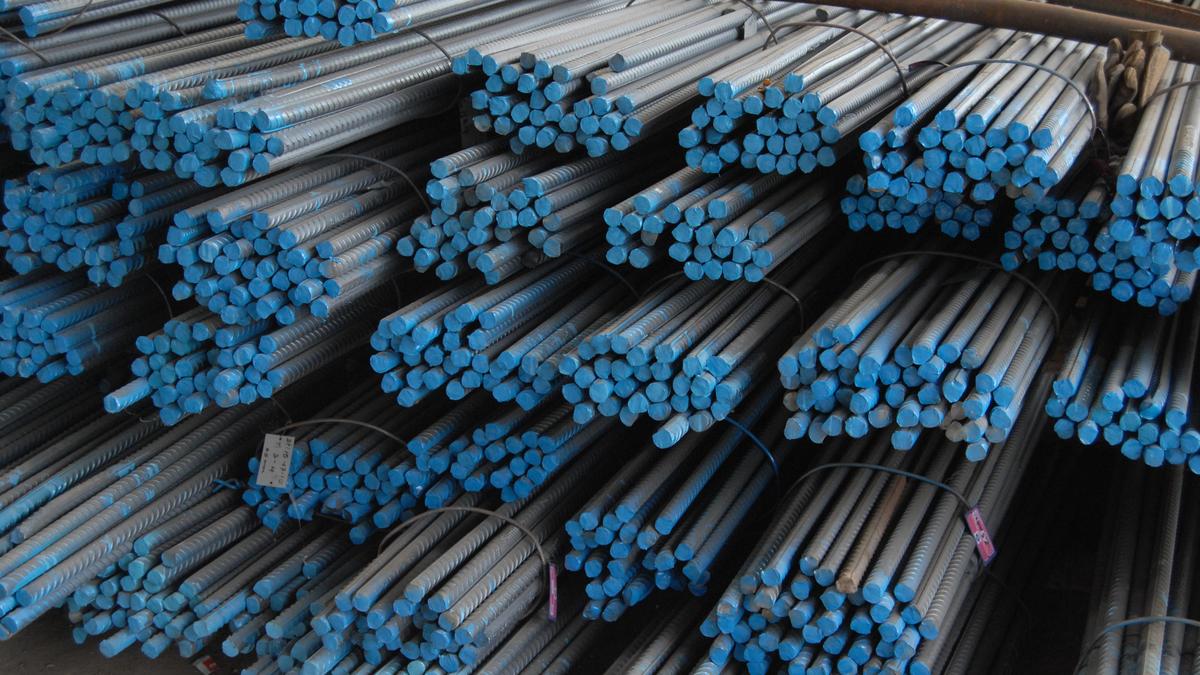
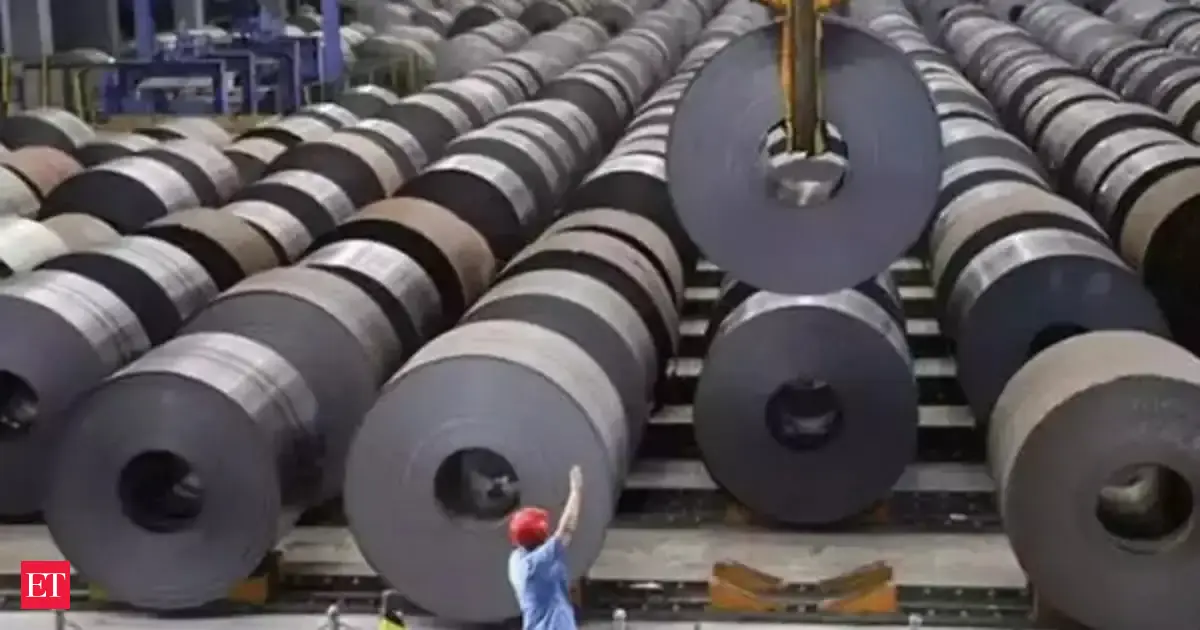
India’s steel sector maintained its growth momentum in April 2026, registering year on year increases across key production and consumption indicators, according to a PIB prerelease. The performance reflects sustained domestic demand and stable activity in infrastructure and manufacturing. Crude steel production stood at 14.09 million tonnes in April 2026, marking a 5.8 percent increase compared with 13.31 million tonnes in April 2025. Hot metal output rose by 5.4 percent year on year. Pig iron production declined by 6 percent to 0.69 million tonnes. Finished steel production reached 13.05 million tonnes, recording a 3.4 percent rise year on year. Consumption of finished steel stood at 12.99 million tonnes, up 8.1 percent, indicating continued strength in construction, infrastructure and manufacturing sectors. India remained a marginal net importer during April 2026, with imports at 0.68 million tonnes and exports at 0.47 million tonnes. Compared with April 2025, imports increased by 30.8 percent from 0.52 million tonnes, while exports rose by 24.9 percent from 0.38 million tonnes. India’s total steelmaking capacity reached approximately 220 million tonnes per annum in the financial year 2025 to 2026, progressing towards the National Steel Policy target of 300 million tonnes per annum by 2030. Major companies including SAIL , Tata Steel , JSW Steel , JSPL and AMNS continued to invest in capacity expansion. Live Events Tata Steel recently commissioned a scrap based electric arc furnace green steel plant with a capacity of 0.75 million tonnes per annum in Ludhiana, with an investment of ₹3,200 crore. The facility is the first of its kind in Punjab. Under the Ministry of Steel’s Green Steel Initiative , the National Institute of Secondary Steel Technology continued to act as the nodal agency for measurement, reporting, verification and certification. As of March 31, 2026, green steel certificates had been issued to 90 producers across 15 states. The certified products include TMT bars, hot rolled and cold rolled coils, wire rods and pipes. A majority of these products have received the highest five star rating, indicating strong participation among secondary and mid size producers. Domestic steel prices showed recovery across major categories in April 2026. TMT and rebar prices increased by around 2.6 percent month on month and recorded a 3 percent rise year on year, marking the first positive annual trend after several months. Flat steel prices registered stronger gains, with hot rolled coil prices rising by about 6.3 percent and galvanised plain sheet prices increasing by around 7.3 percent on a monthly basis. Raw material prices displayed a mixed but largely firm trend. Domestic iron ore prices rose by about 10 to 11 percent month on month, reflecting improved demand from the steel sector, while global iron ore prices remained stable. International coking coal prices continued to rise on a monthly basis, keeping input costs elevated for integrated producers. Scrap prices in the international market remained largely unchanged, providing stability for electric route steelmakers. The Indian steel industry is well placed to sustain growth, supported by continued infrastructure investment and expanding manufacturing activity. Managing energy security, fluctuations in raw material costs and global trade developments will remain key challenges in the coming year. .Pbanner{display:flex;justify-content:space-between;align-items:center;background-color:#ec1c40;margin-top:20px;padding:5px 10px;border-radius:4px;color:#fff;line-height:10px;} .Pbannertext{display:flex;align-items:center;font-size:16px;font-weight:600;font-family:'Montserrat';} .Pbannertext img{height:20px;margin:0 6px} .Pbannerbutton a{display:flex;align-items:center;background-color:#fff;color:#ec1c40;text-decoration:none;font-weight:600;padding:4px 8px;border-radius:6px;font-size:15px;font-family:'Montserrat';} .Pbannerbutton img{height:20px;margin-right:6px} .Pbannerbutton a:hover{background-color:#f7f7f7} Add as a Reliable and Trusted News Source Add Now! (You can now subscribe to our Economic Times WhatsApp channel) (You can now subscribe to our Economic Times WhatsApp channel)
State-owned NMDC has raised iron ore lump and fines prices by Rs 200 per tonne, effective immediately. Baila lump ore is now priced at Rs 5,500 per tonne and fines at Rs 4,700 per tonne. This price hike, exclusive of various taxes and fees, will impact steel manufacturing costs. View More
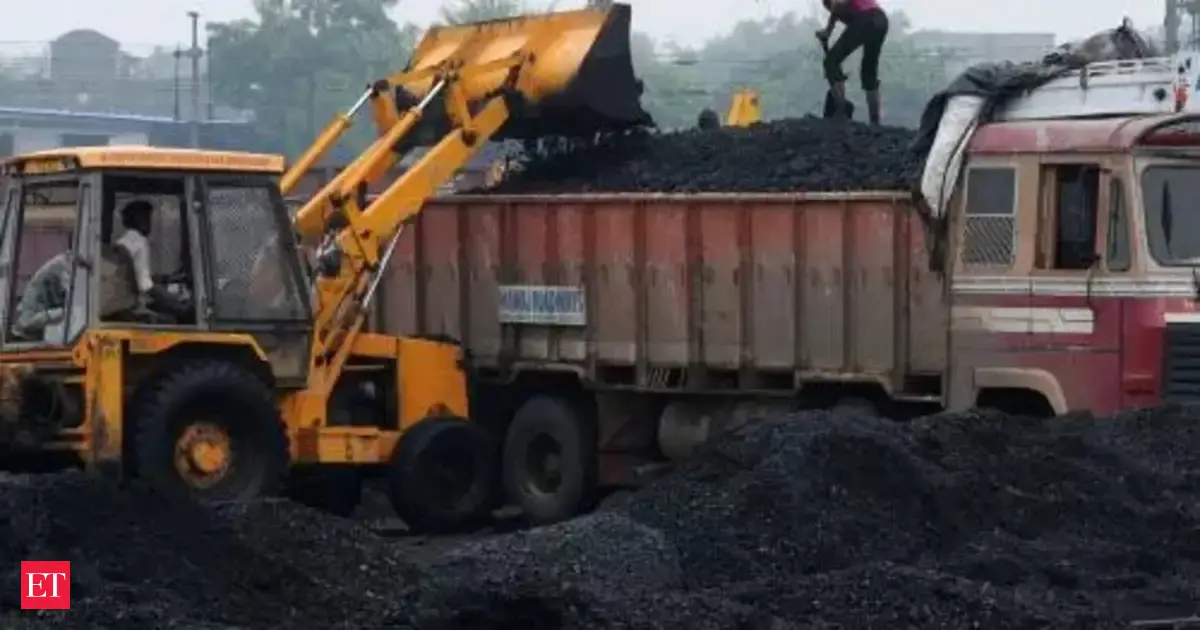
New Delhi: State-owned NMDC on Wednesday said it has increased prices of both iron ore lump and its fines by Rs 200 per tonne, with immediate effect. It has fixed the price of baila lump ore at Rs 5,500 per tonne and fines at Rs 4,700 a tonne, the country's largest iron ore miner said in a regulatory filing. Lump ores or high-grade iron ores contain 65.5 per cent iron content, while fines are inferior-grade ores with 64 per cent or less iron content. In the last price revision announced on April 5, NMDC had fixed the rate of the baila lump at Rs 5,300 per tonne and that of fines at Rs 4,500 per tonne. The new prices effective from May 6 are exclusive of royalty, district mineral fund (DMF), National Mineral Exploration Trust (DMET) and exclude cess, forest permit fee, transit fee, GST, environmental cess and other taxes. Live Events Iron ore is among the raw materials used in the manufacturing of steel, and any movement in its prices has a direct impact on rates of steel, an alloy widely used in segments like construction, infrastructure, automobile and railways. Hyderabad-based NMDC (formerly known as National Mineral Development Corporation) under Ministry of Steel contributes around 20 per cent to India's total iron ore production. .Pbanner{display:flex;justify-content:space-between;align-items:center;background-color:#ec1c40;margin-top:20px;padding:5px 10px;border-radius:4px;color:#fff;line-height:10px;} .Pbannertext{display:flex;align-items:center;font-size:16px;font-weight:600;font-family:'Montserrat';} .Pbannertext img{height:20px;margin:0 6px} .Pbannerbutton a{display:flex;align-items:center;background-color:#fff;color:#ec1c40;text-decoration:none;font-weight:600;padding:4px 8px;border-radius:6px;font-size:15px;font-family:'Montserrat';} .Pbannerbutton img{height:20px;margin-right:6px} .Pbannerbutton a:hover{background-color:#f7f7f7} Add as a Reliable and Trusted News Source Add Now! (You can now subscribe to our Economic Times WhatsApp channel) (You can now subscribe to our Economic Times WhatsApp channel)
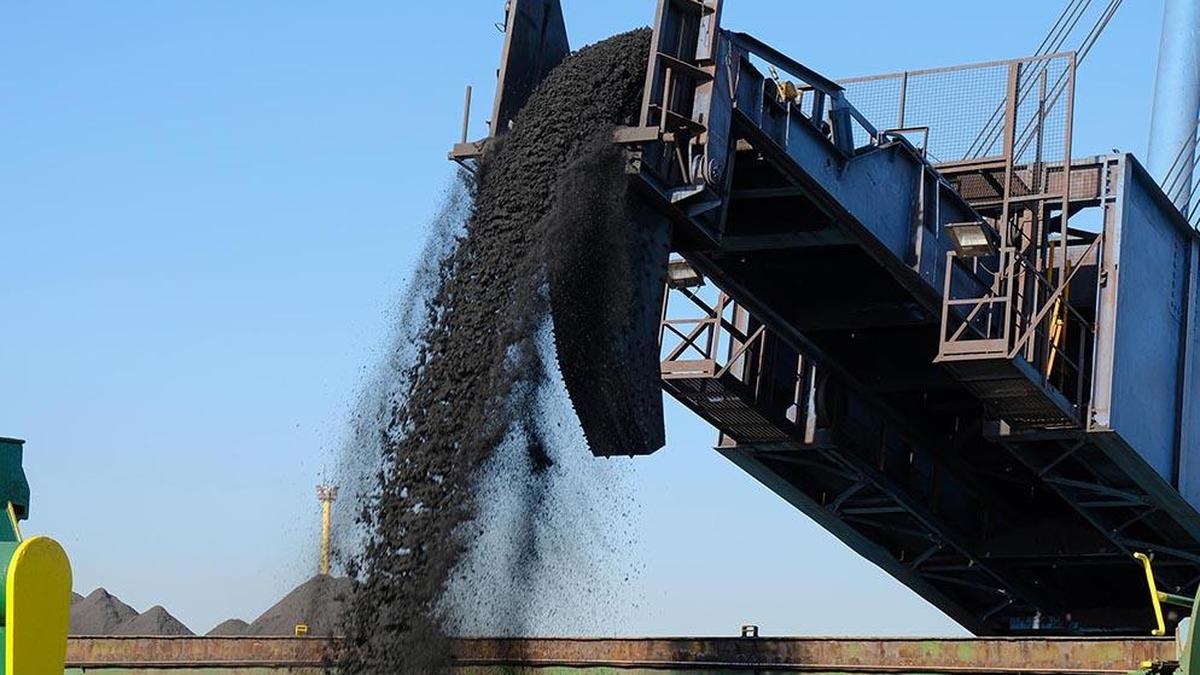
In the last price revision announced on April 5, NMDC had fixed the rate of the baila lump at ?5,300 per tonne and that of fines at ?4,500 per tonne View More
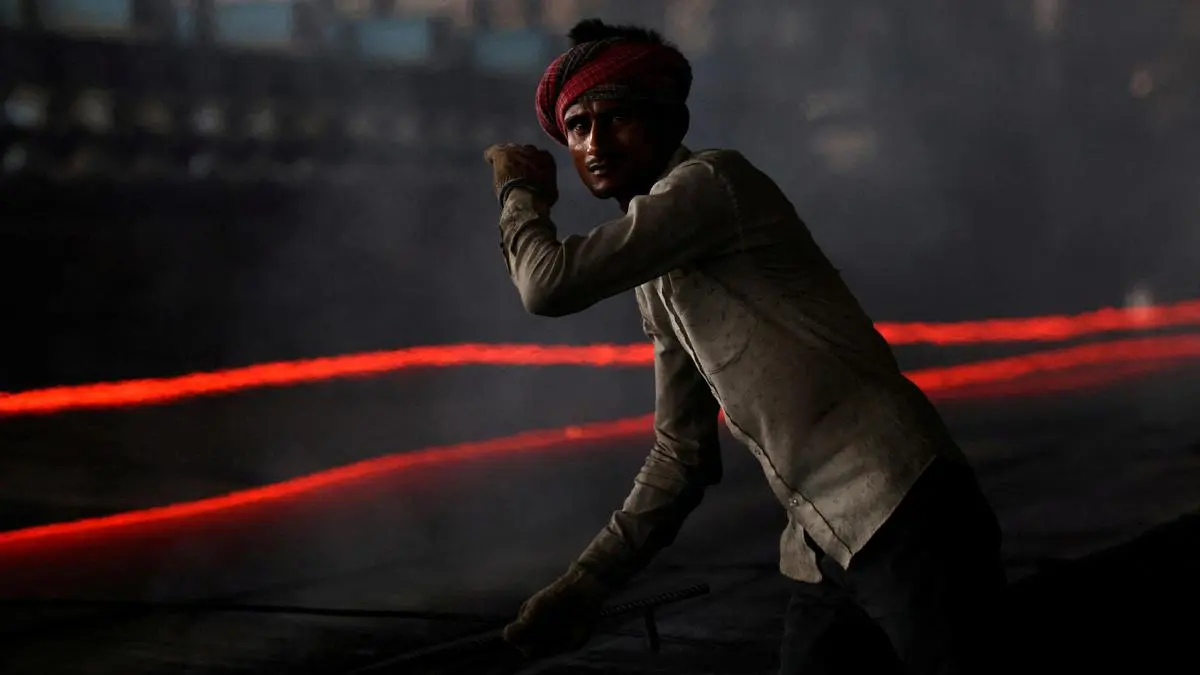
Crude steel production up 5.8%, consumption jumps 8.1% YoY, on strong infrastructure and manufacturing demand View More
Cold-rolled formed engineering solutions are revolutionizing the mining sector by significantly reducing waste, with experts highlighting up to an 80% decrease in scrap generation. This precision-driven process minimizes material loss, lowers costs, and enhances long-term performance. The technology also improves corrosion resistance and coating retention, leading to extended service life and reduced maintenance expenses. View More
New Delhi: Cold-rolled formed engineering solutions are driving a sustainability shift in the mining sector as the process generates minimal scrap, which can reduce waste generation by up to 80 per cent compared to conventional methods, experts said. As the industry focuses on productivity and sustainability, the shift toward precision-driven cold roll-formed engineering is emerging as a key enabler -- reducing waste, lowering costs, and improving long-term performance across mining operations. "In mining, scrap is not incidental -- it is embedded cost. Traditional fabrication creates inefficiencies through cutting, welding, and overdesign. Cold roll forming addresses this at the source by minimising material loss and delivering precision-engineered profiles," said Santosh Venkatasubbaiah, Director - Sales and Marketing at Mother India Forming, a company specialising in cold roll-formed components. Cold-rolled formed engineering solutions supports India's green steel initiatives by minimizing environmental impact through reduced material usage. According to McKinsey & Company, maintenance accounts for 20-50 per cent of total operating costs in mining, with structural repairs forming a notable share. Live Events Cold-rolled formed components offer improved corrosion resistance. Unlike welded structures, where coatings are often damaged during fabrication, cold roll forming preserves surface integrity, resulting in longer service life and reduced replacement frequency. "Frequent replacement is often a result of inconsistent fabrication... With cold roll forming, you achieve uniformity, better coating retention, and predictable performance," Venkatasubbaiah noted. According to experts, these advantages translate into 10-20 per cent lower replacement and maintenance costs, along with improved safety and reduced downtime. "Mining companies are recognizing that inefficiencies in design translate into recurring costs over the lifecycle. The move toward precision-engineered systems like cold roll forming is structural, not incremental," said Pavan Kaushik, Co-founder of Gurukshetra Consultancy -- an advisory firm operating in the metals and mining sector. "The future of mining infrastructure will be defined by efficient material use and reliable performance. Cold roll-formed engineering is emerging as a critical lever for lowering costs, improving durability, and strengthening sustainability," he added. Globally, precision-formed metal solutions have demonstrated efficiency gains across sectors such as construction and industrial infrastructure. Mining, however, remains relatively under-optimised - making it a significant opportunity for transformation. .Pbanner{display:flex;justify-content:space-between;align-items:center;background-color:#ec1c40;margin-top:20px;padding:5px 10px;border-radius:4px;color:#fff;line-height:10px;} .Pbannertext{display:flex;align-items:center;font-size:16px;font-weight:600;font-family:'Montserrat';} .Pbannertext img{height:20px;margin:0 6px} .Pbannerbutton a{display:flex;align-items:center;background-color:#fff;color:#ec1c40;text-decoration:none;font-weight:600;padding:4px 8px;border-radius:6px;font-size:15px;font-family:'Montserrat';} .Pbannerbutton img{height:20px;margin-right:6px} .Pbannerbutton a:hover{background-color:#f7f7f7} Add as a Reliable and Trusted News Source Add Now! (You can now subscribe to our Economic Times WhatsApp channel) (You can now subscribe to our Economic Times WhatsApp channel)
MES approvals are limited to a select pool of manufacturers that meet rigorous quality and technical criteria, creating what the company describes as a high entry-barrier vendor base View More

In theory, the U.K. should be less exposed to the impact of higher energy prices than some peers. In practice, the price surge is having a dire impact. View More
A sign saying "Sorry, No Petrol" on the forecourt of a BP service station during a fuel shortage in London on Feb 9, 1971.Evening Standard | Hulton Archive | Getty Images This report is from this week's CNBC's UK Exchange newsletter. Like what you see? You can subscribe here. The dispatch For Britons of a certain age, an oil price shock brings back memories of the 1970s, with food and petrol shortages, the state-imposed three-day working week, power cuts, doing school homework by candlelight, and the resulting increases in both inflation and unemployment.The good news is that, according to an assessment by the independent Office for Budget Responsibility, the energy intensity of U.K. GDP has fallen by 70% since the mid-1970s, reflecting improvements in energy efficiency and a decline in heavy industry.So even a prolonged rise in energy prices should not see the U.K. economy suffer as it did in that decade.In theory, as a country still enjoying some domestic oil and gas production, Britain should also be rather less exposed to the impact of higher energy prices than peers such as Japan and some major euro zone economies.In practice, however, the oil and gas price surge is having a dire impact.This is partly because Britain's electricity prices are higher than those of its peers. According to the International Energy Agency, the average price per megawatt hour for electricity in the U.K. in April was $110.56, compared with $92.89 in Japan, $88.98 in Germany, $44.19 in France and $26.48 in the U.S.Ministers blame this on Britain's "marginal pricing" system, under which the most expensive source of energy brought onto the grid to meet demand sets the price for all generators unless those generators have agreed to accept a fixed price. That is currently natural gas â and has delivered windfalls for other generators, including renewables operators, not on fixed contracts.Energy U.K., the industry body, argues the system is efficient because the cheapest generation capacity is used first and notes that gas often sets the price "because it is typically the flexible generation needed to meet demand when lower-cost sources [like renewables] are unavailable."The government, whose dash to net zero is blamed by many for pushing up the cost of power for industrial and domestic users alike, has just announced plans to try and break the link between gas and electricity prices.Nonetheless, energy-intensive businesses are suffering.Denby Pottery, one of Britain's best-known producers of china and tableware, went into administration in March, blaming high energy and labour costs, while the government is spending more than £1 million ($1.35 million) per day to keep British Steel, the country's last producer of virgin steel via energy-intensive blast furnaces, alive. Consumer hit Consumers are also feeling the pinch. Households already owed more than £4.4 billion to energy suppliers by June 2025, according to the regulator Ofgem, with one in four reckoned to be in arrears. Baringa, a consultancy, has said nearly three-quarters of that is unsecured.As Ofgem allows suppliers to recover a proportion of debt costs from all billpayers, it means other customers end up paying more.With higher energy costs also fuelling inflation more broadly â the Energy & Climate Intelligence Unit, a think tank, reported this week that U.K. food prices will be 50% higher by November than they were in 2021 â there are signs, as noted by the Bank of England last week, that Britons are already starting to save more in anticipation of higher bills.That does not bode well for consumer spending in the coming months. Retailers J Sainsbury, Shoe Zone and WH Smith have issued profit warnings since the war on Iran began, as have a clutch of housebuilders, including Crest Nicholson, Taylor Wimpey and Berkeley Group.They are unlikely to be the last.â Ian King Need to know UK exports to U.S. plunge by 25% after Trumpâs âliberation dayâ tariffs blitz. While U.K. exports of goods have stayed low, imports of goods increased at the start of 2026, leading to a trade deficit with the country's largest trading partner for three months in a row. UK government plans to allow airlines to consolidate flights as jet fuel costs soar. The temporary measure would allow carriers to consolidate schedules on routes with multiple flights to the same destination on the same day.Trump scraps Scotch whisky tariffs 'in honor' of King Charles. The Scotch whisky industry employs around 40,000 people in Scotland, where whisky accounted for 23% of all goods exports in 2025. The sector is also a major purchaser of used bourbon barrels from the U.S.â Holly Ellyatt Coming Up MAY 8: Halifax house price index for AprilMAY 12: BRC retail sales monitor for AprilMAY 14: UK first-quarter GDP data Choose CNBC as your preferred source on Google and never miss a moment from the most trusted name in business news.
Larsen & Toubro's Minerals & Metals division secured its largest domestic metals order from JSW Steel, valued between Rs 10,000 crore and Rs 15,000 crore. This 'mega order' involves comprehensive engineering, procurement, and installation of critical process facilities for JSW Steel's expansion to over 50 MTPA by 2031, primarily at sites in Karnataka and Odisha. View More
Larsen & Toubro's Minerals & Metals business arm has won its largest-ever order in the domestic metals sector, awarded by JSW Steel , the company said. L&T said in an exchange filing it has received a 'mega order' for comprehensive engineering, procurement and installation of critical process facilities as JSW Steel is moving towards expanding its crude steel processing capacity from 35 MTPA to over 50 MTPA by 2031. L&T will install the key process facilities, including blast furnaces and steel melt shops, as part of several brownfield and greenfield expansion projects, mainly at JSW sites in Ballari (Karnataka) and Paradip (Odisha). L&T categorises a 'mega order' as one that is valued between Rs 10,000 crore and Rs 15,000 crore. However, shares of L&T were trading 3.18% lower at Rs 3,9927 apiece in morning trading while BSE Sensex was 311 points. Live Events L&T had yesterday reported a 3% on-year profit fall in its fourth quarter even as it declared a final dividend of Rs 38 per share and fixed May 22 as the record date for it. Also Read: L&T Q4 Results: Profit falls 3% YoY to Rs 5,326 crore "These orders are not merely a testament to our engineering and execution capabilities, but also an affirmation of the trust placed in us to deliver assets of national significance. As India accelerates its journey towards becoming a global steel powerhouse, L&T remains committed to setting new benchmarks in project delivery, sustainability and technological excellence," D K Sen, Advisor to CMD, Development Projects & Minerals & Metals, L&T, said. Sen said that securing the largest-ever order in the metals segment marked a defining moment for the company’s Minerals & Metals business. He added that L&T’s long-standing partnership with JSW Steel reflected a shared commitment to scale, innovation and nation-building. “These prestigious wins further strengthen our leadership in executing large, complex metallurgical projects. Our ability to integrate technology, optimise project timelines and deliver with precision continues to differentiate us. We remain focussed on partnering with JSW in shaping their growth through technology and on-time delivery,” T Kumaresan, Senior Vice President & Head – Minerals & Metals, L&T, said. L&T said it has a long-standing relationship with JSW Steel , built over more than three decades of working together on complex metallurgical projects. The company said this partnership has helped strengthen India’s steel production through scale, technology and strong execution. .Pbanner{display:flex;justify-content:space-between;align-items:center;background-color:#ec1c40;margin-top:20px;padding:5px 10px;border-radius:4px;color:#fff;line-height:10px;} .Pbannertext{display:flex;align-items:center;font-size:16px;font-weight:600;font-family:'Montserrat';} .Pbannertext img{height:20px;margin:0 6px} .Pbannerbutton a{display:flex;align-items:center;background-color:#fff;color:#ec1c40;text-decoration:none;font-weight:600;padding:4px 8px;border-radius:6px;font-size:15px;font-family:'Montserrat';} .Pbannerbutton img{height:20px;margin-right:6px} .Pbannerbutton a:hover{background-color:#f7f7f7} Add as a Reliable and Trusted News Source Add Now! (You can now subscribe to our Economic Times WhatsApp channel) (You can now subscribe to our Economic Times WhatsApp channel)

Aluminum's surge since the start of the Iran war is creating cost pressures for some of America's largest companies. View More
In this article.SPX@AL.1Follow your favorite stocksCREATE FREE ACCOUNT A can of Coors Light beer and a Ford F-150 pickup truck.Gabby Jones | Bloomberg | Brandon Bell | Getty Images Aluminum's surge to multiyear highs in the wake of the Iran war is creating cost pressures for the businesses that manufacture everything from cars to beer cans.Aluminum on the London Metal Exchange has surged more than 13% since the U.S.-Israeli strikes on Iran on Feb. 28. The commodity is now up around 19% so far in 2026 and has touched its highest levels since 2022 this year. Stock Chart IconStock chart iconAluminum in 2026 Prices are being driven higher by the shutdown of the Strait of Hormuz, a key passageway for the delivery of aluminum coming from the Middle East, according to Bernstein analyst Bob Brackett.He estimated that 7% the world's aluminum is sourced from the region. Military strikes have damaged facilities and taken about 3% of the world's supply off the market, the analyst said. Impact to businesses At Ford, Chief Financial Officer Sherry House said the Iran war is clouding the automaker's outlook for aluminum, a key component of its F-150 pickup truck. The Detroit-based producer was expecting commodity headwinds to top $2 billion â roughly double the previous estimate â due largely to higher price tags for aluminum, House said. "It's going to be a bit hard to be able to predict 2027 at this point given the volatility that we've seen in the commodities," House told analysts late last month. "With respect to steel and aluminum, in particular, even before the Middle East situation started, we were already seeing global industry shortages."Aluminum prices have been a key focus of Ford's investor class, according to UBS analyst Joseph Spak. Ford shares have tumbled 17% since the Iran war began. The S&P 500 climbed 5.7% over the same period.But Spak called Wall Street's concern about the commodity's price "overblown" in a note to clients last month, adding that Ford has "hedged" its exposure to aluminum for this year. Stock Chart IconStock chart iconFord vs. the S&P 500 since March Molson Coors finance chief Tracey Joubert said last week that the rising price of aluminum supplied to the U.S. Midwest added around $30 million to the cost of goods sold in the first quarter compared with the prior year. The Coors Light and Miller Lite parent â which has used a recyclable aluminum can for more than six decades â expects further inflation for the commodity in the current quarter. Anthony DiSilvestro, CFO at Keurig Dr Pepper, listed aluminum as one of several products that have seen price increases due to the Iran war. If those higher costs remain longer term, the Canada Dry and Snapple maker will have to create mitigation plans focused on protecting margins, DiSilvestro said "As with many CPG companies, we have both direct and indirect exposure to commodities that have been impacted by the Middle East conflict," DiSilvestro said on a call with analysts last month, using an acronym for consumer-packaged goods. Dr Pepper soda in the warehouse at the Dr Pepper Snapple Group bottling plant in Louisville, Kentucky, in April 2015.Luke Sharrett | Bloomberg | Getty Images More pressure ahead Wall Street doesn't see relief coming in the near term.UBS expects aluminum's supply to grow 0.3% in 2026, down from a prior estimate of 2.4%. The bank cited disruption in the Middle East and limited room for capacity increases in Europe. Aluminum cans are shown during a production run before being filled with craft beer at Black Plague Brewery in Oceanside, California, on March 14, 2025.Mike Blake | Reuters Beyond the conflict, Bernstein's Brackett said, aluminum requires large amounts of energy, meaning prices are also connected to cost of natural gas and coal. The rising cost of these fuels due to the war has added further price pressure, Brackett said."Aluminum prices rise with input costs," Brackett wrote to clients last week. "There is upside risk for a positive price impact to aluminum not only from its disrupted supply chain, but the disruption of its sources of power." Get Morning Squawk directly to your inboxThe Morning Squawk newsletter by Alex Harring is your rundown of five things to know before the stock market opens.Subscribe here to get access today. Choose CNBC as your preferred source on Google and never miss a moment from the most trusted name in business news.