
Latest Sectors News
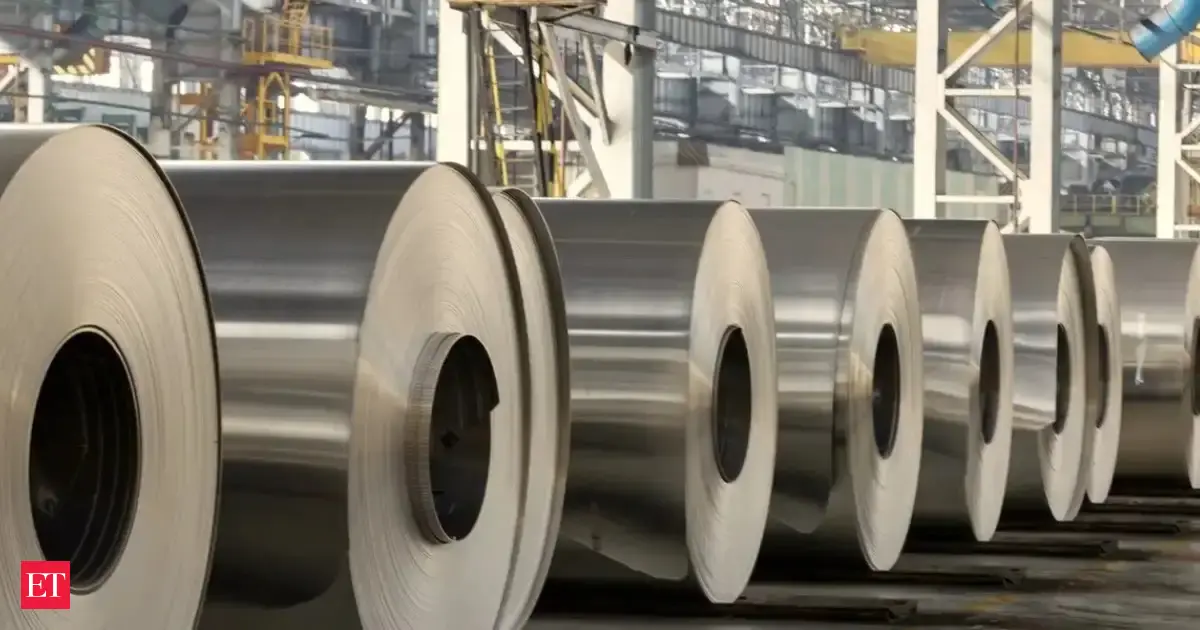
India is developing an innovative steel policy aimed at redefining the industry landscape by 2035 and 2047. This initiative will establish aggressive targets for green, specialty, and stainless steel production, emphasizing high-quality products while striving to minimize import dependence. View More
New Delhi: India is preparing a new national steel policy with production targets for green steel , speciality steel and stainless steel for 2035 and 2047, officials said. The revamped framework will focus on premium products and import substitution, while a separate steel scrapping policy is also under inter-ministerial consultation. Also Read: India lacks adequate scrap supply, only 25% steel demand can be met through scrap-based production: Former Steel Secy "The current policy is outdated," a senior official told ET, adding the National Steel Policy 2017 (NSP 2017) requires a review before its 2030-31 targets are achieved. The updated policy is expected to lay out targets for value-added steel products and measures to reduce imports. Live Events NSP 2017, released in May 2017, had aimed to double India's steelmaking capacity to 300 million tonnes per annum by 2030-31. The country's steelmaking capacity rose to 220 million tonnes per annum at the end of FY26, putting the industry on track to achieve the target ahead of schedule. Domestic crude steel production rose more than 10.7% year-on-year to about 168.4 million tonnes during April 2025-March 2026, while finished steel consumption increased 7.6% to 163.7 million tonnes. Also Read: India steel sector grows in April, crude output up 5.8%, consumption up 8.1% Despite domestic capacity exceeding local consumption, India continued to import steel. Imports stood at 6.52 million tonnes during April 2025-March 2026, while exports were at 6.60 million tonnes. Industry executives said speciality and value-added products accounted for a large share of imports. "The steel industry has evolved considerably since the 2017 policy was framed," the official said, adding that the focus has shifted from capacity expansion alone to premium products and life-cycle costing approaches. The rethink also comes amid rising global overcapacity. The Organisation for Economic Co-operation and Development has projected excess global steelmaking capacity at 721 million tonnes by 2027. .Pbanner{display:flex;justify-content:space-between;align-items:center;background-color:#ec1c40;margin-top:20px;padding:5px 10px;border-radius:4px;color:#fff;line-height:10px;} .Pbannertext{display:flex;align-items:center;font-size:16px;font-weight:600;font-family:'Montserrat';} .Pbannertext img{height:20px;margin:0 6px} .Pbannerbutton a{display:flex;align-items:center;background-color:#fff;color:#ec1c40;text-decoration:none;font-weight:600;padding:4px 8px;border-radius:6px;font-size:15px;font-family:'Montserrat';} .Pbannerbutton img{height:20px;margin-right:6px} .Pbannerbutton a:hover{background-color:#f7f7f7} Add as a Reliable and Trusted News Source Add Now! (You can now subscribe to our Economic Times WhatsApp channel) (You can now subscribe to our Economic Times WhatsApp channel)

The magnitude of the A.I. capital spending boom is historic and the dollar values are staggering. View More
(This is CNBC's "Power Insider" newsletter, your inside look at the investments, people and companies powering the global energy industry. Click here to subscribe.) POWER POINT What I'm hearing from energy insidersHyperfocused on hyperscaler hypergrowth. I tried to sum up investor thinking into just one sentence. The pace of spending on A.I. is so frenetic it makes the Energizer Bunny look lazy. That growth is coming from the "hyperscalers," just a fancy term for the big technology companies that are rapidly ramping their bets on artificial intelligence.This energy-related weekly intelligence piece is about artificial intelligence because - in this author's reasonably humble opinion - there isn't an A.I. story without energy.  A.I. requires massive amounts of computational power - "compute" - and compute requires massive amounts of electricity. In other words - and say it with me - A.I. is power.  Literally.As long as the A.I. spend story steams along, it seems logical that the investment in energy will steam with it. Now that we are coming out of another earnings cycle, three things remain clear: 1. Energy earnings remain super strong2. Capital spending related to A.I. is a big part of that story3. See #s 1 and 2As the team at BNP Paribas puts it:"AI Hyperscalers capex continues to be revised higher. Following issuers' guidance at 1Q earnings season, estimates for 2026 capex are now $725bn, this has nearly doubled since mid-2025. Capex is rising faster than OCF [operating cash flow], driving funding needs. "The numbers are hard to fathom. BNP Paribas highlights that consensus estimates for capital spending were for 'just' $365bn one year ago, which means this year's capex estimate of $725 billion is nearly double last year's estimate.When was the last time you saw a major estimate nearly double in a year? Zoom In IconArrows pointing outwards Let's put that $725 billion in A.I. related spending growth into perspective.$725 billion is more than the total GDP output of some mid-sized European countries and about 1 ½ times bigger than the economy of Singapore.$725 billion is roughly the same size as the market cap of JPMorgan Chase.  It's only about $125 billion less than the entire value of ExxonMobil and twice the value of Chevron.$725 billion is over 3 times more than the value of every NFL team â combined (check out CNBC's exclusive NFL valuation analysis here).You may see other numbers. Each firm has their own estimates.  They are all, however, very bullish. For example, UBS sees nearly half a trillion being spent, and that is only on the power side. They write:"Overall, we see $511bn being spent by 2030 on generation capacity additions for a 3% [compounded annual growth rate], which does not include transmission or distribution build out."UBS believes that if this kind of spending continues, both natural gas and solar will continue to see "sold out order books."  Evercore ISI is even more optimistic, seeing about $800 billion in spending, with most of that coming from Alphabet (GOOGL), Microsoft (MSFT), Meta (META), Amazon (AMZN) and Oracle (ORCL).$700 billion, $800 billion, etc etc. However much the final numbers end up being, they are colossal.The bottom line: You rarely know you are making history while living through it. My friends, this is history.  We are making it in real time.  It reminds me of when I was starting out in this business and the internet was just growing up. Companies will come and companies will go, but this investment cycle is real and it's spectacular. Remember though, like with most Wall Street history, there will be winners and there will be losers. Some big winners and some stocks that get crushed.  Stay focused. Keep watching and reading CNBC. And enjoy the ride. TAKE ACTION â  So how can you invest in and around this massive A.I. capex cycle?One way is of course to invest in the hyperscalers themselves. The super mega cap names you may already be invested in. Another is to look at companies that provide the power for all these A.I. dreams. One of those is Hut 8 (HUT). The Miami-based energy infrastructure company keeps making investors a ton of money. Last week Hut 8 signed a $9.8 billion dollar deal and the stock soared. We interviewed CEO Asher Genoot about the massive deal and you can watch it here.The analysts that cover Hut 8 have a $118.13 target on the stock. Zoom In IconArrows pointing outwards Another example is smaller cap Fluence Energy (FLNC). The energy storage and battery company posted a narrower loss and signed supply agreements with two big hyperscalers. That news sent the shorts running to cover and the stock soaring. Shares doubled in a week.  But investors take note: the stock price is now above the current 12-month price target for Wall Street analysts.UBS likes companies that benefit in other ways from all this spending. Its analysts believe Eaton (ETN) and Brazil-based WEG (WEGE-BR) have 'tailwinds' from the expected power generation additions. It also believes that companies involved in power saving solutions - such as Johnson Controls (JCI) and Trane Technologies (TT) - should benefit.  It's not just stocks. BNP Paribas has some interesting ways to play the debt and credit markets. They believe that parts of the investment grade debt market in Taiwan should benefit. The Paris-based firm says the "AI cycle is an economic tailwind for Taiwan, with GDP growth at +14%. We think rising incomes are partly being redeployed to life insurance policies, which ultimately drives foreign demand for long-end $ IG credit."More specifically, it has three trading ideas for clients, recommending overweights in dollar-based high yield A.I. infrastructure debt, investment-grade banks and investment-grade telecoms. Now to oil. Because given all of the above and, at least at the time of this writing, there has been no meaningful peace deal signed with Iran and Trump saying the ceasefire is "on life support," it's important to stay attuned to what Wall Street is saying about prices.JPMorgan commodities analyst Natasha Kaneva highlights the big recent change in oil inventories. Kaneva points out how oil storage surged during the Covid lockdowns, reversed when Russia invaded Ukraine, and then reversed again in 2024 and 2025. This is not so much a history lesson but an explanation as to why oil has increased but not skyrocketed: crude inventories were high coming into the Iran war. That surplus provided a big buffer to the over 1 billion barrels estimated to have been 'lost' since the Iran war began.  Kaneva and team expect that the Strait will reopen in June, "one way or another." Take heed, however. Kaneva writes that every day all those inventories are being drained. If the Strait stays risky and difficult to transit for many crude tankers, that storage will keep going down, hitting what she calls "operational stress levels" by early June. Hello, higher prices?You've been warned! Zoom In IconArrows pointing outwards Take a look â Watch my interview with Jefferies analyst Julien Dumoulin-Smith on what the rest of Wall Street has wrong on Fluence Energy. watch nowVIDEO4:0304:03Wall Street underestimated the data center demand for Fluence's products: Jefferies' Dumoulin-SmithPower Lunch INSIDE LINE This week's Inside Line is with Francisco Leon, CEO of California Resources, a California-based oil and gas drilling company with a growing business in carbon capture. Zoom In IconArrows pointing outwards Zoom In IconArrows pointing outwards RANDOM BUT INTERESTING Overall US energy production just keeps rising. Natural gas and crude oil are leading the charge, with nuclear and solar and wind also perking up. Coal continues the downward trend it began nearly two decades ago. Zoom In IconArrows pointing outwards THE GRID Key stories for energy investorsAs always, we are watching "the map:" MarineTraffic: Global Ship Tracking Intelligence | AIS Marine Traffic We are also watching Canada: The easy fixes Carney isn't doing | National Post US energy production just keeps setting records: The United States set record energy production in 2025, again - U.S. Energy Information Administration (EIA) Investors are making huge bets on oil and the Iran war: Exclusive: Oil-price bets ahead of Iran war news totalled $7 billion, reporting shows | Reuters Put solar panels over water and generate energy and reduce waste: Solar on canals reduces water evaporation by 70% and algae growth by 85% â pv magazine USA The song that will always brighten your day: Iron & Wine - Call It Dreaming [OFFICIAL VIDEO] CALENDAR Zoom In IconArrows pointing outwards Catch up with more on energy including interviews and video content from CNBC and Power Insider. Read last week's Power Insider here: Out of the danger zone? Oil levels to watch before it's safe to keep buying stocks Choose CNBC as your preferred source on Google and never miss a moment from the most trusted name in business news.
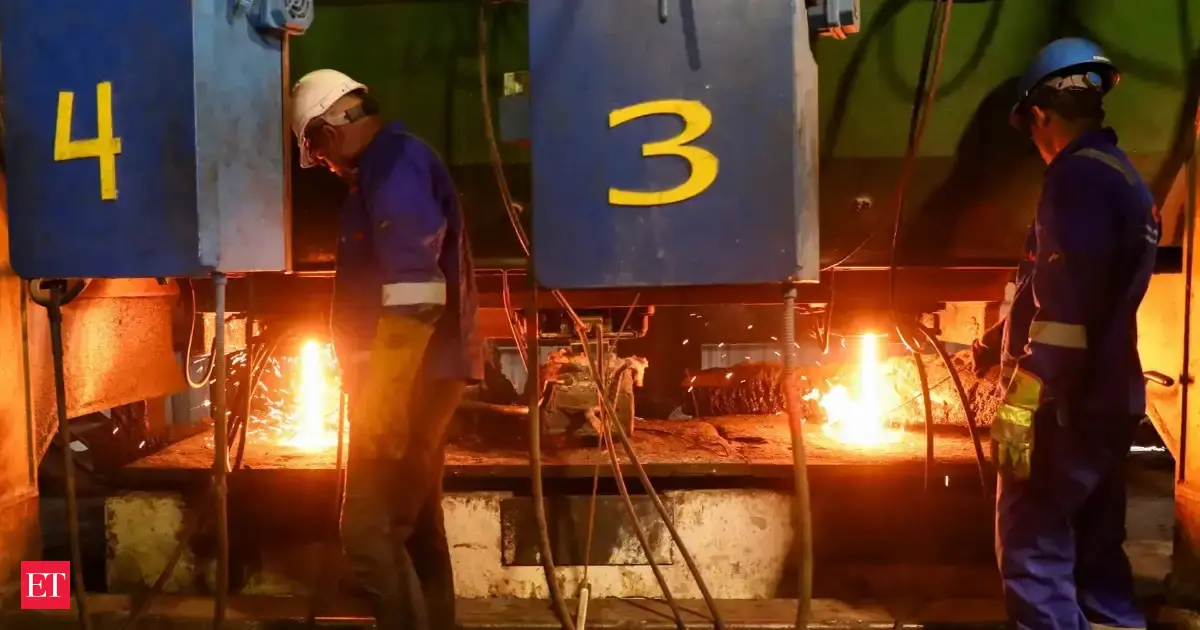
India's steel sector grapples with limited scrap for green production. Only 25 percent of steel demand is met by scrap-based manufacturing. Deteriorating iron ore quality further complicates efforts. The nation is exploring green steel through pilot projects and government missions. A Carbon Credit Trading System is expected to drive emission reductions. India's crude steel output is growing significantly. View More
New Delhi: India does not have adequate scrap availability for large-scale green steel production, with only around 25 per cent of the country's steel demand currently being met through scrap-based manufacturing, noted former Steel Secretary of India and Director at Jindal Steel & Power, Sanjay Kumar Singh . Speaking with ANI, on the sidelines of PHDCCI National Conclave on Raw Material Securitisation for Metals & Minerals Advancing Self-Reliance, Resilience & Resource Security, Singh said, "We do not have scrap in the country. Only 25 per cent of the steel can be made from scrap, whatever we are consuming in the country. So we have to rely on iron ore. And iron ore invariably uses a blast furnace for the production of steel. So that's a challenge in green steel." Also read: India steel sector grows in April, crude output up 5.8%, consumption up 8.1% He said the steel sector is facing twin challenges of raw material availability and decarbonisation, adding that the quality of iron ore in the country is deteriorating rapidly. "This is a very critical area for the metal industry. The availability of raw material and the quality of raw material year to year within the country are depleting. Steel industry requires iron ore, coking coal and other metals required as alloys," he said. Live Events According to Singh, lower-grade iron ore increases environmental costs as more energy is required in steel production, leading to higher carbon dioxide emissions. "And another challenge, which is bigger than the availability of raw material, is sustainability and decarbonisation. When the quality is depleting, it adds to the environmental cost. It requires more energy and emits more carbon dioxide," he added. Speaking on green steel production, Singh said pilot projects are underway in the country, but fully green commercial steel production remains difficult. "Steel is one such consumable which cannot be made absolutely green. Some amount of emission it would be doing. Unless we are using renewable energy, scrap and electric arc furnace, emissions cannot come down substantially," he said, adding that these methods can reduce emissions by nearly 80 per cent from current levels. Highlighting government initiatives, Singh referred to the National Green Hydrogen Mission , the renewable energy push and the proposed green steel mission. He also stressed the importance of the Carbon Credit Trading System (CCTS), saying it would become a major mechanism for reducing emissions in carbon-intensive sectors like steel. "Those who eliminate carbon dioxide get a credit, while those emitting more will eventually have to buy credits. Right now it is voluntary, but in time it will become mandatory," he said. On the domestic steel industry, Singh said India's crude steel production has reached around 168-169 million tonnes and is growing at nearly 8-9 per cent annually, with consumption also rising at a similar pace. .Pbanner{display:flex;justify-content:space-between;align-items:center;background-color:#ec1c40;margin-top:20px;padding:5px 10px;border-radius:4px;color:#fff;line-height:10px;} .Pbannertext{display:flex;align-items:center;font-size:16px;font-weight:600;font-family:'Montserrat';} .Pbannertext img{height:20px;margin:0 6px} .Pbannerbutton a{display:flex;align-items:center;background-color:#fff;color:#ec1c40;text-decoration:none;font-weight:600;padding:4px 8px;border-radius:6px;font-size:15px;font-family:'Montserrat';} .Pbannerbutton img{height:20px;margin-right:6px} .Pbannerbutton a:hover{background-color:#f7f7f7} Add as a Reliable and Trusted News Source Add Now! (You can now subscribe to our Economic Times WhatsApp channel) (You can now subscribe to our Economic Times WhatsApp channel)
Hindustan Zinc is partnering with Group Nirmal to build a new zinc wire manufacturing facility in Rajasthan. This unit will produce high-grade zinc wire for key industries like infrastructure and automotive. The collaboration aims to boost domestic zinc manufacturing and support high-value industrial applications. View More
New Delhi: Vedanta group firm Hindustan Zinc Ltd on Tuesday said it has collaborated with Group Nirmal to set up a zinc wire manufacturing unit in Rajasthan. Hindustan Zinc has signed a Memorandum of Understanding (MoU) with Group Nirmal to set up a zinc wire manufacturing facility at the company's Zinc Industrial Park in Bhilwara district of Rajasthan, the company said in a regulatory filing. The development further strengthens Hindustan Zinc's long-term vision of building a robust downstream zinc manufacturing ecosystem in the domestic market focused on high-value industrial applications, said a company statement. Also read | CIL's April coal auction quantity drops 6% vs March to 30.5 MT Under the pact, Group Nirmal will manufacture zinc wire products using Hindustan Zinc's special high-grade zinc, catering to sectors such as infrastructure, renewable energy, automotive and industrial engineering, the statement added. Live Events Group Nirmal is a major manufacturer of steel, aluminium and zinc wires. Zinc wire is a critical input material for thermal spray coating and metallising processes, where it is melted and sprayed onto steel surfaces to form a protective zinc coating. This process provides durable anti-corrosion protection to steel structures and critical assets, including bridges, transmission towers, railways, ports, pipelines and industrial installations. These coatings significantly enhance structural longevity, improve operational reliability and reduce life-cycle maintenance requirements, making them an increasingly preferred solution for sustainable infrastructure protection. Also read | Nalco's alumina exports to West Asia affected due to geopolitical tensions, says CMD Hindustan Zinc Ltd is the world's largest integrated zinc producer and is amongst the top 10 silver producers globally. The company supplies to more than 40 countries and holds about 74 per cent market share in the primary zinc market in India. .Pbanner{display:flex;justify-content:space-between;align-items:center;background-color:#ec1c40;margin-top:20px;padding:5px 10px;border-radius:4px;color:#fff;line-height:10px;} .Pbannertext{display:flex;align-items:center;font-size:16px;font-weight:600;font-family:'Montserrat';} .Pbannertext img{height:20px;margin:0 6px} .Pbannerbutton a{display:flex;align-items:center;background-color:#fff;color:#ec1c40;text-decoration:none;font-weight:600;padding:4px 8px;border-radius:6px;font-size:15px;font-family:'Montserrat';} .Pbannerbutton img{height:20px;margin-right:6px} .Pbannerbutton a:hover{background-color:#f7f7f7} Add as a Reliable and Trusted News Source Add Now! (You can now subscribe to our Economic Times WhatsApp channel) (You can now subscribe to our Economic Times WhatsApp channel)
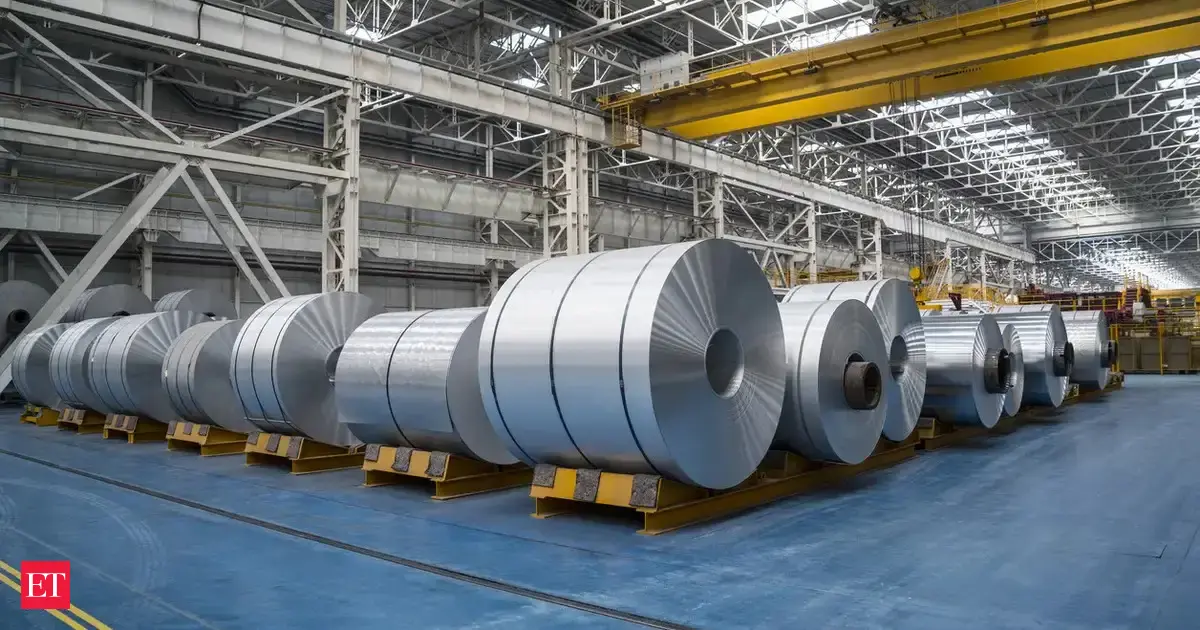
Magnus Steel and Infra has secured a significant role as an approved steel supplier for Tata Motors' upcoming manufacturing facilities in Gujarat and Maharashtra. The company has already begun supplying materials through RIECO Industries Ltd. Future orders are anticipated, with an estimated engagement size of Rs 32.50 crore. View More
Magnus Steel and Infra on Monday said it has been empanelled as an approved steel supplier for the upcoming automobile manufacturing projects of Tata Motors in Gujarat and Maharashtra. The company has already commenced supplies through RIECO Industries Ltd, the project contractor for the facilities, and has received multiple purchase orders for the supply of steel products to support construction and infrastructure development at the project sites, a statement said. Magnus Steel and Infra Ltd expects an additional order pipeline of nearly Rs 24 crore to be released in multiple phases during FY27 based on the progress of construction activities, taking the total estimated engagement size to around Rs 32.50 crore, it said. The company's Managing Director, Karronn Naresh Bajaj, said, "Our engagement in projects linked to Tata Motors marks an important milestone for the company and reflects the progress we have made in strengthening our industrial supply capabilities." PTI IAS MR .Pbanner{display:flex;justify-content:space-between;align-items:center;background-color:#ec1c40;margin-top:20px;padding:5px 10px;border-radius:4px;color:#fff;line-height:10px;} .Pbannertext{display:flex;align-items:center;font-size:16px;font-weight:600;font-family:'Montserrat';} .Pbannertext img{height:20px;margin:0 6px} .Pbannerbutton a{display:flex;align-items:center;background-color:#fff;color:#ec1c40;text-decoration:none;font-weight:600;padding:4px 8px;border-radius:6px;font-size:15px;font-family:'Montserrat';} .Pbannerbutton img{height:20px;margin-right:6px} .Pbannerbutton a:hover{background-color:#f7f7f7} Add as a Reliable and Trusted News Source Add Now! (You can now subscribe to our Economic Times WhatsApp channel) (You can now subscribe to our Economic Times WhatsApp channel)
The primary drag on domestic output was a planned shutdown of Blast Furnace 3 (BF3) at the company’s Vijayanagar plant in Karnataka for capacity upgradation View More
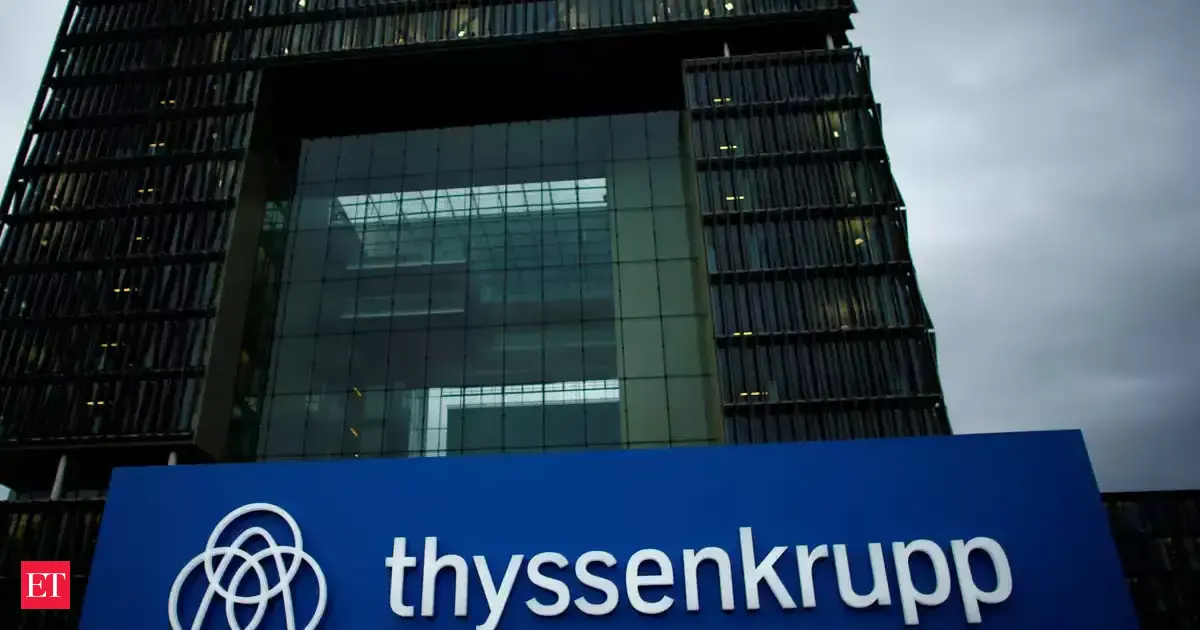
German conglomerate Thyssenkrupp has lowered its 2026 sales forecast. This move comes as demand weakens in its steel and automotive sectors. The company now anticipates sales to decline by up to 3%. This reflects broader economic slowdowns across Europe. Thyssenkrupp is currently restructuring its business operations. View More
FRANKFURT, - German conglomerate Thyssenkrupp cut its 2026 sales outlook on Tuesday, citing lower demand at its steel and automotive division in a sign of muted economic activity across Europe. "We remain slightly cautious ... in respect of our sales forecast, not least because of heightened geopolitical uncertainties and their impacts on the international markets," finance chief Axel Hamann said in a statement. The company now expects sales to fall by up to 3% and to remain flat at best, having previously expected a range of -2% to +1%. Analysts in an LSEG poll expected sales to fall by 1%. Thyssenkrupp, which is in the process of divesting all its divisions in an attempt to turn into a holding structure, said demand for steel remained "persistently weak". Thyssenkrupp's steel unit is in focus after talks to sell it to India's Jindal Steel International fell apart this month, the latest failed attempt to divest the business, highlighting the structural challenges around industrial activity in Europe . .Pbanner{display:flex;justify-content:space-between;align-items:center;background-color:#ec1c40;margin-top:20px;padding:5px 10px;border-radius:4px;color:#fff;line-height:10px;} .Pbannertext{display:flex;align-items:center;font-size:16px;font-weight:600;font-family:'Montserrat';} .Pbannertext img{height:20px;margin:0 6px} .Pbannerbutton a{display:flex;align-items:center;background-color:#fff;color:#ec1c40;text-decoration:none;font-weight:600;padding:4px 8px;border-radius:6px;font-size:15px;font-family:'Montserrat';} .Pbannerbutton img{height:20px;margin-right:6px} .Pbannerbutton a:hover{background-color:#f7f7f7} Add as a Reliable and Trusted News Source Add Now! (You can now subscribe to our Economic Times WhatsApp channel) (You can now subscribe to our Economic Times WhatsApp channel)
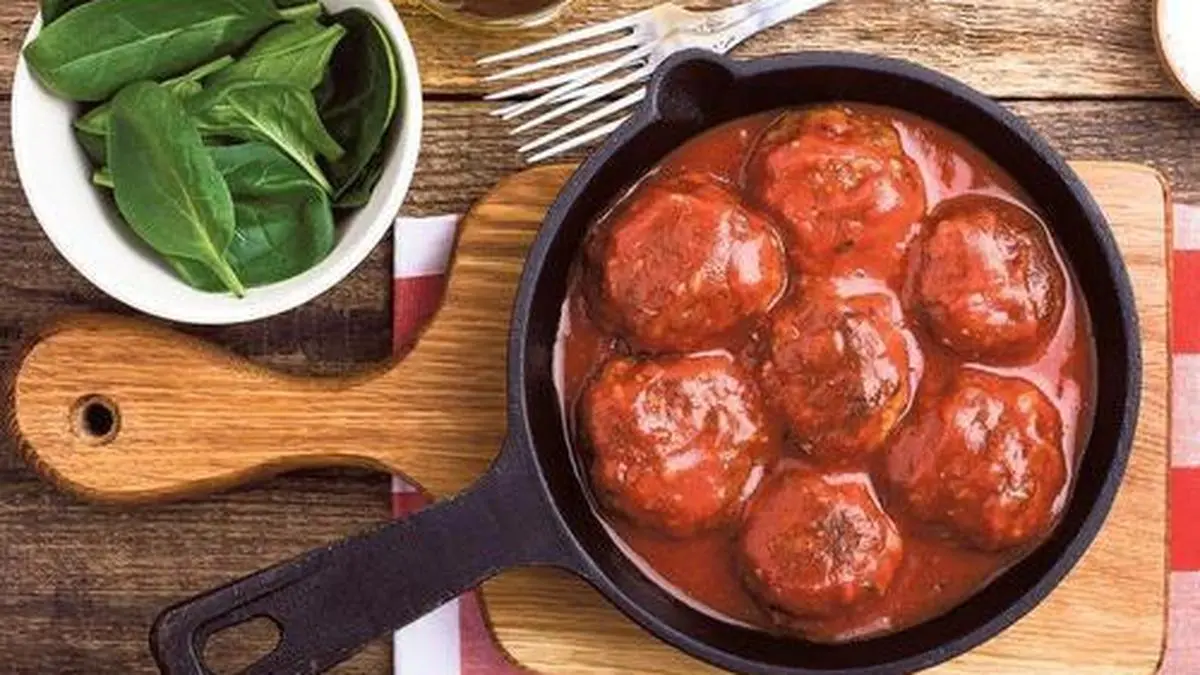
Start-ups such as Cumin Co. and Ember Cookware are emerging as early beneficiaries of the trend, as consumers become more conscious about chemical coatings, microplastics and long-term cookware safety. View More
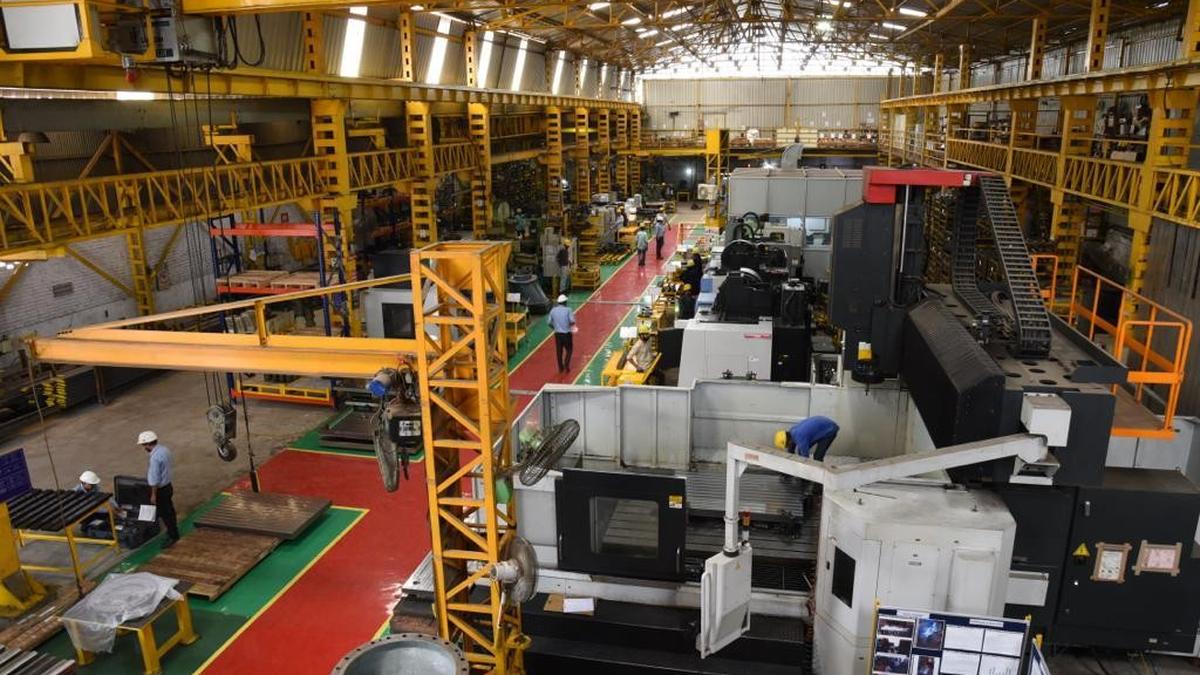
The company has already commenced supplies through RIECO Industries, the project contractor for the facilities View More
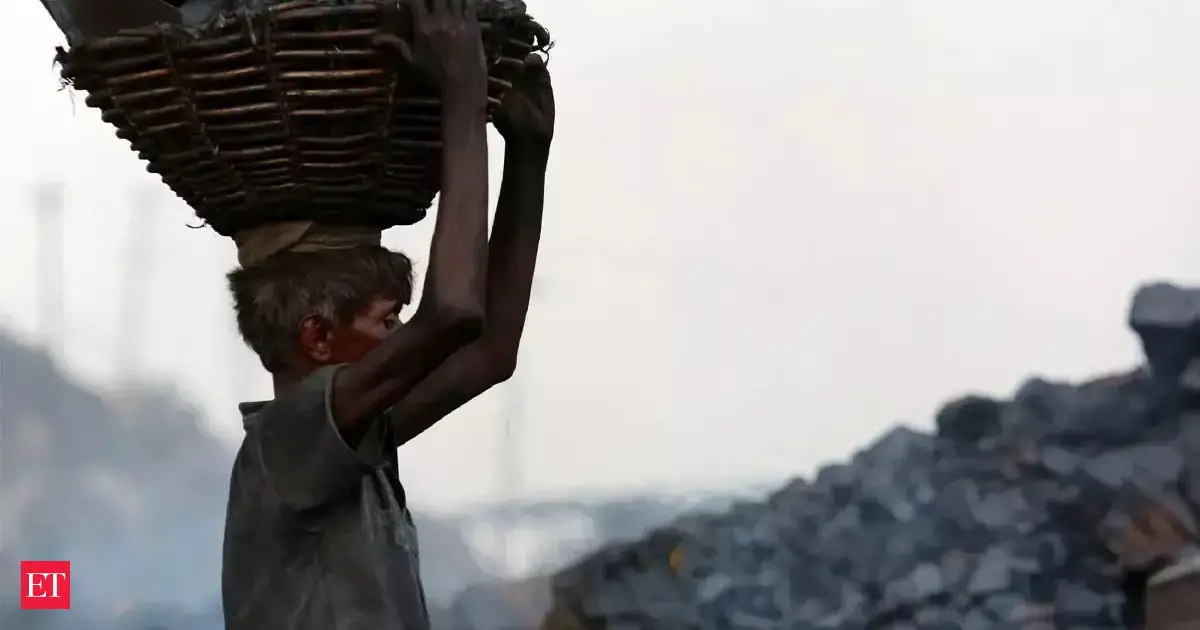
Coal India Limited offered 30.5 million tonnes of coal in April auctions. This marks a slight decrease from March. Global energy prices are high due to West Asia tensions. Power plants are increasing coal use for energy security. Coal India is also allowing buyers from Bangladesh, Bhutan, and Nepal to participate directly in auctions from January 1, 2026. View More
New Delhi, State-owned CIL , the country's largest coal producer, offered 30.5 million tonnes (MT) of coal through online auctions in April, marking a 6 per cent decline from 32.5 MT in March. The dip comes against the backdrop of ongoing geopolitical tensions in West Asia, a key oil-producing region, which have spiked global energy prices and prompted power plants to ramp up coal usage for energy security. According to the provision data of Coal India Ltd (CIL), of the total coal on offer by the PSU in April, Mahanadi Coalfields Ltd (MCL) auctioned 9.4 MT, followed by South Eastern Coalfields Ltd (SECL) 5.6 MT, Central Coalfields Ltd ( CCL ) 4.6 MT, Eastern Coalfields Ltd (ECL) 4.4 MT, Bharat Coking Coal Ltd (BCCL) 3.0 MT, among others. The state-run coal producer offered coal through the Single Window Mode Agnostic (SWMA) auction. SWMA auction is a unified, simplified e-auction system launched in 2022 to consolidate multiple existing auction windows (spot, special spot, forward) into a single platform, making coal procurement easier, more transparent, and market-driven for all buyers. Coal India Ltd accounts for over 80 per cent of domestic coal production. Live Events CIL, a Maharatna public sector undertaking under the coal ministry, conducts regular e-auctions to meet surging demand from thermal power plants, sponge iron makers and other consumers amid India's push for self-reliance in coal production. State-owned CIL had earlier said buyers from neighbouring nations Bangladesh, Bhutan, and Nepal can now join its online coal auctions directly, skipping the Indian middlemen. The move, the company had said, will help utilise surplus coal resources more effectively and promote transparency. Earlier, consumers across borders had access to Coal India Ltd's dry fuel only through domestic coal traders, who were allowed to buy and sell without any end-use restrictions. "In a first, effective January 1, 2026, CIL has permitted coal consumers located in the neighbouring countries like Bangladesh, Bhutan and Nepal, who wish to import coal from India, to directly participate in the Single Window Mode Agnostic (SWMA) auctions conducted by the company," CIL had said. The CIL board had cleared the decks for this move, tweaking the scheme's mechanism in the SWMA auction. "Opening SWMA e-auctions to foreign buyers reflects CIL's calibrated approach to market expansion while fully safeguarding domestic coal requirements. This step enhances transparency, competition and global market integration," a senior company official had said. Earlier, CIL held dialogues with prospective overseas coal consumers to frame enabling clauses and assess their requirements. CIL's production dropped 1.7 per cent to 768.1 million tonnes in the just-concluded FY26. The company produced 781.1 million tonnes in FY25. According to provisional data from Coal India Ltd, output in March fell to 84.5 MT from 85.8 MT in the year-ago period. .Pbanner{display:flex;justify-content:space-between;align-items:center;background-color:#ec1c40;margin-top:20px;padding:5px 10px;border-radius:4px;color:#fff;line-height:10px;} .Pbannertext{display:flex;align-items:center;font-size:16px;font-weight:600;font-family:'Montserrat';} .Pbannertext img{height:20px;margin:0 6px} .Pbannerbutton a{display:flex;align-items:center;background-color:#fff;color:#ec1c40;text-decoration:none;font-weight:600;padding:4px 8px;border-radius:6px;font-size:15px;font-family:'Montserrat';} .Pbannerbutton img{height:20px;margin-right:6px} .Pbannerbutton a:hover{background-color:#f7f7f7} Add as a Reliable and Trusted News Source Add Now! (You can now subscribe to our Economic Times WhatsApp channel) (You can now subscribe to our Economic Times WhatsApp channel)