Latest Sectors News
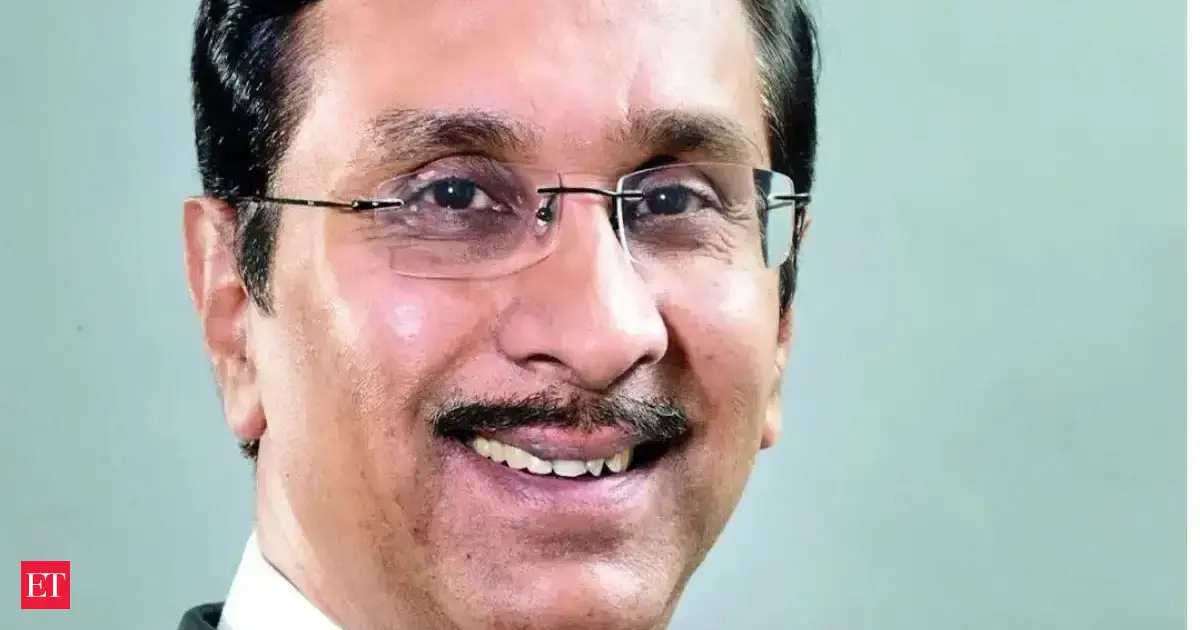
JSW Steel plans to double its capacity with minimal external capital, driven by strong domestic demand and a focus on maintaining market share. The company's confidence stems from structural improvements in its EBITDA floor and efficient brownfield expansion, ensuring robust internal cash generation to fund growth. View More
JSW Steel expects minimal need for external capital to support its capacity-doubling plans, joint managing director Jayant Acharya told ET's Nikita Periwal in an interview. This expansion, he said, is essential for the company to maintain its market share in the rapidly growing domestic steel market. Edited excerpts: What is giving you confidence to double capacity, given geopolitical disruptions and the cyclical nature of steel? Over the last six years, through wars and Covid, the demand for steel in India went from around 100 million tonnes to about 160 million tonnes last year, despite all the turbulence. What matters is separating short-term noise from medium- to long-term trends, which tend to smooth out the bumps. The fundamental story of India hasn't changed. To produce another 50 million tonnes, we need 60-65 million tonnes of capacity, adding at least 10-20 million tonnes per year. The way India is growing today, supply is going to lag demand. So this pace of capacity addition is essential? JSW Steel's share of hot-rolled flat capacity in India is about 40%. If flat steel demand grows by 50 million tonnes by 2032, and I want to maintain my 40% share, I will have to add at least 20 million tonnes. And that it just to maintain market share. If we don't do it, or Tata Steel , SAIL or Jindal Steel don't do it, then we will be lagging much more than anticipated. For this pace of capex, do you need another aberration year like 2022-a super year for steel-to fund it? No. What Covid taught all of us is to become more structurally cautious. We have focused on cost, production and efficiencies that will stand the test of time. In December last year-one of the lowest steel price periods in six years-our EBITDA per tonne was still around ₹9,000. Earlier, in crisis, it had gone to ₹5,000. That ₹5,000 floor has structurally shifted to ₹9,000. Additionally, my capacity has grown and so has my ability to generate cash. Live Events By the middle of next year, we'll be at 37 million tonnes. The journey from 37 to 60 is all brownfield. One of the biggest advantages we have is faster execution. The second is our incremental capex is in the range of 500-550 dollars a tonne which, internationally, is today a billion dollar-plus for a million tonne. What is the long-term plan for funding, considering the recent debt reduction? Our net debt-to-EBITDA comfort level has been raised. Between the base cash generation, new capacities and the structural improvement in our EBITDA floor-we're very comfortable that we will not touch 3x, while our comfort level is to stay below 2.5 times. We're currently at 1.8x and the room between 1.8x and 2.5x, on a much larger base, gives us enormous headroom to fund the capex largely through internal cash generation. At 37 million tonnes, at even ₹10,000 EBITDA per tonne, we generate ₹37,000 crore of EBITDA. Total interest plus tax plus dividend doesn't exceed ₹12-13,000 crore. That leaves ₹22-24,000 crore for capex - without any additional debt. Even with such a huge capacity addition, green steel at Salav is only 4 million tonnes. Why is that? Green steel-defined as less than 0.4 tonnes of carbon per tonne of steel-requires hydrogen produced from renewable power. No one globally has reached economic viability yet. Our Salav route uses natural gas, DRI-based charging and entirely renewable power, taking us to 0.7-0.8 tonnes of carbon. The challenge is gas-price volatility; without long-term supply security, the business case doesn't hold. Green steel is a priority, but we won't build a model dependent solely on premium pricing assumptions. Will there be any business impact from the European carbon border mechanisms? No. About 90% of our sales is in India, and this ratio isn't going to change much-incremental Indian demand keeps absorbing the capacity. Europe will become increasingly irrelevant as an export market for us. It is going through a structural decline-non-competitive industry, ageing population, high pension liabilities, energy prices through the roof. Our total cost base-including labour, which is below 2% of revenues versus Europe's 15-20%-is fundamentally different. The CBAM is more about protecting European manufacturers than any genuine environmental concern. China remains the original joker for steel pricing. Does risk reduce for you with the increased scale? Chinese production is moderating each year, and I expect exports to moderate as well. Combined with safeguard duties in India and rising duties globally, protection is increasing. India's 12% safeguard, stepping down to 11.5%, is balanced, not excessive. We just need to ensure India isn't used as a dumping ground. Is the investment by the private sector actually picking up or it the narrative misleading? After GST and other structural reforms, capacity utilisation has steadily increased. At around 77% manufacturing utilisation, companies have the confidence to expand. Renewable energy investments are accelerating due to the energy crisis. Corporates strengthened their balance sheets during Covid, and private equity is entering sectors that earlier never attracted such capital. .Pbanner{display:flex;justify-content:space-between;align-items:center;background-color:#ec1c40;margin-top:20px;padding:5px 10px;border-radius:4px;color:#fff;line-height:10px;} .Pbannertext{display:flex;align-items:center;font-size:16px;font-weight:600;font-family:'Montserrat';} .Pbannertext img{height:20px;margin:0 6px} .Pbannerbutton a{display:flex;align-items:center;background-color:#fff;color:#ec1c40;text-decoration:none;font-weight:600;padding:4px 8px;border-radius:6px;font-size:15px;font-family:'Montserrat';} .Pbannerbutton img{height:20px;margin-right:6px} .Pbannerbutton a:hover{background-color:#f7f7f7} Add as a Reliable and Trusted News Source Add Now! (You can now subscribe to our Economic Times WhatsApp channel) (You can now subscribe to our Economic Times WhatsApp channel)
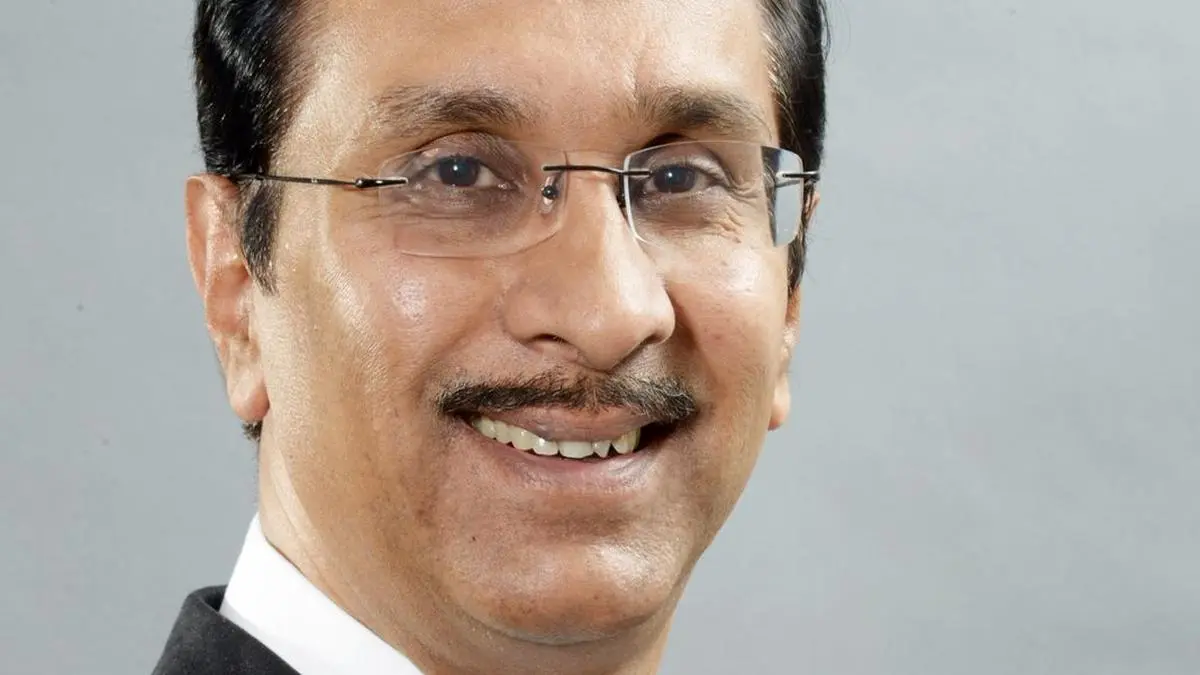

Including planned capacity expansions at BPSL, the tie-ups with Japan's JFE Steel and Korea's POSCO would add about 16 mtpa capacity by 2032, setting it on course to reach 80 mtpa capacity by 2032, according to Jayant Acharya, the chief executive officer and joint managing director of JSW Steel. View More
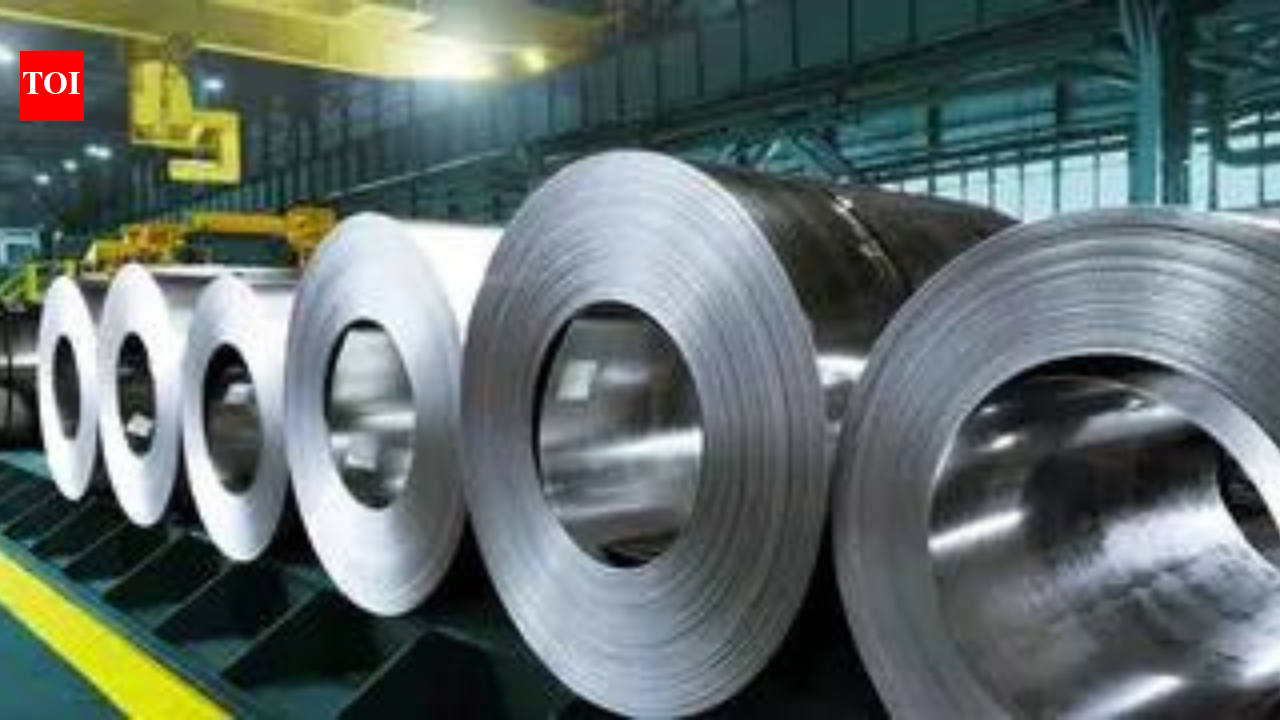
Global steel prices surged in April and early May, with India emerging as a fast-growing market. Hot rolled coil prices rose across major regions, led by Brazil. India's crude steel production saw an 11% year-on-year increase in March, outpacing global trends. China's steel output contracted, though capacity cuts are expected to be delayed. View More
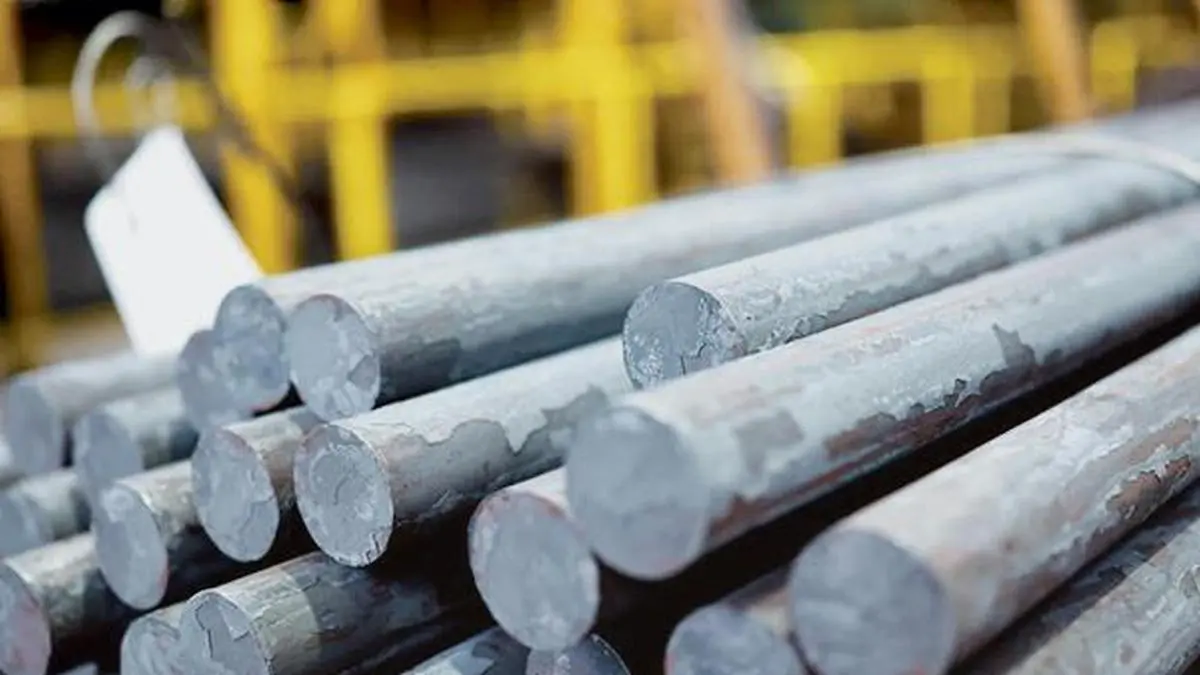
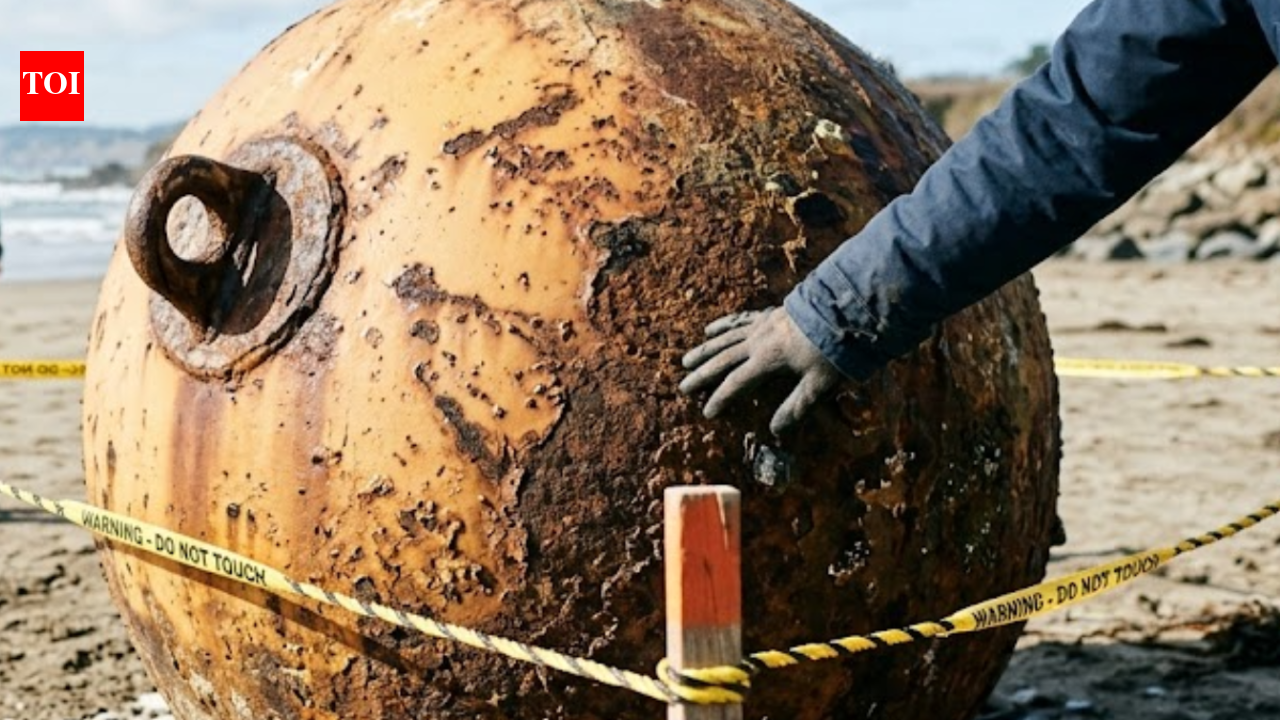
A mysterious metal sphere washed ashore in Japan, sparking global panic and wild online speculation about spy devices. However, officials confirmed it was a harmless oceanographic buoy, highlighting how easily fear and misinformation spread in our hyper-connected world. The 'threat' will now be recycled, a stark reminder of reality versus online hype. View More

Tata Steel closed FY26 with a 6% revenue rise to ?2.32 trillion and a threefold jump in net profit, driven by strong volumes and firm steel prices. View More