
Latest Sectors News

CNBC’s Jim Cramer said investors should hold off on buying newly public AI infrastructure company Accelevation Holdings. View More
In this articleACCVFollow your favorite stocksCREATE FREE ACCOUNT watch nowVIDEO1:5901:59Jim Cramer on Accelevation: I'd rather stick with more established playersMad Money with Jim CramerThere's a new picks-and-shovels play on the artificial intelligence build-out, but CNBC's Jim Cramer said Tuesday that investors should keep the stock at arm's length. The "Mad Money" host gave two primary reasons for holding off on Accelevation Holdings: He's becoming more cautious about data center stocks ahead of the midterm elections and prefers established companies with proven track records. That's why Cramer's Charitable Trust, the portfolio run by the CNBC Investing Club, instead owns shares of AI infrastructure players such as gas turbine maker GE Vernova and electrical equipment supplier Eaton."Accelevation has an exciting story, but after it came public with a whimper, I'm not too eager to jump on this one," he said. "For now, I say let's put Accelevation on our watch list and see if management can deliver before we pull the trigger." Accelevation, which makes and installs electric, cooling equipment and support structures inside data centers, priced its offering on Sept. 29 at $18 per share, below its proposed offering range. Shares debuted the next day and closed at $17.95. They have since fallen to just over $15, a disappointing first couple of weeks for a company benefiting from surging demand for AI infrastructure.Cramer's first concern extends beyond Accelevation. With the midterm elections just three weeks away, he expects political opposition to data center construction to remain a headwind for the broader industry. The enormous electricity demands of these facilities and their potential impact on energy costs have become political flashpoints, making Cramer reluctant to recommend buying into the sector before voters head to the polls."If you're going to buy a data center supplier, I think you should wait three weeks until after the election â that's when I expect some of the political heat to die down," he said. His second concern is specific to Accelevation. While the company's growth has been impressive, Cramer is less confident in its ability to consistently turn that demand into profits, particularly as it competes with larger industrial players. Accelevation's revenue surged 147% in 2025, while sales jumped another 176% year over year in the first half of 2026. However, higher labor costs and project inefficiencies weighed on gross margins during that period. "That tells me some of this work has been much harder to execute profitably than these guys expected," Cramer said. He also expressed concerns about Accelevation's competitive position, citing Vertiv and Eaton as established companies that pursue overlapping segments of the data center infrastructure market. "There are a ton of different ways to play this story," he said. "I'd rather go with the ones that have earned my confidence."watch nowVIDEO8:0508:05Jim Cramer does his homework on AccelevationMad Money with Jim CramerJim Cramer's Guide to InvestingClick here to read Jim Cramer's Guide to Investing at no cost to help you build long-term wealth and invest smarterSign up now for the CNBC Investing Club to follow Jim Cramer's every move in the market.DisclaimerQuestions for Cramer? Call Cramer: 1-800-743-CNBCWant to take a deep dive into Cramer's world? Hit him up! Mad Money Twitter - Jim Cramer Twitter - Facebook - InstagramQuestions, comments, suggestions for the "Mad Money" website? madcap@cnbc.com Choose CNBC as your preferred source on Google and never miss a moment from the most trusted name in business news.
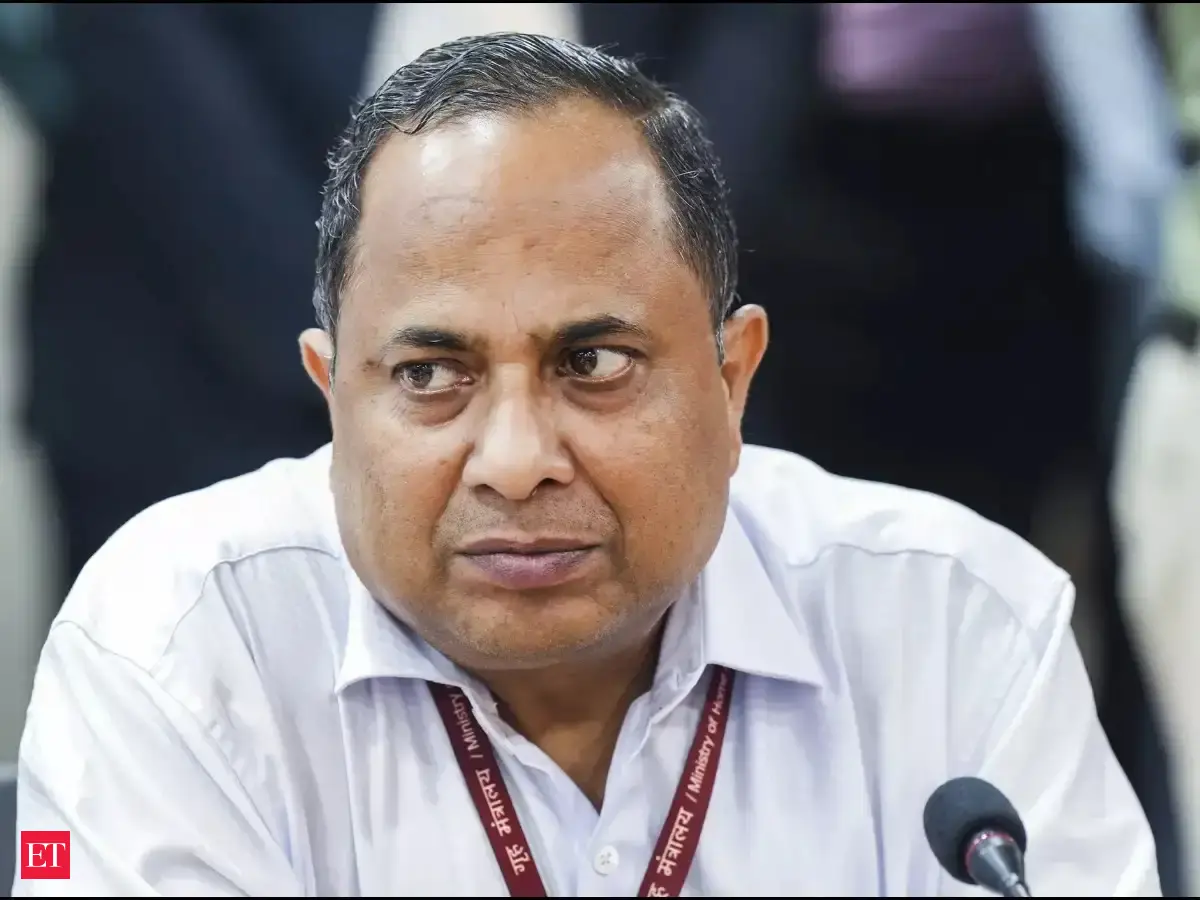
India's electricity demand has grown significantly this year, with peak demand reaching record levels in recent months. The Central Electricity Authority now estimates an increase in coal-fired power capacity requirements to 115 GW by FY32-FY34. Renewable energy growth is also expected to continue at more than 50 GW annually. Factors influencing demand include economic growth and climatic conditions like El Niño. View More
New Delhi: India may need to add more coal-fired power capacity than previously projected to meet rising electricity demand, even as renewable energy additions continue at a rapid pace, Central Electricity Authority (CEA) chairperson Ghanshyam Prasad said on Tuesday. The initial target for additional thermal capacity was 97 GW with 2023 as the reference year, which was later revised to 105 GW. Now, it is expected to rise to 115 GW, Prasad said at India Energy Summit organised by Indian Chamber of Commerce. The additional capacity is likely to be required by around FY32-FY34, he said on the sidelines of the event. "The way the demand is growing, this figure needs to move slightly higher. It needs to be done, though the numbers aren't final yet," Prasad told reporters. "We have to have a judicious mix of all kinds of resources in the country." India's current thermal power capacity is 252.5 GW, about 45% of the total installed capacity. Power demand in the country has grown over 10% on a year-on-year basis this year, with high cooling and irrigation demand. Peak power demand touched 271 GW in May and September. Last year, the weather was favourable with good monsoon rains, making the base lower, Prasad noted. He said renewable energy will continue to grow at the required pace. "Last year is a very good example of renewables getting added into the systems," he added. India added over 50 GW of renewable energy capacity in FY26, the highest ever in green energy capacity in the country. "And this phenomenon will keep on growing almost every year, with capacity addition of more than 50 GW each year coming from renewable energy itself," Prasad said. Live Events With the plant load factor of coal-based units running high this year, the concern is also of fuel availability because of the sharp stock depletion in the last few months. Many of the thermal power plants have not been able to take maintenance shutdowns because of the high-power demand, which started as early as March this year. "We are not finding time to put them on the maintenance cycle... But we have been able to manage them [challenges] in a much better manner," Prasad said. Addressing the session, NTPC chairman and managing director Gurdeep Singh said the high power demand situation is because of the El Nino condition and economic growth. Going forward, the artificial intelligence (AI) and data centre boom will also contribute to the demand, he said. "I am not including electric vehicles, but I think the cooling load is one thing which all of us will start facing... This is going to really be a push to the demand," Singh said. .Pbanner{display:flex;justify-content:space-between;align-items:center;background-color:#ec1c40;margin-top:20px;padding:5px 10px;border-radius:4px;color:#fff;line-height:10px;width: 100%;box-sizing: border-box} .Pbannertext{display:flex;align-items:center;font-size:16px;font-weight:600;font-family:'Montserrat';} .Pbannertext img{height:20px;margin:0 6px} .Pbannerbutton a{display:flex;align-items:center;background-color:#fff;color:#ec1c40;text-decoration:none;font-weight:600;padding:4px 8px;border-radius:6px;font-size:15px;font-family:'Montserrat';} .Pbannerbutton img{height:20px;margin-right:6px} .Pbannerbutton a:hover{background-color:#f7f7f7} Add as a Reliable and Trusted News Source Add Now! (You can now subscribe to our Economic Times WhatsApp channel) (You can now subscribe to our Economic Times WhatsApp channel)

CEA Chairman Ghanshyam Prasad warns of depleting coal stocks at power plants amid rising demand, calling for more baseload capacity and a balanced mix of energy resources View More

Rising electricity consumption, longer peak-demand periods and emerging technologies are prompting the state-run utility to expand generation and storage capabilities View More
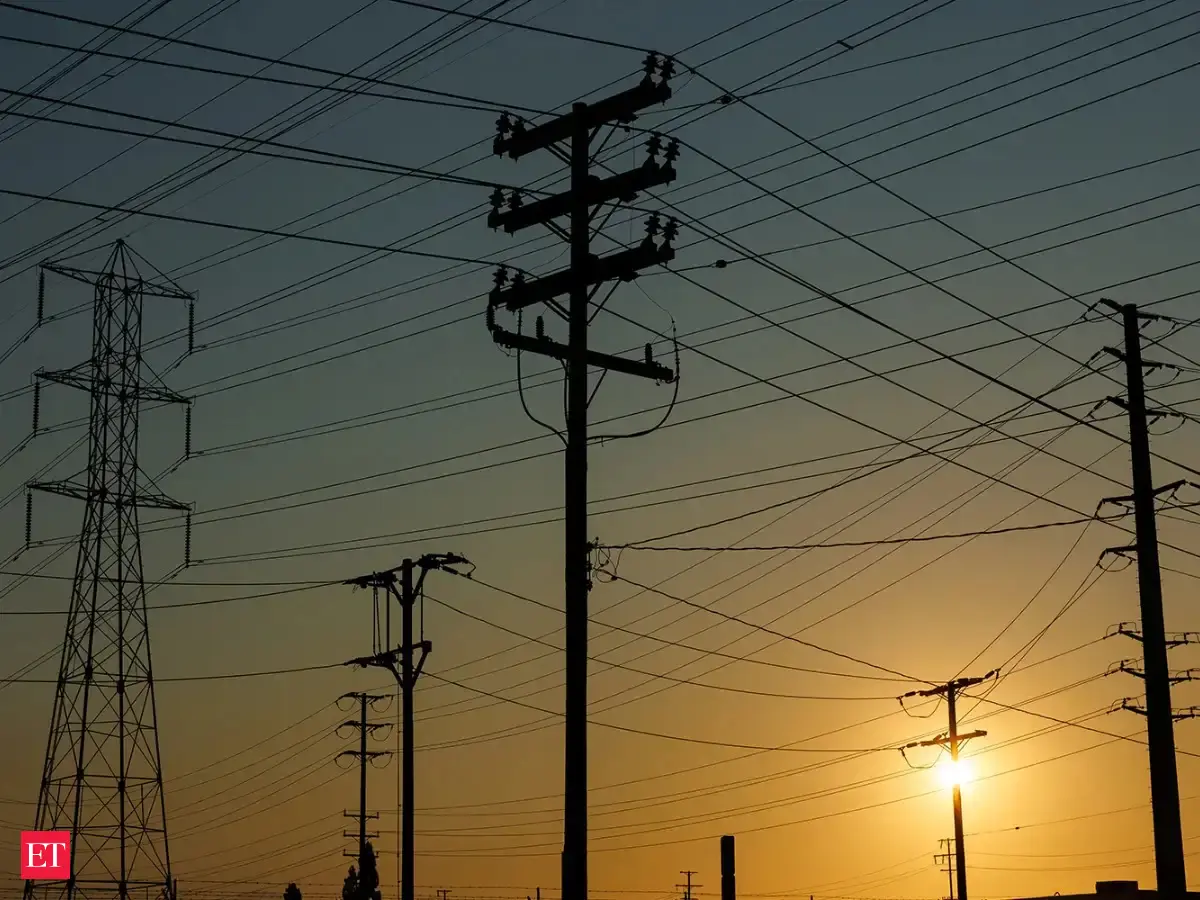
India's electricity demand has risen sharply, prompting a potential increase in planned coal power capacity. The Central Electricity Authority chairperson indicated that coal capacity could rise significantly beyond previous targets. Coal-fired generation has surged due to lower hydropower output, leading to notable power shortages. Renewable energy additions continue, with over 50 GW expected each year to support demand. View More
New Delhi: India's rapidly growing demand for electricity could force it to add substantially more coal-fired power capacity than planned, the head of the power sector planner said on Tuesday. The South Asian nation, which planned last year to add 97 GW of coal power capacity to reach 307 GW by 2035, currently has about 230 GW of capacity. Also Read: Blackouts hit Indian factories as coal crunch feeds into economy "Now, probably it will go up to 105 GW or even 150 GW," said Ghanshyam Prasad , chairperson of the Central Electricity Authority (CEA), referring to the further capacity needed beyond last year's target. "Demand is growing and as the demand grows we need a stable supply resources to meet this demand as well," he told an event organised by business group the Indian Chamber of Commerce. Live Events The comments underscore how stronger-than-expected power demand is prompting India to chalk in sizeable coal expansion plans, even as it aggressively adds renewable energy capacity. Daily peak electricity demand this year has been running about 45 GW to 50 GW higher than a year earlier, partly because weaker monsoon rains reduced hydroelectric output and increased reliance on thermal plants, Prasad added. India's power shortages surged to 560 million kilowatt-hours (kWh) in September, the highest since August 2023, even as coal-fired plants increased output to meet strong demand. Coal-fired generation rose 13.3% in September from a year earlier, while hydropower generation has fallen 20% from a year ago, government data showed. Also Read: Coal ministry says fuel supply to power plants up in October Prasad said the push for coal generation did not mean India was slowing renewable energy development. The country added about 50 GW of renewable capacity last year and is expected to continue adding more than 50 GW annually, he said. But renewable growth must be complemented by other sources, such as nuclear power and pumped-storage hydropower, to maintain grid stability and ensure reliable electricity supplies as demand keeps rising, Prasad added. .Pbanner{display:flex;justify-content:space-between;align-items:center;background-color:#ec1c40;margin-top:20px;padding:5px 10px;border-radius:4px;color:#fff;line-height:10px;width: 100%;box-sizing: border-box} .Pbannertext{display:flex;align-items:center;font-size:16px;font-weight:600;font-family:'Montserrat';} .Pbannertext img{height:20px;margin:0 6px} .Pbannerbutton a{display:flex;align-items:center;background-color:#fff;color:#ec1c40;text-decoration:none;font-weight:600;padding:4px 8px;border-radius:6px;font-size:15px;font-family:'Montserrat';} .Pbannerbutton img{height:20px;margin-right:6px} .Pbannerbutton a:hover{background-color:#f7f7f7} Add as a Reliable and Trusted News Source Add Now! (You can now subscribe to our Economic Times WhatsApp channel) (You can now subscribe to our Economic Times WhatsApp channel)

The power producer is in talks with prospective overseas customers as it develops a proposed green hydrogen ?hub in Andhra Pradesh, Chairman Gurdeep Singh said at an event organised by the Indian Chamber of Commerce View More
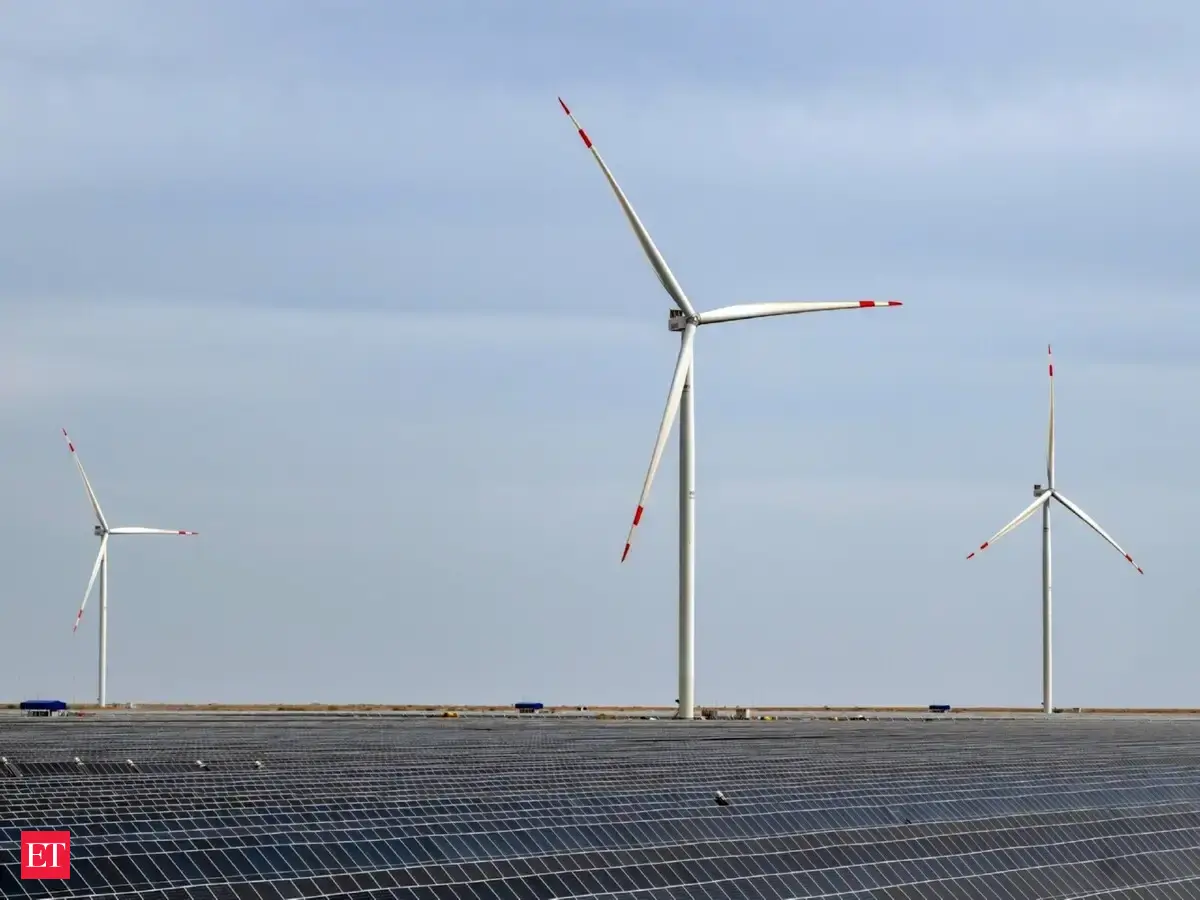
India's power sector is expected to post up to 11 per cent year-on-year (YoY) profit growth in Q2FY27, driven by strong electricity demand, higher plant load factors and potential incentives for thermal power producers, according to Nuvama Institutional Equities. View More
New Delhi: India's power sector is expected to post up to 11 per cent year-on-year (YoY) profit growth in Q2FY27, driven by strong electricity demand, higher plant load factors and potential incentives for thermal power producers, according to Nuvama Institutional Equities. Nuvama noted in its report, India's power demand rose nearly 12 per cent YoY to 163 billion units (BU) in September 2026 and 11.7 per cent to 503 BU in Q2FY27. This was largely due to high humidity and lower average rainfall. On the other hand, "peak power demand surged ~17.5% YoY to 269GW in Sep-26, led by non-solar hour demand." Meanwhile, India's thermal power accounted for nearly 69 per cent of total generation in Q2FY27, with plant load factors (PLFs) rising to 68.3 per cent from 61.9 per cent in Q2FY26. Apart from this, tighter power supply pushed electricity prices higher on the Indian Energy Exchange (IEX), with solar-hour prices remaining elevated. Additionally, non-solar-hour prices also increased in September on YoY basis. Live Events "Tighter supply pushed IEX prices higher, with solar-hour prices remaining elevated at INR5.6/unit and non-solar prices surging to INR9.5/unit in Sep-26 from Rs 3.2/unit in Sep-25," it said. Nuvama further noted, electricity trading volumes on IEX rose 10.4 per cent YoY in September 2026 and 12.7 per cent in Q2FY27, with solar-hour prices averaging around Rs 3.8 per kWh during the quarter. However, total trading volumes, including Renewable Energy Certificates (RECs), grew nearly 9 per cent year-on-year in September, while quarterly growth remained subdued at around 4 per cent. At the same time, "Coal stock at NTPC 's plants was down to about seven days in Sep-26 with low inventory of ~21MT (-54% YoY)," which further indicated a "tight" coal supply situation in the country. "Total RE additions stood at ~16.4GW YTD (till Sep-26) with solar additions contributing ~14.3GW in YTDFY27," it said. Overall, as per the brokerage house, "IEX is expected to post moderate growth with overall volume rising merely 4% in Q2FY27." Meanwhile, major thermal power producers are expected to report 8-9 per cent year-on-year profit growth, supported by higher plant load factors (PLFs) and potential incentives. .Pbanner{display:flex;justify-content:space-between;align-items:center;background-color:#ec1c40;margin-top:20px;padding:5px 10px;border-radius:4px;color:#fff;line-height:10px;width: 100%;box-sizing: border-box} .Pbannertext{display:flex;align-items:center;font-size:16px;font-weight:600;font-family:'Montserrat';} .Pbannertext img{height:20px;margin:0 6px} .Pbannerbutton a{display:flex;align-items:center;background-color:#fff;color:#ec1c40;text-decoration:none;font-weight:600;padding:4px 8px;border-radius:6px;font-size:15px;font-family:'Montserrat';} .Pbannerbutton img{height:20px;margin-right:6px} .Pbannerbutton a:hover{background-color:#f7f7f7} Add as a Reliable and Trusted News Source Add Now! (You can now subscribe to our Economic Times WhatsApp channel) (You can now subscribe to our Economic Times WhatsApp channel)

India has outlined plans to become a major green hydrogen producer, even as developers worldwide have struggled to secure the long-term offtake agreements required to underpin large-scale investments View More

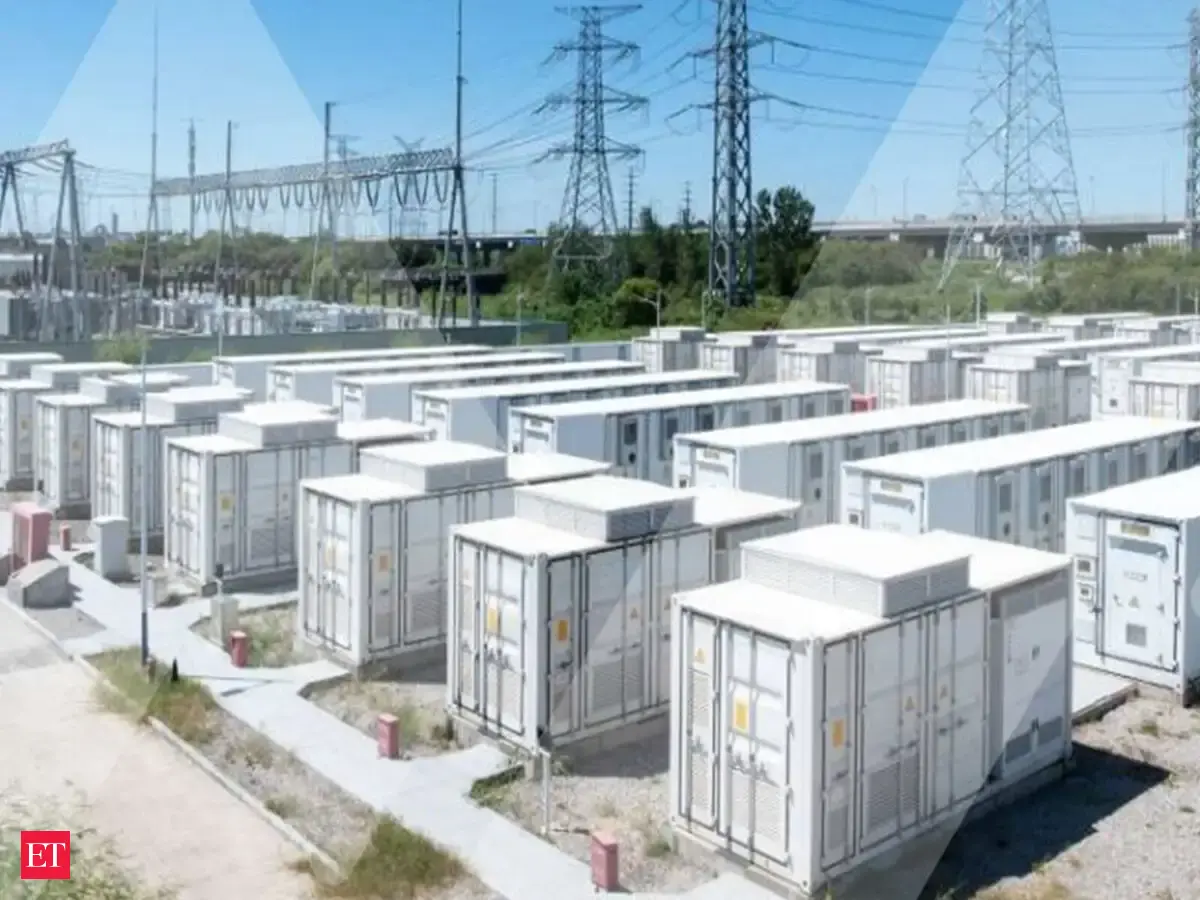
India's Battery Energy Storage System (BESS) sector is projected to register a compound annual growth rate (CAGR) of 91 per cent between FY26 and FY32E, according to a recent report by Nuvama. The expansion reflects a critical infrastructure cycle designed to support renewable integration, grid balancing, and round-the-clock power requirements across the country. View More
New Delhi: India's Battery Energy Storage System (BESS) sector is projected to register a compound annual growth rate (CAGR) of 91 per cent between FY26 and FY32E, according to a recent report by Nuvama. The expansion reflects a critical infrastructure cycle designed to support renewable integration, grid balancing, and round-the-clock power requirements across the country. The report noted that cumulative capacity will surge from 6.3GWh to 302GWh over the same period, with annual additions climbing from 5.7GWh in FY26 to 56GWh by FY32E. The report mentioned that Central Electricity Authority (CEA) estimates national BESS demand at 236GWh by FY32 and 1,840GWh by 2047. "We estimate annual BESS additions to rise from 5.7GWh in FY26 to 56GWh by FY32E, taking cumulative capacity from 6.3GWh to 302GWh (91% CAGR) over FY2632E," the report said. "With 89% of current requirements met through imports, falling battery costs, alongside likely ALMM-like framework, could accelerate adoption, localisation and domestic capacity growth. Although Li-ion occupies 98% of the BESS market, sodium-ion technology and China+1 themes are an opportunity for India," the report added. Manufacturing economics reveal distinct margins across end-markets, with commercial, industrial, and retail segments yielding spreads of USD 18 to 23 per kilowatt-hour, corresponding to EBITDA margins of 17 to 20 per cent. By contrast, the utility segment records spreads of USD 8 per kilowatt-hour and an EBITDA margin of 9 per cent. Live Events "Our analysis shows attractive cell-to-pack manufacturing economics with materially differentiated spreads across end-markets," the report noted. "Even with low spreads of USD8/kWh (EBITDA margin 9%) for the Utility segment, our calculation and channel checks indicates one-two year payback." The report also highlighted that while returns for an integrated BESS facility yield a modest internal rate of return of 12 per cent, domestic production maintains a distinct cost advantage through capital expenditure of USD 80 million per gigawatt-hour, coupled with production-linked incentive support of Rs 181 billion for 50GWh and competitive labour expenses. Cell-to-pack configurations demonstrate an internal rate of return of 31 per cent. "We believe with policy support, localisation and scale, integrated BESS could open up export-led growth," the report noted. Financially, BESS integration is estimated to contribute 17 to 60 per cent to company revenues by FY28. Premier presents an opportunity of Rs 103 billion, representing 60 per cent of its projected FY28 revenue, while Vikram is positioned for a 54 per cent revenue uplift. "Despite early battery ambitions and potential BESS addition of 17-60% to FY28E revenue, most listed solar/BESS players' earnings are yet to capture meaningful BESS contribution," the report stated. "At 17x FY27E EPS, solar/BESS trades at 77% discount to battery chemicals and 64% discount to battery IPP peers. As capacity ramps up, we believe BESS could emerge as a strong driver of earnings upgrade and valuation re-rating," the report said. .Pbanner{display:flex;justify-content:space-between;align-items:center;background-color:#ec1c40;margin-top:20px;padding:5px 10px;border-radius:4px;color:#fff;line-height:10px;width: 100%;box-sizing: border-box} .Pbannertext{display:flex;align-items:center;font-size:16px;font-weight:600;font-family:'Montserrat';} .Pbannertext img{height:20px;margin:0 6px} .Pbannerbutton a{display:flex;align-items:center;background-color:#fff;color:#ec1c40;text-decoration:none;font-weight:600;padding:4px 8px;border-radius:6px;font-size:15px;font-family:'Montserrat';} .Pbannerbutton img{height:20px;margin-right:6px} .Pbannerbutton a:hover{background-color:#f7f7f7} Add as a Reliable and Trusted News Source Add Now! (You can now subscribe to our Economic Times WhatsApp channel) (You can now subscribe to our Economic Times WhatsApp channel)