
Latest Sectors News

Bihar's power distribution companies are set for stock market listing in two to three years. This follows two years of reported profits. The state government has invested significantly in the power sector. North Bihar Power Distribution Company and South Bihar Power Distribution Company have shown strong financial performance. View More
New Delhi: Bihar is considering listing its power distribution companies on stock exchanges in two to three years, energy secretary Manoj Kumar Singh told ET. The state's discoms have reported profits over the past two years, and a listing will be pursued after further improvements in revenue streams, he said. Singh attributed the turnaround to policy support, political backing and execution. "Bihar government has invested ₹75,000 crore apart from centrally sponsored schemes in the last 10 years," he said. North Bihar Power Distribution Company (NBPDC) reported a profit of ₹1,338.6 crore in FY25, up from ₹1,105.9 crore in FY24. South Bihar Power Distribution Company (SBPDC) posted a net profit of ₹744 crore in FY25 compared with ₹63.5 crore in FY24. In the latest ranking report by the power ministry and REC Ltd of 66 discoms, NBPDC was placed 13th, while SBPDC ranked 24th. Live Events Of the state's 22.2 million consumers, about 62.6% are served by the north Bihar utility, with the rest covered by the south Bihar company. The Centre had in 2024 advised states to consider listing power sector entities, starting with transmission companies, to meet future investment needs. The state is in the process of appointing a merchant banker to list Bihar Power Transmission Company in FY27, Singh said. Nuclear Ambitions The state is exploring the development of at least two nuclear power plants, with surveys under way by NTPC and Nuclear Power Corporation in Nawada, Banka and Siwan districts. The state government will support the projects with land and water availability. "We are very hopeful that at least two nuclear power projects will come up in Bihar," Singh said. .Pbanner{display:flex;justify-content:space-between;align-items:center;background-color:#ec1c40;margin-top:20px;padding:5px 10px;border-radius:4px;color:#fff;line-height:10px;} .Pbannertext{display:flex;align-items:center;font-size:16px;font-weight:600;font-family:'Montserrat';} .Pbannertext img{height:20px;margin:0 6px} .Pbannerbutton a{display:flex;align-items:center;background-color:#fff;color:#ec1c40;text-decoration:none;font-weight:600;padding:4px 8px;border-radius:6px;font-size:15px;font-family:'Montserrat';} .Pbannerbutton img{height:20px;margin-right:6px} .Pbannerbutton a:hover{background-color:#f7f7f7} Add as a Reliable and Trusted News Source Add Now! (You can now subscribe to our Economic Times WhatsApp channel) (You can now subscribe to our Economic Times WhatsApp channel)
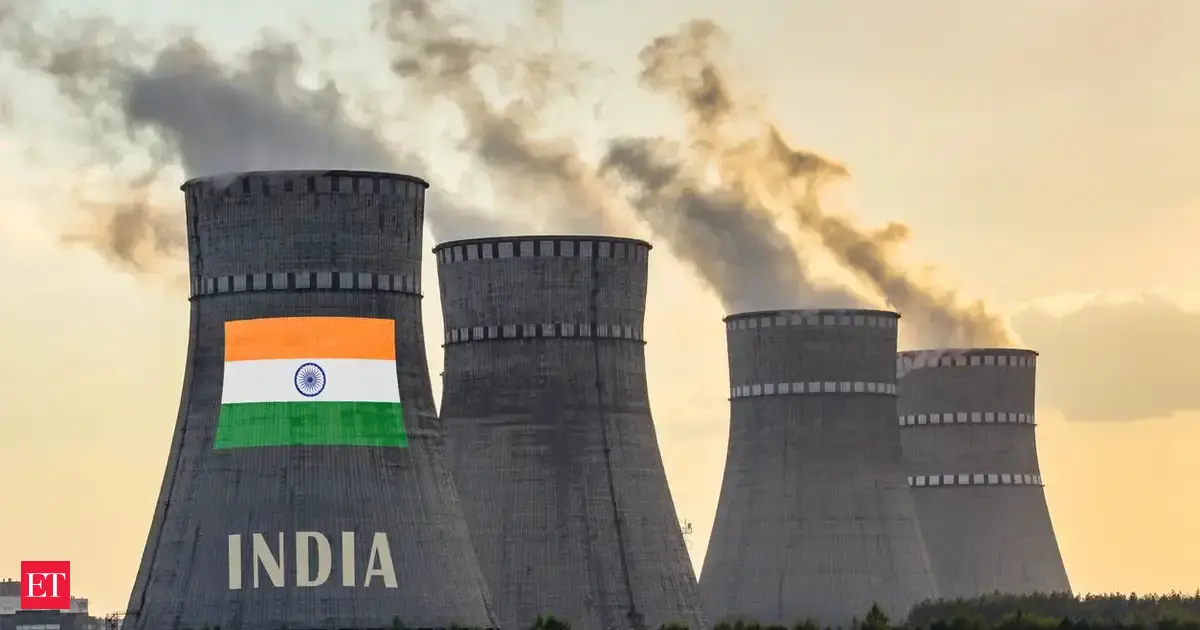
The Atomic Energy Regulatory Board (AERB) has granted approval for excavation activities for Units 1 and 2 of the Mahi Banswara Rajasthan Atomic Nuclear Power Project (MBRAPP). This project, a joint venture between NPCIL and NTPC, will feature 700 MWe pressurized heavy water reactors. The foundation stone for the Rs 42,000 crore project was laid in September 2025. View More
New Delhi: The Atomic Energy Regulatory Board (AERB) has given consent for the start of activities towards excavation for the construction of the Mahi Banswara Rajasthan Atomic Nuclear Power Project (MBRAPP) units one and two. The project will be developed by Anushakti Vidyut Nigam Limited (ASHVINI), a joint venture between Nuclear Power Corporation of India Limited ( NPCIL ) and NTPC Limited to build, own and operate nuclear power plants in the country. "The excavation consent follows the consent issued to NPCIL for the Mahi Banswara Site in May 2025 for construction of MBRAPP Units 1- 4. The consent was subsequently transferred to ASHVINI in September 2025," the AERB said on March 26. Units one and two of MBRAPP will have a 700 MWe pressurised heavy water reactor (PHWR) design. The PHWRs are reactors that use natural uranium as fuel and heavy water (deuterium oxide) as coolant and moderator. Live Events In September 2025, Prime Minister Narendra Modi laid the foundation stone for the MBRAPP in Rajasthan's Banswara. The project is to be set up at a total cost of Rs 42,000 crore. .Pbanner{display:flex;justify-content:space-between;align-items:center;background-color:#ec1c40;margin-top:20px;padding:5px 10px;border-radius:4px;color:#fff;line-height:10px;} .Pbannertext{display:flex;align-items:center;font-size:16px;font-weight:600;font-family:'Montserrat';} .Pbannertext img{height:20px;margin:0 6px} .Pbannerbutton a{display:flex;align-items:center;background-color:#fff;color:#ec1c40;text-decoration:none;font-weight:600;padding:4px 8px;border-radius:6px;font-size:15px;font-family:'Montserrat';} .Pbannerbutton img{height:20px;margin-right:6px} .Pbannerbutton a:hover{background-color:#f7f7f7} Add as a Reliable and Trusted News Source Add Now! (You can now subscribe to our Economic Times WhatsApp channel) (You can now subscribe to our Economic Times WhatsApp channel)
India is rapidly expanding its Piped Natural Gas network. Over 3.1 lakh new connections were added in March, with another 2.7 lakh issued. This push comes as West Asia disruptions impact cooking gas supplies. The government is prioritizing PNG for homes and businesses. Fuel supplies remain adequate, and authorities are working to ensure consumer access. View More
New Delhi: India added more than 3.1 lakh new piped natural gas (PNG) connections in March and another 2.7 lakh connections were issued as the government accelerated expansion of cleaner fuel networks amid supply disruptions following the closure of the Strait of Hormuz. With the war in West Asia disrupting cooking gas LPG supplies, the government has been pushing for greater adoption of piped natural gas - considered more convenient than LPG cylinders for everyday use as gas is delivered through a pipeline directly to home without the botheration of booking refills. Also Read: 6,000 PNG users surrender LPG connections after govt revises rule amid Iran war The war has effectively shut the Strait of Hormuz - the shipping lane through which India got most of its LPG. While LPG supplies have been disrupted, half of the country's requirement of natural gas is produced locally and for the rest there are diversified sources. "During the month of March, more than 3.1 lakh connections including domestic, commercial, hostel, mess, canteen etc. have been gasified. In addition to above, more than 2.7 lakh new connections have been given and are being gasified," an oil ministry statement said giving an update on fallout of developments in West Asia. Live Events India at the end of February had 1.64 crore domestic PNG connections, 48,568 commercial and 21,512 industrial connections. The 3.1 lakh gasified connections refers to those which had been applied in earlier months and had been connected and gas supplies started in March. Besides, 2.7 lakh is the number of new PNG connections sought during the month, for which gas supplies are in the process of being started. Also Read: LPG crisis: Centre allows temporary kerosene supply in 21 states, UTs The statement said the government is prioritising PNG rollout to households, commercial establishments and institutions, extending a national expansion drive to end-June and directing city gas distributors to fast-track connections, including for hostels, community kitchens and educational facilities. All refineries, it said, are operating at high capacity with adequate inventories, while stocks of petrol and diesel remain sufficient nationwide. To shield consumers, the government cut excise duties on petrol and diesel by Rs 10 per litre each and imposed export levies on diesel and aviation turbine fuel to boost domestic supply. Fuel retail outlets are functioning normally, although instances of panic buying have been reported in some areas. The government said supplies remain adequate and urged citizens to avoid hoarding, while asking states to counter misinformation through regular briefings. Natural gas supplies have been prioritised for households and transport, with full allocations for PNG and CNG segments, while industrial users are receiving about 80 per cent of average consumption. Additional LNG cargoes are being sourced to stabilise supply. LPG distribution remains stable with no reported shortages at dealerships, and daily deliveries averaging over 50 lakh cylinders in March, the statement said. Commercial LPG allocations have been raised in phases to about 70 per cent of pre-crisis levels, with priority for hospitality, food processing and key industries. Authorities have intensified enforcement against hoarding and black marketing, conducting thousands of raids and inspections across retail outlets and LPG distributors. Additional kerosene supplies have been allocated to states as an alternative fuel, while policy measures have been introduced to fast-track pipeline infrastructure and expand city gas networks. The government said it continues to prioritise household energy needs and critical sectors such as healthcare and education, and urged citizens to conserve fuel and rely on official information. .Pbanner{display:flex;justify-content:space-between;align-items:center;background-color:#ec1c40;margin-top:20px;padding:5px 10px;border-radius:4px;color:#fff;line-height:10px;} .Pbannertext{display:flex;align-items:center;font-size:16px;font-weight:600;font-family:'Montserrat';} .Pbannertext img{height:20px;margin:0 6px} .Pbannerbutton a{display:flex;align-items:center;background-color:#fff;color:#ec1c40;text-decoration:none;font-weight:600;padding:4px 8px;border-radius:6px;font-size:15px;font-family:'Montserrat';} .Pbannerbutton img{height:20px;margin-right:6px} .Pbannerbutton a:hover{background-color:#f7f7f7} Add as a Reliable and Trusted News Source Add Now! (You can now subscribe to our Economic Times WhatsApp channel) (You can now subscribe to our Economic Times WhatsApp channel)
The agreement, executed under the SIGHT Scheme of the National Green Hydrogen Mission, involves the supply of 70,000 metric tonnes per annum of green ammonia View More

Building and protecting your wealth is more than just making smart investment decisions. Tax planning is also essential. View More
Morsa Images | E+ | Getty Images To maximize wealth, Americans should look beyond smart investments and embrace savvy tax planning.From strategies aimed at reducing taxable income to tax-efficient portfolio moves, there are a host of ways investors can build and protect their capital. However, many people aren't taking advantage of the options available to them. "When people are searching for ways to save money â yes, you can buy in bulk, yes, you can limit eating out â but I think sometimes people forget that you can be strategic in tax planning to save money," said certified financial planner Kamila Elliott, co-founder and CEO of Collective Wealth Partners. "Not thinking about tax planning, it can be a significant oversight for a lot of families."In fact, a recent survey from the Nationwide Retirement Institute found that most Americans aren't prepared when it comes to taxes. While 80% expect taxes to rise in the future, only 31% of that cohort are taking steps to adjust their financial plans accordingly, the poll found. What's more, 17% of investors said not knowing the best tax strategies for their portfolio is one of their biggest retirement-planning concerns.That preparation can be as straightforward as taking advantage of workplace benefits or making targeted investment decisions based on your income and tax bracket. Maximize your benefits Employers may offer several ways to reduce your taxable income, including 401(k)s and health savings accounts.Employees can have up to $24,500 taken out of their paychecks pretax in 2026 and invest in a 401(k) or 403(b). Those 50 and older can invest an additional $8,000 in catch-up contributions, while those ages 60 to 63 can make a "super catch-up" contribution of up to $11,250. The investments are tax-deferred until the money is withdrawn in retirement. However, those who earned more than $150,000 from their current employer in 2025 must put their catch-up contributions in an after-tax Roth account. That means they don't pay taxes upon withdrawal. If you can maximize these pretax deductions, you can limit part of your income going up the progressive chart, and that's real savings.CFP Kamila ElliottCEO of Collective Wealth Partners Deposits into health savings accounts are also done before taxes. HSAs are a way for those with high deductible health plans to save money and pay for qualified medical expenses. They can also be a great investment tool for retirement, said certified public accountant AJ Campo, president of Campo Financial Group."It allows you to put money away, get a pretax benefit for it, take advantage of the appreciation because it's invested, and then use it to reimburse yourself for medical expenses later in life, or just take it as a regular retirement distribution, like as if it were a traditional IRA [individual retirement account]," he said. Those who may not qualify for an HSA can consider a health-care flexible spending account, which is used for qualified items that must be used each year. There are also FSAs for dependent care, which can include day care or camp costs. Health-care FSAs have a maximum contribution limit of $3,400 for 2026, while the dependent care FSA has a limit of $7,500 per household."If you can maximize these pretax deductions, you can limit part of your income going up the progressive chart, and that's real savings," said Elliott, a member of the CNBC Financial Advisor Council. Where your investments sit matters Strategically placing investments in the appropriate accounts is another way to reduce your tax burden and boost your wealth. For instance, investments that give off income that is taxed at ordinary rates go into retirement accounts like IRAs, said CFP Cathy Curtis, founder and CEO of Curtis Financial Planning. Ordinary rates are almost always higher than those of capital gains. "I don't know how many people understand the difference between the capital gain rate and the ordinary tax rate, but it can make a substantial difference," she said. watch nowVIDEO5:0205:02Building a tax efficient portfolioPower Lunch More tax-efficient types of investments, such as stock exchange-traded funds and municipal bonds, should go into a taxable account, said Curtis, also a member of the CNBC Financial Advisor Council. A Roth IRA, which is funded with money already taxed, is a great place to put your assets with highest growth, she noted."You could grow that thing like crazy your whole life and you'll never be taxed on it," she said. Take advantage of sell-offs Tax-loss harvesting is another way to lower your tax bill by selling losing investments to offset any capital gains. You can subtract up to $3,000 from regular income once losses exceed profits. While it is a popular year-end strategy, investors should be considering it all year long â especially during times of volatility, like now, Curtis said. "Right now, I'm looking for any short-term loss opportunities that I can take to offset gain somewhere else," she said. "I don't think you should overdo it, but it's a good strategy, especially for people who have owned things with huge cap gain that's an oversized position in their portfolio. I'll look to see if I could sell something at a loss and take some gain from that investment." Timing a Roth conversion Investors concerned about future tax rates or required minimum distributions are increasingly turning to Roth conversions, which essentially transfers funds from an IRA to a Roth IRA. They pay income taxes on the converted balance but have no tax bill once they start withdrawing. However, investors should be careful on timing the conversions, Curtis said. "I look at strategically at years where my client may have lower income, where they can convert a Roth and it won't take them into too high of a marginal tax bracket," she said. "Generally, that's after they retire," she added. "Also, some people lose their job, unfortunately, and may have a lower income one year, or they decide to take a sabbatical and they'll have lower income one year. So I'll do a Roth conversion then."For high-income earners, a mega backdoor Roth is also an option, Campo said. These are for investors who have already maxed out their 401(k)s. Some are able to make after-tax 401(k) contributions and transfer the money into a Roth. The maximum total contribution limit for 401(k)s in 2026 is $72,000. "Don't let the tax tail wag the dog. Most people just focus on the now, and I want to save taxes now â and it's very short sighted," Camp said. "Five, 10, 15, 20 years from now, what do I want to pay? Or how do I mitigate my exposure long term? Sometimes you take the hit now and you're not going to have to worry about paying anything in the future." Donate your investments Donor-advised funds allow investors to make tax-deductible charitable contributions, funded by cash or the appreciation of assets. Curtis prefers using highly appreciated assets or mutual funds, since they give off capital gain income at the end of the year, within donor-advised funds. The donations can be made over time. For instance, she always suggests them to clients who own company stock that has significantly grown in value."The fact that you could give highly appreciated shares and forever avoid that capital gain is a huge tax benefit," she said. An Exclusive Invitation: CNBC Pro Live â Wealth for Women: You're invited to join us for an exclusive, live, in-person event on May 28 at the NASDAQ MarketSite designed specifically for serious investors who demand more than surface-level market commentary. CNBC Contributors will present a series of "strategy salons" designed to offer personalized, empathetic and actionable financial growth strategies. Attendees will have an opportunity to ask their questions and get answers about how to navigate the changing investment landscape. Zoom In IconArrows pointing outwards Choose CNBC as your preferred source on Google and never miss a moment from the most trusted name in business news.

Bharat Heavy Electricals Limited, BHEL, has secured a significant order worth Rs 13,500 crore from NTPC. This order is for the main plant package of the 2,400 MW Telangana Stage-II thermal power plant. BHEL received the Notification of Award on March 29, 2026. The project scope includes design, engineering, manufacturing, supply, erection, commissioning, and testing of the main plant package. View More
New Delhi: State-owned BHEL on Monday said it has secured an order worth Rs 13,500 crore from NTPC for main plant package of 2,400 MW Telangana Stage-II thermal power plant. BHEL emerged as a successful bidder for this project in October 2024, a regulatory filing said. On March 29, 2026, BHEL received a Notification of Award (NOA) from NTPC for 3x800 MW Telangana Stage-II project (Main Plant Package). Also Read: Centre relaxes Land Border norms for BHEL tenders The scope of order includes design, engineering, manufacturing, supply, erection, commissioning, and testing of the main plant package, including civil and structural works. The order size is Rs 13,500 crore excluding GST. .Pbanner{display:flex;justify-content:space-between;align-items:center;background-color:#ec1c40;margin-top:20px;padding:5px 10px;border-radius:4px;color:#fff;line-height:10px;} .Pbannertext{display:flex;align-items:center;font-size:16px;font-weight:600;font-family:'Montserrat';} .Pbannertext img{height:20px;margin:0 6px} .Pbannerbutton a{display:flex;align-items:center;background-color:#fff;color:#ec1c40;text-decoration:none;font-weight:600;padding:4px 8px;border-radius:6px;font-size:15px;font-family:'Montserrat';} .Pbannerbutton img{height:20px;margin-right:6px} .Pbannerbutton a:hover{background-color:#f7f7f7} Add as a Reliable and Trusted News Source Add Now! (You can now subscribe to our Economic Times WhatsApp channel) (You can now subscribe to our Economic Times WhatsApp channel)

India warns growth may slow as the Iran conflict pushes up energy costs, widens deficits, and strains supply chains. View More
In this articleNMRFollow your favorite stocksCREATE FREE ACCOUNT People queue to refuel their vehicles at a gas station in Hyderabad, Telangana, India, on March 24, 2026, following import disruptions related to the war in the Middle East. Nurphoto | Nurphoto | Getty Images India has warned that its growth forecast of 7.0%â7.4% for the financial year ending March 2027 faces "considerable downside" risk due to rising energy costs and supplyâchain disruptions linked to the Iran war.The conflict, which began on Feb. 28 following U.S. and Israeli strikes on Iran, has disrupted goods movement through the Strait of Hormuz â a critical waterway carrying 20% of global oil â driving up energy and freight costs and straining supply chains."The trade deficit will rise significantly" in the next financial year ending March 2027 and will lead to "widening [of] the current account deficit," India's Chief Economic Adviser V. Anantha Nageswaran wrote in âthe â report published Saturday."Keeping it manageable will require burden-sharing between the government, via fiscal absorption, and households and businesses," he said. However, the pass-through of higher import prices to end-users "will also moderate demand growth," said Nageswaran. So far, the Indian government has shown little inclination to pass the rising energy costs to consumers. On Thursday, it cut central excise duties on petrol and diesel for domestic consumption by 10 rupees ($0.11) per liter each to prevent pump prices from rising as the Iran war disrupts global energy supplies.The government also raised duties on exports of diesel and aviation turbine fuel, with Finance Minister Nirmala Sitharaman saying it was done to "ensure adequate availability of these products for domestic consumption.""This will provide protection to consumers from a rise in prices," Sitharaman said in a post on X on Friday. This move will hurt India's tax revenues, India's Petroleum and Natural Gas Minister Hardeep Singh Puri said Friday. A note from global brokerage Nomura on Saturday said that if crude oil prices "remain elevated," pump prices will eventually be increased, but added that such a move is likely to happen "after the state elections, which are scheduled for April, with the final results on 4 May." Growth worries India relies on supplies from the Strait of Hormuz for about 50% of its crude oil needs, according to Citi, and imports most of its liquefied petroleum gas, or LPG â the primary cooking fuel for both commercial establishments and households â through this route.Alternative supplies of crude and liquified natural gas, or LNG, are available but come with delays and higher costs, the finance ministry's monthly report said. It added that LPG is far harder to replace because nearly all of it comes from conflictâhit regions and domestic refinery yields are very low."If demand moderates in response to higher prices, the central bank will be more inclined to treat the inflationary impact as a supply shock," Nageswaran added. The RBI will announce its latest monetary policy decision on April 8.India's crude basket cost has risen from below $80 to about $140 and this will "definitely" have an impact on its current account deficit, Naveen Mathur, director of commodities and currencies at Indian brokerage Anand Rathi International Ventures, said on CNBC's "Inside India" on Monday.He added that the government's warning that the Middle East crisis would impact growth is "detrimental to the India growth story," which is already facing an exodus of foreign investors. div {box-sizing: border-box;} .noselect { -webkit-touch-callout: none; /* iOS Safari */ -webkit-user-select: none; /* Safari */ -khtml-user-select: none; /* Konqueror HTML */ -moz-user-select: none; /* Old versions of Firefox */ -ms-user-select: none; /* Internet Explorer/Edge */ user-select: none; /* Non-prefixed version, currently supported by Chrome, Edge, Opera, and Firefox */ } #tcc-wrapper {width: 100%; max-width: 620px; min-width: 300px; cursor: pointer; display: block;} .tcc-widget-content { font-family: Proxima Nova,Helvetica,Arial,sans-serif; font-size: 16px; line-height: 24px; font-weight: 400; color: #000; padding: 16px 0 16px 0; width: 100%; height: auto; border-top: 1px solid #cccccc; border-bottom: 1px solid #cccccc; } .tcc-logo-col { float: left; margin-right: 20px; } .tcc-text-col { } .tcc-text a { color: #0053CF !important; text-decoration: none; font-weight: 600; } Get a weekly roundup of news from India in your inbox every Thursday. Subscribe now While official government data on the impact of disruptions from the Iran war in March is not yet available, highâfrequency private sector data is already showing signs of stress. India's privateâsector activity in March slowed to its weakest level since October 2022 amid weaker domestic demand, according to the HSBC flash Purchasing Managers' Index compiled by S&P Global.Companies surveyed said the Middle East conflict, unstable market conditions, and inflationary pressures have "dampened growth," while cost inflation is near a fourâyear high, S&P Global reported. Choose CNBC as your preferred source on Google and never miss a moment from the most trusted name in business news.
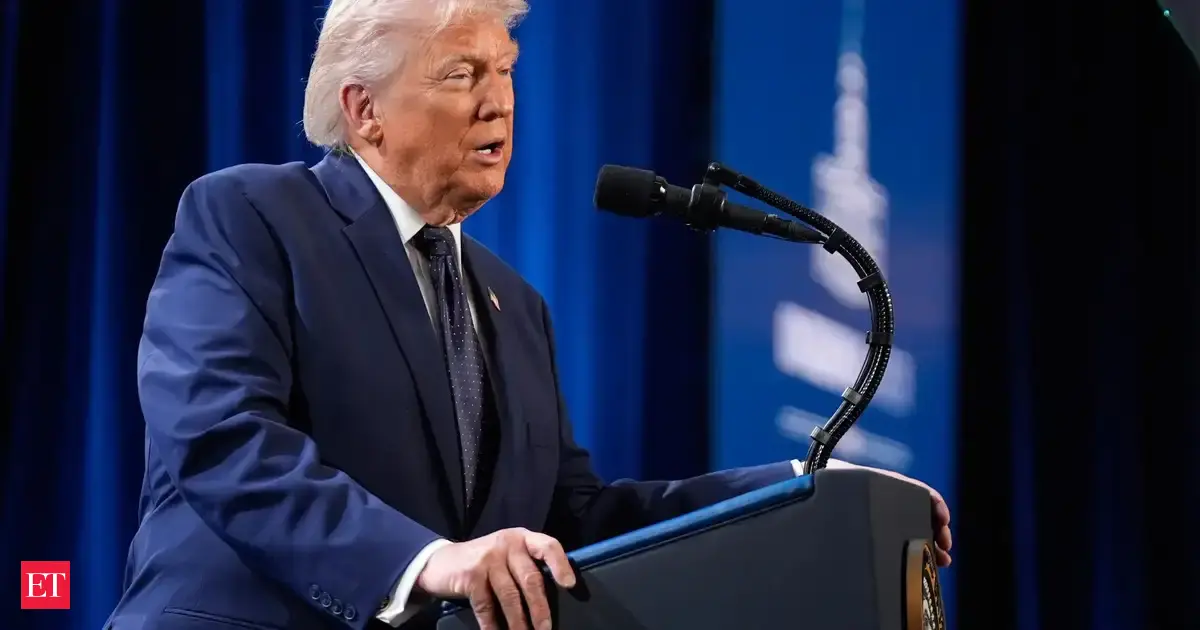
Donald Trump expressed a preference for seizing Iran's oil and Kharg Island, comparing it to US plans in Venezuela. This statement comes as the US rapidly deploys troops to the Middle East amid escalating regional conflict and surging oil prices. Analysts warn of significant escalation and increased US casualties if such an operation were attempted. View More
Donald Trump has said he would prefer to “take the oil in Iran” and suggested the US could seize Kharg Island, the country’s main export hub, even as Washington rapidly deploys troops to the Middle East amid a deepening regional conflict. In an interview with the Financial Times published on early Monday, Trump compared the potential move to US plans in Venezuela, saying Washington intended to control that country’s oil industry “indefinitely” following the capture of its leader. “To be honest with you, my favourite thing is to take the oil in Iran ,” he said, adding criticism at home had come from “stupid people”. You may follow our coverage of the West Asia war here Such a move would involve targeting Kharg Island, through which most of Iran’s crude exports flow, placing one of the world’s most critical energy nodes at the centre of the escalating war. Kharg Island option carries risks Trump indicated the decision to seize the island was not final but remained under consideration. “Maybe we take Kharg Island, maybe we don’t. We have a lot of options,” he said, while acknowledging any operation would likely require a sustained US presence. “It would also mean we had to be there [in Kharg Island] for a while.” Live Events Asked about Iranian defences at the facility, he said: “I don’t think they have any defence. We could take it very easily.” However, analysts have warned that any attempt to capture the export hub could significantly escalate the conflict, increasing US casualties while prolonging and raising the cost of the war. Troop surge and oil shock Trump’s remarks come as the US intensifies its military build-up in the region. The Pentagon has ordered the deployment of about 10,000 troops trained for ground operations, with thousands already arriving, including Marines and units from the 82nd Airborne Division. The widening conflict has also jolted global energy markets. Oil prices have surged more than 50 per cent over the past month, with Brent crude climbing above $116 a barrel in Asian trading on Monday, nearing highs seen since the start of hostilities. Israel-Iran war: India’s economy shows early strain; CEA warns of 'significant' hit to growth, inflation, balances in March review Beyond military options, Trump said indirect talks with Iran — conducted through Pakistani intermediaries — were progressing, setting an April 6 deadline for Tehran to accept a deal or face further US strikes on its energy sector. Despite floating aggressive measures, including control over Iranian oil infrastructure, Trump suggested a negotiated settlement remained possible. “A deal could be made fairly quickly,” he said, while declining to provide specifics on a potential ceasefire or the reopening of the Strait of Hormuz, a vital artery for global oil supplies. .Pbanner{display:flex;justify-content:space-between;align-items:center;background-color:#ec1c40;margin-top:20px;padding:5px 10px;border-radius:4px;color:#fff;line-height:10px;} .Pbannertext{display:flex;align-items:center;font-size:16px;font-weight:600;font-family:'Montserrat';} .Pbannertext img{height:20px;margin:0 6px} .Pbannerbutton a{display:flex;align-items:center;background-color:#fff;color:#ec1c40;text-decoration:none;font-weight:600;padding:4px 8px;border-radius:6px;font-size:15px;font-family:'Montserrat';} .Pbannerbutton img{height:20px;margin-right:6px} .Pbannerbutton a:hover{background-color:#f7f7f7} Add as a Reliable and Trusted News Source Add Now! (You can now subscribe to our Economic Times WhatsApp channel) (You can now subscribe to our Economic Times WhatsApp channel)
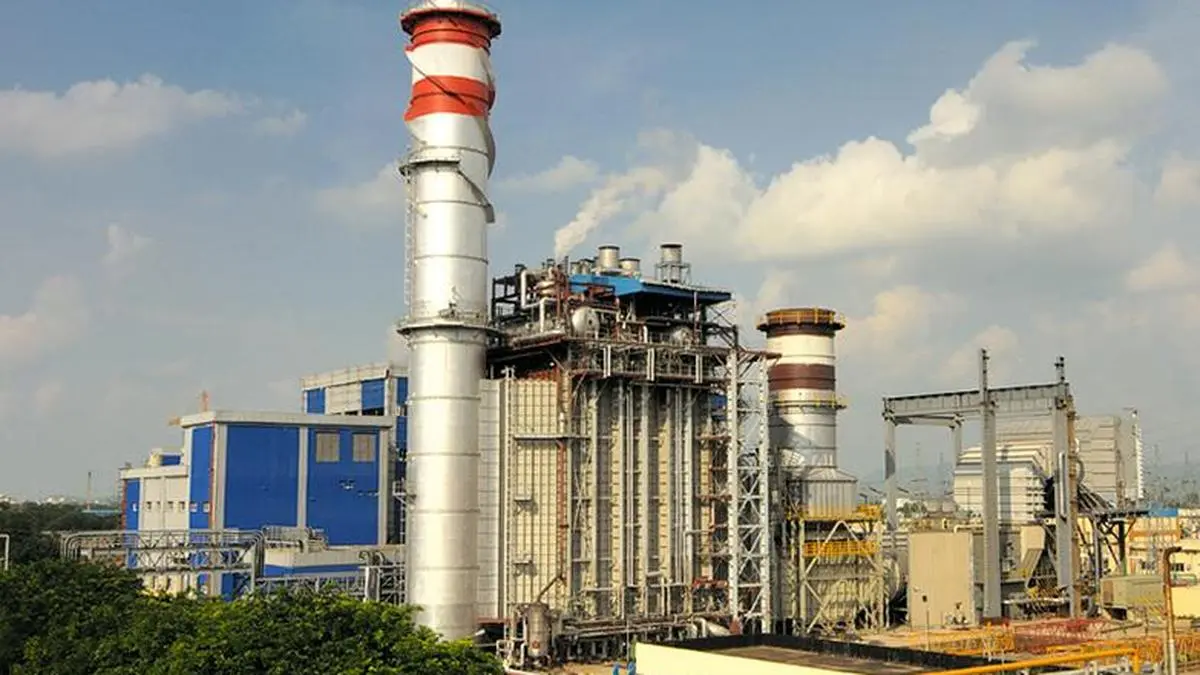
Electricity regulator settles 25-year-old dispute between Lanco Kondapalli Power and AP discom View More
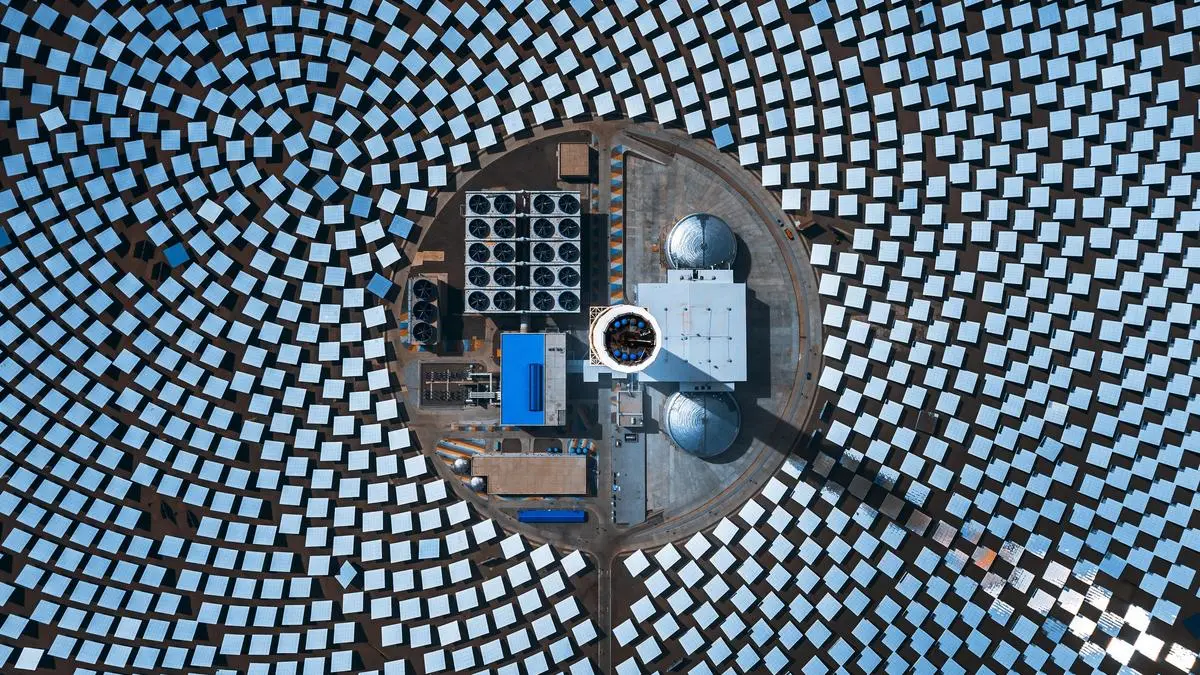
The Central Electricity Authority’s energy security guidance maps the demand-supply scenario in the coming decade View More