
Latest Sectors News

The National Stock Exchange of India is setting a modest advisory fee of around 0.65% for its upcoming IPO, potentially totaling $16.25 million. This contrasts sharply with higher averages paid by other companies, reflecting a trend of cost control in quasi-sovereign deals. Key banks have been appointed for the significant listing. View More
National Stock Exchange of India has set advisory fees at about 0.65% of the issue size for its upcoming initial public offering, according to people familiar with the matter. Based on an expected deal size of about $2.5 billion (approx Rs 23,085 crore), the total fee pool could be about $16.25 million, with the bulk likely to be shared among the six lead banks, the people said, asking not to be identified because the information is private. That compares with a roughly 1.86% average paid by 417 companies last year and 1.67% by 350 issuers in 2024, according to data from LSEG. NSE last week appointed about 20 banks to work on the IPO. Of those, Kotak Mahindra Capital Co, JM Financial Ltd, Morgan Stanley, HSBC Holdings Plc, Citigroup Inc. and JPMorgan Chase & Co. have been given key roles, with Kotak acting as left lead, the people said. Representatives for NSE and the banks didn’t immediately respond to requests for comment. Live Events The relatively modest fee underscores a broader pattern in India, especially in government-linked or quasi-sovereign transactions, where issuers keep tight control over costs. In some cases, banks accept token fees in exchange for the prestige and league table positioning that comes with marquee mandates. When State Bank of India raised Rs 25,000 crore ($2.8 billion) in July, it paid six banks a symbolic Re 1 each, according to local media. “Compared with large state-owned or public institutions, NSE’s fee payout appears relatively fair,” said Raghuram Kasiviswanathan, head of IPO advisory at Uniqus Consultech. “With the exchange at the heart of the country’s capital markets, securing a role offers not just immediate revenue, but a longer-term strategic foothold.” Earlier this year, State Bank of India and France’s Amundi SA offered fees of about 0.01% for the planned $1.4 billion IPO of SBI Fund Management, a level some bankers described as rock-bottom, prompting a few global firms to opt out. Life Insurance Corporation Ltd. paid about 0.58% of the issue size as fee in 2021 while NTPC Green Energy paid around 0.54%, according to IPO prospectus. By contrast, private-sector deals have tended to be more lucrative. Hyundai Motor India’s record IPO in 2024 paid about 4.93 billion rupees, or 1.77% of the issue size, in fees and commissions, the largest such payout in the country. LG Electronics paid about Rs 226 crore or 1.94% to five banks for its $1.3 billion India listing. .Pbanner{display:flex;justify-content:space-between;align-items:center;background-color:#ec1c40;margin-top:20px;padding:5px 10px;border-radius:4px;color:#fff;line-height:10px;} .Pbannertext{display:flex;align-items:center;font-size:16px;font-weight:600;font-family:'Montserrat';} .Pbannertext img{height:20px;margin:0 6px} .Pbannerbutton a{display:flex;align-items:center;background-color:#fff;color:#ec1c40;text-decoration:none;font-weight:600;padding:4px 8px;border-radius:6px;font-size:15px;font-family:'Montserrat';} .Pbannerbutton img{height:20px;margin-right:6px} .Pbannerbutton a:hover{background-color:#f7f7f7} Add as a Reliable and Trusted News Source Add Now! (You can now subscribe to our ETMarkets WhatsApp channel) (You can now subscribe to our ETMarkets WhatsApp channel)
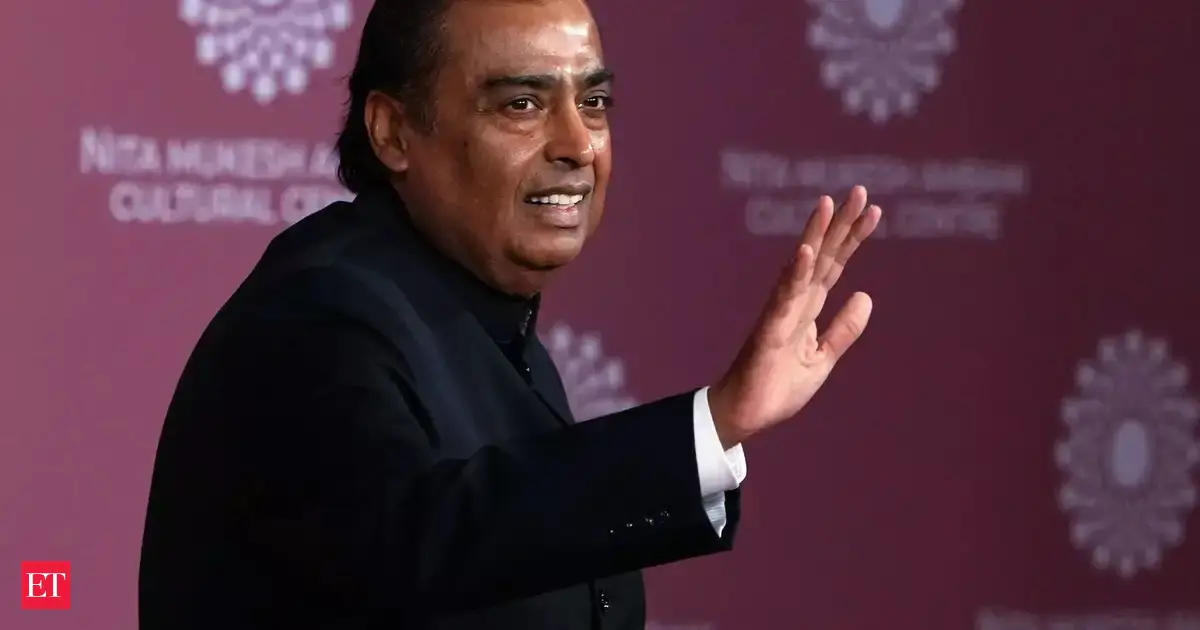
The Iran conflict and disruption in the Strait of Hormuz have highlighted the growing influence of Mukesh Ambani in strengthening US-India ties. His company, Reliance Industries, emerged as the key investor in a major US refinery project, a deal revealed by Donald Trump. View More
It took a war in Iran to reveal the full extent of billionaire Mukesh Ambani ’s sway over the White House — and his centrality to mending the frayed US-India bilateral relationship. Ten days after Iran effectively shut the Strait of Hormuz, plunging global energy markets into chaos, a relatively obscure corporate entity in Texas broke the silence. America First Refining, the vehicle poised to fire up the first major, world-scale oil refinery on American soil since 1976, announced it had received a “nine-figure investment from a global supermajor at a 10-figure valuation.” More importantly, it had secured a 20-year purchase agreement for the refinery’s output from that same mystery partner. ALSO READ: Mukesh Ambani's Reliance capitalises on shifting energy alliances with US refinery pledge The shroud of anonymity didn’t last long. President Donald Trump took to Truth Social to unmask the benefactor, thanking Ambani ’s Reliance Industries Ltd. for anchoring a “historic $300 billion deal,” the largest in US history. Last year, when Washington and New Delhi were locked in a bitter spat over tariffs and nontariff barriers, I argued that India’s richest tycoon could play the ultimate peacemaker. My thesis was based on Ambani’s hunger for US ethane — an increasingly attractive feedstock for his sprawling petrochemicals empire. By importing more American molecules, he could help narrow the US trade deficit with India while giving Trump the Make America Great Again bragging rights he craves. Live Events But even stronger evidence arrived last week. It appears that the 68-year-old businessman is getting directly involved in the infrastructure of the Permian Basin, America’s oil-producing heartland. The purchase commitment acts as a virtual 12,000-mile conveyor belt between the Port of Brownsville and his Indian gas crackers. In all likelihood, Texas will produce the shale ethane and propane streams; Reliance will turn them into polyethylene and polypropylene, compounds that clothe, house, and package the modern world. For America First Refining, making gasoline and diesel exclusively from US sweet crude is a way to earn the margin that’s currently pocketed by refineries abroad. Co-Chief Executive Officer John Calce wants to start selling fuel from the refinery by 2029. Although Reliance hasn’t publicly commented on the deal, the conglomerate’s plan appears rooted in geopolitics. With energy markets in turmoil, Ambani is dialing down his dependence on the Middle East. For decades, the family’s fortune was tied to the Persian Gulf. Mukesh’s father, Dhirubhai began his career as a gas-station attendant in the Yemeni city of Aden — then a British crown colony — before returning home to start a trading operation in yarn. In the 1990s, Reliance set up the Jamnagar complex in Gujarat. It would eventually become the world’s single-largest refining hub, built to process the heavy, sour crude that flowed across the Arabian Sea. But after the Ukraine conflict got underway in 2022, Ambani and other Indian refiners pivoted to buying discounted Russian oil. That put them in the crosshairs of the Trump administration, which blamed Indian billionaires for financing Vladimir Putin’s war machine. In August, the US imposed a punitive 25% duty on Indian imports, on top of a 25% reciprocal tariff. Although Washington has since put away the stick to pursue a trade deal with New Delhi, it reserves the right to wield it any time. Yet, even here, Ambani found a way to win a reprieve from the war-induced shortages threatening daily life in India. According to Bloomberg News, “intensive engagement by the Reliance leadership” helped secure a 30-day waiver from Washington to buy Russian oil currently stranded at sea. Although that exemption has since become global, Ambani’s commitment to purchase from the Brownsville project makes India’s hall pass special. The tycoon has successfully transitioned from being a war profiteer in the eyes of the US Treasury to becoming a strategic partner. The Texas plant is being touted as the “cleanest in the world.” Instead of using dirty fuel oil or methane to heat the refining towers, it will burn hydrogen, whose only byproduct is water vapor. This is bound to have piqued Ambani’s interest — if he can port the technology back home, he will be able to protect his petrochemicals revenue from future global carbon taxes in Europe. The tech upgrade will also bring the family arc to its logical conclusion. Dhirubhai was the original “Polyester Prince.” Mukesh perfected the art of refining the crude. He used the cash flows to dominate India’s telecom, media, and retail landscapes. Now Anant, his youngest child and heir apparent for the energy business, will spend his career deciding where the all-important molecules must come from and how best to put them out in the world. The message from the patriarch seems to be clear: No matter who’s at war with whom, the conveyor belt to Gujarat must never stop. It’s a masterclass in MAGA diplomacy that will also serve the broader US-India relationship . For Washington and New Delhi to move past the never-ending cycle of bickering over quotas and tariffs — while a mercurial president resides in the White House — they need the cold, hard reality of mutual dependency. Ambani has shown both sides exactly how to do it. (The views expressed are solely those of the author and do not necessarily reflect those of the publication.) .Pbanner{display:flex;justify-content:space-between;align-items:center;background-color:#ec1c40;margin-top:20px;padding:5px 10px;border-radius:4px;color:#fff;line-height:10px;} .Pbannertext{display:flex;align-items:center;font-size:16px;font-weight:600;font-family:'Montserrat';} .Pbannertext img{height:20px;margin:0 6px} .Pbannerbutton a{display:flex;align-items:center;background-color:#fff;color:#ec1c40;text-decoration:none;font-weight:600;padding:4px 8px;border-radius:6px;font-size:15px;font-family:'Montserrat';} .Pbannerbutton img{height:20px;margin-right:6px} .Pbannerbutton a:hover{background-color:#f7f7f7} Add as a Reliable and Trusted News Source Add Now! (You can now subscribe to our Economic Times WhatsApp channel) (You can now subscribe to our Economic Times WhatsApp channel)
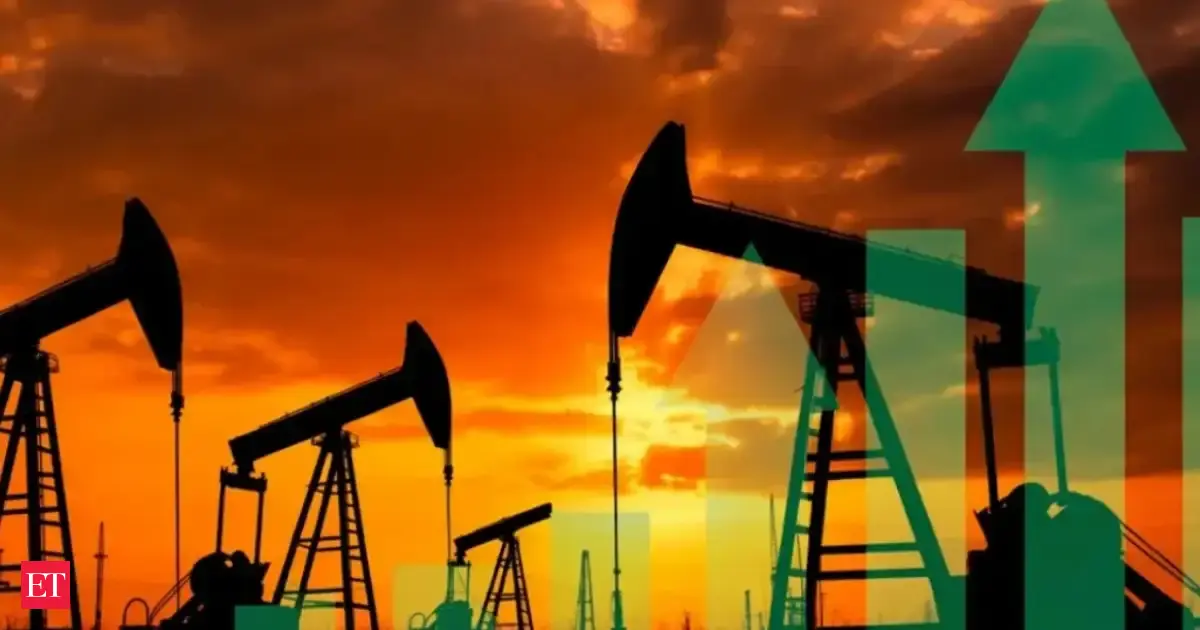
State-run oil firms have taken a drastic step by ending credit facilities for petrol station operators, as the fuel sales have turned unprofitable. Dealers must now pay upfront for their fuel, complicating their financial planning. In response, many are cutting back on their fuel purchases. View More
New Delhi: State-run oil companies have withdrawn credit to petrol pump dealers , as they are no longer chasing higher sales with retailing turning loss-making, according to industry executives and dealers. State oil companies, which control around 90% of fuel stations in the country, have asked dealers to pay for fuel on the same day, ending the usual practice of 3-5 days of credit. Also Read: Oil up as Iran continues to strike Arab energy infra Dealers typically extend credit ranging from a few days to weeks to large diesel customers. They have now begun shortening these credit periods as well. With oil companies ending credit, managing cash flows has become a challenge, a petrol pump dealer said, adding that this is forcing some outlets to order less fuel. Live Events "Companies provide credit to dealers to boost sales and market share. Now higher sales mean higher losses. Companies don't want that anymore," an industry executive said. Also Read: LPG shortage forces manufacturers to switch fuels to keep production running Prices of crude oil as well as petrol, diesel and aviation turbine fuel have surged in the international market. Brent futures are trading above $100 per barrel, while spot prices at which refiners are actually buying are much higher. Margins on diesel and ATF have also risen sharply. However, domestic pump prices have not budged, meaning every litre sold results in losses for state refiners. By withdrawing credit, companies are seeking to avoid incentivising higher sales. Domestic pumps are well supplied and no dry-outs have been reported anywhere, Sujata Sharma, a joint secretary in the oil and gas ministry, said, adding that the withdrawal of credit to dealers is a commercial decision made by oil companies. .Pbanner{display:flex;justify-content:space-between;align-items:center;background-color:#ec1c40;margin-top:20px;padding:5px 10px;border-radius:4px;color:#fff;line-height:10px;} .Pbannertext{display:flex;align-items:center;font-size:16px;font-weight:600;font-family:'Montserrat';} .Pbannertext img{height:20px;margin:0 6px} .Pbannerbutton a{display:flex;align-items:center;background-color:#fff;color:#ec1c40;text-decoration:none;font-weight:600;padding:4px 8px;border-radius:6px;font-size:15px;font-family:'Montserrat';} .Pbannerbutton img{height:20px;margin-right:6px} .Pbannerbutton a:hover{background-color:#f7f7f7} Add as a Reliable and Trusted News Source Add Now! (You can now subscribe to our Economic Times WhatsApp channel) (You can now subscribe to our Economic Times WhatsApp channel)
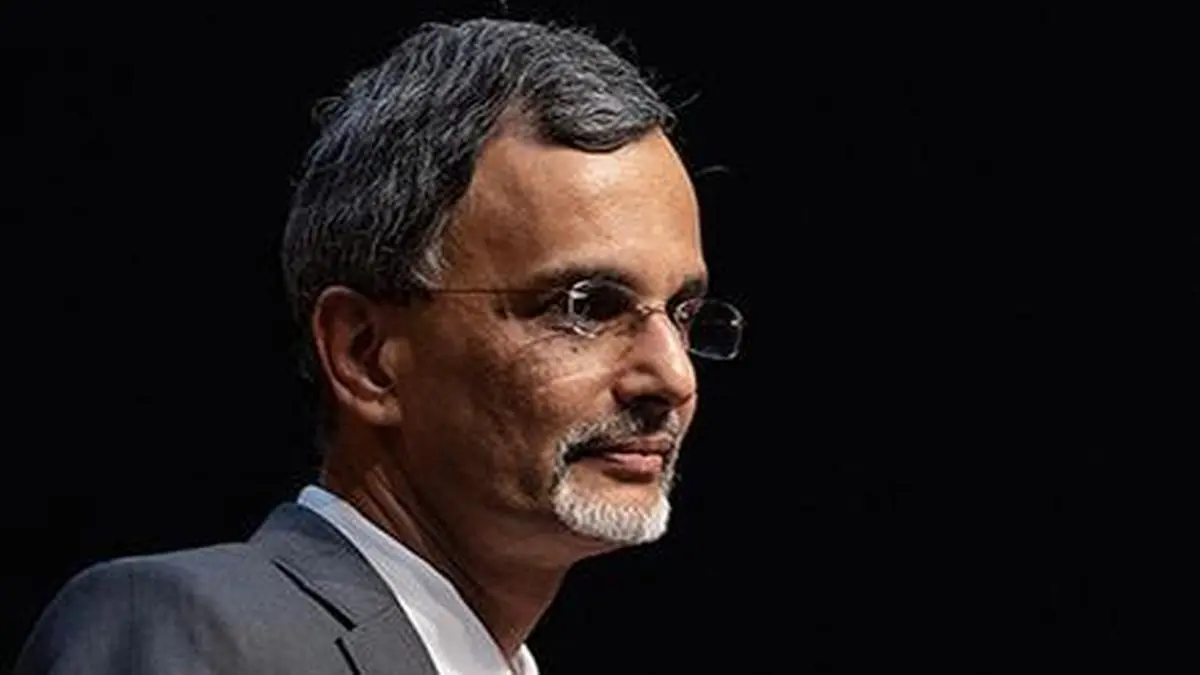
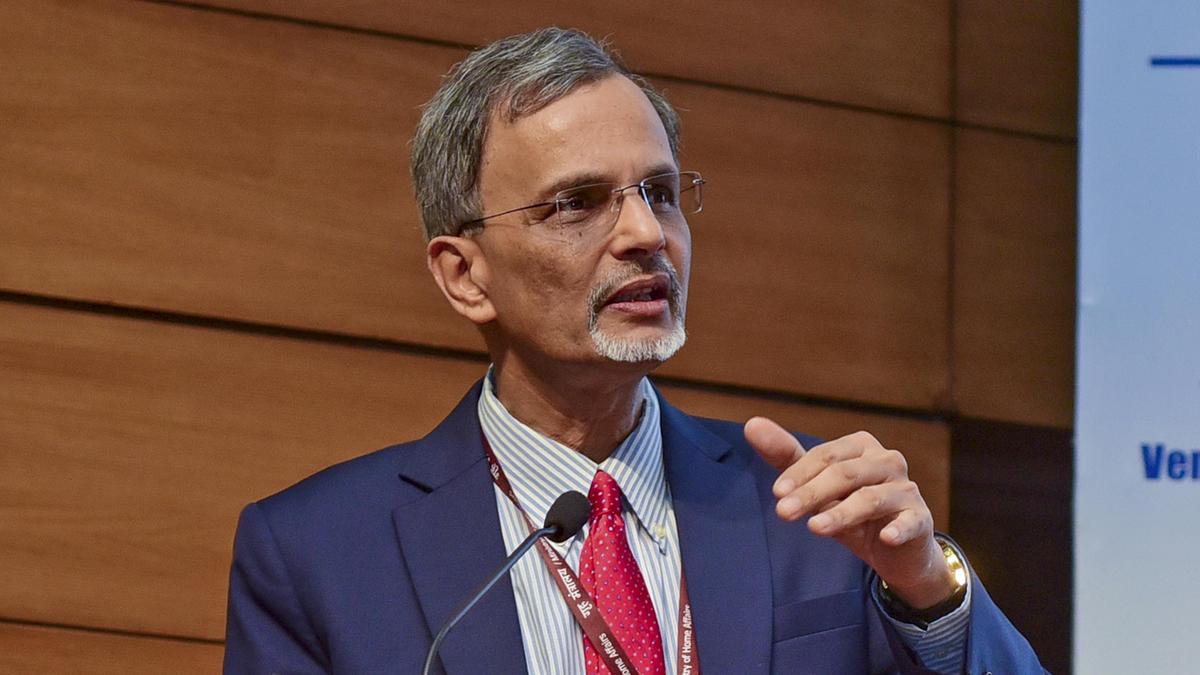
Says base year revision and rupee exchange rate depreciation delaying the climb past Japan View More
According to BloombergNEF (BNEF), global wind power installations reached a record 169 gigawatts (GW) in 2025, marking the third straight year of record additions and a 38% increase over 2024 View More

India is implementing temporary measures to address cooking gas shortages. Commercial LPG for eateries will be rationed. Alternative fuels like kerosene, biomass, and coal are permitted. These steps aim to ease pressure on LPG supplies amid disruptions from West Asia. The government assures domestic consumers that supplies remain stable. Citizens are urged to avoid panic booking and conserve fuel. View More
Seeking to calm frayed nerves and ease pressure on cooking gas supplies, the government on Thursday announced a series of temporary measures, including rationing commercial LPG for eateries and allowing the use of alternative fuels such as kerosene, biomass and coal. The steps come as energy supplies from West Asia remain disrupted due to the ongoing military conflict, prompting concerns across India’s hospitality sector and among consumers. Also Read: LPG output in India surges 30% as govt tackles gas shortage Under the new measures, commercial establishments such as hotels and restaurants will be allowed to procure only 20% of their average monthly LPG consumption. The government has also increased the mandatory gap between booking two domestic LPG cylinders in rural areas from 25 days to 45 days as bookings surged amid panic buying. The decision was taken by a three-member committee of oil marketing companies following complaints from across the country about shortages of cooking gas cylinders, even as the government insisted that overall supplies remain adequate. Live Events Officials from the Ministry of Petroleum and Natural Gas said the government has allocated an additional 48,000 kilolitres (kl) of kerosene to states on top of the regular monthly quota of one lakh kl for use as cooking fuel. The ministry has also asked state and Union Territory pollution control boards to allow the temporary use of biomass, RDF pellets — produced from municipal, industrial and commercial waste — and coal as alternative cooking fuels in the hospitality and restaurant sector for a period of one month. Officials said the measures were aimed at easing immediate pressure on LPG supplies while the government works to secure additional energy cargoes from alternative sources amid the disruption in West Asia. Also Read: India boosts LPG imports from US, Norway as Gulf supplies tighten Despite reports of shortages, the government maintained that domestic cooking gas supplies remain stable, with about 50 lakh LPG cylinders being distributed every day. “It’s a difficult situation. But govt is making all efforts to ensure that the supply to domestic consumers is maintained. On the distribution side, no dry retail outlet has been reported but there is a manifold increase in bookings because of the panic. We urge citizens to avoid panic booking and all efforts have to be made to conserve fuel wherever possible,” said Sujata Sharma, joint secretary, ministry of petroleum and natural gas. She added that it will be the responsibility of states and Union Territories to identify beneficiaries for the distribution of kerosene oil. To monitor the evolving situation, the government has also set up a three-member group of ministers headed by Home Minister Amit Shah. External Affairs Minister S. Jaishankar and Petroleum Minister Hardeep Singh Puri are the other members of the panel. Officials said the government is also tracking consumer complaints related to LPG cylinders through the National Consumer Helpline to ensure quick redressal. Speaking in the Lok Sabha, Petroleum Minister Hardeep Singh Puri said the Strait of Hormuz — a crucial energy transit route — had remained disrupted for the 13th consecutive day. “For the first time in recorded history, the Strait of Hormuz has been effectively closed to commercial shipping. Despite India having no role in causing the conflict, like many countries, India has to navigate through its consequences,” Puri said. The strait is a critical energy artery for India, through which the country receives more than half of its 5.8 million barrels per day of crude oil imports, 55% of its LPG supplies and 30% of its LNG. Puri, however, said India’s crude supply position remained secure. “The availability of petrol, diesel, aviation turbine fuel, kerosene and fuel oil is fully assured. Retail outlets across the country are stocked, and supply chains for these products are functioning normally,” the minister said. He added that India had diversified its energy procurement and was securing cargoes from the United States, Norway, Canada, Algeria and Russia, apart from available supplies from Gulf countries. On domestic LPG availability, Puri told Parliament that the average delivery time for cooking gas cylinders remains 2.5 days, unchanged from pre-crisis levels. “Field reports indicate hoarding and panic booking at the distributor and retail level, driven by consumer anxiety rather than any actual supply shortage,” he said. “The House should be clear on this: the rush-booking pressure in some localities reflects a demand distortion, not a production or supply failure,” Puri added. Explaining the rationale behind regulating commercial LPG supplies, Puri said the segment previously operated in a completely deregulated market without any booking requirements or government subsidy. “In a supply-constrained environment where public anxiety is elevated, this deregulated structure creates a direct and uncontrolled pathway for hoarding, diversion and resale at inflated prices... The govt has taken the responsible course: to regulate this channel with clear priorities and a transparent allocation mechanism,” he said. (With inputs from TOI) .Pbanner{display:flex;justify-content:space-between;align-items:center;background-color:#ec1c40;margin-top:20px;padding:5px 10px;border-radius:4px;color:#fff;line-height:10px;} .Pbannertext{display:flex;align-items:center;font-size:16px;font-weight:600;font-family:'Montserrat';} .Pbannertext img{height:20px;margin:0 6px} .Pbannerbutton a{display:flex;align-items:center;background-color:#fff;color:#ec1c40;text-decoration:none;font-weight:600;padding:4px 8px;border-radius:6px;font-size:15px;font-family:'Montserrat';} .Pbannerbutton img{height:20px;margin-right:6px} .Pbannerbutton a:hover{background-color:#f7f7f7} Add as a Reliable and Trusted News Source Add Now! (You can now subscribe to our Economic Times WhatsApp channel) (You can now subscribe to our Economic Times WhatsApp channel)

Experts unveiled a vision for super-efficient, humidity-optimized ACs that can cut energy use by 60% and halve peak power demand. This innovation is crucial as 76% of the population faces extreme heat risk and AC demand is projected to surge. View More
With India experiencing record-breaking heat and surging demand for cooling, leading voices from across the air conditioning and HVAC industry gathered at the recently concluded summit to confront one of the country’s most urgent challenges: how to deliver affordable, resilient comfort for a rapidly warming nation. As air conditioner sales climb toward unprecedented levels and 76% of the population faces extreme heat risk, the arrival of summer has been abrupt and intense. Mumbai’s recent temperature spike to 38.7°C, nearly six degrees above average for March, serves as a stark reminder of the escalating climate pressures. Industry experts unveiled a bold vision for the future: widespread adoption of super-efficient, humidity-optimised air conditioning systems that can cut energy use by 60%, halve peak power demand, and transform the way India keeps cool. The urgency of the moment was underscored at the session “Can Today’s Air Conditioners Keep Up with a Hotter, More Humid World? Delivering Affordable, Efficient Comfort for the Global South,” organised by RMI and CEPT University at the Jio World Convention Centre. The event convened leading voices from across the ecosystem, including Sanjay Sudhakaran, Managing Director, Bosch Home Comfort India Ltd; Akshima Ghate, Managing Director, RMI; Aun Abdullah, Vice President, Lodha; Mukundan Menon, Managing Director, Voltas Limited; Bishal Thapa, Chief Strategy & Impacts Officer, CLASP; Ankit Kalanki, Principal, RMI; and Dr. Yash Shukla, Principal Researcher and Centre Head, CARBSE, CEPT University. Sanjay Sudhakaran, Managing Director, Bosch Home Comfort India Ltd, emphasised, “As the heat waves intensify and climate patterns shift, India stands on the brink of a cooling revolution. The Indian air conditioning market size was valued at USD 6.15 billion in 2025 and is projected to reach USD 21.59 billion by 2034, growing at a remarkable compound annual growth rate of 14.98% from 2026 to 2034. For the first time, climate solutions, such as energy-efficient inverter air conditioners, government-backed incentive programs, and the widespread availability of affordable smart cooling technologies, are within reach for millions of Indians. This accessibility is driven by falling unit costs, increased domestic manufacturing, and supportive policies like the India Cooling Action Plan . As a result, these innovations are transforming not just homes and businesses but entire communities across the country, backed by the state-of-the-art R&D centres and testing labs.” Projections indicate that by 2050, the nation will operate more than one billion room air conditioners, driving a ninefold increase in cooling-related electricity demand compared to 2022. According to the Rocky Mountain Institute (RMI), today's air conditioners are optimised for temperature-only cooling, not humidity removal. As a result, when people feel uncomfortable due to high humidity, they reduce the AC set point and overcool to compensate, which not only ‘chills’ the space but wastes energy. Most ACs sold today can consume over 30% additional energy in real-world conditions to manage humidity, as revealed by the nine-month field testing conducted by RMI in Palava City. However, consumers have no visibility of this real-world energy use when they purchase the AC, as this ‘humidity-driven’ overcooling is not accounted for in the performance metrics adopted today. Industry estimates suggest that 60% of Indian districts, representing 76% of the population, are now at very high risk of extreme heat. Meanwhile, across Southeast Asia, air conditioner demand is expected to surge from 40 million to 300 million units by 2040, with cooling already accounting for as much as 10% of peak electricity load; it is expected to surge to 30% by 2040. Live Events Akshima Ghate, Managing Director, RMI, said in a statement “As India faces record heat and humidity, we cannot afford to lock ourselves into inefficient cooling solutions. Now is the time to act. By building right the first time and accelerating the adoption of super-efficient, humidity-optimised ACs, we can transform comfort for millions while safeguarding our energy future. The choices we make today will define our resilience for decades to come.” Industry leaders emphasised that India stands at a pivotal juncture, equipped with a strong policy foundation through the India Cooling Action Plan, robust energy efficiency frameworks, a growing manufacturing base, and increasing investments in research, development, and supply chains. These strengths position the nation to shape the global future of air conditioning, not only addressing domestic needs but also advancing as a leader in sustainable cooling exports. Mukundan Menon, Managing Director, Voltas Limited, said in a statement “As India’s air conditioning market doubles over the next five years, we must ensure efficiency standards keep pace with real-world performance. Addressing humidity and updating our testing protocols is essential, not just for energy savings, but for delivering true comfort and safeguarding our energy future.” The discussion further highlighted the country’s potential to lead the development and deployment of next-generation, super-efficient, humidity-optimised air conditioning. Stakeholders agreed that collaboration across the cooling ecosystem, including buyers, manufacturers, standards bodies, and policymakers, is essential to drive meaningful market transformation. Bishal Thapa, Chief Strategy & Impacts Officer, CLASP, highlighted, “Innovation is the game-changer India needs, just as changing the turf transformed hockey, addressing humidity in air conditioning will change the future of cooling. If we reimagine our standards and invest in super-efficient, humidity-optimised solutions, India can leap ahead, making sustainable comfort accessible to all and setting a new global benchmark for leadership and manufacturing.” As temperatures and humidity continue to rise, the commitment to high-performance, sustainable air conditioning is no longer just an option; it is a national imperative. The momentum witnessed at the session sets the stage for India to lead the world in delivering affordable, resilient, and climate-smart comfort for the future. .Pbanner{display:flex;justify-content:space-between;align-items:center;background-color:#ec1c40;margin-top:20px;padding:5px 10px;border-radius:4px;color:#fff;line-height:10px;} .Pbannertext{display:flex;align-items:center;font-size:16px;font-weight:600;font-family:'Montserrat';} .Pbannertext img{height:20px;margin:0 6px} .Pbannerbutton a{display:flex;align-items:center;background-color:#fff;color:#ec1c40;text-decoration:none;font-weight:600;padding:4px 8px;border-radius:6px;font-size:15px;font-family:'Montserrat';} .Pbannerbutton img{height:20px;margin-right:6px} .Pbannerbutton a:hover{background-color:#f7f7f7} Add as a Reliable and Trusted News Source Add Now!

The Department of Education has scaled back its oversight of student loan servicers, a new report from the nonpartisan Government Accountability Office finds. View More
A school bell from Milford, Pennsylvania, stands in front of the Department of Education's headquarters in Washington, March 6, 2025.Chip Somodevilla | Getty Images News | Getty Images The U.S. Department of Education has scaled back its oversight of the companies that manage federal student loans, a new congressional watchdog report found.In February 2025, the department stopped "assessing servicers on accuracy and call quality," according to the report from the nonpartisan Government Accountability Office. That change occurred shortly before the Trump administration terminated around 50% of the Education Department's staff. Without its evaluation of student loan servicers, the GAO wrote, the Education Department "can't be sure that borrower records are correct and servicers are giving borrowers quality information." The office also said that borrowers could be placed into the wrong repayment status or overbilled as a result. "Instead of providing relief to 43 million Americans who are drowning in student debt, the Trump Administration has made it harder for them to understand how much they owe and how long it will take to pay back," said Sen. Bernie Sanders, I-Vt., in a statement. Sanders was among the lawmakers who requested the GAO investigation. Ellen Keast, press secretary for higher education at the Education Department, told CNBC the agency uses "a variety of methods" to assess loan servicers. "The agency uses data quality assessments, cross-system assessment data validation, daily and weekly performance reporting from servicers, weekly executive-level check-in meetings and borrower satisfaction surveys to monitor and improve the customer service delivered by our vendors," Keast said. Read more CNBC personal finance coverageIran war heightens affordability issues ahead of the Fed's March meetingCouples often miss this 'overlooked tax break' for retirement savers: CFPTrump administration has scaled back oversight of student loan servicers: GAOSocial Security 2027 COLA forecast may rise with high oil pricesYou can't 'borrow your way out of debt,' expert says, but more people are tryingHere's the inflation breakdown for February 2026 â in one chartSAVE plan used by millions of student loan borrowers is over, court ordersIdentity theft and your taxes: It's 'a terrible reverse lottery,' one victim saysAs Iran war disrupts oil prices, consumers could be 'hammered,' economist saysMillion-dollar earners have already stopped paying into Social Security for 2026Women and the K-shaped economy: Lower pay, affordability issues reduce spendingSmall 401(k) accounts may follow workers to their next job â except Roth moneyIn a jobs apocalypse, look to 'AI-proof' skilled trades, career experts sayMiddle-income homebuyers have $30,000 more buying power than a year agoAverage IRS tax refund is up 10.6%, early filing data showsCNBC's Financial Advisor 100: Best financial advisors, top firms ranked The drop in oversight of student loan servicers comes as the Trump administration is working to implement a massive overhaul of the lending system. President Donald Trump's One Big Beautiful Bill Act eliminates several affordable repayment plans and other relief. Many borrowers are likely to have questions for their servicers amid the changes, or to need assistance navigating the new options, consumer advocates say. More than 42 million Americans hold student loans, and collectively, outstanding federal education debt exceeds $1.6 trillion, according to the Congressional Research Service. Student loan servicers have a spotty history The Education Department contracts with different companies to service its federal student loan portfolio. It pays these companies more than $1 billion a year to manage borrowers' accounts, according to higher education expert Mark Kantrowitz.The servicers process borrowers' loan payments, supply information to borrowers and help them access repayment plans and forgiveness opportunities. The Federal Student Aid Office at the Education Department managed the assessments of these student loan servicers. However, the Trump administration has reduced the staff at the FSA to 777 people from 1,433, the GAO said. Student loan servicers have long faced criticism from advocates and lawmakers for misleading borrowers or failing to provide them with sufficient support. "Without oversight to ensure that loan servicers provide borrowers with correct information, borrowers may make decisions that negatively impact their finances, such as choosing the wrong repayment plan, not qualifying for forgiveness and defaulting on their student loans," Kantrowitz said. The Biden administration withheld $7.2 million in payment from servicer Mohela in 2023 for not sending timely billing statements to 2.5 million borrowers, resulting in more than 800,000 borrowers becoming delinquent. In 2017, days before Trump took office, the Consumer Financial Protection Bureau sued Navient. It accused the then-servicer of steering student loan borrowers away from affordable repayment plans and into expensive forbearances, which caused many to incur steep interest charges. Navient stopped servicing federal loans in 2021 and, in 2024, reached a $120 million settlement with the CFPB. As part of that deal, the CFPB banned the company from ever again managing federal student loans. Mohela and Navient did not immediately respond to a request for comment. Choose CNBC as your preferred source on Google and never miss a moment from the most trusted name in business news.

Despite concerns over the Strait of Hormuz being shut down, India’s fuel supply stands strong. Petroleum Minister Hardeep Puri confirmed in the Lok Sabha that there's no shortage of petrol, diesel, or kerosene, attributing the current rush to panic buying fueled by anxiety rather than any real supply crisis. View More
The Strait of Hormuz has been effectively closed to commercial shipping for the first time in recorded history, but India’s fuel supply remains secure, Petroleum Minister Hardeep Puri assured the Lok Sabha on Thursday. Addressing concerns over panic buying, Puri clarified, “Panic on LPG supply [is] driven by consumer anxiety rather than supply shortage,” adding, “There is no shortage of petrol, diesel, kerosene.” Fuel retail outlets are fully stocked, and supply chains are operating normally. Check out our live coverage on US-Israel war with Iran Highlighting the impact of the Prime Minister’s diplomatic efforts, Puri said India has secured crude volumes exceeding what the disrupted Strait could have delivered. Non-Hormuz sources now account for 70% of crude imports, up from 55% before the crisis, while LPG production has increased by 28% over the past five days. Large LNG shipments are arriving almost daily via alternative routes. “The world has not faced a moment like this in energy history,” Puri said. India is sourcing cargoes from the US, Norway, Canada, Algeria, and Russia, with refineries running at high capacity utilisation. Alternate fuels are being deployed to ease pressure on LPG and gas. Live Events Also Read: India cooking gas crunch fuels inflation fear as Iran war widens Crude and fuel supply India’s crude imports are secure and diversified, with supply from 40 countries compared to 27 in 2006–07. Refineries are operating at high capacity, ensuring uninterrupted availability of petrol, diesel, aviation turbine fuel, kerosene, and fuel oil. Additional PDS kerosene has been issued to states. Natural gas and LPG Domestic natural gas production stands at 90 MMSCMD, supplemented by alternative LNG imports. “Domestic piped gas to homes and CNG for vehicles receive 100% supply with no cuts. Industrial and manufacturing consumers will receive up to 80% of their previous six-month average,” Puri said, noting that fertiliser plants and power generation are fully supported. LPG imports, previously heavily reliant on Gulf countries, have been diversified to include the US, Norway, Canada, Algeria, and Russia. “In the last 5 days, LPG production has been increased by 28% through refinery directives, and further procurement is actively underway,” he added. Domestic supply is fully protected, with the standard delivery cycle unchanged at 2.5 days. Puri stressed that localized rush bookings reflect consumer anxiety rather than supply issues. Measures like Delivery Authentication Codes and minimum booking gaps for urban and rural areas have been introduced to curb hoarding and black marketing. Commercial LPG and alternate fuels To prevent diversion, 20% of the average monthly commercial LPG requirement will be allocated in coordination with state governments. Alternate fuels, including kerosene, fuel oil, biomass, and RDF pellets, are being made available for hospitality and industrial users for one month to free LPG for priority consumers. Also Read: Middle East war: OMCs to start allocating 20% of commercial LPG from today to curb hoarding, says Hardeep Puri Consumer prices and state coordination Despite global price rises, domestic LPG prices remain controlled. The PMUY beneficiary price in Delhi stands at Rs 613 per cylinder, while non-subsidised consumers pay Rs 913—well below regional comparators. State governments are coordinating closely with central authorities, with monitoring committees and anti-diversion operations in place. Puri concluded, “India is navigating the most severe global energy disruption in recorded history. Crude supply is flowing. Gas is prioritised for homes and farms. LPG production has been stepped up by 28 per cent. Consumer prices are held far below market levels. Schools are open. Petrol is on the forecourt. Every citizen has a stake in that. India must stand united behind its energy warriors, behind the institutions managing this crisis, and behind the national interest.” .Pbanner{display:flex;justify-content:space-between;align-items:center;background-color:#ec1c40;margin-top:20px;padding:5px 10px;border-radius:4px;color:#fff;line-height:10px;} .Pbannertext{display:flex;align-items:center;font-size:16px;font-weight:600;font-family:'Montserrat';} .Pbannertext img{height:20px;margin:0 6px} .Pbannerbutton a{display:flex;align-items:center;background-color:#fff;color:#ec1c40;text-decoration:none;font-weight:600;padding:4px 8px;border-radius:6px;font-size:15px;font-family:'Montserrat';} .Pbannerbutton img{height:20px;margin-right:6px} .Pbannerbutton a:hover{background-color:#f7f7f7} Add as a Reliable and Trusted News Source Add Now! (You can now subscribe to our Economic Times WhatsApp channel) (You can now subscribe to our Economic Times WhatsApp channel)