
Latest Sectors News

Highways Minister Nitin Gadkari is exploring cement concrete roads over bituminous ones due to a surge in bitumen prices and supply disruptions from the West Asia conflict. He also highlighted the potential of domestically produced bio-bitumen from rice straw and other biowaste to reduce imports and save foreign exchange. View More

The report mentioned that realisation during the fourth quarter rose 2% quarter-on-quarter, supported by regional price increases of around ?15 per bag following a steep correction in Q3FY26 View More

Ambuja Cements plans to add new capacity after reaching optimal utilization. The company aims to reach 119 million tonnes capacity by fiscal year-end. Recent acquisitions and organic expansion are part of this strategy. Despite cost pressures from global events, the company achieved record revenue and profit in FY26. Structural changes are also underway to improve efficiency. View More
MUMBAI: Ambuja Cements will consider adding fresh capacities once it reaches optimal utilisation levels, said the Adani Group-owned company. The company however retained its target of boosting capacity to 119 million tonne by this fiscal year-end, from 109 million tonne last year. “Capacity expansion is being pursued in a calibrated manner, our focus is consciously shifting towards stabilising newly commissioned capacities and improving utilisation across the existing base, with further capacity additions being pursued more gradually once optimal utilisation is achieved,” said Vinod Bahety, chief executive. The company achieved around 70% utilisation level in FY26 . “More important than the capacity number is the capability it reflects: our ability to conceive, execute, commission and stabilise multiple projects with repeatable outcomes while operating a national manufacturing and distribution system at scale,” Bahety said in a letter to shareholders accompanying the company’s FY26 annual report. The Adani Group forayed into the world’s second-largest cement market in 2022 through its twin acquisition of Ambuja Cements and ACC Ltd for more than $10 billion. At the time, the conglomerate had guided for doubling annual capacity to 140 million tonne by FY28. Live Events Following a series of acquisitions since 2022 – including Sanghi Cement, Penna Cement Industries, and Orient Cement – and organic expansion, the company further raised its production target to 155 million tonne recently, before pruning its growth ambitions. In FY26, Adani Cement’s consolidated revenue from operations and profit after tax scaled an all-time high, but earnings before interest, tax, depreciation and amortisation (EBITDA) fell from the year before. EBITDA margin also fell to 18% for the year from 23% in FY25. Cost of materials as well as power and fuel costs also saw a 100 basis points increase. “Developments such as the West Asia conflict resulted in increases in oil and energy costs, coupled with immediate inflationary pressures,” said Bahety. “These factors resulted in sustained cost pressures, particularly in fuel, logistics and input costs which intensified towards the close of the year and are expected to continue in the near term.” During the year, Ambuja Cements completed the amalgamation of Sanghi Industries and Penna Cement. It is currently in the process of amalgamating ACC and Orient Cement with itself. “Yet the deeper change underway goes beyond corporate consolidation,” said Bahety. “Structures are being flattened, cross-functional silos reduced, and decision-making moved closer to the market.” .Pbanner{display:flex;justify-content:space-between;align-items:center;background-color:#ec1c40;margin-top:20px;padding:5px 10px;border-radius:4px;color:#fff;line-height:10px;} .Pbannertext{display:flex;align-items:center;font-size:16px;font-weight:600;font-family:'Montserrat';} .Pbannertext img{height:20px;margin:0 6px} .Pbannerbutton a{display:flex;align-items:center;background-color:#fff;color:#ec1c40;text-decoration:none;font-weight:600;padding:4px 8px;border-radius:6px;font-size:15px;font-family:'Montserrat';} .Pbannerbutton img{height:20px;margin-right:6px} .Pbannerbutton a:hover{background-color:#f7f7f7} Add as a Reliable and Trusted News Source Add Now! (You can now subscribe to our Economic Times WhatsApp channel) (You can now subscribe to our Economic Times WhatsApp channel)

BP's board on Tuesday announced the removal of Manifold due to "serious concerns" relating to governance standards, oversight and conduct. View More
In this articleBPFollow your favorite stocksCREATE FREE ACCOUNT Albert Manifold, chief executive officer of CRH Plc, speaks during a Bloomberg Television interview in London, U.K., on Tuesday, Aug. 19, 2014.Bloomberg | Bloomberg | Getty Images Ousted BP Chairman Albert Manifold has rejected "lies" relating to his conduct, saying he "pushed hard and challenged people directly" during his brief tenure at the British oil supermajor. BP's board on Tuesday announced the removal of Manifold due to "serious concerns" relating to governance standards, oversight and conduct.Multiple media outlets reported that Manifold, the former boss of Irish building materials giant CRH, had acted aggressively with different colleagues during his nearly eight months at BP, citing anonymous sources.In a scathing response issued on Thursday, Manifold said that while he does accept the board's decision to remove him as chairman, he did not accept "that lies can be told about me, nor that anyone should be allowed to hide behind anonymity when commenting on my time at bp."Manifold said he felt that his priorities of simplifying the business, driving change on costs and strengthening the energy major's balance sheet were not always shared by everyone, but "there is a considerable distance between driving an organisation with urgency and the characterisation of my conduct that is now being put about." He added that no one at the company had raised any issue about his conduct with him during his time as BP chairman. Manifold dismissed media reports suggesting he wished to exercise a more executive role at the London-listed company as "nonsense," saying he had only been to BP's head office in London on approximately 13 days in 2026. He signed off his letter by describing BP as a company "with a great future," saying that CEO Meg O'Neill, Chief Financial Officer Kate Thomson and their executive colleagues were "among the finest people I have worked with."A BP spokesperson said the company noted the comments of its former chair. "We stand by the statement we have made. We have a duty of care to all our employees, particularly those impacted by his behavior," the spokesperson said in an email to CNBC. Shares of BP traded 0.4% lower on Thursday morning. Investor rebellion The announcement of Manifold's departure from BP came as a surprise to many analysts and investors earlier in the week, with the company currently in the midst of a fundamental strategic reset. BP is pivoting back to oil and gas and away from renewables.Former Woodside Energy boss Meg O'Neill is leading this transformation, having taken the reins as CEO at the start of April.Amanda Blanc, senior independent director at BP, thanked Manifold's contribution to BP's ongoing transformation but said the board had been "surprised and disappointed to learn of governance oversight and conduct issues it deems unacceptable."BP appointed Ian Tyler as interim chair following Manifold's dismissal, noting that a succession process for a permanent chair is set to get underway. watch nowVIDEO2:4402:44BP board suffers investor rebellion over climate and governance issues at AGMSquawk Box Europe Just last month, Manifold suffered an investor rebellion at BP's annual general meeting. A majority of 81.8% of shareholders voted in favor of electing Manifold following a contentious decision to block a proposal put forward by Dutch activist group Follow This.Board members require 50% of the vote to be elected, and they typically receive close to 100% support. Choose CNBC as your preferred source on Google and never miss a moment from the most trusted name in business news.


Former BP Chairman Albert Manifold has pushed back against accusations over his conduct following his shock departure from the British energy major. View More
In this articleBPCRHWDSFollow your favorite stocksCREATE FREE ACCOUNT A customer fills up a vehicle with fuel at a BP Plc petrol station in London, UK, on Monday, Aug. 4, 2025.Bloomberg | Bloomberg | Getty Images Former BP Chairman Albert Manifold has pushed back against accusations over his conduct following his shock departure from the British energy major.In an emailed statement to CNBC, Manifold said he'd been removed from his post "without warning and without explanation" and that he disputes "entirely the characterisation" of his conduct.His comments come after BP's board on Tuesday announced the removal of Manifold due to "serious concerns" relating to governance standards, oversight and conduct. Amanda Blanc, senior independent director at BP, thanked Manifold's contribution to BP's ongoing transformation but said the board had been "surprised and disappointed to learn of governance oversight and conduct issues it deems unacceptable." Multiple media outlets reported Manifold had acted aggressively with different colleagues during his brief tenure at the company, citing anonymous sources. Manifold, the former boss of Irish building materials giant CRH, had only been in post for around seven months, and his dismissal has once again raised questions about BP's corporate governance. Stock Chart IconStock chart iconLondon-listed shares of BP over the last six months. "During my time as chairman I worked to drive genuine change at BP - cutting costs, challenging excess, and holding the organisation to higher standards," Manifold said."I dispute entirely the characterisation of my conduct and I will not allow a false narrative to go unchallenged," he added.A BP spokesperson referred CNBC to its statement published Tuesday when asked to respond to Manifold's comments.London-listed shares of BP traded 1.4% lower on Wednesday morning, extending losses after having closed off by 4% in the previous session. Surprise departure Just last month, Manifold suffered a major rebellion from shareholders at BP's annual general meeting.A majority of 81.8% of shareholders voted in favor of electing Manifold as BP chair following a contentious decision to block a proposal put forward by Dutch activist group Follow This.Board members require 50% of the vote to be elected, and they typically receive close to 100% support.Some activist investors had said that even a 5% vote against Manifold would have marked a severe reprimand, particularly after a historic 24% vote against outgoing chair Helge Lund last year."All of the board's decisions relating to the resolutions at this year's AGM were made in good conscience, made with an aim to build a more valuable BP for our shareholders," Manifold said in a statement at the time. watch nowVIDEO2:4402:44BP board suffers investor rebellion over climate and governance issues at AGMSquawk Box Europe The announcement of Manifold's departure from BP came as a surprise to many analysts and investors, with the company currently in the midst of a fundamental strategic reset. BP is pivoting back to oil and gas and away from renewables. Former Woodside Energy boss Meg O'Neill is leading this transformation, having taken the reins as CEO at the start of April. O'Neill described assuming the role as "a privilege and an honour" when the oil major reported that first-quarter profits more than doubled from a year ago, following a surge in oil and gas prices driven by the Middle East conflict.Climate group ACCR has called on BP's board to provide "a full and transparent account" of exactly what led to Manifold's dismissal, while Follow This said the new chair must bring "real expertise" in governance, climate risk and transition risk. Choose CNBC as your preferred source on Google and never miss a moment from the most trusted name in business news.
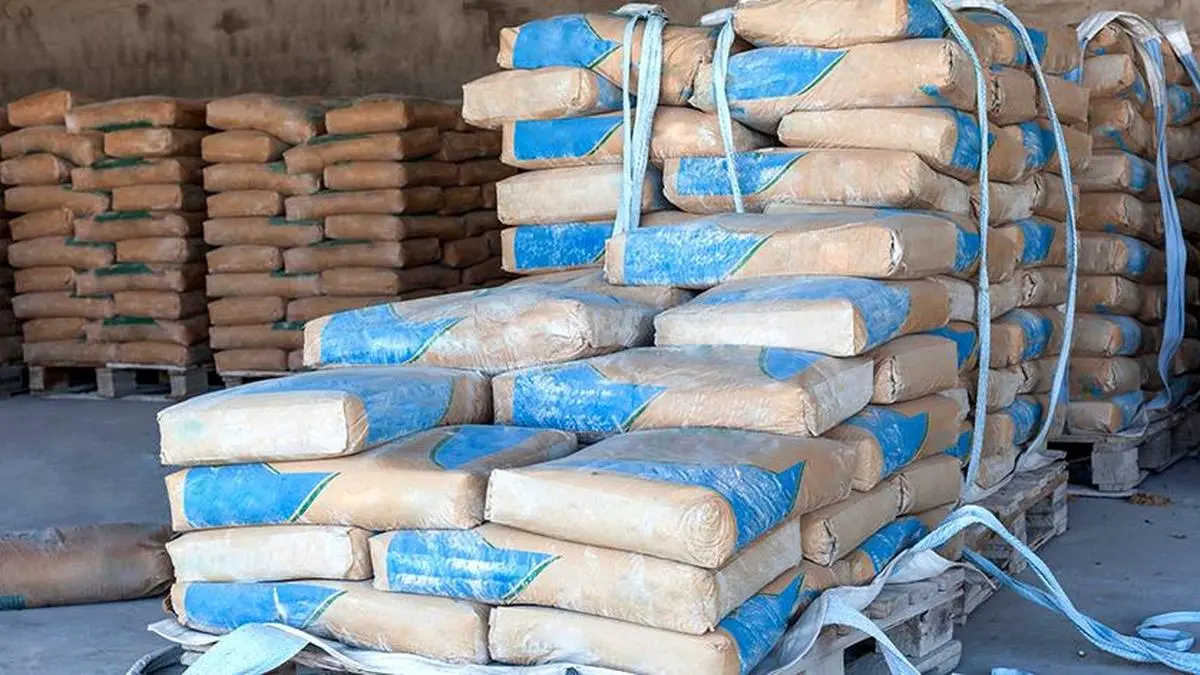
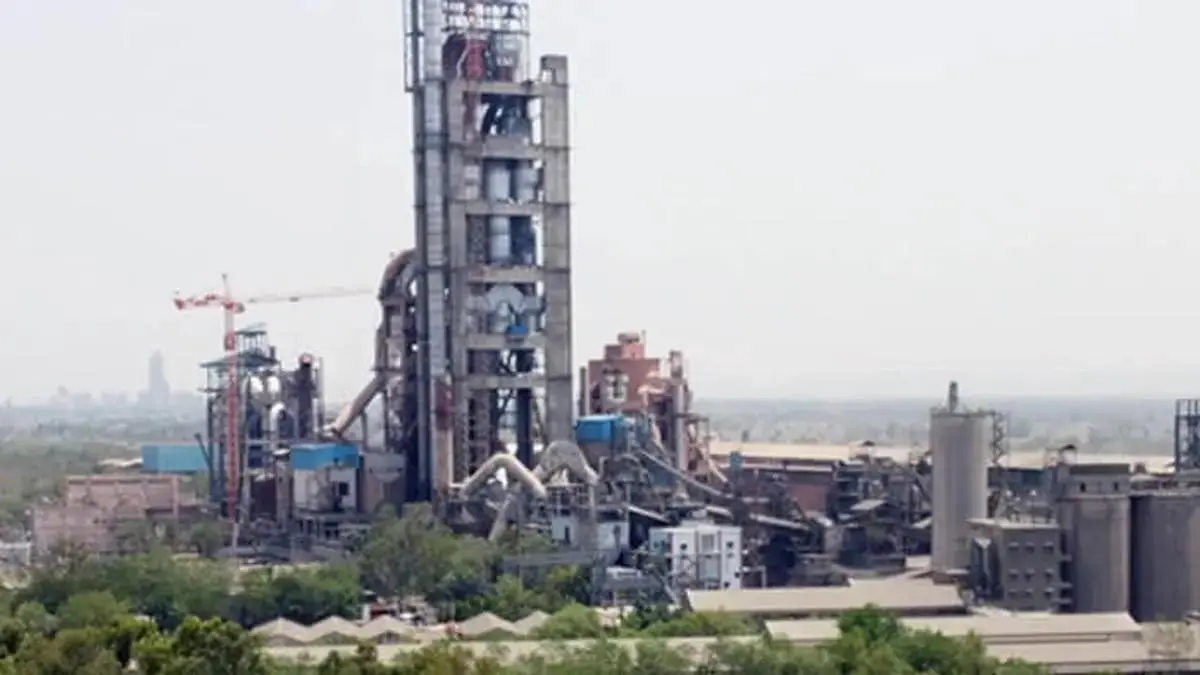

JK Cement has showcased remarkable growth with a 13% year-on-year increase in grey cement volumes for Q4FY26, surpassing the industry average. The company's expansion in central and eastern India is a key driver for its success. However, rising costs pose challenges ahead. View More
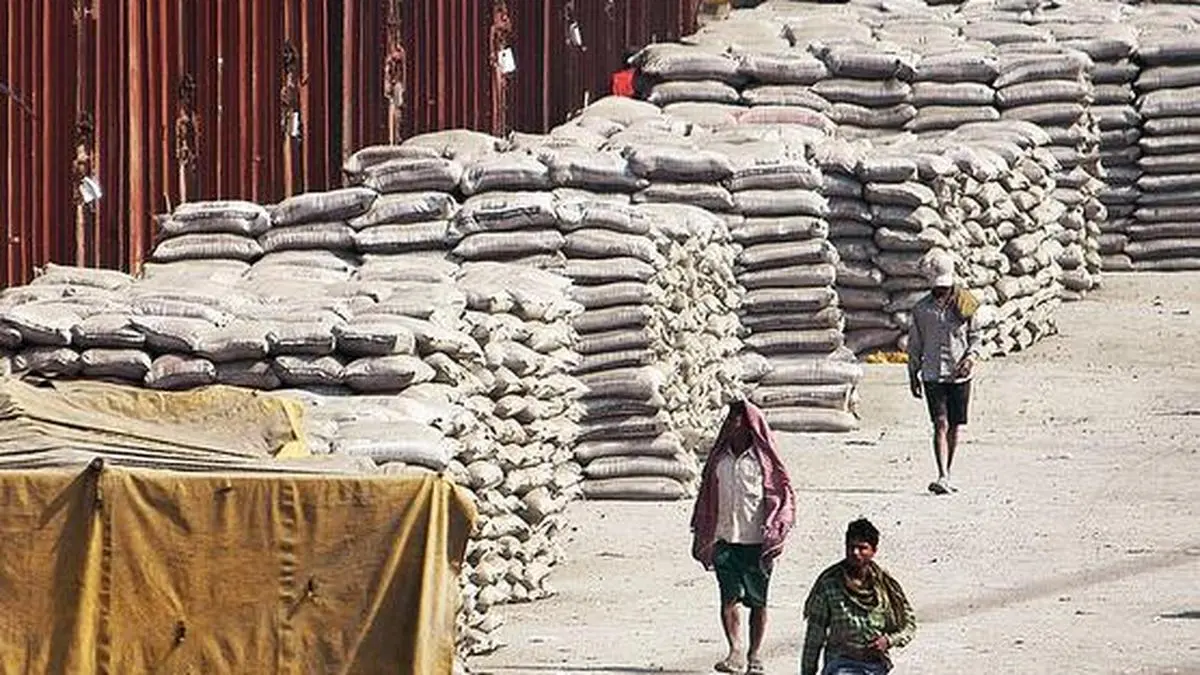
At the industry level, Bahety expects growth to remain moderate at around 5-5.5 per cent amid concerns over inflation and a weak monsoon View More