
Latest Sectors News

A trio of Club holdings report earnings. Plus, there is Corning's investor day and a fresh batch of jobs data. View More
The S & P 500 kept its record run alive last week, boosted by a strong batch of earnings reports that showed the artificial intelligence spending boom isn't slowing down. Even more earnings are on the way in the coming week. Plus, the jobs market will be under the microscope. The market's blistering rally in recent weeks has occurred despite continued disruptions to global energy supplies in the Middle East. Enthusiasm for the AI trade and signs of a resilient U.S. economy have triumphed over worries about elevated oil prices. This tension remains something to keep an eye on. But at the moment, the bulls are in control. Now, let's get into the three biggest things on our radar this week. 1. Earnings: A trio of Club names are set to deliver quarterly results this week. All revenue and EPS estimates are courtesy of data provider LSEG. Electrical equipment supplier Eaton reports on Tuesday morning. The main theme of this report is the AI buildout and the resulting order growth for Eaton. In the fourth quarter, Eaton saw a roughly 200% increase in data center orders within its Electrical Americas segment, its largest. Where will that figure be this time around? Eaton makes a bunch of products used in data centers that collectively feed the power-hungry server racks with consistent and reliable electricity. That's no longer all. Thanks to a wise acquisition of Boyd Thermal, which closed in March, Eaton is now in the liquid cooling business. This moves them even closer to the AI chips â obviously a lucrative place to be these days. We expect to hear more about Boyd on the earnings call. Eaton's order backlog will be another focus. It totaled $19.6 billion at the end of 2025. With Eaton ramping up manufacturing capacity, earnings this year are expected to be stronger in the second half of the year. Revenue : $7.08 billion EPS : $2.74 DuPont also reports Tuesday morning, and one of our biggest focuses will be on the performance of its Healthcare & Water Technologies segment, the company's most exciting since spinning off its electronics business last fall into the standalone Qnity . That segment is expected to see mid-digits organic growth this year. Its other reporting unit, called Diversified Industrials, is projected to grow low single digits, helped in part by a stabilization in U.S. construction activity and aerospace strength. DuPont is the kind of company that investors worry could be hurt by war-related slowdowns in economic activity, so the company's commentary on any changes to customer behavior since late February will be valuable. Revenue : $1.67 billion EPS : $0.48 Arm Holdings is our final report of the week on Wednesday night. This will be Arm's first earnings call since debuting its AI-focused central processing unit (CPU) for data centers in March â and its first since we took a stake on April 20. No doubt, the CPU, dubbed the AGI CPU, will be a big conversation on the earnings call, as this marks a strategic shift for the company into designing a complete chip rather than simply licensing its Arm instruction set to other chipmakers in exchange for royalties. As far as the quarter on deck, though, Arm's revenues will be driven by royalties and licensing fees because the AGI CPU isn't on the market yet. Booming AI demand should fuel strong growth for Arm's cloud revenue in its fiscal 2026 fourth quarter. One question mark is the health of the smartphone royalty stream going forward, as sky-high memory prices are expected to squeeze that market . In a note to clients Friday, analysts at Morgan Stanley said the trajectory of Arm's operating expenses in its fiscal 2027 is a focus for investors. The contribution of SoftBank to Arm's license revenues is another area to watch, Morgan Stanley said. Last quarter, SoftBank represented $200 million of $505 million in license revenue. Revenue : $1.47 billion EPS : $0.58 A couple non-Club earnings reports worth flagging because they're tied to the AI trade: Chipmaker AMD reports on Tuesday night, as does optical technology supplier and Nvidia partner Lumentum. Coherent, another optical player and Nvidia partner, will release results on Wednesday night. And then on Thursday, we'll hear from CoreWeave, the AI cloud computing provider. Away from the data center, Club name Cardinal Health's two main rivals, Cencora and McKesson, report on Wednesday and Thursday, respectively. 2. Corning's investor day: Fresh off a quarter that was stronger than the stock pullback indicated , Corning holds an investor day on Wednesday in New York. The AI boom is fueling demand for Corning's fiber-optic technology inside data centers, so we expect to hear plenty of bullish updates. Specifically, Corning plans to update and extend its "Springboard" growth initiative out two more years to 2030. For now, Corning's Springboard plan is expected to add $11 billion in incremental annualized sales through 2028. We'll see where that target goes next. We would also love to hear any more details on Corning's long-term supply agreements with three hyperscalers (only Meta has been publicly disclosed). Are there any more on the soon on the way? Corning will also unveil what it calls its "Photonics Market-Access Platform," which may offer insight into its roadmap for fiber replacing copper inside server racks , not just connecting them. Finally, while still relatively small, Corning's solar business is growing fast and becoming an increasing point of emphasis for management. It certainly helps to have diversification away from the data center, so this will likely get some time in the sun at the investor day too. CEO Wendell Weeks will be joining Jim Cramer on "Mad Money" on Wednesday night. 3. Jobs, jobs, jobs: The usual slate of monthly labor market reports is due out. It kicks off Tuesday with the Job Openings and Labor Turnover Survey (JOLTS), which is used to gauge the tightness of the jobs market; a very tight labor market can be a source of inflation, but that's not a major risk right now. Keep in mind: the JOLTS report operates on a slight lag, though, so Tuesday's data will cover the month of March. The week's other big releases â ADP's private payroll survey and the government's official nonfarm payroll report â are for April. On Wednesday morning, economists polled by FactSet expect ADP to show job gains of 95,000 in April. For the nonfarm report on Friday morning, the consensus is for 60,000 additions. As Federal Reserve Chair Jerome Powell said last week , the labor market has showed "more and more signs of stability." We'll look for more of those signs in the upcoming batch of data. Week ahead Monday, May 4 Durable goods and factory orders at 10 a.m. ET Before the bell: Norwegian Cruise Line Holdings (NCLH), Axsome Therapeutics (AXSM), CNA Financial (CNA), Hess Midstream (HESM), Krystal Biotech (KRYS), Tyson Foods (TSN), Twist Bioscience (TWST) After the bell: Palantir Technologies (PLTR), Transocean (RIG), onsemi (ON), Duolingo (DUOL), BWX Technologies (BWXT), Pinterest (PINS), Ero Copper (ERO), Fabrinet (FN) Tuesday, May 5 JOLTS report at 10 a.m. ET ISM Services PMI at 10 a.m. ET Census Bureau's new home sales at 10 a.m. ET Before the bell: DuPont (DD), Eaton (ETN), Shopify (SHOP), PayPal (PYPL), Energy Transfer (ET), Pfizer (PFE), KKR (KKR), Cipher Mining (CIFR), Fiserv (FISV), American Electric Power (AEP), DigitalOcean (DOCN), Harley-Davidson (HOG), Ocular Therapeutix (OCUL), Anheuser-Busch InBev (BUD), GlobalFoundries (GFS), Marathon Petroleum (MPC), Ferrari (RACE) After the bell: Advanced Micro Devices (AMD), Lumentum Holdings (LITE), Supermicro (SMCI), AMC Entertainment Holdings (AMC), Arista Networks (ANET), Astera Labs (ALAB), Hecla Mining (HL), Strategy (MSTR), Occidental Petroleum (OXY), BigBear.ai (BBAI), Tempus AI (TEM), Devon Energy (DVN) Wednesday, May 6 ADP private payroll report at 8:15 a.m. ET Before the bell: Walt Disney (DIS), Hut 8 Mining (HUT), Kraft Heinz (KHC), Uber Technologies (UBER), CVS Health (CVS), Amcor (AMCR), Carter's (CRI), Cenovus Energy (CVE), Trinity Capital (TRIN), Apollo Global Management (APO), Instacart (CART), EOG Resources (EOG) After the bell: Coherent (COHR), IonQ (IONQ), Axon Enterprise (AXON), Arm Holdings (ARM), AppLovin (APP), Dutch Bros (BROS), Fastly (FSLY), Beyond Meat (BYND), Snap (SNAP), Albemarle (ALB) Thursday, May 7 Initial jobless claims at 8:30 a.m. ET Before the bell: ACM Research (ACMR), ARKO Corp. (ARKO), Blackstone Secured Lending Fund (BXSL), BlackSky Technology (BKSY), Datadog (DDOG), Iovance Biotherapeutics (IOVA), McDonald's (MCD), 1-800-Flowers.com (FLWS), GigaCloud Technology (GCT), Planet Fitness (PLNT), TripAdvisor (TRIP), Unity (U) After the bell: CoreWeave (CRWV), IREN Limited (IREN), Coinbase Global (COIN), Opendoor Technologies (OPEN), Applied Optoelectronics (AAOI), MercadoLibre (MELI), Red Cat Holdings (RCAT), SoundHound AI (SOUN), Affirm Holdings (AFRM), Monster Beverage (MNST), Rocket Lab USA (RKLB), Trade Desk (TTD), Toast (TOST), McKesson (MCK), Cloudflare (NET), Gilead Sciences (GILD), NuScale Power (SMR), DraftKings (DKNG), MP Materials (MP), 10x Genomics (TXG), Block (XYZ), Airbnb (ABNB), Axcelis Technologies (ACLS), Corsair Gaming (CRSR), Expedia (EXPE), Grindr (GRND), HubSpot (HUBS), Innodata (INOD), nLIGHT (LASR), Rocket Companies (RKT), RingCentral (RNG) Friday, May 8 Nonfarm payrolls report at 8:30 a.m. ET University of Michigan Consumer Sentiment Survey at 10 a.m. ET (preliminary) Before the bell: Wendy's (WEN), Algonquin Power & Utilities (AQN), Dauch Corporation (DCH), Enbridge (ENB), Arbor Realty Trust (ABR), AMC Networks (AMCX), Embraer (EMBJ), Plains All American Pipeline (PAA), Plains GP Holdings (PAGP) (Jim Cramer's Charitable Trust is long ETN, DD, ARM, GLW and META. See here for a full list of the stocks.) As a subscriber to the CNBC Investing Club with Jim Cramer, you will receive a trade alert before Jim makes a trade. Jim waits 45 minutes after sending a trade alert before buying or selling a stock in his charitable trust's portfolio. If Jim has talked about a stock on CNBC TV, he waits 72 hours after issuing the trade alert before executing the trade. THE ABOVE INVESTING CLUB INFORMATION IS SUBJECT TO OUR TERMS AND CONDITIONS AND PRIVACY POLICY , TOGETHER WITH OUR DISCLAIMER . NO FIDUCIARY OBLIGATION OR DUTY EXISTS, OR IS CREATED, BY VIRTUE OF YOUR RECEIPT OF ANY INFORMATION PROVIDED IN CONNECTION WITH THE INVESTING CLUB. NO SPECIFIC OUTCOME OR PROFIT IS GUARANTEED.
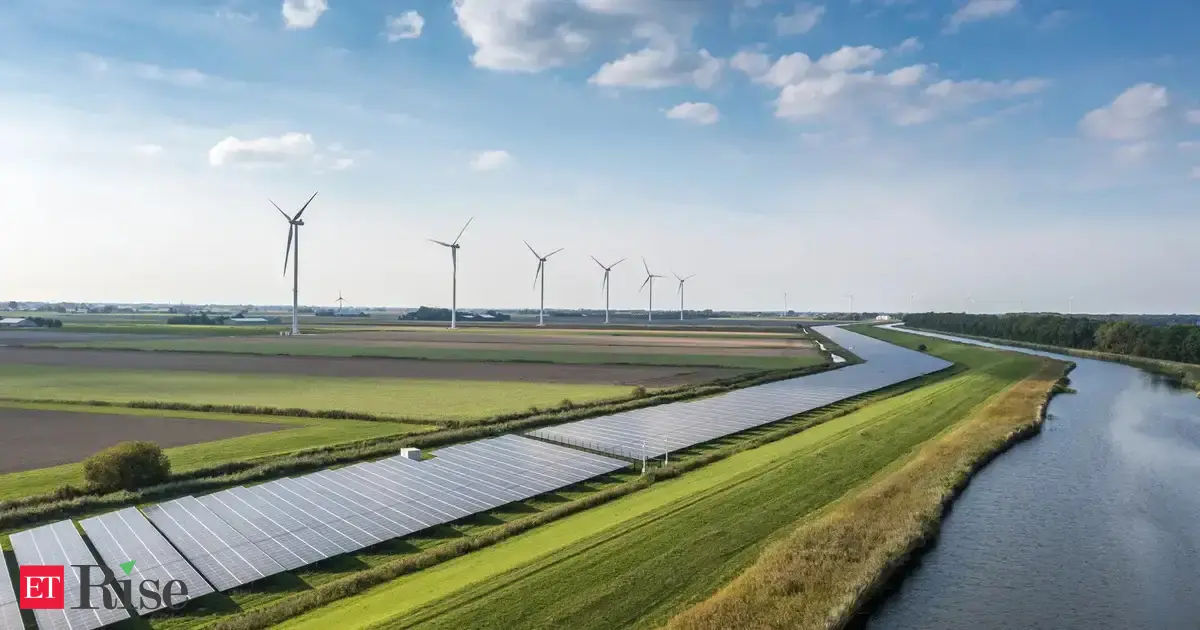
While historical energy crises spurred renewable adoption, current economic conditions like inflation and high interest rates pose investment challenges. Despite these obstacles, growing public support and the undeniable security benefits of renewables are driving continued progress. View More
Last year was a major step forward in the clean energy revolution, with installations of renewable sources such as solar panels and wind turbines hitting record highs not only in the developed world, but in emerging economies too. But then came the war in Iran, a global curve ball that’s bound to change our collective future in unpredictable ways. In the face of yet another energy crisis — just four years after the one sparked by Russia’s invasion of Ukraine — the question of whether clean energy’s upward trajectory will be among the disruptions is an urgent one. While these types of shocks strengthen the case for renewables, which offer both secure supply and stable prices, they also tend to create fiscal conditions — rising inflation, higher interest rates, supply chain disruptions — that aren’t exactly conducive to the investment required to fund new clean energy projects. So, which forces will win out? History can be instructive. The two oil shocks of the 1970s, precipitated by the Yom Kippur war in 1973 and the Iranian Revolution in 1979, spurred the first push towards energy efficiency. The US, for example, introduced a national maximum speed limit and Americans lost their taste for huge gas-guzzlers. Other nations were spurred on to explore alternative domestic sources: Denmark decided to pursue wind power, while France constructed 50 nuclear reactors in a decade. Yes, the world remained hooked on hydrocarbons, but the crises started something important. Live Events The 2022 price spike, caused by Russia’s invasion of Ukraine, may have been the first energy shock where the security benefits of renewables were truly appreciated. Countries took steps to double down on the transition, committing more funds to renewables and electrification — though it wasn’t all clear skies. High interest rates hit the wind sector particularly hard, leading to supply chain bottlenecks, cancelled projects and job cuts. But, as in the 70s, the ultimate result was progress. Two reports published last week show that, before the war in Iran started, those seeds were starting to bloom. The International Energy Agency’s global energy review found that solar power was particularly strong — the energy sector’s largest single source of growth in 2025 — and that new renewable installations rose to a record capacity of 800 gigawatts. Bloomberg Think tank Ember , meanwhile, reported that clean sources met all of the growth in energy demand last year. And in an important, if symbolic, shift, renewables overtook coal in the global electricity mix, with coal falling to below a third of global generation for the first time in history. Bloomberg The main driver of this growth is, simply, costs. Consider Pakistan, where energy shortages and a struggling grid led to a surge in people installing their own rooftop solar panels. As a result, the country avoided importing about $12 billion-worth of oil and gas between 2021 and early 2026, according to analysis by the think tank Centre for Research on Energy and Clean Air (CREA) and energy consultancy Renewables First; if the war in Iran keeps prices elevated, it could save estimated additional $6.3 billion by the end of the year. Though Asia has felt the brunt of the price impact, Europe has also suffered, especially in terms of jet fuel and diesel. On Wednesday, European Commission President Ursula Von Der Leyen said that the EU’s fossil-fuel imports bill had increased by more than €27 billion ($32 billion) in just 60 days. Throughout the continent, countries that have made the most progress with clean energy sources, such as France and Spain, are patting themselves on the back as their electricity prices are expected to remain relatively low even if the conflict persists and drives up gas prices. Bloomberg But while you might think such evidence would supercharge renewable growth, the war is also throwing up fresh obstacles. Manufacturers of clean tech will feel the closure of the Strait of Hormuz in their supply chains. Key ingredients in producing clean energy metals such as nickel, copper, cobalt and lithium are transported through the waterway, as are raw materials for solar panels. Expect price increases and shortages. The economic toll of the war could mean countries need to cut spending currently earmarked for climate investment in order to support their residents through a fuel and food crisis. If interest rates rise again, as they did in 2022, capital intensive wind and solar developments could be in danger; a study from the University of Oxford’s Smith School found that increased financing costs have a greater negative impact on the cost-competitiveness of renewables than fossil-fuel projects. That said, things feel different than they did in previous crises — I credit a shift in our psychologies. As environmentalist Bill McKibben wrote at the start of April: “The world between our ears has changed, decisively, in the direction of renewable power from the sun and wind.” Fossil fuels used to be thought of as reliable and cheap — in any weather, at any time of day, you could start an engine or light a match and get power, heat, light. Now, we’re starting to understand that hydrocarbon dependence is no longer a reliable way to grow an economy. Recalling the 2022 energy shock, Nic Fulghum, senior data analyst at Ember, told me: “People don’t want to go through these high inflation periods every four years.” Polling supports this. A March survey conducted by Cluster17 for POLITICO found that people overwhelmingly support shifting to renewables, with 39% saying Europe should accelerate the transition even if energy costs rise in the short term. Just 17% said the EU should prioritize price over environmental impact. Bloomberg In sensible countries, there’s suddenly a huge political appetite for clean energy. At the end of March, South Korea’s President Lee Jae Myung announced in a speech that the nation’s “future would be at serious risk” if it continued relying on fossil fuels. The government followed that up a week later with an accelerated rollout of renewables which sees one of the world’s largest importers of oil, natural gas and coal deploying 100 GW of clean energy by 2030. In August, Indonesia announced that it would build 100 GW of solar power. In April, President Prabowo Subianto called for the program’s execution to be ramped up, with the aim of reducing diesel-generated power by 10 GW this year. In a speech last week, Ed Miliband, the UK’s energy security and net zero secretary, declared: “The era of fossil fuel security is over, and the era of clean energy security must come of age.” He’s right. .Pbanner{display:flex;justify-content:space-between;align-items:center;background-color:#ec1c40;margin-top:20px;padding:5px 10px;border-radius:4px;color:#fff;line-height:10px;} .Pbannertext{display:flex;align-items:center;font-size:16px;font-weight:600;font-family:'Montserrat';} .Pbannertext img{height:20px;margin:0 6px} .Pbannerbutton a{display:flex;align-items:center;background-color:#fff;color:#ec1c40;text-decoration:none;font-weight:600;padding:4px 8px;border-radius:6px;font-size:15px;font-family:'Montserrat';} .Pbannerbutton img{height:20px;margin-right:6px} .Pbannerbutton a:hover{background-color:#f7f7f7} Add as a Reliable and Trusted News Source Add Now!
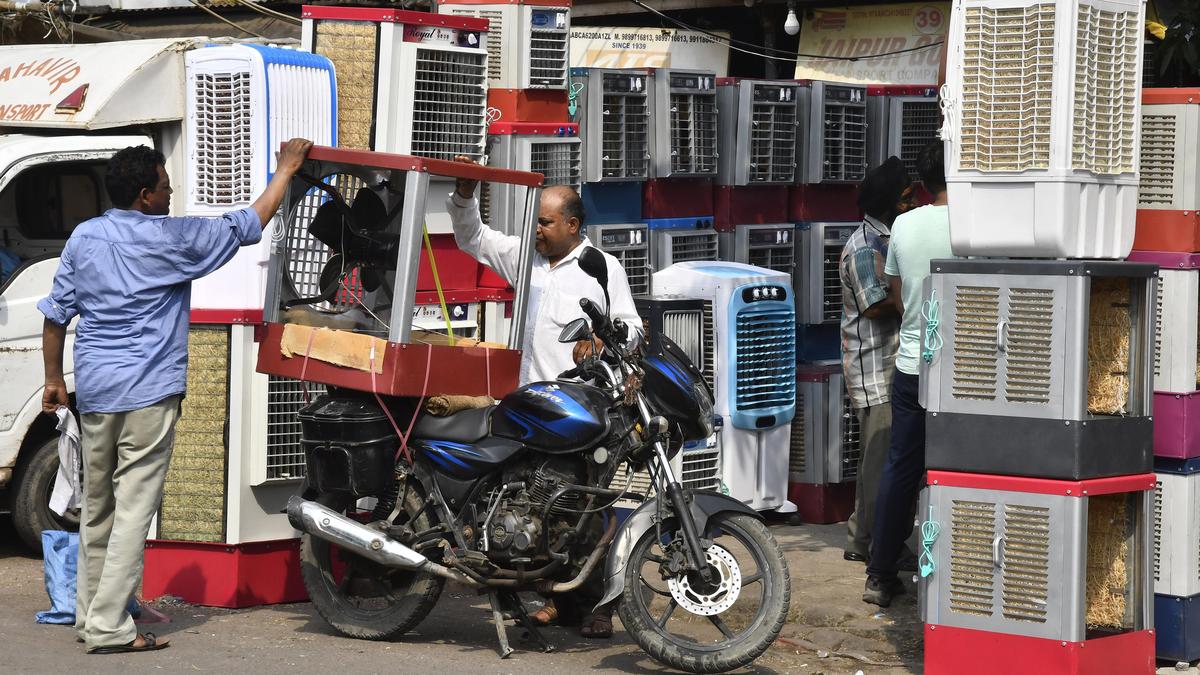
Despite higher solar power generation and its utilisation during the daytime, a significant volume of clean energy went unutilised during Q4: around 27 GW (72 million units) of solar and 4 GW (6 million units) of wind View More
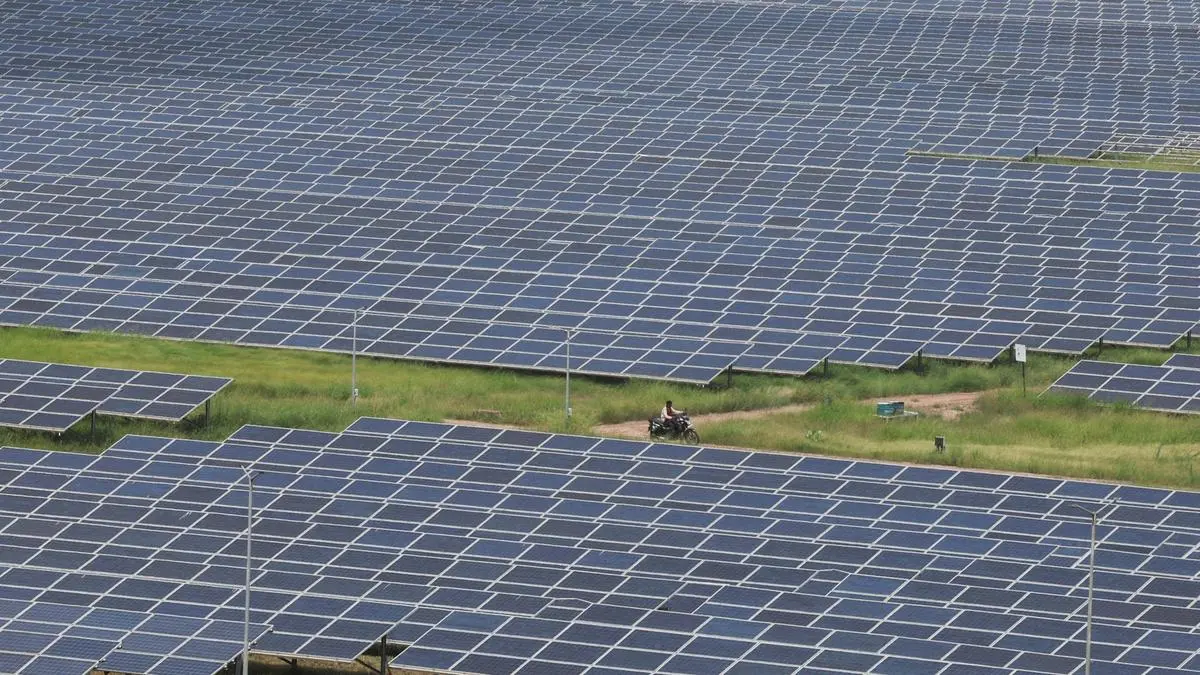
The company plans to set up to 10 GW of ingot and wafer manufacturing capacity in two phases of 5 GW each View More

CoreSite CEO Juan Font thinks of his company's facilities like shopping malls. View More
The part of artificial intelligence that often gets overlooked lives inside data centers like CoreSite's sprawling complex just outside New York City. CEO Juan Font thinks of his company's facilities like shopping malls. "You have multiple stores sharing the same building, the same power, the same cooling, but in the digital sense, as opposed to having every company build their own data centers," Font told CNBC during a recent tour of CoreSite's NY3 facility in Secaucus, New Jersey. AI-optimized data centers like NY3 are popping up all around the country as technology companies crave more and more high-powered computing capacity to run their artificial intelligence workloads. They are the physical manifestation that enables the everyday tasks that we conduct on smartphones, computers, wearables, and connected cars. Big Tech â including portfolio names Amazon , Alphabet , Meta Platforms , and Microsoft â has already poured billions upon billions of dollars into data center buildouts. Collectively, these four companies are on track to spend at least $608 billion this year to keep in the AI arms race. That number may move even higher after all four companies report earnings after Wednesday's closing bell. On top of all that, newcomers OpenAI and Anthropic are also spending at furious clips ahead of their expected initial public offerings (IPOs), which could happen, at the earliest, near the end of this year. You have multiple stores sharing the same building, the same power, the same cooling, but in the digital sense. CoreSite CEO Juan Font For these complex, power-hungry data centers to operate, an ecosystem of technologies must come together. This new AI infrastructure gold rush is creating massive opportunities for Investing Club names tied to major parts of these facilities. To better understand how data centers are built and how some of our holdings â from top chipmakers Nvidia and Broadcom to leading energy generator GE Vernova â come into play, I took an in-depth tour of CoreSite's Secaucus facility. I also spoke with executives at Amazon and another facility designer, Prime Data Centers (no relation to Amazon's subscription service Prime). Here's what I learned. Power It starts with power. "The innermost loop of this intelligence revolution is power," CoreSite's Font said as we walked through his company's Secaucus facility. CoreSite is owned by communications real estate investment tru s t (REIT) American Tower , and operates 30 data centers in 11 markets across the U.S. Before installing a single piece of technology, data center developers source electricity as the first and most critical step of the process. (Energy is also the base layer of Nvidia CEO Jensen Huang's "five-layer cake" of AI .) "If we go back three years, [clients] would be coming to us and saying, 'Do you have 10, 20, 30 megawatts?' ⦠That's enough power for a sizable town," said Michael Wall, executive vice president of product delivery at Prime Data Centers, which has 29 facilities in seven American markets and three in Europe. "Now they say, 'How many hundreds of megawatts do you have available?'" Wall said demand has even scaled into multiple gigawatts (1,000 MW) for really big centers, reflecting the rapid increase in power needs driven by artificial intelligence. Data center size is measured by these energy increments as a nod to power being the limiting factor of how much computing capacity they can deliver. The powerful chips used to train and operate AI models â and the labyrinth of infrastructure to run, connect, and cool them â put pressure on an already constrained public energy grids. "The grid capacity as it stands today has probably been taken up," said Wall, adding that companies need real estate with either existing grid capacity or can support what he calls behind-the-meter power generation. The supply gap has led companies to seek alternative, supplemental avenues such as natural gas, fuel cell, solar, and wind solutions to keep projects on track. CoreSite selected fuel cell technology , which is the conversion of gas from a utility provider into electrical energy without combustion. GE Vernova , which supplies equipment like natural gas turbines, is another popular choice for data centers. Shares of the Club stock have surged more than 60% year to date after doubling last year. GEV YTD mountain GE Vernova YTD AI demand for energy products used to power data centers helped fuel GE Vernova's stellar quarter report last week. Revenue grew 16% year over year to $9.3 billion in the first quarter. GE Vernova also saw strong equipment orders, driven by growth across all of its segments. The company added $13 billion to its backlog in 90 days, expecting to reach a $200 billion backlog in 2027, a year sooner than anticipated. We increased our price target on the stock to $1,300 after its more than 12% post-earnings rally. We kept our buy-equivalent 1 rating on shares. Jim Cramer called GE Vernova's stock "one for the ages." Power management solutions to run data centers at peak efficiency is where Club name Eaton comes in. "Our PDUs, power distribution units, are provided by Eaton and Schneider," said Anthony White, CoreSite's senior manager of data operations. CoreSite also sources the facilities' remote power panels from Eaton and Schneider. Remote power panels are the last piece of equipment needed before power is delivered to customer racks, said White, who walked me through CoreSite's NY3 complex. Back in February, Eaton's fourth-quarter earnings revealed that its Electrical Americas' order backlog hit an all-time record high, growing 31% year-over-year. "Electrical Americas is seeing unprecedented demand with all-time high backlog and record order intake," said CEO Paulo Ruiz during the call. Shares of Eaton, which reports first-quarter results next week, are within a few percentage points of last week's all-time closing high. The stock has gained roughly 28% year to date. ETN YTD mountain Eaton YTD Chips All of that power leads to the brains of the operation, the server rooms. Inside those rooms, you'll find rows of tall rectangular-shaped racks that house high-performance chips. In CoreSite's case, its clients choose their preferred chip vendors. The all-around gold standard AI chips from Nvidia and the emerging demand for custom chips from Broadcom are at the top of companies' wish lists. Nvidia shares had been in a funk for much of this year. But like many of its peers, the stock has surged since the market's March 30 Iran war lows. Shares have now gained more than 13% year to date â and closed at a record high Monday with a market cap back above $5 trillion . During our April Monthly Meeting , Jim said, " Why do I cling to Nvidia? I think the better question to ask is, why would you sell it?" He added that Nvidia is "still the most important company in the AI universe, no matter what anyone says." Over the past three years, Nvidia has skyrocketed more than 650%. Over that same three-year stretch, Broadcom has surged nearly 540%. So far this year, the stock has gained rouhly 15.5% year to date. Hyperscalers are increasingly looking for custom chips, which is emerging as a test of Nvidia's industry dominance. This month, we trimmed Broadcom three times to right-size the position, which had swelled to an over 5% weighting in the portfolio. We generally like to keep our portion weighting to about 5%. Broadcom co-designs Google's increasingly popular tensor processing chips (TPUs), which will see their eighth generation split into two chips: One for training and one for inference. In addition to Alphabet's Google, Broadcom announced last week a multi-year, multi-generation strategic partnership with Meta to support the company's Meta Training and Inference Accelerator (MTIA) chips through 2029. NVDA AVGO mountain 2022-12-30 Nvidia vs. Broadcom since Dec. 30, 2022 The data centers that hyperscalers are building differ from the CoreSite in a couple of ways â in particular, they're much larger in scale. CoreSite's NY3 facility is 138,000-plus square feet. Amazon's $10 billion data center campus being built in North Carolina will have 20 buildings, each between 200,000 to 225,000 square feet, according to local officials . "We are building at a pace that we haven't seen before in our very long history in this space," Amazon Web Services Vice President Kerry Person told me. Amazon designs its own data centers, networking equipment, and some of its own chips, such as Graviton CPUs and AI-focused Trainium chips. To be sure, Amazon still buys a lot of Nvidia. Chips deployed throughout AI-optimized facilities like the one I toured at CoreSite are used for inference, or the use of pre-trained models. Inferencing is essentially what helps models like OpenAI's ChatGPT or Google's Gemini produce answers to questions. While inference doesn't require the same scale as model training, CoreSite said these facilities still need to support dense clusters of GPUs and the high power demands that come with them. Optical fiber Also critical to data center operations is fiber connectivity. Thousands of fiber connections carry massive amounts of information at extremely high speeds. Optical fiber, like that made by Corning , runs through CoreSite's facility, enabling data to quickly move between servers, cloud providers, and networks. Data centers need more fiber and faster connections than ever before as artificial intelligence workloads grow. Fiber, which runs faster and cooler than copper, is becoming increasingly popular. Faster, cooler runs use less power and reduce the load on the massive cooling equipment at these facilities. Excitement around the growth of fiber has made Corning one of the best stocks in the S & P 500 this year, even including Tuesday's 8.9% pullback in response to earnings. Corning's numbers were strong; the issue is that expectations were too high. That created a good entry point for investors, according to Jim, who emphasized that on Wednesday's Morning Meeting. Corning shares are up more than 70% year to date. In its first-quarter report, Corning said sales grew 18% year over year to $4.35 billion, headlined by a 36% increase in its optical communications segment, which houses its data center business. Notably, Corning also announced two more long-term supply agreements similar to the deal it inked with Meta back in January. Meta agreed to pay Corning up to $6 billion for fiber-optic cables in its AI data centers through 2030. Corning told CNBC it expects about 8 million miles of its latest optical fiber solution, named Contour, to go through Meta's Hyperion, its largest under-construction data center located in Louisiana. GLW YTD mountain Corning YTD The optical connectivity solutions provider is actually expanding its Hickory, North Carolina, cable factory to accommodate demand from others like Nvidia, Google, Amazon, and Microsoft. Corning is expected to report first-quarter results early next month. Networking As data moves through optical fibers, it still requires direction. Networking equipment is used to direct traffic inside and outside the data center. Network switches and routers ultimately determine where data goes and how fast it gets there. Broadcom is also involved in this part of data centers, producing hardware like network switches that help manage data traffic. In its most recent report on March 4, Broadcom's networking revenue grew 60% year over year, making up one-third of total AI revenues for its fiscal first quarter. According to Broadcom CEO Hock Tan, the company expects its AI networking business to grow to 40% of total AI revenues. Nvidia also has a massive networking business, thanks in large part to its wise acquisition of Mellanox in April 2020. Its networking revenues alone topped $31 billion in its latest fiscal year â more than 10 times larger than where Mellanox was at the time of the takeover. "Demand for our scale up and scale out technologies reached record levels, both growing double digit sequentially, driven by strong adoption of NVLink, Spectrum-X Ethernet, and InfiniBand," Nvidia CFO Colette Kress said during the company's latest earnings call on Feb. 25. "On a year-over-year basis, growth was driven primarily by NVLink 72 scale up switches as Grace Blackwell Systems accounted for roughly two-thirds of data center revenue in the quarter," Kress added. Former portfolio holding Cisco produces hardware such as routers that permit fast data transfer. The Club exited our position in Cisco in late March to replenish our cash reserves following our annual donation to charity. Cooling All of that power, processing, and networking generates an enormous amount of heat. Prime Data Centers said some server racks produce heat equivalent to "hundreds of hair dryers" running at once. Managing that heat has become another monumental problem for modern data centers. Traditional air cooling, which uses computer room air conditioners, is no longer sufficient for many data center server rooms. Instead, facilities like CoreSite's NY3 AI-optimized data center are increasingly turning more to liquid cooling systems, where coolant is delivered directly to servers or even individual chips to prevent overheating. "Probably the biggest innovation that AI has brought to data center design is liquid cooling capabilities," said CoreSite's Font. Probably the biggest innovation that AI has brought to data center design is liquid cooling capabilities CoreSite CEO Juan Font Companies like Eaton and Dover are important to this transition, supplying cooling systems, power management equipment, and thermal connectors that help keep these facilities running efficiently. Eaton last month closed on a $9.5 billion acquisition of liquid cooling leader Boyd Thermal. Jim thinks the Boyd acquisition was an excellent and strategic move by Eaton, which he also called "the best at everything that's electrical." Jim is much more upbeat about Dover after it delivered last Thursday what he called a "shockingly good quarter," which sent the stock up 5.5% in response. "We can look at this and say that [Dover CEO] Rich Tobin earned the right to stay in our portfolio," Jim said during last Thursday's Morning Meeting . It had been on a short leash, but the numbers delivered. Dover, which produces thermal connectors used in data center liquid cooling solutions, said it expects over a $1 billion in revenue this year from applications linked to artificial intelligence and power generation infrastructure. "In data centers, increasing density of thermal requirements are necessitating a shift towards liquid cooling, which directly benefits our connector and heat exchanger businesses," Tobin said during the company's earnings call. DOV YTD mountain Dover YTD Bottom line From power to chips to fiber to networking to cooling, the Club portfolio owns stocks in companies in all five buckets. The rush to build data centers is being funded by technology companies looking for greater and greater computing power in the age of AI, which Jensen from Nvidia has called the fourth industrial revolution. The AI boom is not just transforming our daily lives; it's transforming the fortunes of so all sorts of companies â from the household names like Amazon that also deliver us toothpaste and clothes, to the behind-the-scenes players like Eaton and GE Vernova. As investors, we're riding both sides of the wave. (Jim Cramer's Charitable Trust is long GEV, GLW, AVGO, NVDA, META, GOOGL, AMZN, ETN, DOV. See here for a full list of the stocks.) As a subscriber to the CNBC Investing Club with Jim Cramer, you will receive a trade alert before Jim makes a trade. Jim waits 45 minutes after sending a trade alert before buying or selling a stock in his charitable trust's portfolio. If Jim has talked about a stock on CNBC TV, he waits 72 hours after issuing the trade alert before executing the trade. THE ABOVE INVESTING CLUB INFORMATION IS SUBJECT TO OUR TERMS AND CONDITIONS AND PRIVACY POLICY , TOGETHER WITH OUR DISCLAIMER . NO FIDUCIARY OBLIGATION OR DUTY EXISTS, OR IS CREATED, BY VIRTUE OF YOUR RECEIPT OF ANY INFORMATION PROVIDED IN CONNECTION WITH THE INVESTING CLUB. NO SPECIFIC OUTCOME OR PROFIT IS GUARANTEED.
Blackstone-backed Bagmane Prime Office REIT on Wednesday fixed a price band of Rs 95-100 per unit for its Rs 3,405-crore initial public offering (IPO), which will open for subscription on May 5. View More
Blackstone-backed Bagmane Prime Office REIT on Wednesday fixed a price band of Rs 95-100 per unit for its Rs 3,405-crore initial public offering (IPO), which will open for subscription on May 5. The public issue of Bengaluru-based real estate investment trust (REIT) that owns and develops Grade A+ office assets will conclude on May 7. The anchor investor bidding is scheduled for May 4, according to a public announcement. The proposed IPO comprises a fresh issue of units aggregating up to Rs 2,390 crore and an offer-for-sale (OFS) of units worth up to Rs 1,015 crore by the selling unitholder. Proceeds will be used to acquire Luxor at Bagmane Capital Tech Park (spanning one million sq ft) as well as part-fund the acquisition of a 93 per cent stake in Bagmane Rio, which owns the 1.1 million sq ft Bagmane Rio Business Park. Bagmane Prime Office REIT's portfolio includes six premium Grade A+ business parks spanning 20.3 million square feet, located in key micro-markets of Bengaluru, including the Outer Ring Road (ORR) and the Secondary Business District (SBD City). Live Events As of December 31, 2025, the REIT reported a committed occupancy of 98.8 per cent, among the highest for listed office REITs in India. Its tenant base includes multinational corporations such as Google, Amazon, Nvidia and Samsung. In addition to office assets, the portfolio also comprises two under-construction hotels with 607 keys and four solar power projects with a combined capacity of 164.4 MW (DC). The company has earmarked up to Rs 850 crore for strategic investors. Accordingly, the net offer stands at Rs 2,555 crore, of which 75 per cent is reserved for qualified institutional buyers (QIBs) and the remaining 25 per cent for non-institutional investors (NIIs). Investors can bid for a minimum of 150 units and in multiples thereof. The Real Estate Investment Trusts (REITs) are investment vehicles that own or operate income-generating real estate, enabling investors to earn a share of the income produced without directly purchasing the properties. At present, there are five listed REITs in India -- Sattva Group and Blackstone-backed Knowledge Realty Trust (KRT), K Raheja Corp-backed Mindspace Business Parks REIT, Brookfield India Real Estate Trust, Embassy Office Parks REIT and Nexus Select Trust. Out of the five listed REITs, only Nexus Select Trust is backed by rent-yielding retail real estate (shopping malls), while the other four are office REITs. The units are expected to be listed on the BSE and NSE on May 15. The basis of allotment is expected to be finalised by May 12, with refunds and credit of units slated around May 13. The book running lead managers to the issue are JM Financial , Kotak Mahindra Capital Company, Axis Capital , IIFL Capital Services , SBI Capital Markets, 360 ONE WAM and HDFC Bank . .Pbanner{display:flex;justify-content:space-between;align-items:center;background-color:#ec1c40;margin-top:20px;padding:5px 10px;border-radius:4px;color:#fff;line-height:10px;} .Pbannertext{display:flex;align-items:center;font-size:16px;font-weight:600;font-family:'Montserrat';} .Pbannertext img{height:20px;margin:0 6px} .Pbannerbutton a{display:flex;align-items:center;background-color:#fff;color:#ec1c40;text-decoration:none;font-weight:600;padding:4px 8px;border-radius:6px;font-size:15px;font-family:'Montserrat';} .Pbannerbutton img{height:20px;margin-right:6px} .Pbannerbutton a:hover{background-color:#f7f7f7} Add as a Reliable and Trusted News Source Add Now! (You can now subscribe to our ETMarkets WhatsApp channel) (You can now subscribe to our ETMarkets WhatsApp channel)

For the second time in two years, rates on the Real Time Market of the Indian Energy Exchange dropped to near-zero— ?0.0003 per unit on the afternoon of 5 April—as excess solar power flooded the market even as demand dipped due to rains and thunderstorms in Delhi and other parts of northern India. View More
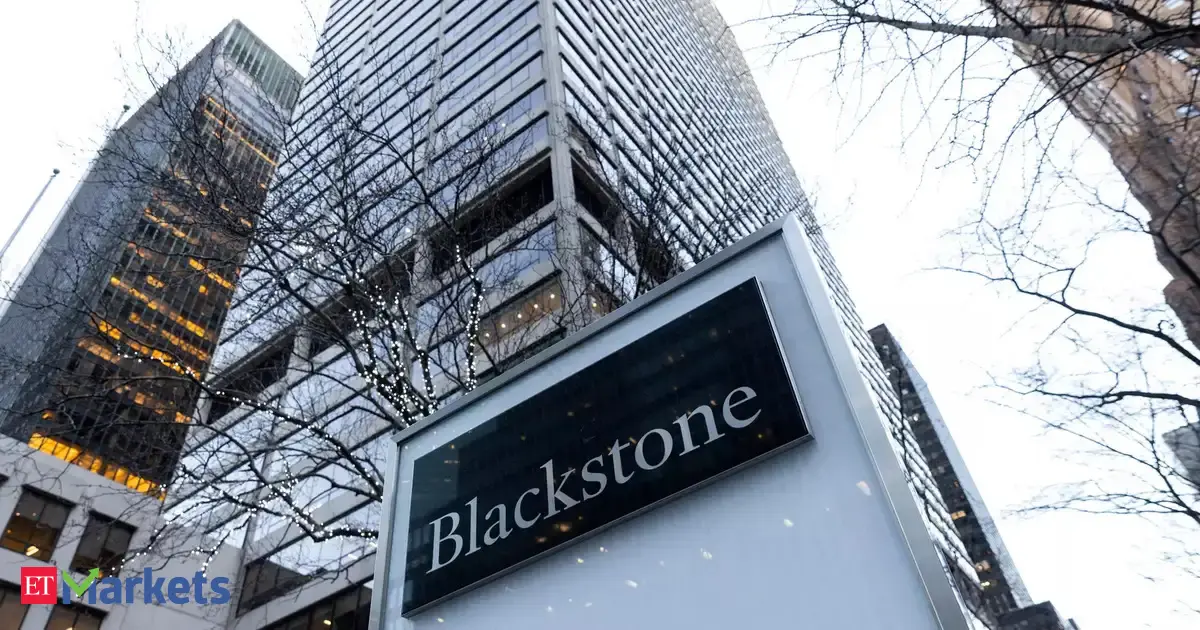
Bagmane Prime Office REIT, backed by Blackstone, is launching an Initial Public Offering to raise Rs 3,405 crore. This marks India's sixth listed REIT and fourth focused on office assets. The offering includes a fresh issue and a sale by existing unitholders. The IPO opens on May 5 and closes on May 7. View More
MUMBAI: Blackstone-backed Bagmane Prime Office REIT has filed its Offer Document (OD) to raise up to Rs 3,405 crore through an Initial Public Offering ( IPO ), marking another significant listing in India’s growing office Real Estate Investment Trust (REIT) space. The proposed offering comprises a fresh issue of units aggregating up to Rs 2,390 crore and an offer for sale (OFS) of units worth up to Rs 1,015 crore by the selling unitholder. The proceeds from the fresh issue are expected to support the REIT’s growth and capital structure. This will be India's sixth listed REIT and the fifth backed by office assets. Bagmane Prime Office REIT owns a portfolio of six premium Grade A business parks , with a total area of 20.3 million sq ft, located in Bengaluru’s key office micro-markets, including the Outer Ring Road (ORR) and the Secondary Business District (SBD City). These markets have consistently remained among the strongest performing office corridors in the country. As of December 31, 2025, the portfolio reported a committed occupancy of 98.8%, the highest among Indian office REITs post-listing. The tenant base includes global technology and multinational corporations such as Google, Amazon, Nvidia and Samsung, reflecting the portfolio’s institutional-grade positioning and strong demand from occupiers. Live Events Beyond its core office assets, the REIT also has diversification through two under-construction hotels with a total of 607 keys, along with four solar power projects with an aggregate capacity of 164.4 MW, adding an infrastructure and sustainability component to its portfolio. Blackstone has strategic equity investment in Bagmane's Holdco Bagmane Developers where Blackstone through one of its entities holds 7% stake; and Blackstone BREP has 7% stake in BRPL Bagmane Rio, one of the special purpose vehicles. JM Financial , Kotak Mahindra Capital Company, Axis Capital , IIFL Capital Services , SBI Capital Markets, 360 ONE WAM , and HDFC Bank are the Book Running Lead Managers to the issue. The IPO comes amid sustained investor interest in income-generating commercial real estate assets, particularly high-occupancy office portfolios backed by global institutional sponsors. India’s office market continues to chart new highs despite geopolitical uncertainties and anticipated AI-led disruption, with gross leasing reaching 21.5 million sq ft in the first quarter, the highest ever recorded for a January-March period. The strong start to the year not only sets a new benchmark for first-quarter performance but also surpasses the quarterly average seen in 2025, pointing to sustained occupier confidence and reinforcing expectations of another robust year for the sector. .Pbanner{display:flex;justify-content:space-between;align-items:center;background-color:#ec1c40;margin-top:20px;padding:5px 10px;border-radius:4px;color:#fff;line-height:10px;} .Pbannertext{display:flex;align-items:center;font-size:16px;font-weight:600;font-family:'Montserrat';} .Pbannertext img{height:20px;margin:0 6px} .Pbannerbutton a{display:flex;align-items:center;background-color:#fff;color:#ec1c40;text-decoration:none;font-weight:600;padding:4px 8px;border-radius:6px;font-size:15px;font-family:'Montserrat';} .Pbannerbutton img{height:20px;margin-right:6px} .Pbannerbutton a:hover{background-color:#f7f7f7} Add as a Reliable and Trusted News Source Add Now! (You can now subscribe to our ETMarkets WhatsApp channel) (You can now subscribe to our ETMarkets WhatsApp channel)

Blackstone-backed Bagmane Prime Office REIT is poised to hit the capital markets with its Rs 3,405 crore initial public offering (IPO), scheduled to open on May 5. View More
Blackstone-backed Bagmane Prime Office REIT is poised to hit the capital markets with its Rs 3,405 crore initial public offering (IPO), scheduled to open on May 5. The public issue of Bengaluru-based real estate investment trust (REIT), which owns and develops Grade A+ office assets, will conclude on May 7. The anchor investor bidding is scheduled for May 4, according to the offer document. The proposed IPO comprises a fresh issue of units aggregating up to Rs 2,390 crore and an offer-for-sale (OFS) of units worth up to Rs 1,015 crore by the selling unitholder. Proceeds will be used to acquire Luxor at Bagmane Capital Tech Park (spanning one million sq ft) as well as part-fund the acquisition of a 93 per cent stake in Bagmane Rio, which owns the 1.1 million sq ft Bagmane Rio Business Park. Bagmane Prime Office REIT's portfolio includes six premium Grade A+ business parks spanning 20.3 million square feet, located in key micro-markets of Bengaluru, including the Outer Ring Road (ORR) and the Secondary Business District (SBD City). Live Events As of December 31, 2025, the REIT reported a committed occupancy of 98.8 per cent, among the highest for listed office REITs in India. Its tenant base includes multinational corporations such as Google, Amazon, Nvidia and Samsung. In addition to office assets, the portfolio also comprises two under-construction hotels with 607 keys and four solar power projects with a combined capacity of 164.4 MW (DC). The Real Estate Investment Trusts (REITs) are investment vehicles that own or operate income-generating real estate, enabling investors to earn a share of the income produced without directly purchasing the properties. At present, there are five listed REITs in India -- Sattva Group and Blackstone-backed Knowledge Realty Trust (KRT), K Raheja Corp-backed Mindspace Business Parks REIT, Brookfield India Real Estate Trust, Embassy Office Parks REIT and Nexus Select Trust. Out of the five listed REITs, only Nexus Select Trust is backed by rent-yielding retail real estate (shopping malls), while the other four are office REITs. The book running lead managers to the issue are JM Financial , Kotak Mahindra Capital Company, Axis Capital , IIFL Capital Services , SBI Capital Markets, 360 ONE WAM and HDFC Bank . .Pbanner{display:flex;justify-content:space-between;align-items:center;background-color:#ec1c40;margin-top:20px;padding:5px 10px;border-radius:4px;color:#fff;line-height:10px;} .Pbannertext{display:flex;align-items:center;font-size:16px;font-weight:600;font-family:'Montserrat';} .Pbannertext img{height:20px;margin:0 6px} .Pbannerbutton a{display:flex;align-items:center;background-color:#fff;color:#ec1c40;text-decoration:none;font-weight:600;padding:4px 8px;border-radius:6px;font-size:15px;font-family:'Montserrat';} .Pbannerbutton img{height:20px;margin-right:6px} .Pbannerbutton a:hover{background-color:#f7f7f7} Add as a Reliable and Trusted News Source Add Now! (You can now subscribe to our ETMarkets WhatsApp channel) (You can now subscribe to our ETMarkets WhatsApp channel)

Despite having over 2.4 crore households, rooftop installations remain low, with most solar capacity coming from ground-mounted projects View More